
Imagine finishing a grueling basketball game, your muscles burning with fatigue, knowing you have another competition in just 48 hours. Many elite athletes facing this scenario immediately plunge into an icy tub of water—despite the initial shock—to accelerate their recovery. This seemingly masochistic ritual has become standard practice across professional sports, from the NBA to Olympic training centers, and understanding why athletes take ice baths reveals a powerful recovery strategy rooted in physiology. Cold water immersion isn’t just about enduring discomfort; it triggers specific biological responses that help athletes perform at their peak when it matters most.
The science behind ice baths has evolved from ancient healing practices to precisely calibrated recovery protocols used by today’s top competitors. When you emerge from intense exercise, your muscles contain microscopic damage, inflammation begins building, and metabolic waste products accumulate—all setting the stage for debilitating soreness. By deliberately exposing your body to cold temperatures shortly after training, you can significantly alter this recovery trajectory. Whether you’re a professional athlete or a weekend warrior, understanding the mechanisms behind this practice helps determine if ice baths deserve a place in your own recovery routine.
Stop DOMS Before It Starts: How Ice Baths Block Muscle Soreness
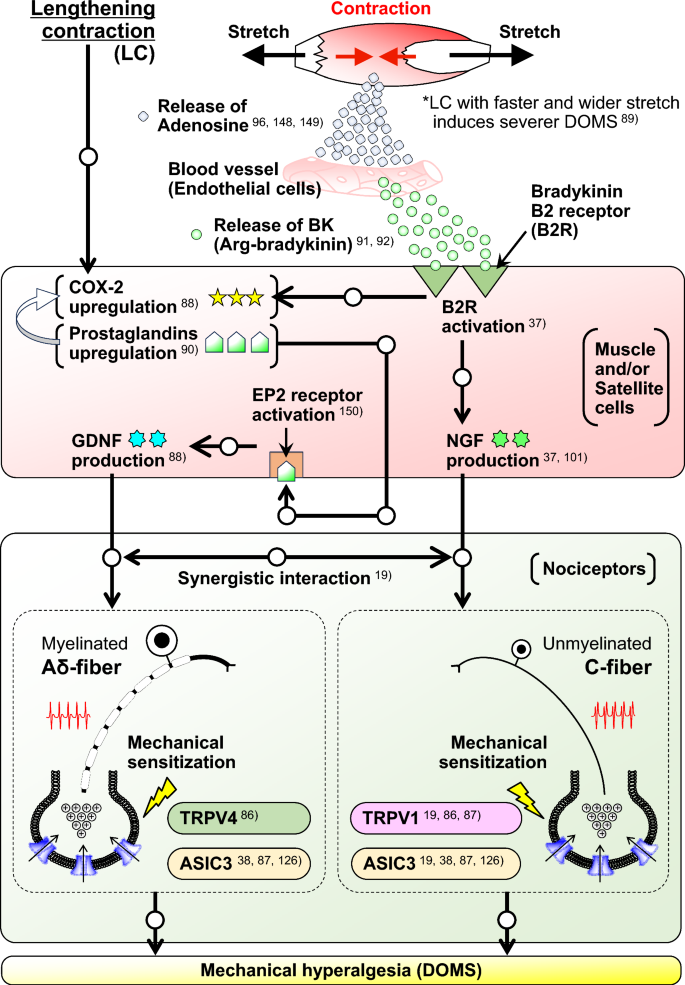
Delayed onset muscle soreness (DOMS) typically hits hardest 24-72 hours after intense exercise, making your next training session feel like climbing Everest in flip-flops. Ice baths disrupt this painful cycle by immediately cooling tissues and slowing the inflammatory cascade that creates soreness. When you submerge in cold water between 50-59°F (10-15°C), blood vessels constrict dramatically, reducing blood flow to damaged muscles and limiting the inflammatory response that would otherwise spiral out of control.
Key physiological changes during ice bath immersion:
– Nerve conduction velocity decreases by up to 50%, numbing pain receptors
– Metabolic activity slows by approximately 5-7% per degree Celsius drop
– Inflammatory markers like IL-6 and CRP show significantly lower peaks
– Muscle temperature drops 2-4°F within the first 5 minutes of immersion
The most dramatic benefit athletes report is dramatically reduced perceived soreness in the critical 48-hour window after hard training. A soccer player who would normally struggle to walk down stairs the day after a match can often maintain near-normal mobility when using post-exercise cold immersion. This isn’t just psychological—the cold literally interrupts the biochemical pathways that create that familiar “can’t-sit-down” stiffness that plagues athletes after unaccustomed exertion.
Why Timing Matters for Maximum Soreness Prevention
For ice baths to effectively block DOMS, timing is everything. The optimal window for immersion begins within 30 minutes after finishing exercise, when inflammatory processes are just initiating but haven’t yet reached full intensity. Waiting longer than 2 hours reduces effectiveness significantly as inflammation becomes more established. Elite rugby teams often have ice baths ready courtside precisely for this reason—they know the clock starts ticking the moment the whistle blows.
Back-to-Back Competition Recovery: How Ice Baths Prepare You for Round Two
When athletes face multiple competitions in quick succession—like tournament play or double-header games—recovery speed becomes the difference between mediocrity and excellence. Ice baths deliver measurable performance benefits that keep athletes functioning at high levels despite compressed recovery windows. Studies tracking cyclists completing multiple time trials show those using cold water immersion maintain power output significantly better than passive recovery groups.
The real magic happens during the rewarming phase after you exit the ice bath. As blood vessels dilate to restore normal circulation, fresh oxygenated blood floods previously constricted tissues, effectively “washing away” metabolic byproducts like lactate and hydrogen ions. This enhanced clearance process leaves muscles cleaner and more ready for subsequent efforts. Professional basketball players often report feeling “lighter” and more explosive during second games when they’ve used ice baths between contests.
How Ice Baths Preserve Training Quality During Heavy Periods
During intense training blocks, cumulative fatigue can degrade movement quality and increase injury risk. Ice baths help maintain technical proficiency by reducing residual fatigue between sessions. A weightlifter who would normally see form breakdown by the third heavy session in a week can often maintain proper technique through four or five sessions when incorporating strategic cold immersion. This preservation of movement quality isn’t just about performance—it’s a critical injury prevention strategy when muscles are operating near their limits.
Optimal Ice Bath Protocol: Temperature, Timing, and Technique

Finding Your Perfect Cold Water Sweet Spot
Water temperature between 50-59°F (10-15°C) delivers maximum recovery benefits without triggering dangerous cold stress responses. Temperatures below 50°F increase the risk of peripheral nerve damage and can elevate heart rate dangerously, while water above 60°F often fails to trigger sufficient vasoconstriction for meaningful recovery effects. Pro tip: Add one standard kitchen bag of ice (about 10 lbs) to 15 gallons of water to reach the ideal therapeutic range—no thermometer needed.
Mastering the 10-15 Minute Immersion Window
Most athletes achieve optimal results with 10-15 minutes of total immersion time. Shorter durations fail to fully engage recovery mechanisms, while sessions exceeding 20 minutes increase cold stress without additional benefit. Start with just 8 minutes at the warmer end of the temperature range, then gradually work toward 15 minutes at 50-55°F over 3-4 weeks as your tolerance builds. Elite marathoners often use a progressive approach: 10 minutes post-long run, increasing to 14 minutes during peak training weeks.
Positioning Matters: The 15cm Rule You’re Missing
Many athletes unknowingly reduce ice bath effectiveness by improper positioning. For optimal lower body results, water should cover at least 15cm (6 inches) above the knees to ensure complete immersion of major muscle groups. Upper body athletes should submerge to at least nipple level. Critical mistake to avoid: Leaning against the tub wall creates pressure points that restrict circulation and diminish benefits in those areas.
When Ice Baths Might Hurt Your Progress: Important Considerations
Muscle Growth vs. Recovery: The Adaptation Trade-Off
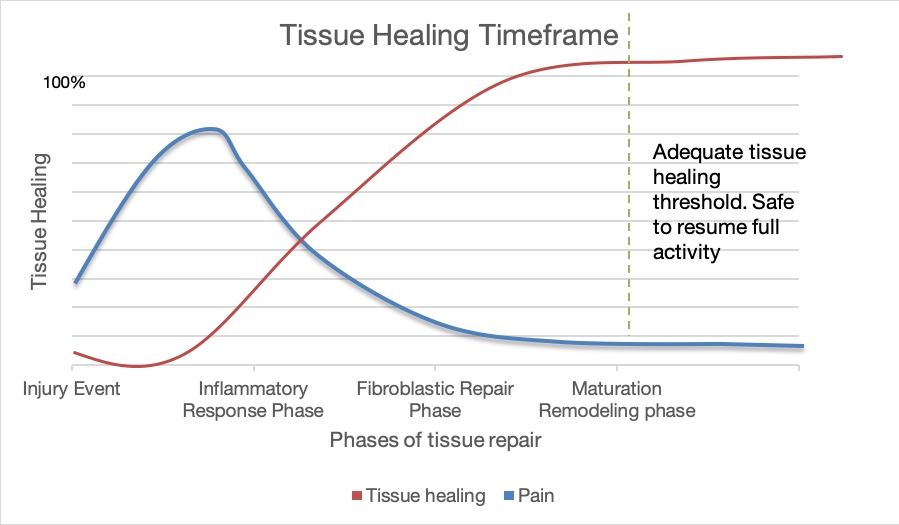
While ice baths accelerate short-term recovery, research suggests they may slightly blunt long-term strength and hypertrophy adaptations. The inflammatory response triggered by resistance training serves as a crucial signal for muscle growth, and consistently suppressing this with cold exposure can reduce training adaptations by approximately 5-8% over time. Strategic solution: Reserve ice baths for post-competition recovery or during high-volume training blocks, but skip them after key strength-building sessions when maximizing adaptation is your priority.
Who Should Avoid Ice Baths Completely
Certain athletes should steer clear of cold water immersion without medical clearance:
– Individuals with cardiovascular conditions (hypertension, arrhythmias)
– Those with Raynaud’s syndrome or cold hypersensitivity disorders
– Athletes with open wounds or recent surgical sites
– People with peripheral neuropathy or impaired sensation
– Pregnant athletes (consult your physician first)
Ice Bath Alternatives When Full Immersion Isn’t Possible
Targeted Cold Therapy for Specific Muscle Groups
When full immersion isn’t practical, localized cold therapy delivers focused benefits. Fill a gallon-sized ziplock bag with ice and water, then apply directly to particularly sore areas like quads or shoulders for 10-12 minutes. This “poor man’s ice bath” technique works especially well for runners with disproportionately sore calves or baseball pitchers focusing on shoulder recovery.
Contrast Water Therapy for Enhanced Circulation
Alternating between cold and warm water immersion creates a “pumping” effect that may enhance metabolite clearance. Try this effective protocol: 1 minute in 50-55°F water followed by 2 minutes in 95-100°F water, repeated 4-5 times. This approach provides many ice bath benefits with reduced cold exposure discomfort, making it ideal for athletes new to cold therapy.
Ice baths work because they strategically manipulate your body’s natural recovery processes—slowing inflammation when it becomes counterproductive while accelerating waste removal when you need it most. When implemented correctly with attention to temperature, timing, and individual response, this recovery tool delivers measurable performance benefits that explain why athletes take ice baths across virtually every competitive sport. The temporary discomfort of cold water immersion pays dividends in reduced soreness, faster recovery, and maintained performance during demanding training periods. For most athletes, incorporating ice baths 2-3 times weekly after particularly strenuous sessions creates the optimal balance between recovery benefits and long-term adaptation—turning what seems like punishment into a powerful performance advantage.
Leave a Reply