That first bath with your newborn can leave even the most confident parent feeling uneasy. You’re holding this tiny human who’s never experienced anything outside the womb’s constant warmth, and suddenly you’re responsible for getting the bath temperature just right. Too hot risks burns on delicate skin; too cold could send their body temperature plummeting. The good news? Mastering the ideal temperature to bathe a newborn is simpler than you think once you know exactly what to do. This guide eliminates the guesswork and gives you clear, actionable steps to ensure every bath is safe, comfortable, and even enjoyable for both of you.
Most new parents don’t realize that a baby’s skin is up to five times thinner than an adult’s, making them far more vulnerable to temperature extremes. When you understand that water at 120°F—the temperature many household water heaters are set to—can cause a serious burn in less than 30 seconds for a newborn, the importance of precise temperature control becomes crystal clear. By following the guidelines in this article, you’ll transform bath time from a source of anxiety into a soothing ritual you both look forward to, with the temperature to bathe a newborn becoming second nature after just a few sessions.
Why 98-100°F Is the Goldilocks Zone for Newborn Baths
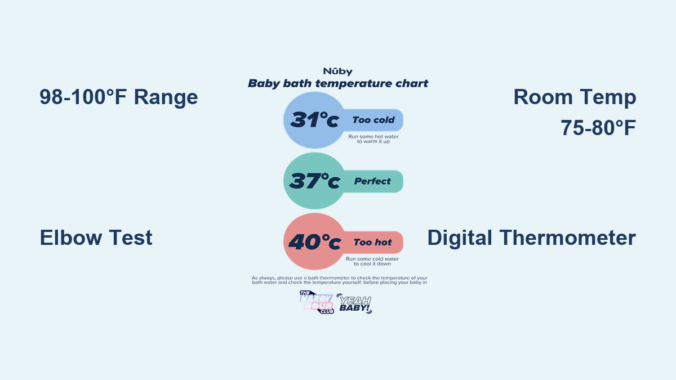
The magic temperature to bathe a newborn consistently falls between 98°F and 100°F (37°C to 38°C), and there’s compelling science behind this narrow range. Think of it as recreating the womb’s environment—your baby spent nine months floating in fluid maintained at approximately 98.6°F, so water in this range feels familiar rather than shocking. Pediatricians emphasize this specific range because it’s warm enough to prevent heat loss through the skin (a major concern for newborns who can’t regulate their temperature well) yet cool enough to eliminate any risk of scalding.
How Temperature Affects Your Baby’s Developing Body
Newborns lose heat up to four times faster than adults due to their high surface area-to-body mass ratio. When bath water falls below 98°F, your baby’s body works overtime to maintain core temperature, diverting energy from digestion and growth. Conversely, water above 100°F can cause blood vessels near the skin to dilate too rapidly, potentially leading to dizziness or even fainting in extreme cases. The 98-100°F sweet spot keeps your baby’s body at rest, allowing them to focus on the sensory experience rather than temperature regulation.
Seasonal Adjustments You Need to Make
Many parents don’t realize that the ideal temperature to bathe a newborn requires slight seasonal tweaks. In winter, when homes are typically cooler, aim for the higher end of the range (99-100°F) to compensate for quicker heat loss. During summer months, when ambient temperatures are warmer, 98-99°F often feels more comfortable. Always test the water with your elbow immediately before placing your baby in the tub—what felt perfect five minutes ago may have cooled significantly, especially in air-conditioned rooms.
Fail-Safe Water Testing Methods That Guarantee Safety

Relying on your hand to test bath water is like using a blunt instrument to perform surgery—it’s simply not precise enough for your newborn’s needs. Adult hands have calloused over years of handling hot pots and cold drinks, making them poor thermometers for delicate infant skin.
The Elbow Test: Your Built-In Precision Tool
Your inner elbow contains thinner skin with more temperature receptors than your hand, making it remarkably accurate for testing newborn bath water. Dip your elbow fully into the water for 5-10 seconds—you should feel neutral warmth with no distinct hot or cold sensation. If you instinctively pull your elbow away, the water’s too hot. If you feel any coolness, it’s too cold. Practice this test with a thermometer alongside it for your first few baths until you develop confidence in your assessment.
Digital Thermometers: The Foolproof Option
For parents who want absolute certainty, a digital bath thermometer eliminates all guesswork. Look for models with large displays that float in the water (like the Munchkin Float & Play) so you can monitor temperature continuously. Place the thermometer in the water before filling the tub to get an accurate reading—it takes 30-60 seconds for most digital models to stabilize. The best thermometers change color at critical thresholds: green for safe (98-100°F), blue for too cool, and red for dangerously hot.
Room Setup Secrets Most Parents Overlook

Creating the perfect bathing environment involves more than just water temperature—it’s about managing the entire thermal ecosystem your newborn will experience.
The Critical 75-80°F Room Temperature Rule
Many parents focus solely on water temperature while ignoring the room’s climate, which dramatically impacts how your baby experiences the bath. A room below 75°F causes rapid heat loss as soon as you lift your baby from the water, potentially triggering cold stress. Use a reliable room thermometer (not just your perception) to verify the space is between 75-80°F. In winter, turn on the bathroom heater 15 minutes before bath time—never use space heaters during the bath due to electrical safety risks.
Strategic Towel Placement for Temperature Stability
Place two hooded towels in the dryer for 5-7 minutes before bath time (check manufacturer instructions first). Keep one towel wrapped around your baby during the bath for quick coverage when changing positions, and have the second towel ready for immediate wrapping post-bath. This simple technique maintains your baby’s body temperature throughout the entire bathing process, preventing the sudden chill that often triggers crying fits.
Spotting Temperature Trouble Before It Escalates
Your newborn communicates temperature discomfort through subtle cues most new parents miss. Learning these signals helps you intervene before minor discomfort becomes distress.
Early Warning Signs of Water That’s Too Warm
Watch for these often-overlooked indicators that the temperature to bathe a newborn is too high:
– Flushed cheeks that appear suddenly after water contact
– Unusual stillness or lethargy (not the calm you want)
– Rapid breathing or panting
– Hiccuping during the bath
– Fingers splaying wide as if trying to cool down
Subtle Clues Your Baby Is Getting Cold
Cold stress manifests differently than typical crying:
– Goosebumps on arms or back (visible when wet)
– Blue-tinged lips or nail beds
– Shivering that looks like tiny muscle twitches
– A high-pitched, urgent cry different from hunger cries
– Pale or mottled skin, especially on extremities
Proven Safety Protocols Beyond Temperature Control
Temperature is crucial, but these complementary safety measures complete your newborn bathing system.
The One-Hand Rule That Prevents Accidents
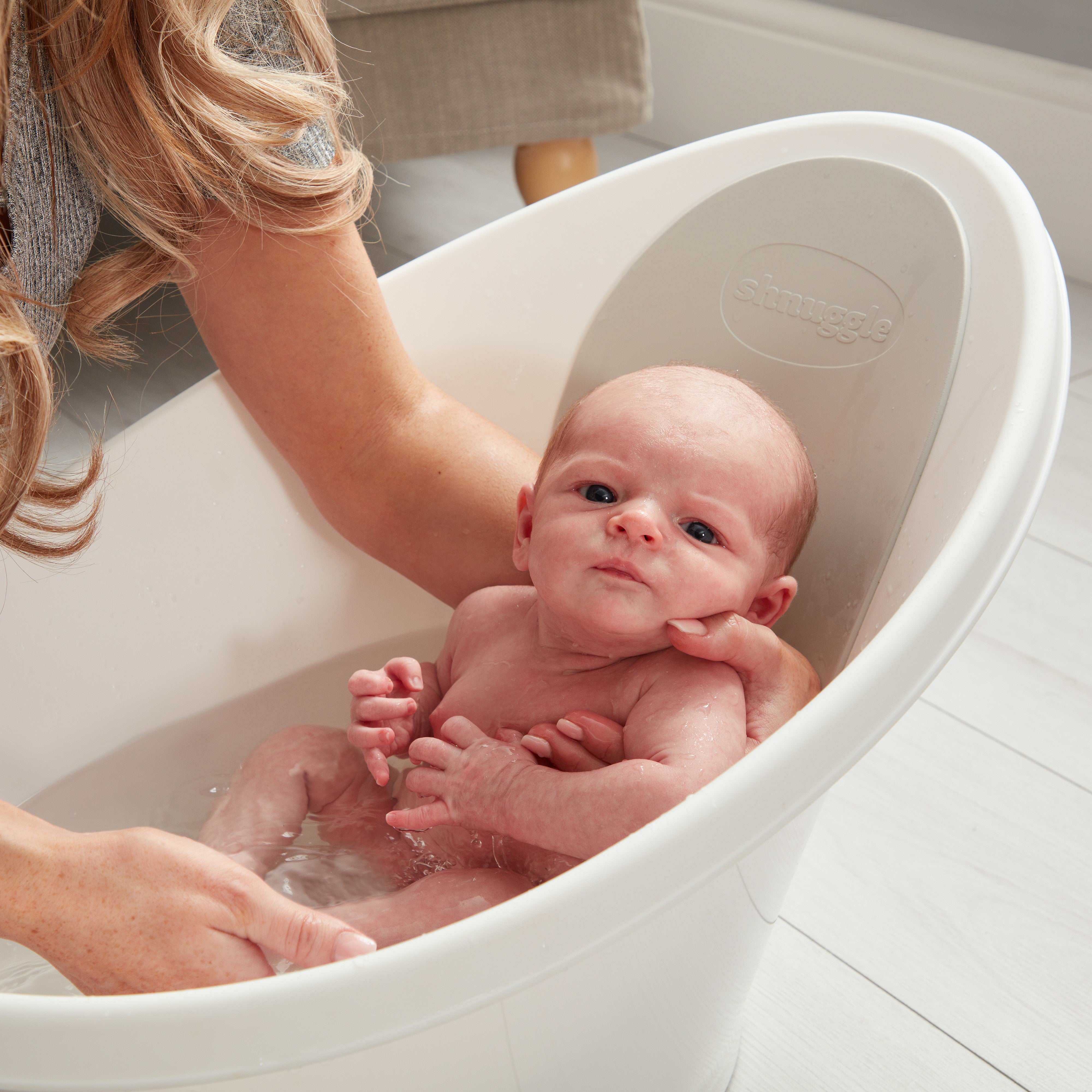
Always keep one hand on your baby’s body—specifically supporting the head and neck—with the other hand free for washing. This “one-hand rule” prevents slips that could submerge your baby’s face. When reaching for supplies, tuck your baby securely against your chest with their head protected before letting go with your supporting hand.
Bath Time Duration Guidelines by Age
Newborns (0-3 months): 5-7 minutes maximum
Infants (3-6 months): 7-10 minutes
Older infants (6+ months): 10-15 minutes
Time your baths with a visible clock—many parents unknowingly extend baths beyond safe limits when their baby seems to enjoy the water. Remember that water cools about 1°F every 2 minutes, so even if you started at 99°F, a 10-minute bath could end at 94°F, dangerously cold for a newborn.
Common Temperature Mistakes Even Experienced Parents Make
The “Just a Little Hotter” Trap
Many parents gradually increase bath temperature because their baby seems to enjoy warmer water. This dangerous habit desensitizes your baby’s skin and increases burn risk. Stick firmly to the 98-100°F range—your baby’s enjoyment should come from the sensory experience, not excessive warmth.
Ignoring Water Heater Safety
Set your home’s water heater to 120°F maximum. At 130°F, water can cause third-degree burns in 30 seconds for a child. Test your tap water temperature regularly with a thermometer—many heaters drift warmer over time without your knowledge.
Mastering the perfect temperature to bathe a newborn transforms bath time from a stressful chore into a peaceful bonding ritual. Remember that consistency matters more than perfection—your baby will adapt to your routine as long as you stay within the safe 98-100°F range. Keep a bath thermometer visible near your changing station for the first few months until temperature testing becomes automatic. Most importantly, trust your instincts: if something feels off about the water temperature, it probably is. With these guidelines, you’ll soon navigate bath time with confidence, knowing you’re providing the ideal thermal environment for your little one’s safety and comfort. Before you know it, those anxious first baths will become cherished moments of connection in your parenting journey.
Leave a Reply