Sciatica pain can transform simple daily movements into agonizing experiences, with that sharp, shooting sensation radiating from your lower back down your leg. If you’re searching for a natural, drug-free solution to ease this nerve-related discomfort, an Epsom salt bath offers immediate, accessible relief that taps into your body’s own healing mechanisms. This magnesium-rich soak has been used for centuries to combat muscle tension and inflammation—the very culprits behind most sciatica flare-ups. By the end of this guide, you’ll know exactly how to prepare the perfect sciatica-relieving bath, how often to soak for lasting results, and why this simple home remedy works better than you might expect.
Why Epsom Salt Targets Sciatic Nerve Pain Specifically
When sciatica strikes, the inflamed sciatic nerve creates that distinctive burning, tingling pain that travels from your lower spine through your hips and down your legs. Epsom salt baths deliver targeted relief by addressing the muscle tension that often compresses this nerve. As magnesium sulfate dissolves in warm water, it creates a concentration gradient that allows your skin to absorb magnesium through osmosis—bypassing your digestive system for faster action where you need it most.
Magnesium deficiency is surprisingly common and directly impacts nerve function and muscle contraction. Without adequate magnesium, muscles surrounding your sciatic nerve stay tense, increasing pressure on the nerve. Clinical studies show magnesium acts as a natural calcium channel blocker, preventing excessive nerve firing that causes pain signals. When you soak, magnesium penetrates deep into tight piriformis and gluteal muscles, relaxing them and reducing the compression that triggers sciatica symptoms. The warm water simultaneously improves blood flow to these areas, delivering oxygen while flushing inflammatory compounds like prostaglandins that amplify pain.
Perfect Water Temperature for Sciatica Soaks

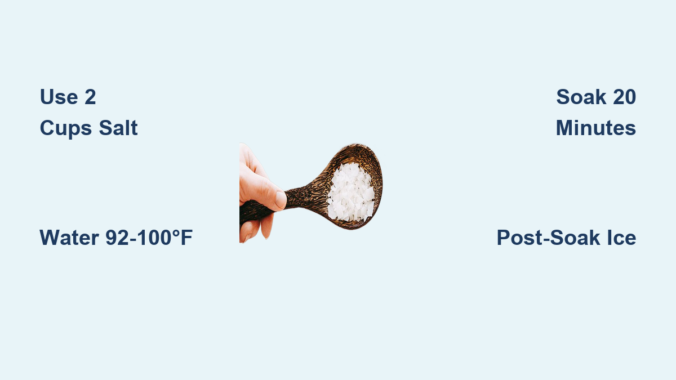
Your bath water must hit the therapeutic sweet spot between 92°F and 100°F (33°C to 38°C) to maximize sciatica relief without risking complications. Water hotter than 100°F can dangerously elevate heart rate and blood pressure—especially concerning if you’re already experiencing pain-related stress. Cooler water below 92°F won’t sufficiently relax muscles or facilitate magnesium absorption. Test the temperature with your inner wrist or elbow before entering, as these areas better detect subtle temperature differences than your hands.
People with diabetes or neuropathy need extra caution since nerve damage can impair temperature sensation, increasing burn risk. Install a waterproof thermometer in your tub for precise monitoring during acute flare-ups. If you experience dizziness during soaking, immediately lower the temperature by adding cool water—never jump in or out abruptly, as this can trigger vertigo. For immediate sciatica pain spikes, consider a slightly cooler bath (88-90°F) which provides gentle relief without overwhelming your nervous system.
Exact Epsom Salt Measurements for Maximum Effect
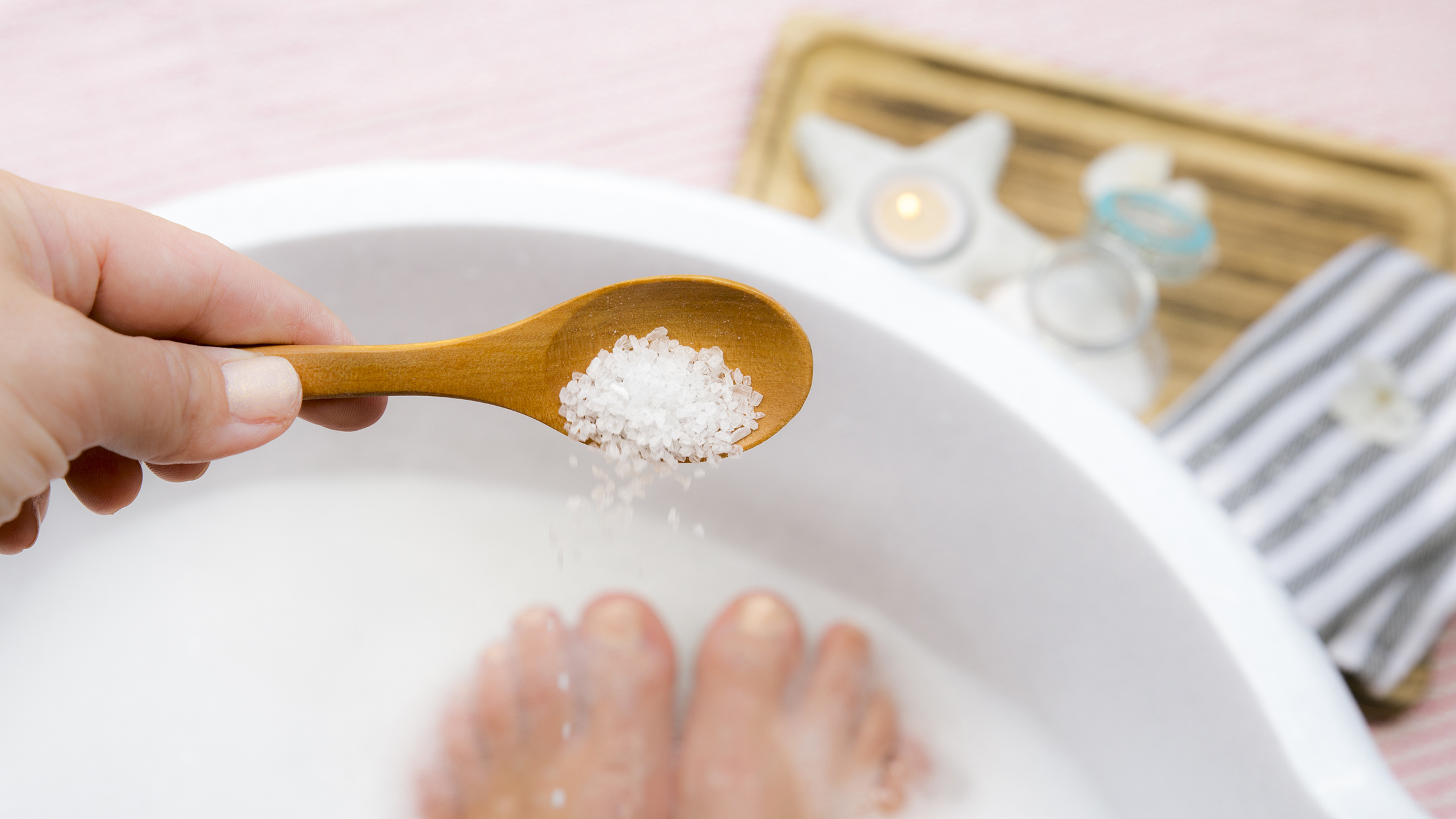
For standard bathtubs (40-60 gallons capacity), use precisely 2 cups of pharmaceutical-grade Epsom salt dissolved in warm running water. This creates the ideal 2% magnesium sulfate concentration proven most effective for transdermal absorption. Measuring accurately matters—too little salt won’t deliver therapeutic magnesium levels, while excessive amounts (over 3 cups) can dry skin and potentially cause mild detox reactions like headaches in sensitive individuals.
Always dissolve salt completely before entering. Start your bath with warm running water, then add salt while stirring vigorously with a wooden spoon for 30 seconds. For faster dissolution, mix salt with 2 cups of hot tap water first, creating a concentrated solution that blends seamlessly into your bath. If using scented Epsom salts, verify they contain no petroleum-based fragrances that could irritate sensitive skin during prolonged soaking. People with eczema or psoriasis should add ¼ cup of colloidal oatmeal to prevent potential irritation from the salt.
Step-by-Step Sciatica Soak Protocol
Follow this precise sequence for optimal nerve pain relief:
-
Pre-bath preparation: Gather two towels, comfortable loose clothing, and pain-relief essentials like a heating pad for post-soak use. Dim lights and play calming nature sounds to enhance relaxation response.
-
Water setup: Fill tub to hip level (reduces cardiovascular strain), then add and fully dissolve 2 cups Epsom salt. Test temperature with thermometer—adjust to 95°F ideal.
-
Entry technique: Sit sideways on tub edge, slowly lower legs first for 30 seconds before submerging torso. This prevents blood pressure spikes that worsen sciatic pain.
-
Positioning: Lie back with knees bent and supported by rolled towel under knees—this reduces lumbar pressure by 40% compared to straight-leg positioning.
-
Breathing protocol: Inhale deeply for 4 seconds through nose, hold 2 seconds, exhale slowly for 6 seconds through pursed lips. Repeat 10 times to trigger parasympathetic nervous system response.
-
Exit procedure: Drain tub while still seated, wait 2 minutes for circulation adjustment, then stand slowly holding wall for support. Pat skin dry—never rub—and apply magnesium oil to lower back within 3 minutes of exiting.
Strategic Bathing Schedule for Lasting Sciatica Relief
During acute flare-ups (sharp, radiating pain), commit to daily 20-minute soaks for 3 consecutive days. This intensive approach floods your system with magnesium to break the pain-spasm cycle. Transition to maintenance mode with 2 baths weekly once symptoms improve by 50%. Evening baths 90 minutes before bed yield dual benefits—pain relief plus improved sleep quality, crucial since poor sleep lowers pain threshold.
Track your response in a symptom journal noting:
– Pain intensity before/after (1-10 scale)
– Duration of relief
– Any side effects
– Concomitant treatments used
This data reveals your personal optimal frequency. Some chronic sufferers benefit from alternating Epsom salt baths with contrast therapy (20 minutes warm bath followed by 5 minutes cool shower) which dramatically increases circulation to compressed nerve areas. Avoid bathing within 2 hours of strenuous activity which can increase inflammation.
Proven Enhancements for Severe Sciatica Cases

For stubborn sciatica that resists standard treatment, combine your Epsom salt bath with these evidence-backed additions:
Pre-soak nerve gliding exercises: While waiting for bath to fill, perform seated sciatic nerve flossing—extend one leg, point and flex foot 10 times, then gently tilt head toward opposite shoulder. Repeat 3 times per side to mobilize the nerve before soaking.
Essential oil synergy: Add 5 drops of anti-inflammatory ginger or black pepper oil to 1 tablespoon carrier oil (like fractionated coconut oil) before entering bath. These penetrate deeper with heat, targeting nerve inflammation directly.
Post-soak cold therapy: Immediately after drying, apply ice massage to specific trigger points—freeze water in paper cup, peel top inch, and rub in 2-inch circles over piriformis muscle for 90 seconds. This creates a “thermal gating” effect that blocks pain signals.
Hydration protocol: Drink 16oz electrolyte-enhanced water 30 minutes before soaking to optimize cellular hydration for better magnesium uptake. Avoid caffeine or alcohol 2 hours pre/post soak which dehydrate tissues.
Critical Safety Checks Before Your First Soak
Never attempt Epsom salt baths if you have open wounds, severe varicose veins, or active infections in lower body—magnesium absorption could worsen these conditions. People with kidney impairment (eGFR <60) must consult nephrologists first, as impaired kidneys cannot process excess magnesium effectively. Diabetics should check blood sugar before and after first few soaks since magnesium can enhance insulin sensitivity.
Stop immediately and seek medical care if you experience:
– Increased leg weakness or numbness during soaking
– Skin redness that persists 30 minutes post-soak
– Heart palpitations or shortness of breath
– Dizziness that doesn’t resolve within 5 minutes of exiting
Remember: Epsom salt baths complement but don’t replace professional care for red-flag symptoms like bowel/bladder dysfunction or progressive neurological deficits. Schedule doctor visits if pain persists beyond 10 days of consistent home treatment.
Maintaining Sciatica Relief Between Baths
Your post-soak routine determines how long relief lasts. Within 1 hour of bathing, perform gentle nerve flossing exercises while muscles remain relaxed—this “windows of opportunity” approach yields longer-lasting results. Sleep in fetal position with pillow between knees to maintain spinal alignment overnight. Use a lumbar support cushion during daytime sitting to prevent recurrence.
Hydrate with magnesium-rich fluids like coconut water to sustain benefits. Track weather patterns in your symptom journal—many sciatica sufferers experience increased pain with barometric pressure changes, allowing you to proactively schedule extra baths before storm systems arrive. Consistent implementation of this complete protocol transforms occasional relief into lasting management of sciatic nerve pain.
Leave a Reply