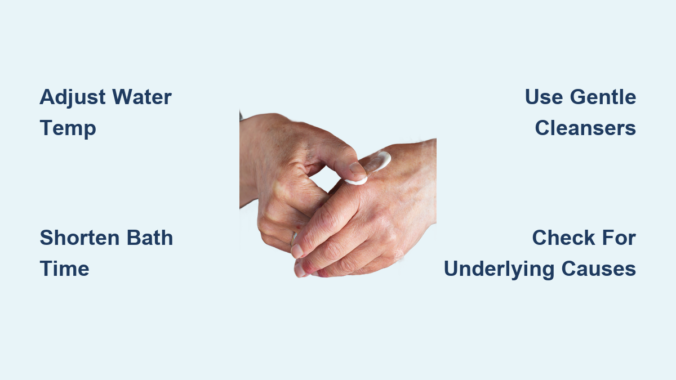
That sudden, maddening itch that grips your hands and feet the moment you step out of the shower transforms what should be a relaxing ritual into pure frustration. If you’ve ever experienced intense tingling, stinging, or burning sensations on your skin immediately after bathing, you’re not alone—thousands struggle with this specific form of water-induced discomfort. This condition, medically known as aquagenic pruritus, targets your extremities precisely because they endure prolonged water exposure during washing routines. Understanding why itchy hands and feet after bath occurs and knowing how to address it can restore comfort to your daily routine without forcing you to skip essential hygiene practices.
Unlike typical skin reactions, this phenomenon creates deep-seated itching that scratching rarely relieves and leaves no visible marks on your skin. You’ll discover the surprising medical conditions sometimes linked to this symptom, learn practical adjustments to your bathing habits that provide immediate relief, and recognize when professional evaluation becomes essential for your health and comfort.
Identify Your Specific Aquagenic Pruritus Pattern
Track Symptoms for Accurate Diagnosis
Pinpointing your exact symptom pattern provides crucial information for effective treatment. Itchy hands and feet after bath typically begin within minutes of water contact and follow a predictable timeline—most people experience symptoms for 10 minutes to two hours post-bathing. Document whether your itching feels like deep stinging similar to insect bites, persistent “pins and needles” sensations, or intense burning that disrupts your ability to focus on tasks. Notice if symptoms intensify when specific areas like palms or soles receive direct water flow during your shower routine.
Record your symptom timeline in a simple log:
– Onset time: How many minutes after water contact does itching begin?
– Peak intensity: When does the itching feel most severe?
– Duration: How long until symptoms completely subside?
– Triggers: Does hot water worsen symptoms compared to lukewarm?
This tracking helps distinguish aquagenic pruritus from other skin conditions and provides your healthcare provider with valuable diagnostic information without requiring complex testing.
Recognize the Absence of Visible Skin Changes
Crucially, true aquagenic pruritus produces no visible skin reactions—this key distinction separates it from allergic responses or dermatitis. If you notice redness, hives, swelling, or rashes accompanying your itchy hands and feet after bath, another condition like contact dermatitis may be responsible. Aquagenic pruritus creates intense internal sensations while leaving your skin appearance completely normal, which often confuses sufferers who expect visible signs matching their discomfort.
This invisible nature makes the condition particularly frustrating—you can’t show anyone the problem, yet the itching feels intensely real. Understanding this characteristic prevents wasted effort on topical treatments designed for visible skin conditions, which generally provide little relief for aquagenic pruritus since the mechanism differs fundamentally from inflammatory skin disorders.
Modify Bathing Practices for Instant Symptom Reduction
:max_bytes(150000):strip_icc()/how-hot-is-lukewarm-water-1706102_color-04b073687dd648a6a80885e05e4a07c9.gif)
Optimize Water Temperature and Exposure Time
Adjusting two simple factors in your bathing routine often provides immediate relief from itchy hands and feet after bath symptoms. Start by testing different water temperatures to identify your personal tolerance threshold—many sufferers find lukewarm water between 90-95°F (32-35°C) triggers fewer symptoms than hot showers. Reduce your total bathing time by 25-50%, aiming for 5-7 minute showers instead of 10-15 minute sessions, as prolonged water exposure intensifies symptoms for most people.
Implement these practical adjustments today:
– Pre-rinse strategy: Briefly wet your hands and feet first before full-body exposure
– Targeted washing: Wash extremities last to minimize their water contact duration
– Temperature transition: Gradually decrease water temperature during your shower
– Post-bath protocol: Immediately towel-dry hands and feet using gentle patting motions
These modifications require no special products or equipment yet often reduce symptom severity by 30-50% within just a few bathing sessions, making them essential first steps before pursuing medical treatments.
Switch to Gentle Cleansing Products
Harsh soaps and exfoliating tools exacerbate itchy hands and feet after bath by compromising your skin’s natural barrier. Replace traditional bar soaps with fragrance-free, pH-balanced liquid cleansers specifically formulated for sensitive skin. Avoid anything containing sulfates, alcohol, or artificial fragrances that strip natural oils and increase skin sensitivity to water triggers. During bathing, use only your hands for cleansing—skip loofahs, washcloths, or scrubbing brushes that create microscopic skin abrasions.
Apply these product guidelines:
– Cleanser selection: Choose hypoallergenic options with ceramides or colloidal oatmeal
– Application method: Lather cleanser on less sensitive areas first before minimal hand/foot contact
– Rinse technique: Use lower water pressure when rinsing extremities
– Moisturizing timing: Apply fragrance-free moisturizer within 3 minutes of bathing while skin remains slightly damp
These changes protect your skin’s protective barrier, reducing nerve ending exposure to water triggers that cause aquagenic pruritus symptoms.
Address Underlying Medical Causes Promptly
Screen for Serious Blood and Liver Conditions
Itchy hands and feet after bath sometimes signals underlying health issues requiring medical intervention. Polycythemia vera—a blood cancer causing excessive red blood cell production—frequently presents with aquagenic pruritus as an early symptom, particularly after water exposure. Similarly, hepatitis C infection has strong medical documentation linking it to water-induced itching through liver function disruption. These connections make professional evaluation essential rather than optional when symptoms persist.
Consult your healthcare provider immediately if you experience:
– Additional symptoms: Unexplained fatigue, abdominal discomfort, or easy bruising
– Symptom progression: Increasing severity or duration beyond two hours
– No improvement: Lack of relief after implementing bathing modifications
– Family history: Blood disorders or liver conditions in close relatives
Early detection of these underlying conditions significantly improves treatment outcomes, making medical consultation critical when home remedies fail to provide adequate relief.
Implement Targeted Medical Treatments
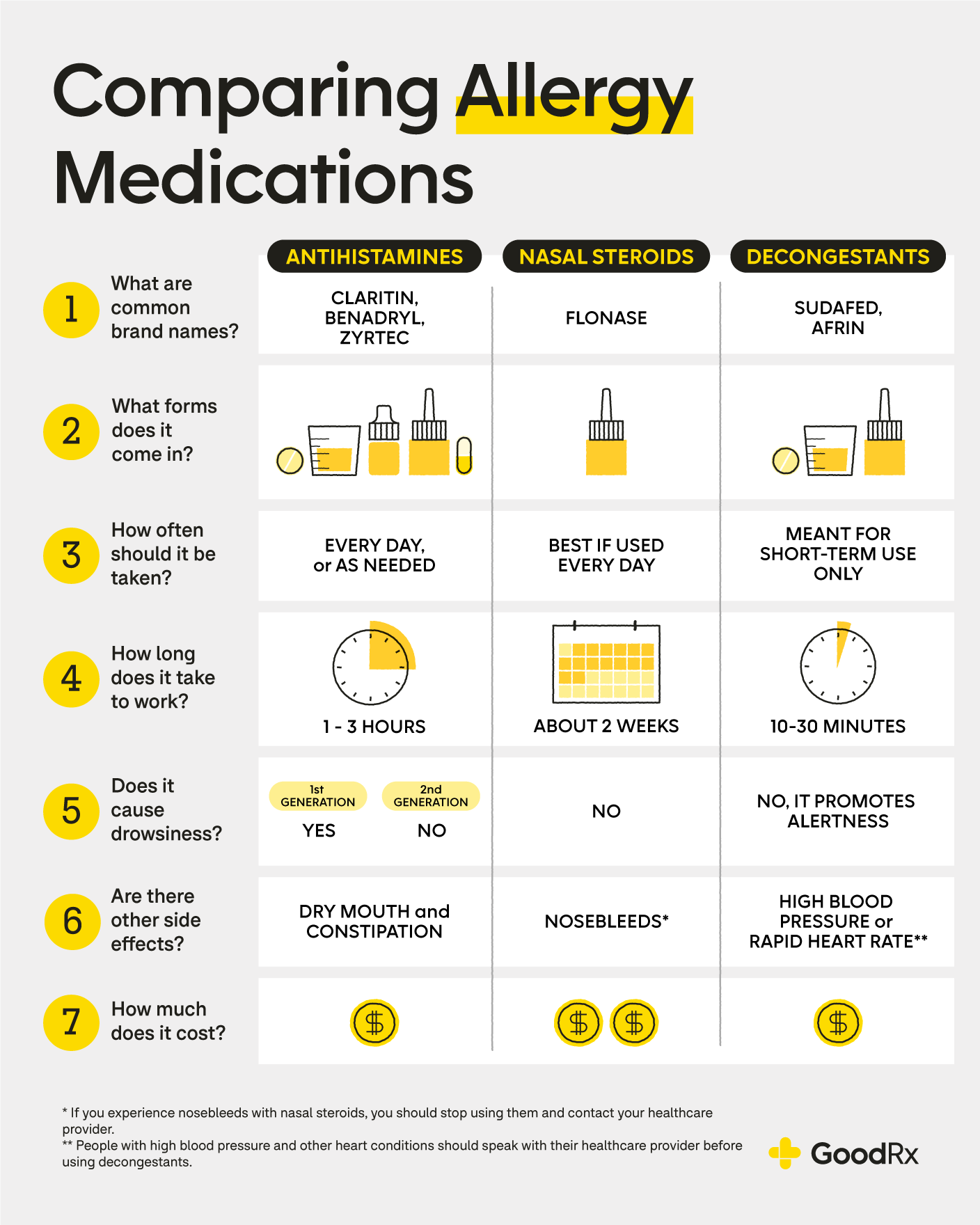
When self-care adjustments prove insufficient, specific medical treatments effectively manage itchy hands and feet after bath symptoms. Antihistamines represent the first-line pharmaceutical approach, with many patients achieving significant relief through preemptive dosing 30-60 minutes before bathing. Non-sedating options like cetirizine work well for daytime showers, while sedating varieties like hydroxyzine help prevent nighttime symptom recurrence.
Your healthcare provider might recommend:
– Antihistamine rotation: Trying different types to find your most effective option
– Pre-bath dosing schedule: Timing medication to peak effectiveness during water exposure
– Underlying condition treatment: Specialized therapies if polycythemia vera or hepatitis C is diagnosed
– Medication review: Identifying potential triggers like certain antidepressants or antimalarials
Do not attempt self-medication—work with your provider to determine the safest, most effective treatment plan based on your complete medical history and symptom pattern.
Prevent Long-Term Complications Through Proactive Management

Establish Daily Skin Protection Habits
Maintaining skin barrier integrity between bathing episodes reduces overall sensitivity to water triggers. Apply fragrance-free moisturizers containing ceramides or hyaluronic acid twice daily—morning and evening—to create a protective layer that minimizes nerve ending exposure. Choose cotton gloves for household chores to avoid additional chemical triggers that compound your bathing-related symptoms. Stay consistently hydrated by drinking adequate water throughout the day, as internal hydration supports skin resilience against external triggers.
Integrate these protective measures:
– Moisturizing routine: Apply immediately after hand washing and before bed
– Fabric choices: Wear soft, natural fibers that minimize skin irritation
– Environmental control: Use humidifiers during dry seasons to prevent skin dehydration
– Trigger journaling: Note connections between daily activities and symptom severity
These habits create cumulative protection that gradually reduces your skin’s reactivity to water exposure over time.
Know When to Escalate Medical Care
Persistent itchy hands and feet after bath symptoms that disrupt your sleep, work, or mental health warrant specialist consultation. If over-the-counter antihistamines provide less than 50% symptom reduction after two weeks of proper use, request referral to a dermatologist with experience in rare pruritus conditions. Seek immediate evaluation if you develop additional symptoms like unexplained weight loss, night sweats, or changes in urine color that might indicate underlying systemic conditions.
Never ignore these warning signs:
– Symptoms lasting longer than two hours consistently
– Itching that spreads beyond hands and feet to other body areas
– Visible skin changes accompanying the itching sensation
– Significant impact on your ability to maintain basic hygiene routines
Early specialist intervention often identifies treatable causes and prevents unnecessary suffering that could otherwise persist for months or years.
Living with itchy hands and feet after bath doesn’t mean enduring daily discomfort without solutions. By implementing precise bathing modifications, recognizing when medical evaluation becomes essential, and establishing protective skin care habits, you can reclaim comfortable bathing routines. Remember that effective management often requires combining immediate self-care strategies with targeted medical treatments when necessary—this dual approach provides the most comprehensive relief for aquagenic pruritus symptoms. Take action today by tracking your symptoms and consulting your healthcare provider to develop a personalized plan that stops the itching and restores peace to your post-bath routine.
Leave a Reply