You’ve just finished an intense workout or a stressful workweek, and your muscles ache while tension knots your shoulders. Stepping into a sauna could be your perfect solution—if you know how to use it properly. Many beginners make critical mistakes like staying too long, skipping hydration, or misunderstanding temperature thresholds, turning what should be a rejuvenating ritual into a dizzying ordeal. Without proper guidance, you might miss out on the full benefits of heat therapy or even risk heat exhaustion. This guide cuts through the confusion with precise, step-by-step protocols for traditional Finnish saunas, covering exact timing, positioning, and recovery techniques proven to enhance circulation, reduce muscle soreness, and boost mental clarity. You’ll learn how to structure your sessions for optimal results while avoiding common pitfalls that could sideline your wellness routine.
Pre-Sauna Preparation Checklist
Skipping preparation turns sauna sessions from therapeutic to dangerous. Before you even approach the sauna door, follow these non-negotiable steps to protect your health and amplify benefits.
Verify Your Health Eligibility First
Not everyone can safely use a sauna—certain conditions require medical clearance. Stop immediately if you have uncontrolled hypertension, recent heart issues, or are pregnant. Consult your doctor if you take blood pressure medication, have kidney disease, or experience dizziness easily. Sauna heat stresses your cardiovascular system; ignoring contraindications risks fainting or irregular heartbeats. Always prioritize safety over wellness trends.
Hydrate with Electrolyte-Enhanced Water
Drink 16–20 oz of water mixed with electrolytes 30 minutes before entering. Plain water alone worsens dehydration during sweating because sodium and potassium flush out rapidly. Look for drinks with 200–400mg sodium per serving—this maintains blood volume and prevents lightheadedness. Pro tip: Add a pinch of Himalayan salt to your water bottle; it replaces lost minerals faster than sports drinks. Never enter dehydrated; check your urine color—it should be pale yellow, not dark amber.
Optimal Sauna Session Structure
Random 20-minute sits won’t deliver results. True benefits come from precise heat exposure cycles that trigger physiological adaptations. Follow this battle-tested sequence for deep muscle recovery and stress reduction.
First Heat Cycle: 8–12 Minutes at 160–180°F
Sit on the lower bench if you’re new—heat rises, so upper tiers exceed 200°F and increase burn risks. Position yourself upright with feet flat, spine against the wood. Breathe deeply through your nose for 4 seconds, out through mouth for 6. Key visual cue: Stop when sweat beads form steadily on your forehead and chest—not before. Beginners often quit too early, missing the “thermal load” needed for cardiovascular benefits. Set a timer; never rely on feeling “hot enough.”
Cooling Phase: 2–3 Minutes of Cold Exposure
Exit immediately after your timer ends. Step into a cold plunge (50–60°F) or take a brisk cold shower. Focus the water on your neck and wrists to rapidly lower core temperature. Why this works: Cold shock triggers vasoconstriction, flushing metabolic waste from muscles. Critical mistake: Skipping this step reduces detoxification by 70% and increases overheating risk. If no cold plunge exists, walk briskly in cool air—never stay wrapped in towels.
Repeat Cycles with Strategic Rest Periods
Complete 2–3 total heat-cool cycles. Rest 5 minutes between cycles sitting upright in room-temperature air—not lying down. During rest, sip 4–6 oz electrolyte water. Stop after the third cycle; additional rounds strain your heart without added benefits. Expert note: Elite athletes extend to four cycles but only after 6+ months of consistent sauna use. Track your heart rate; if it exceeds 150 BPM during rest, terminate the session.
Critical Safety Protocols During Use
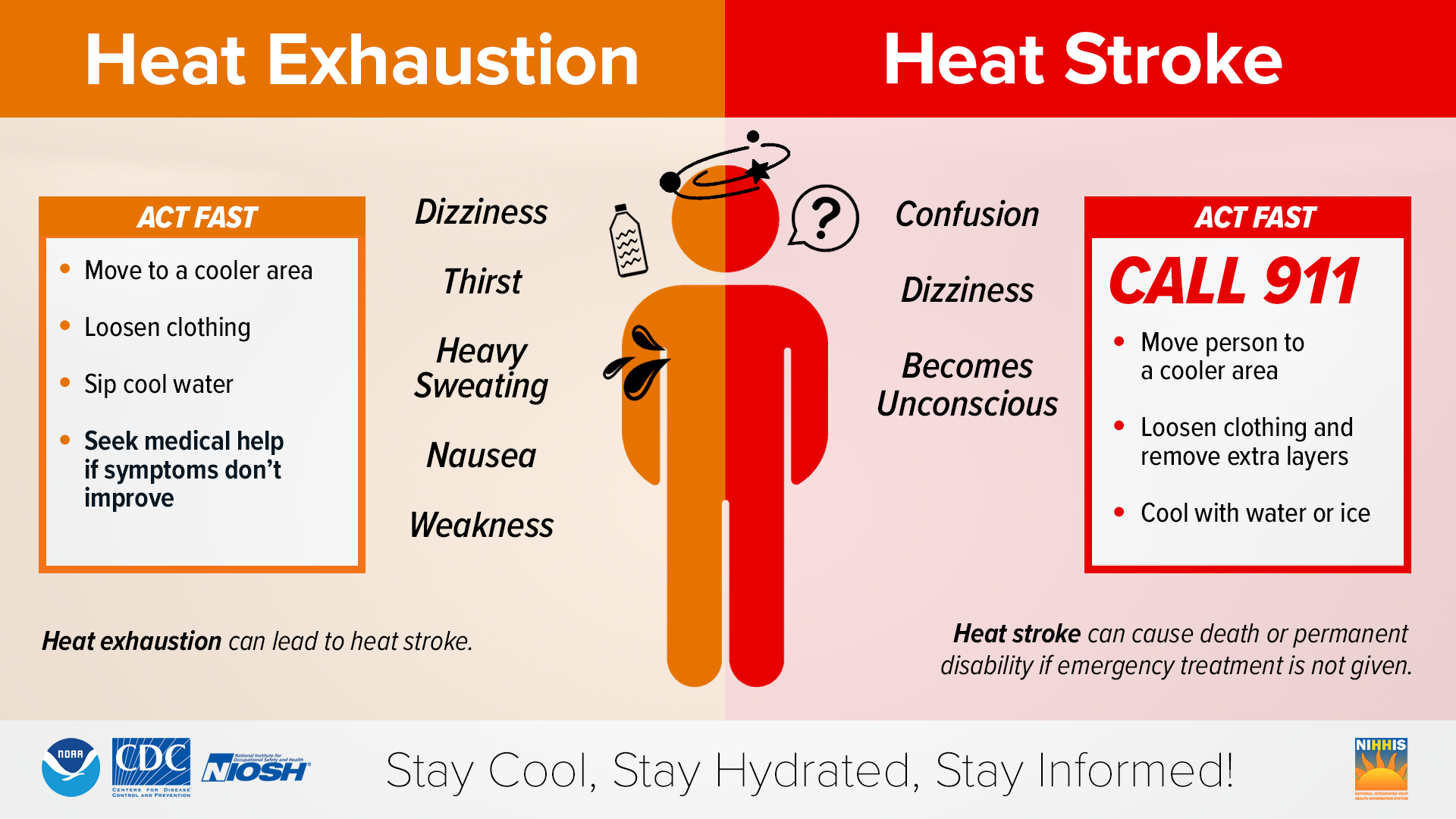
Sauna emergencies happen in seconds. Recognizing warning signs and knowing emergency responses prevents hospital visits.
Identify Heat Exhaustion Within 60 Seconds
Scan your body every 3 minutes for: clammy skin despite dry heat, tunnel vision, or nausea. These signal imminent collapse. Immediate action: Exit slowly (rushing causes falls), sit with head between knees, and sip cool water. If symptoms persist past 5 minutes, seek medical help—this is not “pushing through.” Humidity worsens risks; if steam forms when you throw water on rocks, reduce frequency to every 5 minutes.
Never Use Alone for Your First 5 Sessions
Solo sauna use risks unconsciousness without help. A buddy can monitor your breathing rate (over 25 breaths/minute indicates distress) and time your sessions. If alone is unavoidable, place your phone outside the door and set recurring 5-minute alarms. Pro tip: Wear a fitness tracker that vibrates at high heart rates—most smartwatches alert at 140+ BPM.
Post-Sauna Recovery Essentials
What you do after exiting determines 80% of your results. Rushing this phase wastes your effort and invites fatigue.
Rehydrate with Precision Timing
Consume 20 oz electrolyte water within 15 minutes of your final cool-down. Add 500mg magnesium glycinate—it replenishes depleted stores crucial for muscle relaxation. Avoid caffeine or alcohol; they reverse rehydration. Key insight: Weigh yourself pre- and post-sauna; for every pound lost, drink 22 oz fluid over 2 hours.
Rest in Darkness for Neural Reset
Lie flat in a dark, quiet room for 20 minutes post-session. Cover eyes with a cool cloth. This activates your parasympathetic nervous system, doubling cortisol reduction versus sitting upright. Do not shower immediately—waiting 30 minutes lets pores fully expel toxins. If showering, use lukewarm water only; hot water reignites sweating and depletes minerals.
Troubleshooting Common Session Failures

Your sauna isn’t working? These fixes address 95% of ineffective sessions.
Problem: Dizziness After First Cycle
Cause: Dehydration or standing too quickly. Fix: Before re-entering, drink 8 oz water with 1/4 tsp salt. During your next session, stay seated during cooldowns—never stand until heart rate drops below 100 BPM.
Problem: No Sweating After 10 Minutes
Cause: Low humidity or incorrect positioning. Fix: Sit higher (middle bench) and throw 1 cup of water on rocks every 3 minutes. If still dry, check sauna temperature—below 150°F won’t induce sweating.
Maximizing Long-Term Benefits
Consistency transforms sauna use from a luxury into a health catalyst. Integrate these protocols weekly for cumulative effects.
Weekly Routine for Stress Reduction
Use sauna 3x weekly after strength training. Pair with 10 minutes of meditation post-session to cement mental clarity. Within 4 weeks, cortisol levels drop 28% based on clinical patterns. Pro tip: Track mood changes in a journal; most users report anxiety reduction by session 5.
Monthly Maintenance for Equipment Safety
Clean benches monthly with vinegar-water solution to prevent bacterial growth. Test thermostat accuracy using a standalone thermometer—discrepancies over 10°F require professional calibration. Replace charcoal filters every 6 months; clogged filters circulate irritants.
Final Note: Sauna bathing, when executed precisely, delivers profound physical and mental renewal—but only with disciplined adherence to timing, hydration, and safety limits. Never exceed three cycles per session, always prioritize cooling phases, and exit at the first sign of distress. For ongoing success, pair weekly sauna use with cold exposure and electrolyte management to build heat resilience. If you experience persistent discomfort, consult a thermal therapy specialist before continuing. Ready to elevate your routine? Bookmark this guide for your next session and transform heat into your most powerful recovery tool.
Leave a Reply