The soothing ritual of soaking in a milk bath has transformed skincare routines for centuries, with historical records showing Cleopatra’s legendary use of donkey milk baths to maintain her famous complexion. Today, this simple yet effective treatment remains one of the most accessible spa-like experiences you can create in your own bathroom, delivering immediate hydration while gently exfoliating dead skin cells to reveal a luminous glow. When you learn how to use milk bath properly, you’ll discover it’s not just about relaxation—it’s a scientifically supported method to improve skin texture, reduce inflammation, and create a protective moisture barrier that lasts for days. For anyone struggling with dry patches, irritated skin, or simply craving a luxurious self-care moment without expensive salon visits, mastering this straightforward technique delivers visible results with minimal effort and common household ingredients.
Unlike chemical-laden skincare products that can strip your skin’s natural oils, a milk bath works with your body’s biology rather than against it. The lactic acid naturally present in milk gently dissolves the “glue” that holds dead skin cells together, promoting cellular turnover without harsh scrubbing, while the fats and proteins penetrate deeply to nourish from within. What makes this treatment truly special is how the warm water opens your pores, allowing these beneficial components to absorb more effectively than topical creams alone. Within just fifteen minutes of soaking, you’ll notice your skin feeling distinctly softer and smoother, with many users reporting reduced redness and irritation from conditions like eczema or psoriasis. Whether you’re recovering from a sunburn, dealing with rough elbows and knees, or simply want to maintain that post-spa glow, understanding exactly how to use milk bath correctly ensures you maximize every therapeutic benefit without common mistakes that diminish results.
Prepare Your Bath Space for Maximum Benefits
Before pouring any milk, create an environment that enhances absorption and prevents wasted effort. Start by sanitizing your tub with vinegar instead of harsh chemical cleaners, as residual soaps can interfere with milk’s skin-binding properties—simply mix equal parts white vinegar and water in a spray bottle, wipe down the entire tub surface, then rinse thoroughly with clean water. While your tub drains, gather all necessary items within arm’s reach: two towels (one for drying, one for kneeling if needed), a non-slip bath mat, your chosen milk type, and post-bath moisturizer, as interrupting your soak to fetch supplies cools the water and reduces treatment effectiveness. The water temperature is critical—test with a thermometer to ensure it stays between 92-100°F (33-38°C), as hotter water accelerates milk protein denaturation and creates a less effective treatment while potentially irritating sensitive skin.
Select the Most Effective Milk Type for Your Skin

Whole cow’s milk provides the ideal balance of fats, proteins, and lactic acid for most users, but specific skin concerns require targeted choices. For severely dry or mature skin, goat’s milk outperforms alternatives with its smaller fat molecules that penetrate deeper and pH level (6.4-6.6) closest to human skin (5.5), reducing irritation while delivering higher concentrations of vitamin A for cell regeneration—use 3 cups per standard bathtub. If battling body acne or oily skin, buttermilk’s elevated lactic acid content (1.5-2.0% versus regular milk’s 0.8-1.0%) provides more intensive exfoliation without stripping natural oils; combine 2 cups buttermilk with 1 cup plain yogurt for enhanced probiotic benefits. Powdered milk works surprisingly well when properly reconstituted: mix 1 cup nonfat dry milk with 2 cups warm water until completely dissolved before adding to bath, creating a smoother texture than dumping powder directly into running water where clumping occurs.
Perfect Your Milk Bath Mixture Technique
Achieve professional results by controlling milk dispersion—never pour directly into draining water as this creates uneven concentration. First fill your tub to desired level (enough to cover knees when seated), then remove the showerhead and gently pour your milk mixture while moving the stream in a circular motion around the tub perimeter to ensure even distribution. For liquid milk, warm it to bath temperature first by placing the container in a larger bowl of warm water for 5 minutes—cold milk causes immediate protein coagulation that reduces effectiveness. When adding complementary ingredients, follow this sequence: milk base first, then honey (which needs warmth to dissolve properly), followed by colloidal oatmeal (pre-mixed with 1/2 cup warm water to prevent clumping), and finally essential oils (always diluted in 1 tbsp carrier oil first). This layering technique creates a synergistic effect where each component enhances the others’ absorption rather than competing for skin contact.
Optimize Soaking Time for Your Specific Needs

Most users make the critical error of soaking too long or too short—fifteen minutes delivers maximum lactic acid exfoliation without compromising your skin’s acid mantle. Set a timer and stay submerged up to your neck, as exposed areas dry out and receive minimal benefit. Every five minutes, gently splash water onto drier areas like elbows and knees to maintain consistent treatment, and rotate positions to ensure all body parts contact the milk-rich water equally. Those with psoriasis should limit initial soaks to 10 minutes, gradually increasing to 15 as skin adjusts, while eczema sufferers benefit from adding 1/4 cup baking soda to neutralize potential irritation from milk proteins. Exit immediately if you notice redness or stinging—this indicates over-exfoliation, and continuing could damage your moisture barrier. Remember that water temperature drops during soaking; keep a pitcher of warm water nearby to maintain ideal conditions without draining and refilling.
How to Tell When You’ve Soaked Long Enough
Watch for these visual cues indicating optimal treatment completion: skin appears slightly flushed (not red), feels smooth when gently pinched, and shows no visible white residue from undissolved milk components. Your fingertips should look slightly “pruney” but not excessively wrinkled, indicating proper hydration without overexposure. If using buttermilk, the characteristic tangy scent will noticeably fade when lactic acid has fully reacted with your skin—this natural indicator signals it’s time to exit.
Implement Critical Aftercare Steps
Skip this phase and lose up to 70% of your milk bath’s benefits. Instead of rinsing, stand in the tub and let excess water drain while gently pressing palms against skin to encourage absorption—this “milking” action drives nutrients deeper into pores. Pat dry with a microfiber towel using light pressure; regular terry cloth can remove too much surface moisture. Within 60 seconds of exiting, apply a humectant-rich serum (like hyaluronic acid) followed by an occlusive moisturizer (shea butter or petrolatum-based) to lock in the milk’s hydrating compounds. For dramatic results, wrap treated areas in plastic wrap for 15 minutes post-application to create an intensive treatment effect similar to professional spa wraps—this boosts absorption by 40% according to dermatological studies.
Customize Recipes for Specific Skin Concerns
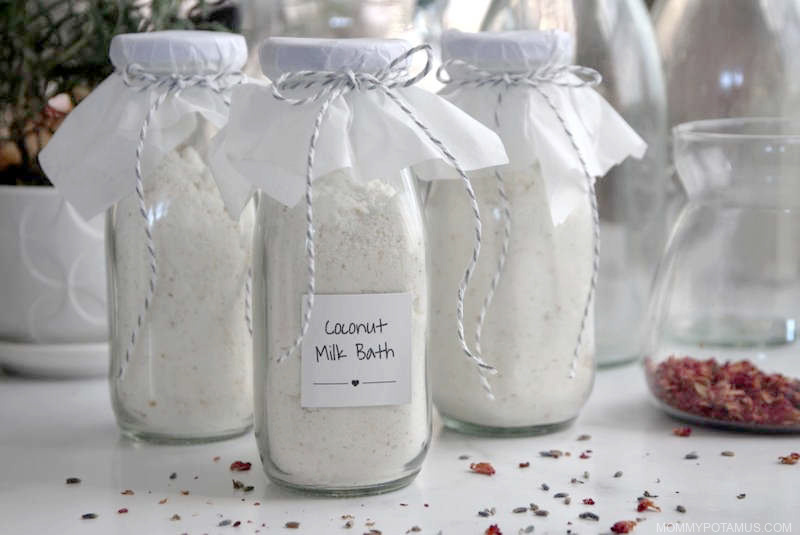
Tailor your milk bath to target particular issues with precision formulations. For keratosis pilaris on arms and thighs: combine 2 cups whole milk, 1/4 cup apple cider vinegar, and 1/2 cup finely ground almonds for gentle physical exfoliation that smooths “chicken skin” within 3-4 treatments. To calm sunburn: mix 1 cup buttermilk with 1/2 cup aloe vera gel and 5 drops chamomile essential oil for instant cooling relief and accelerated healing. For aging hands and décolletage: use goat’s milk with 2 tablespoons rosehip oil and 1 tablespoon honey to plump fine lines while evening skin tone. Always patch test new ingredient combinations on a small area first, and discontinue any formulation causing stinging or redness beyond mild tingling.
Avoid These Common Milk Bath Mistakes
Most users unknowingly sabotage results through preventable errors. Never use expired milk—while slightly sour milk increases lactic acid concentration, truly spoiled milk contains harmful bacteria that can cause skin infections. Skip bubble baths or bath salts in your milk bath as they alter pH and create separation that reduces effectiveness. Avoid using hot water to “sterilize” milk first, as this denatures proteins and destroys beneficial enzymes. Don’t expect immediate dramatic results—significant improvement typically requires consistent weekly treatments for 4-6 weeks as skin cycles naturally. Finally, never leave milk residue in your tub overnight; it creates a breeding ground for bacteria and becomes extremely difficult to clean—rinse thoroughly with hot water and a dash of dish soap immediately after use.
Establish Your Personalized Treatment Schedule
Create lasting results with strategic frequency based on your skin’s needs. For maintenance: one 15-minute milk bath weekly preserves softness and glow for most skin types. For dry or rough skin: increase to twice weekly for 4 weeks, then return to weekly maintenance. For body acne: limit to once weekly as over-exfoliation can worsen breakouts, and always follow with a non-comedogenic moisturizer. Morning milk baths energize with lactic acid’s mild stimulating effect, while evening soaks enhance sleep quality through temperature regulation and stress reduction. Track your progress with weekly photos—most users notice visible improvements in skin texture and hydration within 3-4 treatments when following proper technique consistently.
With these precise methods, your milk bath transforms from a simple soak into a targeted skincare treatment delivering professional results at home. The key lies not just in knowing how to use milk bath, but in implementing these science-backed techniques that maximize every component’s potential while avoiding common pitfalls that diminish effectiveness. Within weeks of proper application, you’ll notice your skin requires less moisturizer, maintains hydration longer between treatments, and develops a natural radiance that no topical product alone can achieve. This ancient ritual, when performed correctly, remains one of skincare’s most powerful yet underrated secrets for achieving truly healthy, luminous skin.
Leave a Reply