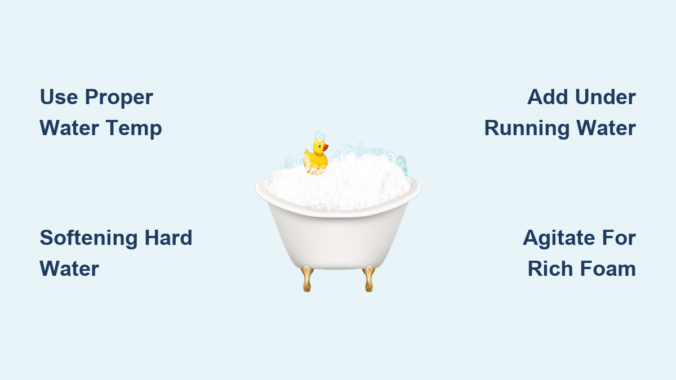
Nothing transforms an ordinary bath into a luxurious escape quite like a perfectly executed bubble bath. Yet many people struggle with flat water, disappointing foam, or skin irritation simply because they don’t know how to use bubble bath properly. The secret lies not in just pouring product under running water, but in understanding the science of bubbles, water chemistry, and proper technique.
Mastering how to use bubble bath correctly means enjoying consistently rich, long-lasting foam that relaxes your muscles, soothes your senses, and makes bath time something to anticipate rather than rush through. Whether you’re unwinding after work, creating magic for your children, or treating yourself to a spa-like experience at home, the right approach makes all the difference.
This guide reveals professional techniques most people never learn—how water temperature affects bubble stability, why hard water sabotages your foam, and exactly when to add product for maximum effect. You’ll discover why simply pouring bubble bath into an empty tub creates disaster, how to extend bubble life by 50%, and crucial safety considerations many overlook.
Choose the Right Bubble Bath Product for Your Skin Type
Selecting the appropriate bubble bath makes or breaks your experience. Standard drugstore formulas containing sodium lauryl sulfate create abundant but short-lived bubbles and often leave skin feeling tight. These budget-friendly options ($3-$10) work for occasional use but lack the stability of premium formulations.
For sensitive skin or frequent bathing, invest in products with sodium lauryl sulfoacetate (SLSA), which produces luxurious, long-lasting foam without stripping natural oils. Look for added moisturizers like glycerin, aloe vera, or vitamin E that counteract potential dryness. If you have eczema or reactive skin, choose fragrance-free options with minimal ingredients—baby formulas often work well for adults with sensitivities.
Children require special tear-free formulas with milder surfactants. Never use adult bubble baths for kids—ingredients safe for mature skin can irritate young skin or cause significant discomfort if splashed in eyes. Always check age recommendations on packaging, as many products specify minimum ages due to sensitivity concerns.
Prepare Your Bathwater to Maximize Bubble Production
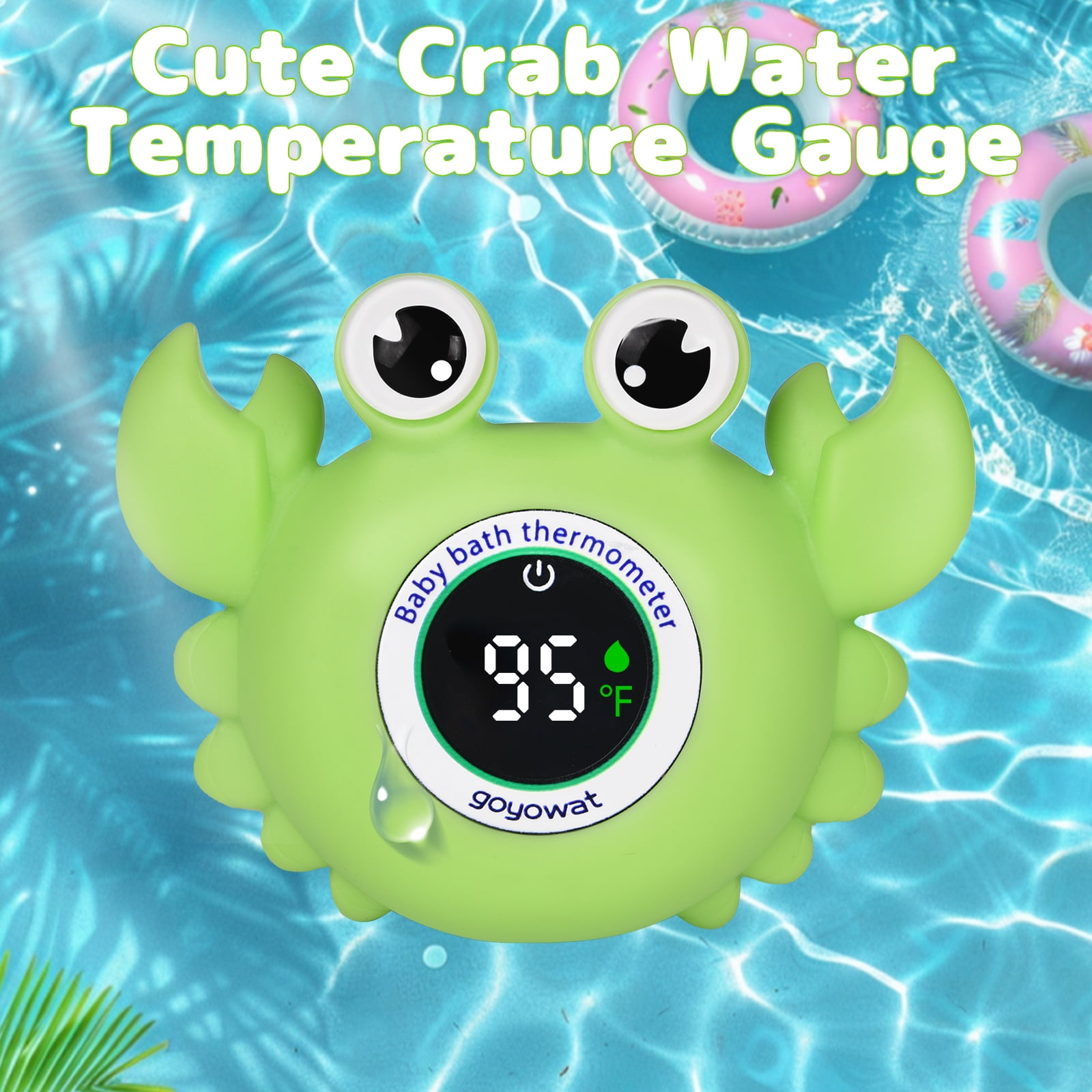
Water temperature dramatically impacts bubble formation and longevity. Fill your tub with water between 98-104°F (36.5-40°C)—too cold inhibits surfactant activity, while water above 104°F destabilizes bubbles rapidly. Test with a thermometer or your elbow (more temperature-sensitive than hands) before adding product.
Hard water with high mineral content is the silent bubble killer in many households. Calcium and magnesium ions interfere with surfactant action, resulting in minimal foam that disappears quickly. If you suspect hard water, try these solutions:
- Add 1-2 tablespoons of baking soda to soften water
- Install a simple water softening filter for your faucet
- Use distilled water for particularly stubborn cases
Fill the tub to 4-6 inches below the overflow drain before adding bubble bath. Adding product to an empty tub creates excessive foam that overflows when you enter—always fill first, then add product beneath the running water stream.
Add and Activate Bubble Bath for Luxurious, Long-Lasting Foam
Getting the dosage right separates mediocre baths from exceptional ones. Start with 1-2 capfuls (15-30ml) for a standard tub, but adjust based on your product’s concentration. Concentrated formulas may need only half a capful, while weaker products might require three. Over-application creates slippery surfaces and potential skin irritation.
Follow this precise sequence for maximum bubbles:
1. Fill tub to desired level with properly heated water
2. Add measured bubble bath directly under running water
3. Increase water flow temporarily or swirl water vigorously for 30-60 seconds
4. Allow faucet to run at surface level for extra air incorporation
5. Turn off water and let bubbles stabilize for 2-3 minutes before entering
Boost bubble performance with these professional tricks:
– Pre-mix product with warm water in a separate container before adding
– Use a slotted spoon or bubble wand for controlled agitation
– Add a tablespoon of baking soda to hard water before adding bubble bath
Optimize Your Bathing Experience for Maximum Relaxation
Timing matters when you want to enjoy bubbles throughout your bath. Stay in the tub for 15-30 minutes—the sweet spot for muscle relaxation without excessive skin drying. Enter slowly to minimize bubble displacement, and avoid vigorous splashing once settled. If foam decreases significantly, add a small amount of product with gentle agitation to refresh it.
Children’s bubble baths should last 10-20 minutes with constant supervision. Their skin is more sensitive to heat and chemicals, so maintain water at 95-100°F (35-38°C). Make it fun with bubble wands and colorful products, but establish clear boundaries about water play to prevent accidental ingestion.
For therapeutic benefits, match your bubble bath to your goal:
– Stress relief: Warm water, lavender/chamomile scents, dim lighting
– Energy boost: Slightly cooler water, citrus/peppermint scents, morning timing
– Sleep preparation: Warm water 1-2 hours before bedtime with calming scents
Care for Your Skin After Bubble Bath to Prevent Dryness
Surprisingly, what you do after exiting the tub affects how your skin feels for hours. Gently pat (don’t rub) with a soft towel, leaving skin slightly damp to lock in moisture. Apply moisturizer within 3-5 minutes while your skin is still hydrated—thicker creams work better than lotions for sealing in moisture.
Pay special attention to dry-prone areas like elbows, knees, and shins. If your skin feels tight or appears red after bathing, your current product likely doesn’t suit your skin type. Switch to a gentler, fragrance-free formula and consider adding colloidal oatmeal to your next bath for soothing relief.
Troubleshoot Common Bubble Bath Problems in Minutes
Why Your Bubble Bath Produces Few Bubbles
When your water remains stubbornly flat, diagnose systematically:
– Water temperature below 98°F reduces surfactant activity
– Hard water minerals interfere with bubble formation
– Insufficient agitation during filling prevents air incorporation
– Product may be expired or improperly stored
Solution: Increase temperature, soften water, agitate more vigorously, or try a fresh product. Premium formulations with SLSA typically outperform basic SLS products in challenging conditions.
Why Bubbles Disappear Too Quickly
Bubbles that vanish within minutes indicate several possible issues:
– Water temperature exceeding 104°F destabilizes foam
– Excessive movement during bathing breaks down bubbles
– Under-dosing creates unstable foam structure
– High mineral content in your water
Fix this by slightly reducing temperature, minimizing splashing, increasing product quantity, or using distilled water for your next bath.
Store Products Properly and Extend Product Life
Preserve bubble bath effectiveness with proper storage. Keep bottles tightly sealed to prevent evaporation and contamination, and store upright away from extreme temperatures—bathrooms with steam exposure or garages with temperature swings degrade product quality. Check expiration dates regularly; while most products last 2-3 years, effectiveness diminishes over time.
Use economically without sacrificing quality by measuring doses accurately with provided caps or spoons. Adjust quantities based on your water conditions—soft water often requires less product. Concentrate formulas offer better value per use despite higher upfront costs.
Stay Safe During Bubble Bath Use: Critical Guidelines

Never leave children unattended during bubble baths—drowning risk exists even in shallow water with minimal bubbles. Keep products out of reach to prevent accidental ingestion, which can cause nausea or vomiting. Use non-slip mats inside and outside the tub, and avoid electrical appliances near water.
Certain conditions require modified bubble bath practices:
– Cardiovascular issues: Consult your doctor about safe temperatures
– Diabetes: Test water carefully and limit duration due to circulation concerns
– Pregnancy: Avoid very hot water and limit baths to 15-20 minutes
– Open wounds or skin infections: Skip bubble baths until healed
If skin irritation persists after switching to gentle products, consult a dermatologist—you may have an underlying condition or specific allergy requiring professional attention.
Transform Bathing into Genuine Self-Care Ritual
Elevate your bubble bath from routine task to meaningful self-care by treating it as non-negotiable “you time.” Schedule regular sessions, prepare your space in advance, and disconnect from devices to maximize mental relaxation. Enhance the experience with complementary elements like face masks, calming music, or journaling.
The perfect bubble bath isn’t about extravagant products—it’s about understanding the science behind the foam and applying simple techniques consistently. Start implementing these strategies with your next bath, and experience the difference that proper technique makes. Within minutes, you’ll transform ordinary bathing into a luxurious ritual that leaves you relaxed, refreshed, and looking forward to your next soak.
Leave a Reply