Waking up to aching muscles after an intense workout but dreading the hassle of filling your tub with bags of ice? A converted chest freezer ice bath solves this problem by providing ready-to-use cold therapy whenever you need it. This practical solution eliminates the constant ice purchases and setup time required by traditional methods. By transforming an affordable $150-$400 chest freezer into a dedicated cold plunge, you gain immediate access to therapeutic cold water at precisely controlled temperatures—no more waiting for ice to melt or dealing with inconsistent cooling. Whether you’re an athlete seeking faster recovery or someone exploring cold therapy for mental clarity and reduced inflammation, this guide delivers everything you need to build a reliable home ice bath system that rivals professional setups costing thousands.
Why Chest Freezers Outperform Portable Ice Baths for Cold Therapy

Choosing the right foundation for your ice bath makes all the difference in effectiveness and convenience. Chest freezers beat portable tubs and ice-filled bathtubs in four critical areas that directly impact your cold therapy results.
Temperature consistency eliminates waiting time for your sessions. Unlike ice baths that gradually warm as ice melts, a chest freezer maintains your exact temperature setting 24/7. This means you can step into therapeutic cold water immediately after your workout, first thing in the morning, or whenever recovery timing matters most. The built-in compressor automatically adjusts cooling intensity based on actual water temperature, ensuring your plunge stays within the optimal 50-59°F range without manual intervention.
Cost savings become substantial within months of regular use. While commercial cold plunge units start at $1,500 and often exceed $5,000, a quality chest freezer costs just $150-$400. Factor in ongoing ice costs—typically $3-$5 per session—and the chest freezer pays for itself after just 30-50 sessions. Even with electricity costs of $25-$75 annually, you’ll save hundreds compared to professional alternatives or regular ice purchases.
Superior insulation maintains temperature while reducing energy use. Chest freezer walls and lids are engineered with thick insulation to prevent frost buildup in freezer conditions—properties that work equally well for keeping water cold. This insulation minimizes compressor runtime, lowering electricity costs compared to makeshift cooling solutions. The rectangular shape also maximizes usable water space relative to footprint, allowing full-body immersion in compact dimensions that fit easily in garages or basements.
Long-term reliability supports daily cold therapy habits. These appliances are designed for continuous operation over years, featuring simple mechanical systems with fewer failure points than specialized cold plunge equipment. Replacement parts remain widely available, and the straightforward design makes troubleshooting accessible for most users.
Setting Your Chest Freezer to the Perfect Cold Therapy Temperature
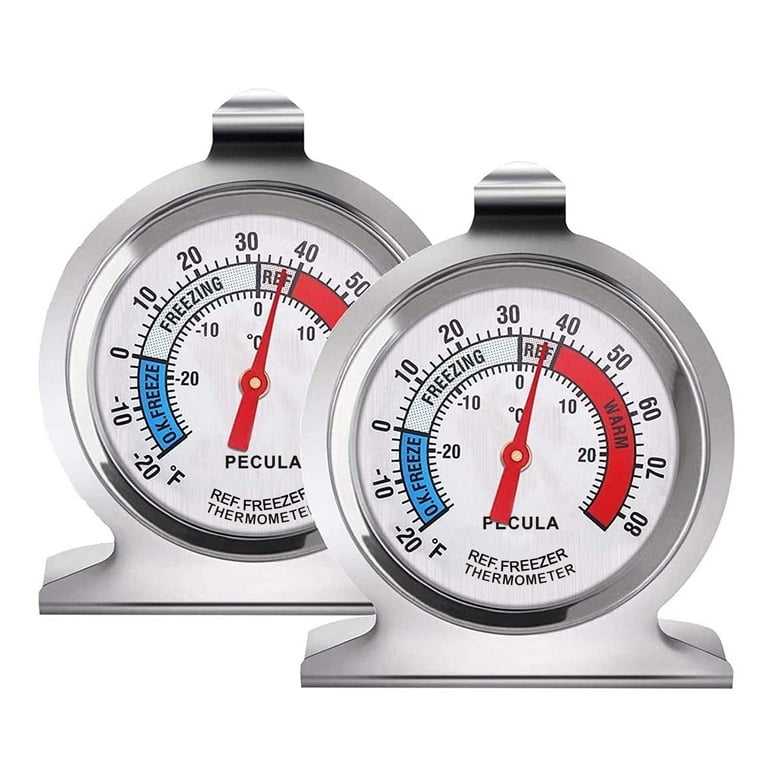
Achieving therapeutic benefits while avoiding risks requires precise temperature control. Your chest freezer’s dial settings rarely match actual water temperatures, making accurate measurement essential for safe, effective sessions.
Calibrate your freezer before adding water. Set the dial to position 3 (mid-range) and let the empty freezer run for 24 hours. Place a waterproof digital thermometer inside to record actual internal temperature. Most chest freezers at setting 3 will stabilize between 28-35°F—far too cold for direct immersion. This calibration establishes your baseline for subsequent adjustments.
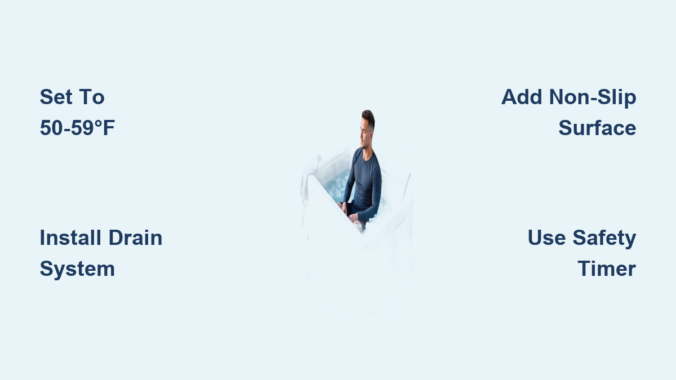
Target the 50-59°F therapeutic range for optimal results. Fill your freezer with water, install your digital thermometer, and gradually adjust the dial upward from position 3. Most users find the ideal setting between 4-6 on a 7-point dial, though this varies by model. Wait 12-24 hours between adjustments to allow full stabilization. At 55-59°F, you’ll experience effective vasoconstriction for recovery while maintaining comfortable tolerability for 10-15 minute sessions.
Use strategic dial adjustments for temperature fine-tuning. If your water stabilizes at 52°F but you prefer 55°F, raise the dial one position. Conversely, if water reaches 62°F, lower the dial incrementally. Remember that ambient room temperature affects performance—garages in summer may require lower dial settings than basements in winter. Track your settings and corresponding water temperatures in a log for future reference.
Essential Modifications for Safe, Comfortable Ice Bath Use
Transforming a chest freezer into a functional ice bath requires three critical modifications that address drainage, safety, and comfort—each taking less than 30 minutes with basic tools.
Install a Permanent Drain System for Easy Water Changes
Bailing out 100+ pounds of water after each use becomes impractical quickly. Adding a drain fitting solves this problem permanently:
- Identify the lowest point on the exterior wall near the freezer’s base
- Drill a ½-inch hole from the outside inward
- Insert a ¾-inch threaded drain fitting with Teflon tape on threads
- Secure with a rubber washer and nut on the interior side
- Attach a standard garden hose connector to the exterior
This $15 modification allows complete water drainage in minutes—simply unscrew the plug and direct the hose to your chosen drainage point.
Create a Non-Slip Surface to Prevent Dangerous Falls
Wet freezer interiors become dangerously slippery when filled with water. Apply these safety measures before first use:
- Install non-slip grip tape along the bottom surface in a grid pattern
- Add a rubber anti-slip mat cut to fit the interior floor
- Place rubberized bath mats along the rim where hands rest during entry/exit
These simple additions prevent the most common ice bath injury—slipping while entering or exiting the cold water.
Add Comfort Enhancements for Sustainable Daily Use
Make your cold therapy sessions more tolerable with these comfort modifications:
- Line the interior rim with pool noodles secured by waterproof adhesive
- Install a small step stool for easier entry and exit
- Place a waterproof timer within easy view inside the lid
- Add a dedicated towel hook nearby for post-plunge drying
These small touches significantly improve user experience, making consistent daily use more likely.
Cold Therapy Safety Protocols Every User Must Follow
Ignoring these critical safety practices turns therapeutic cold exposure into a dangerous activity with potentially serious consequences.
Never exceed 15 minutes at temperatures below 55°F. The numbing effect of cold water masks early warning signs of tissue damage. Set a visible timer and commit to exiting when it sounds—no exceptions. Start with just 2-3 minutes if you’re new to cold therapy, increasing by 30-second increments weekly.
Always have someone nearby during your first 10 sessions. Cold shock response can trigger involuntary gasping, increasing drowning risk if alone. Even experienced users should inform someone when beginning a session, especially at temperatures below 52°F.
Wait at least two hours after eating before cold immersion. Blood flow redirects to the digestive system after meals, and sudden cold exposure can cause dangerous blood pressure fluctuations. Similarly, avoid cold therapy within 30 minutes of intense exercise when your heart rate remains elevated.
Exit immediately if you experience tingling, burning, or uncontrollable shivering. These indicate the onset of cold injury. Never “push through” these sensations—your body is signaling real tissue damage. After exiting, dry off completely and warm up gradually with light movement rather than direct heat sources.
Weekly Maintenance Routine for Crystal-Clear Water
Prevent cloudy water, odors, and bacterial growth with this 15-minute weekly maintenance process that keeps your ice bath hygienic and pleasant to use.
Test and adjust sanitizer levels every 3 days. Use test strips designed for hot tubs to check bromine or chlorine levels. At ice bath temperatures, maintain 3-5 ppm bromine or 1-3 ppm chlorine—higher than standard pool levels due to reduced chemical effectiveness in cold water. Add sanitizer tablets according to your water volume.
Shock the water weekly with non-chlorine oxidizer. This breaks down organic contaminants that sanitizer alone can’t eliminate. Dissolve the recommended dose in a bucket of warm water, then pour evenly across the surface. Run the freezer uncovered for 2 hours afterward to allow proper circulation.
Wipe down interior surfaces during water level checks. Use a soft sponge with diluted vinegar solution to remove any biofilm buildup along the waterline. Pay special attention to corners and seams where contaminants accumulate. Rinse thoroughly with clean water afterward.
Check your drain plug seal monthly. Remove the plug and inspect the rubber gasket for cracks or deformation. Apply petroleum jelly to maintain flexibility and prevent leaks. Replace damaged gaskets immediately to avoid water damage to your flooring.
Cost Comparison: Chest Freezer vs. Professional Cold Plunge

Understanding the true cost picture helps justify your investment and demonstrates why chest freezer conversions dominate the home cold therapy market.
A complete chest freezer ice bath system costs $250-$550 upfront:
– Chest freezer: $150-$400 (10-15 cubic feet)
– Drain modification: $15
– Water treatment supplies: $30
– Comfort accessories: $50
Annual operating costs run $75-$175:
– Electricity: $25-$75
– Water treatment: $50-$100
Compare this to commercial cold plunge units starting at $1,500 with annual electricity costs of $150-$300. Even at moderate use (3 sessions weekly), the chest freezer pays for itself within 6-8 months. The simple mechanical design also means lower repair costs—most issues can be fixed with $20 replacement parts rather than specialized technician visits required for complex commercial units.
Maximizing Recovery Benefits from Your Chest Freezer Ice Bath
Transform your cold therapy from simple recovery tool to performance-enhancing ritual with these science-backed techniques that amplify results.
Time sessions within 30 minutes post-workout for maximum inflammation reduction. Cold exposure immediately after exercise constricts blood vessels, limiting inflammatory response while flushing metabolic waste from working muscles. This narrow window delivers significantly greater recovery benefits than delayed immersion.
Practice controlled breathing for 30 seconds before entering. The Wim Hof breathing method—30 deep inhales followed by complete exhale and breath hold—triggers physiological changes that reduce cold shock response. This simple technique makes colder temperatures more tolerable while enhancing oxygen delivery during your session.
Track your adaptation progress with session logs. Record water temperature, duration, and subjective sensations after each plunge. Most users notice significant improvements in cold tolerance within 2-4 weeks, allowing progression to colder temperatures or longer durations. This data helps optimize your protocol for maximum benefits.
Combine cold therapy with contrast therapy for enhanced circulation. Follow your ice bath with 2-3 minutes of warm shower (not hot), then return to the cold for an additional 2-3 minutes. This vascular “pumping” action significantly boosts circulation benefits compared to cold exposure alone.
A chest freezer ice bath delivers professional-grade cold therapy at a fraction of commercial unit costs when properly configured and maintained. By implementing these precise temperature controls, essential safety protocols, and strategic usage techniques, you’ll create a sustainable cold therapy practice that enhances recovery, reduces inflammation, and supports long-term health goals. Start conservatively with warmer temperatures and shorter durations, then gradually progress as your body adapts—consistency matters far more than extreme conditions for achieving meaningful results.
Leave a Reply