Bath oil transforms your ordinary shower routine into a luxurious spa experience that deeply moisturizes your skin while calming your mind. Unlike bath bombs or bubble baths that wash away, bath oil leaves a protective layer on your skin that continues working long after you step out of the tub. Knowing exactly how to use bath oil properly ensures you receive optimal skin benefits while avoiding common pitfalls like slippery surfaces or ineffective application. When you master the right technique, you’ll notice dramatically softer skin, reduced dryness, and a profound sense of relaxation that regular baths simply can’t provide.
This guide reveals the precise methods for using bath oil effectively—whether you’re combating dry winter skin, seeking stress relief, or simply elevating your self-care ritual. You’ll learn the exact timing for adding oil, the perfect water temperature for maximum absorption, and professional techniques that make every drop count. By the end, you’ll have a repeatable process that turns your bathroom into a personal oasis of hydration and tranquility.
Measure Bath Oil Precisely for Your Tub Size
Using the correct amount of bath oil makes the difference between a perfectly balanced soak and a slippery mess. Too little oil provides minimal benefits, while too much creates excessive residue and wasted product.
Start with manufacturer recommendations as your baseline measurement. Most bath oils require just one to two capfuls (approximately 15-30ml) for a standard bathtub, but this varies significantly by product concentration. Check the label for specific guidance before pouring, as some highly concentrated formulas need only a teaspoon while lighter blends may require more.
Adjust for your specific tub dimensions by considering water volume. A small soaking tub might need only half the recommended amount, while a large whirlpool bath could require 50% more. If uncertain, begin with less oil—you can always add more during your bath if needed—but removing excess once it’s in the water proves nearly impossible.
Use proper measuring tools for accuracy rather than guessing. Keep a small measuring cup or shot glass near your tub specifically for bath oil. For capless bottles, pour oil into your palm first before transferring to the water—this prevents accidental over-pouring that often happens when squeezing directly into running water.
Add Bath Oil During Water Fill for Perfect Distribution

The timing of your bath oil addition dramatically impacts how evenly it disperses and how effectively it coats your skin throughout the soak.
Pour oil under running water when your tub reaches one-third capacity. The force of falling water breaks the oil into microscopic droplets that distribute evenly rather than floating on the surface. Adding oil to still water creates concentrated pools that only moisturize specific areas of your skin while leaving other sections unprotected.
Swirl the water gently for 30 seconds after adding oil to ensure thorough mixing. Use your hand in a circular motion to create a gentle vortex that pulls oil droplets throughout the tub. Avoid vigorous splashing, which introduces air bubbles that reduce the oil’s skin-coating effectiveness and creates excessive foam.
Test dispersion quality by observing how the oil interacts with the water. Properly distributed oil creates a slightly cloudy appearance throughout the tub rather than visible floating droplets or rainbow-like surface films. If you see distinct oil slicks, continue swirling gently until the mixture appears uniform.
Maintain Ideal Water Temperature for Oil Absorption
Water temperature directly affects how well your skin absorbs bath oil’s nourishing ingredients and how long you can comfortably soak.
Aim for 98-102°F (37-39°C) for optimal oil absorption and extended soaking time. This temperature range approximates body heat, allowing comfortable 20-30 minute soaks without cardiovascular strain. Warm water opens pores for better oil penetration while promoting blood circulation that enhances relaxation benefits.
Limit hot baths above 104°F to 10-15 minutes even with bath oil. Extremely hot water breaks down oil components faster, reducing effectiveness while increasing risks of dizziness or skin irritation. If you prefer hotter water, exit slowly to prevent blood pressure drops and rehydrate immediately afterward.
Add warm water periodically to maintain consistent temperature during your soak. As your body acclimates, what felt comfortably warm initially may start feeling cool. Adding small amounts of warm water preserves the therapeutic environment without significantly disturbing the oil distribution.
Prevent Slippery Surfaces After Bath Oil Use
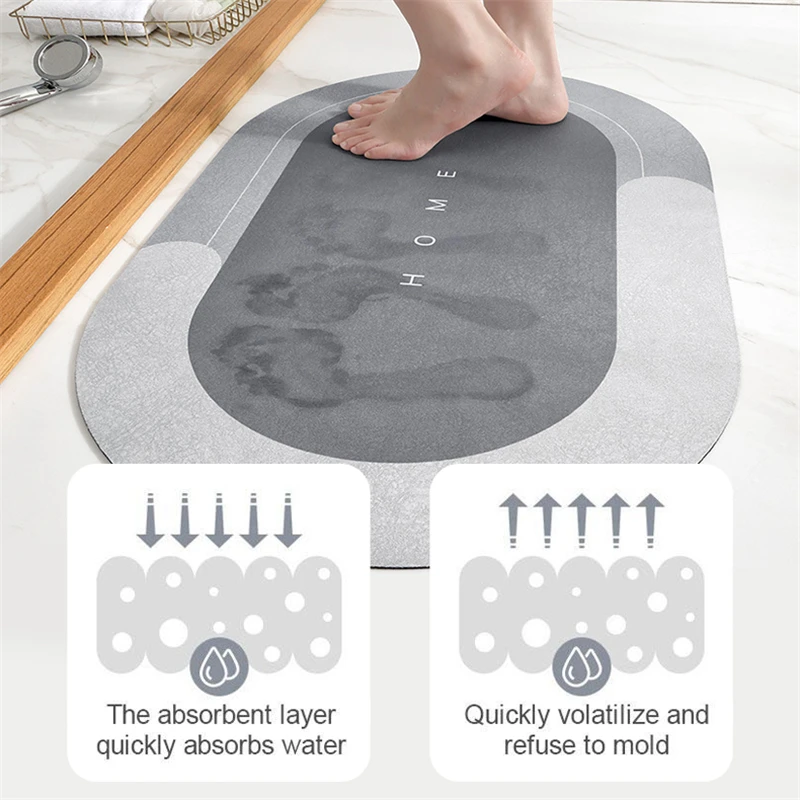
Bath oil creates dramatically slicker surfaces than regular baths, requiring specific safety measures before, during, and after your soak.
Place non-slip mats both inside and outside your tub before filling with water. Standard bathroom rugs become dangerously slippery when wet, so invest in rubber-backed bath mats designed for oil use. Test their grip by stepping on them while wearing socks before your bath to ensure they won’t slide.
Enter and exit your tub slowly using stable handholds. Plant one foot firmly while holding the tub edge or a grab bar before attempting to stand or sit. Never rush these transitions—take 5-10 seconds for each movement to maintain balance on the oil-coated surface.
Wipe tub surfaces immediately after draining to prevent oil buildup. Use a degreaser or warm water with dish soap to clean the tub while surfaces are still wet. Pay special attention to the waterline where residue accumulates most heavily, as dried oil creates an increasingly slippery surface for future baths.
Layer Complementary Products for Enhanced Results
:quality(85):upscale()/2024/08/05/843/n/1922153/ce95903b66b124a54476a9.57439118_.png)
Strategic product pairing with your bath oil creates a synergistic effect that amplifies hydration and relaxation benefits.
Apply oil before soaking if using exfoliants for maximum dead skin removal. Rub a small amount of bath oil onto dry skin before entering the tub, then use a gentle scrub to remove flakes. The oil helps the exfoliant glide smoothly while preventing micro-tears that dry exfoliation might cause.
Pair with compatible bath accessories that enhance rather than interfere with oil benefits. Bath pillows provide neck support for longer soaks without disrupting oil distribution, while bath trays keep books or drinks within reach without requiring you to leave the tub prematurely.
Follow with matching body products that reinforce the oil’s benefits post-soak. Apply body lotion or additional oil within three minutes of drying to lock in hydration while pores remain slightly open from the warm bath. Choose products with similar base ingredients to your bath oil for cumulative effects.
Avoid These Common Bath Oil Mistakes
Even small errors can significantly reduce your bath oil’s effectiveness or create safety hazards that ruin your experience.
Don’t add oil to completely filled tubs as this creates poor distribution. The limited water movement in a full tub prevents proper emulsification, resulting in floating oil pools that only moisturize where they contact your skin. Always add oil while water is still running for best results.
Never use bath oil with jetted tubs unless specifically labeled safe for hydrotherapy systems. Oil can accumulate in pipes and jets, causing clogs and expensive repairs. For whirlpool baths, choose water-soluble bath products designed for jetted systems instead.
Avoid combining multiple oil-based products that compete rather than complement each other. Using bath oil with oil-based bubble baths or bath salts creates excessive residue that’s difficult to clean and may cause skin irritation from product overload.
Store Bath Oil Properly for Long-Term Effectiveness
Correct storage preserves your bath oil’s potency and prevents premature spoilage that reduces its benefits.
Keep bottles in cool, dark places away from bathroom humidity and temperature fluctuations. While convenient, storing bath oil on your bathroom counter exposes it to steam and temperature changes that degrade quality. Instead, keep it in a bedroom closet or cabinet that maintains consistent conditions.
Seal containers tightly after each use to prevent oxidation that breaks down active ingredients. Wipe the bottle rim clean before closing to avoid contaminating the remaining product with water or residue that might introduce bacteria.
Check for spoilage signs like rancid odors, color changes, or separation that doesn’t remix with gentle shaking. Natural oils typically remain effective for 6-12 months after opening—write the opening date on the bottle to track freshness.
Mastering how to use bath oil properly transforms your bathing routine from basic hygiene to a therapeutic ritual that nourishes both skin and spirit. By measuring precisely, adding at the right moment, maintaining optimal temperature, and following through with proper safety and aftercare, you’ll experience dramatically softer skin and deeper relaxation with every soak. The small adjustments outlined in this guide make a significant difference in your results—turning what could be a messy, ineffective experience into a consistently luxurious practice you’ll look forward to daily. Start implementing these techniques today and feel the difference in your skin by tomorrow morning.
Leave a Reply