
Moisture damage sneaks up on homeowners when bathroom ventilation falls short. An undersized exhaust fan leaves steam clinging to mirrors and walls long after your shower ends, creating perfect conditions for mold growth that can compromise both your health and your home’s structure. Yet oversizing brings its own problems—excessive noise, energy waste, and even dangerous negative pressure that pulls conditioned air from other rooms. Getting the right size exhaust fan means understanding exactly how to size a bath exhaust fan for your specific space. This guide cuts through the confusion with clear, actionable steps to determine the precise CFM (Cubic Feet per Minute) capacity your bathroom needs. You’ll learn to calculate your requirements based on actual measurements, not guesswork, and avoid costly mistakes that lead to recurring moisture problems.
Measure Your Bathroom Dimensions Accurately
Grab your tape measure and start with the basics: your bathroom’s true square footage. Measure wall-to-wall length and width in feet, then multiply these numbers to get your total floor area. An 8-foot by 10-foot bathroom equals 80 square feet—this simple calculation forms the foundation of proper fan sizing. Don’t overlook irregular layouts; for L-shaped bathrooms or spaces with alcoves, break the room into sections, measure each separately, then add the totals together. This precision prevents the most common sizing error—underestimating your actual space.
Take extra care with measurements if you’re working with older homes where walls may not be perfectly square. Record dimensions to the nearest inch, especially in bathrooms with angled ceilings or unconventional shapes. A bathroom that appears 5×8 feet might actually measure 5’2″x8’3″, creating nearly 7 extra square feet that affects your fan requirements. Double-check your math before moving to the next step—this number determines your entire ventilation strategy.
Apply the CFM Sizing Formula to Your Measurements

Your square footage directly translates to minimum CFM requirements using industry-standard guidelines. For bathrooms 45 square feet or smaller (like half-baths and powder rooms), you need at least 50 CFM to prevent moisture buildup from brief usage. Standard family bathrooms between 46-75 square feet require 70-80 CFM—choose the higher end if multiple people share the space or if you take frequent showers. Large master bathrooms ranging from 76-105 square feet need a robust 110 CFM fan to handle the increased air volume, especially if you have a soaking tub that releases significant moisture.
When your bathroom exceeds 105 square feet (common in luxury master suites with dual vanities and multiple showerheads), step up to 150 CFM. This higher capacity ensures even distant corners receive adequate air exchange. Remember these are minimum requirements—special circumstances may demand more power. For example, a 70-square-foot bathroom with a steam shower needs the 80 CFM rating at minimum, even though it falls in the lower size range.
Adjust for Ceiling Height Above Standard
Standard sizing guidelines assume 8-foot ceilings, but vaulted ceilings or loft spaces dramatically increase the air volume your fan must move. A bathroom with 10-foot ceilings contains 25% more air than the same floor plan with standard 8-foot ceilings, requiring proportional CFM increases. For ceilings between 8-10 feet, add 20% to your base CFM requirement. With ceilings over 10 feet, increase by 50% or more depending on the actual height.
Consider this real-world example: a 90-square-foot bathroom with standard 8-foot ceilings needs 110 CFM. But with 12-foot ceilings, that same floor area requires at least 165 CFM (110 × 1.5) to achieve equivalent ventilation performance. Don’t skip this critical adjustment—homes with cathedral ceilings routinely suffer from persistent moisture problems because homeowners size fans based on floor area alone. When in doubt, choose the next higher CFM rating to compensate for increased ceiling height.
Factor in Your Specific Fixture Usage Patterns
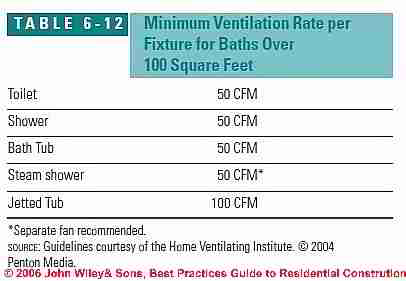
Square footage provides the baseline, but your actual fixture usage determines whether you need to step up to a higher CFM rating. A bathroom with only a shower used occasionally might meet minimum requirements, but multiple daily showers, jetted tubs, or steam features significantly increase humidity output. Each additional showerhead adds substantial moisture load—dual showerheads can double the steam output of a standard shower.
If your bathroom includes any of these high-moisture features, increase your CFM selection by one tier:
– Jetted or air tubs filled regularly
– Multiple showerheads or rainfall fixtures
– Steam shower capabilities
– Frequent bathing by multiple household members
A bathroom with a standard shower used twice daily by two people needs the minimum CFM for its size. But add a jetted tub used nightly, and you should upgrade to the next CFM category regardless of square footage. This real-world adjustment prevents the common frustration of “my fan meets code but still leaves moisture on the walls.”
Select the Right Fan Type for Your Needs
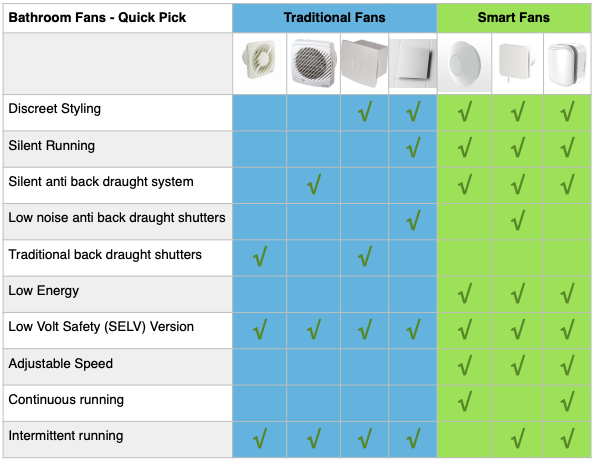
Beyond capacity, choosing the appropriate exhaust fan type ensures your ventilation system meets both functional and aesthetic requirements. Standard fan-only units provide basic ventilation at various CFM ratings, while fan-light combinations integrate illumination with exhaust functionality—ideal for bathrooms where ceiling space is limited. For maximum convenience, humidity-sensing fans automatically activate when moisture levels rise and shut off when the air clears, eliminating forgotten fans that run all day.
Consider these specialized options based on your bathroom’s specific needs:
– Motion-sensing fans: Ideal for children’s bathrooms where remembering to turn on the fan is challenging
– Heated fans: Perfect for cold climates, providing instant warmth while improving drying performance
– Bluetooth-enabled units: Combine ventilation with audio entertainment for shower time
– Decorative recessed models: Maintain aesthetics while providing necessary ventilation
Match Fan Dimensions to Your Existing Opening
Measure your current ceiling opening before purchasing a replacement fan—this prevents installation headaches and unnecessary ceiling repairs. Remove the grille cover and measure the length and width of the exposed housing. Most residential fans fit standard 11×4 inch or 7.7×7.7 inch openings, but older homes may have different dimensions.
A mismatched size creates significant problems:
– Smaller fan: Leaves visible gaps requiring additional trim work
– Larger fan: Requires ceiling modification to enlarge the opening
– Different shape: Creates complex installation challenges
When replacing an older fan, you may discover your existing opening differs from modern standards. In this case, either select a fan with an adapter kit for your specific opening size or plan for minor ceiling modifications during installation. This upfront measurement saves hours of frustration later.
Avoid These Critical Sizing Mistakes
Homeowners commonly undersize fans by focusing only on current usage patterns without considering future needs. A bathroom adequate for one person becomes insufficient when a family grows. Similarly, selecting based solely on noise ratings leads to quiet but ineffective ventilation—modern fans offer both high CFM and low noise levels when properly sized.
Most dangerous mistake: Ignoring local building codes that specify minimum CFM requirements. While codes represent the legal minimum, your actual needs may exceed these standards based on your specific bathroom configuration and usage. Always verify both code requirements and practical needs before finalizing your selection.
Maintain Your Fan for Long-Term Performance
Even perfectly sized fans lose effectiveness when clogged with dust and debris. Clean your exhaust fan grille and blades every 3-6 months to maintain optimal airflow. Remove the cover (typically held by spring clips), wash with mild soap and water, and gently clean fan blades with a soft brush. Neglecting this simple maintenance can reduce your fan’s effective CFM by 30% or more over time.
Simultaneously inspect your ductwork for obstructions—crushed or disconnected ducts severely limit performance regardless of fan capacity. Attic-accessible ducts should be checked annually for damage, while inaccessible runs may require professional inspection every few years. Proper maintenance ensures your carefully sized fan continues delivering the ventilation performance you calculated.
Quick Reference CFM Sizing Chart
Use this chart as your final verification step after completing all measurements and adjustments:
| Bathroom Size | Standard Ceiling Height | With High Ceilings |
|---|---|---|
| 45 sq ft or less | 50 CFM | 60+ CFM |
| 46-75 sq ft | 70-80 CFM | 90-100 CFM |
| 76-105 sq ft | 110 CFM | 140+ CFM |
| Over 105 sq ft | 150 CFM | 200+ CFM |
When you know how to size a bath exhaust fan correctly, you create a bathroom environment that stays fresh, dry, and mold-free. Your investment in proper sizing pays off through avoided moisture damage, lower energy costs, and a healthier living space. Take the time to measure accurately, account for all variables, and select the right fan type—you’ll enjoy the results every time you step out of the shower into a comfortably dry bathroom.
Leave a Reply