That unsightly chip in your bathtub enamel stares back at you every time you step into the shower. What started as a small flaw from dropping a shampoo bottle has grown into a rust-prone eyesore that threatens your entire tub’s longevity. The good news? Learning how to repair chipped bath enamel properly can save you hundreds—possibly thousands—compared to replacement costs. Most homeowners successfully tackle this DIY project with basic tools and careful attention to detail, restoring their tub’s appearance while preventing water damage from spreading beneath the surface.
This guide delivers exactly what you need to know to fix chipped bath enamel like a pro, from assessing damage severity to achieving an invisible finish. You’ll discover which repair products actually work (and which ones waste your time), how to properly prepare the surface for lasting adhesion, and professional techniques for blending repairs seamlessly. Whether you’re dealing with a dime-sized chip or multiple damaged areas, these proven methods will help you complete the job correctly the first time.
Identify Your Tub Material Before Repairing
Choosing the wrong repair products for your specific tub material guarantees failure, so correctly identifying what you’re working with comes before any other step in how to repair chipped bath enamel.
Cast iron tubs with porcelain enamel require ceramic-based repair compounds that bond with the glass-like surface. These heavy, durable tubs develop chips when heavy objects impact the surface, often revealing the black metal underneath. If your tub feels exceptionally heavy and magnetic, you’re working with cast iron. The repair process must address potential rust on exposed metal before applying enamel compounds.
Steel enamel tubs share similarities with cast iron but are lighter in weight and more flexible. They commonly develop chips around the drain and overflow areas from repeated impact. Steel tubs require the same ceramic repair compounds as cast iron, but the underlying metal is more prone to flexing, which can cause repairs to crack if not properly reinforced.
Acrylic and fiberglass tubs demand completely different repair approaches. These lighter, non-magnetic surfaces require plastic-compatible repair kits with flexible compounds that move with the material. Using porcelain repair products on acrylic creates poor adhesion and visible cracks within weeks. Acrylic chips often appear as white scratches rather than deep craters, requiring specialized fillers that match the material’s flexibility.
Gather the Right Repair Products for Your Chip Size

Using inappropriate materials for your specific chip size and location is the #1 reason DIY bath enamel repairs fail within months. Match your supplies precisely to the damage you’re fixing.
Small chips under 1/2 inch need only enamel touch-up paint with hardener. These shallow surface flaws haven’t penetrated to metal, so rust prevention isn’t necessary. Quality touch-up kits include color-matched enamel and a hardening agent that creates a durable, waterproof finish when properly applied. Look for kits specifically labeled for bathroom use with UV resistance to prevent yellowing.
Medium chips between 1/2 and 2 inches require a two-step approach: epoxy putty first, then enamel paint. The putty fills the void and rebuilds the missing material, while the enamel provides the final color-matched finish. Popular brands like Porc-A-Poxy and Damtite offer putties that bond exceptionally well to porcelain and metal surfaces when properly prepared.
Large chips exceeding 2 inches or multiple damaged areas often need professional assessment before proceeding. Attempting extensive repairs yourself typically yields patchy results that draw more attention to the damage. If you proceed DIY, you’ll need multiple kits, specialized tools for feathering edges, and significantly more time for layering and sanding.
Execute Perfect Surface Preparation for Lasting Results
Rushing surface preparation causes 80% of bath enamel repair failures—moisture, oils, or loose material trapped beneath your repair compound will cause peeling within weeks. Follow these exact preparation steps:
Remove all loose material using a dental pick or plastic scraper. Gently work around the chip’s edges until no enamel lifts when probed. Any material that doesn’t firmly adhere must go—leaving it creates weak points where water will seep underneath. For chips exposing metal, use 600-grit wet-dry sandpaper to create a 45-degree bevel around the entire perimeter, extending about 1/8 inch beyond the visible damage.
Eliminate rust completely if metal is exposed. Apply naval jelly or a rust converter specifically formulated for bathroom fixtures, following product instructions precisely. Allow full drying time (usually 4-6 hours) before proceeding—rushing this step means rust will continue spreading beneath your repair. Wipe the area with white vinegar to neutralize any remaining rust particles, then rinse thoroughly.
Clean with isopropyl alcohol immediately before applying repair products. Soak a lint-free cloth with 90%+ isopropyl alcohol and wipe the prepared area in outward circular motions. This removes invisible oils and residues that prevent proper adhesion. Never use household cleaners—they leave behind films that compromise bonding. Allow the area to dry completely (about 5 minutes) before applying any repair compound.
Apply Repair Compound Like a Professional
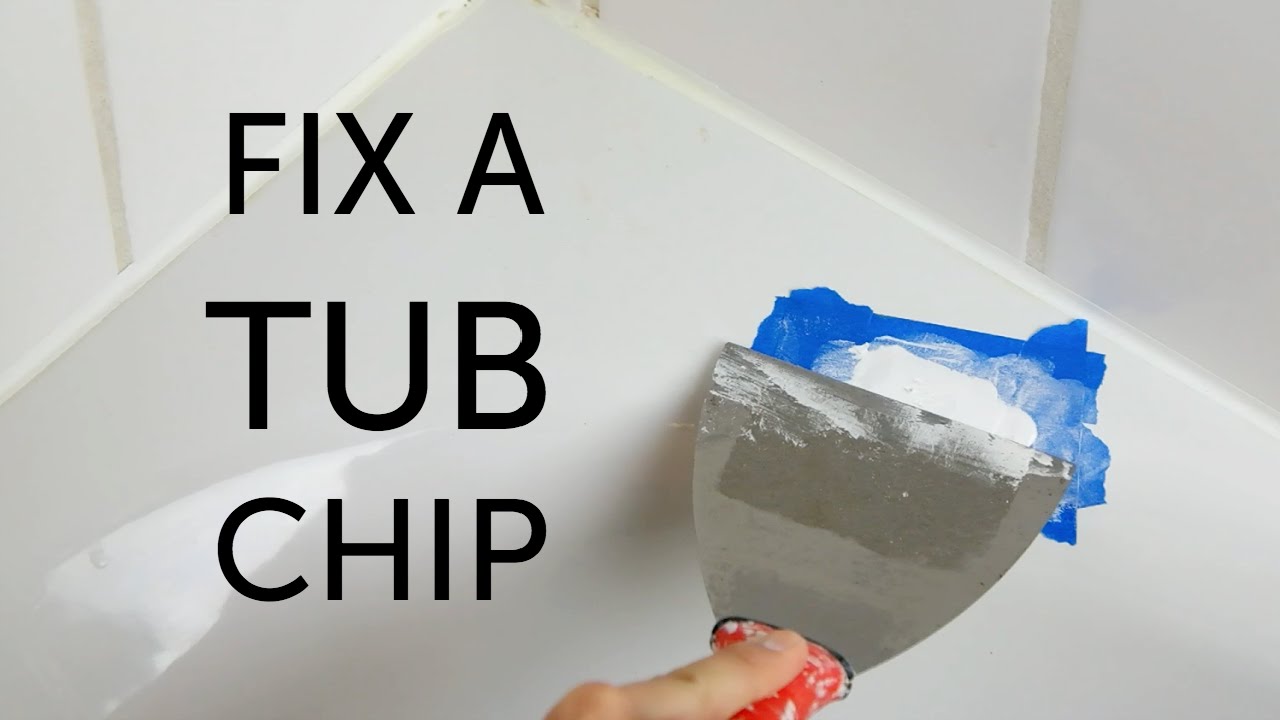
The application technique makes the difference between a repair that lasts years versus one that fails in months. Follow these precise methods for professional results when you repair chipped bath enamel.
Mix two-part compounds in exact ratios using disposable sticks on a disposable surface. Most enamel repair kits require equal parts enamel and hardener, but some vary—always follow your specific product instructions. Mix slowly for 2 full minutes, scraping the container sides repeatedly to ensure complete blending. Improperly mixed compound won’t cure correctly, leaving soft spots that deteriorate quickly.
Apply thin layers with proper feathering using a small applicator brush or dental tool. Press compound into the chip, then extend it slightly beyond the prepared area with progressively thinner application toward the edges. Each layer should be no thicker than a credit card. Allow full curing time between layers (typically 2-4 hours) before applying the next—rushing this step causes bubbling and poor adhesion.
Build up in stages for deep chips. Apply your first layer as a base coat, let it cure, then lightly sand with 600-grit wet-dry sandpaper before applying the next layer. Repeat this process until the repair sits slightly proud of the surrounding surface. This gradual building creates stronger adhesion than attempting to fill the entire chip at once, which often traps air bubbles and creates weak spots.
Achieve Invisible Blending Through Precision Sanding
The final sanding and polishing stages determine whether your repair is noticeable or virtually disappears into the surrounding enamel. This is where most DIYers cut corners and ruin their hard work.
Wet sand progressively finer starting with 600-grit paper. Keep the surface consistently wet with clean water while sanding in small circular motions with light pressure. Sand just enough to remove high spots, checking frequently by running your finger across the repair. Move to 800-grit once the repair is level with the surrounding surface, then 1200-grit, and finally 2000-grit for polishing.
Use consistent pressure and motion to avoid creating low spots or uneven areas. Focus on feathering the edges rather than the center of the repair—your goal is to create a seamless transition where the repair meets the original enamel. Check your progress frequently by running a dry finger over the area; any ridges will be noticeable once the tub is wet.
Polish to match the original finish using automotive polishing compound and a soft cloth. Apply a small amount of compound to the cloth and buff in circular motions until the repair matches the surrounding sheen. For high-gloss tubs, follow with a finer polish compound. This final step makes the difference between a repair that looks “patched” versus one that appears factory-original.
Allow Proper Curing Time Before Using Your Tub
Impatience at this stage ruins otherwise perfect repairs. Most enamel repair compounds require significantly longer curing times than drying times—using your tub too soon causes irreversible damage to the repair.
Wait 48-72 hours minimum before exposing the repair to water. While the surface may feel dry to the touch within hours, the chemical curing process continues for days. Cooler bathroom temperatures extend necessary curing time—add 24 hours for every 10 degrees below 70°F. During this period, cover the repair with plastic wrap if you must use the tub for essential needs.
Avoid cleaning the repair for one full week after curing completes. The surface hasn’t yet reached maximum hardness and can be damaged by even mild cleaners. When you resume cleaning, use only non-abrasive bathroom cleaners and soft cloths—never scrub pads or abrasive powders near the repair site.
Test adhesion before regular use by gently pressing on the repair edges with your thumb. Properly cured repairs feel completely solid with no give or softness. If any area feels flexible, allow additional curing time—typically another 24 hours—before testing again. Rushing this final check often means redoing the entire repair.
Prevent Future Chips with Smart Maintenance Habits
Protecting your repaired enamel prevents needing to repair chipped bath enamel again. Simple daily habits dramatically extend your tub’s lifespan and keep repairs from becoming necessary.
Install non-slip mats in high-risk areas like near the faucet and shower head. These absorb impact from dropped bottles and prevent new chips from forming. Choose mats with suction cups that won’t scratch the surface when moved.
Use plastic or silicone containers instead of glass or metal in the tub. Hard materials cause chips when dropped—switching to flexible containers eliminates this common damage source. Store heavy items securely on bathroom shelves rather than tub ledges.
Clean regularly with gentle products to prevent buildup that leads to aggressive scrubbing. A weekly wipe-down with mild soap and water prevents soap scum accumulation that tempts you to use harsh cleaners. For existing buildup, use vinegar solutions instead of abrasive cleaners that wear down enamel over time.
When executed properly, repairing chipped bath enamel creates results that last for years rather than months. The keys to success lie in thorough preparation, matching products to your specific tub material and damage severity, and allowing adequate curing time. By following these precise methods, you’ll achieve professional-quality results that protect your tub’s integrity while restoring its appearance—saving you the significant expense of replacement. Remember that patience during preparation and curing pays dividends in longevity, while rushing any step compromises the entire repair. With these techniques, your once-noticeable chip will become just another invisible part of your beautifully maintained bathtub.
Leave a Reply