Bath bombs transform ordinary baths into relaxing, colorful experiences, but they often leave behind stubborn stains that mar your tub’s appearance. Those beautiful reds, vibrant purples, and bold blues that swirl beautifully in your bathwater frequently cling to porcelain, acrylic, and fiberglass surfaces, creating ring-like discoloration around the waterline and speckled patterns across the basin. How to remove bath bomb stains from tub surfaces has become a common household concern as bath bomb popularity grows. The good news is that most bath bomb stains respond well to home treatments, and with the right approach, you can restore your tub to its original spotless condition. This guide walks you through proven methods for removing bath bomb stains, from quick fresh-stain fixes to deep treatments for set-in discoloration, plus preventive strategies to keep your tub looking pristine.
Understanding why bath bombs stain and how different cleaning methods address specific pigments helps you choose the most effective treatment. Whether you’re dealing with a fresh pink ring from this morning’s bath or purple stains that have set in over weeks of use, the solutions outlined here will help you tackle the problem efficiently.
Why Bath Bombs Stain Your Tub

Bath bombs contain several ingredients that contribute to staining, and recognizing these components helps you select the appropriate cleaning method. The primary offenders are synthetic dyes such as Red 40, Blue 1, and Yellow 5—water-soluble pigments designed to create vivid water colors that unfortunately adhere equally well to tub surfaces. Beyond dyes, bath bombs contain mica and glitter particles that create metallic, shimmery stains through static electricity and slight oil content, making them resistant to standard water-based cleaning.
Iron oxide pigments found in earth-toned bath bombs create rust-colored stains requiring different treatment approaches than dye-based discoloration. The citric acid and baking soda that give bath bombs their fizzy reaction leave behind alkaline residues that combine with mineral deposits from hard water, creating a hazy film that attracts and holds pigments. This combination explains why bath bomb stains often prove more stubborn than ordinary soap scum.
Quick Response for Fresh Stains
Acting immediately after discovering a bath bomb stain dramatically improves your chances of complete removal. When you need to remove bath bomb stains from tub surfaces, timing is critical.
Wipe the tub immediately after draining the bath while the surface is still warm. A damp microfiber cloth removes loose pigment particles before they adhere and set. Mix a solution of warm water with a few drops of mild dish soap and apply it to any discolored areas within fifteen minutes of completing your bath. This quick rinse prevents stains from bonding to the surface and often eliminates discoloration entirely.
For stains discovered later, a baking soda paste provides fast initial treatment. Combine three parts baking soda with one part water, adding a drop or two of dish soap for enhanced degreasing. Apply the paste directly to stained areas and allow it to sit for five to ten minutes before scrubbing with a soft-bristled brush and rinsing thoroughly. This method works on fresh stains from any color bath bomb and is safe for all tub materials.
Natural DIY Cleaning Solutions
Natural remedies offer effective stain removal without harsh chemicals, making them ideal for regular maintenance when you need to remove bath bomb stains from tub surfaces.
Baking Soda Paste Method
Baking soda’s mild alkalinity breaks down acid residues while its gentle abrasiveness lifts surface stains without scratching most tub surfaces. Create a paste using three parts baking soda to one part water, adjusting for spreadable consistency. Add a few drops of dish soap to enhance degreasing action, particularly helpful for bath bombs containing coconut oil, shea butter, or other emollients.
Apply the paste generously to all stained areas, ensuring complete coverage. Allow it to sit for fifteen to thirty minutes—the longer dwell time allows the baking soda to penetrate and loosen bonded pigments. Scrub using a soft-bristled brush with firm, consistent pressure using circular motions. For stubborn stains, make a second application and repeat the process. Rinse thoroughly with warm water and dry with a clean microfiber cloth.
Vinegar Solution Application
White vinegar’s acetic acid effectively breaks down mineral deposits and reacts with alkaline bath bomb residues. Combine equal parts white vinegar and warm water in a spray bottle for easy application. Generously spray all stained areas, ensuring thorough wetting of the discoloration.
Allow the vinegar solution to sit for ten to fifteen minutes, giving the acid time to break down bonded pigments. For particularly stubborn stains, apply vinegar directly to baking soda already on the surface—the resulting foaming reaction provides mechanical agitation that helps lift particles. After dwell time, scrub the area with a soft sponge or brush, then rinse thoroughly with warm water.
Commercial Products That Work
When natural remedies prove insufficient, commercial cleaning products offer stronger stain-fighting power for how to remove bath bomb stains from tub surfaces.
Oxygenated cleaners like OxiClean provide excellent bath bomb stain removal through active oxygen release that breaks down organic pigments. Dissolve the cleaner in warm water according to package directions—typically one to two tablespoons per gallon—and apply to stained areas. Allow the solution to sit for thirty minutes to several hours, depending on stain severity, then scrub and rinse. This method works particularly well for organic dyes and food-based colorants common in natural bath bombs.
For white and light-colored tubs, Soft Scrub with bleach offers effective stain removal combined with mild abrasive action. Apply directly to stained areas, scrub gently with a non-abrasive sponge, and allow to sit for five minutes before rinsing thoroughly. The bleach breaks down synthetic dyes while the mild abrasive lifts surface stains. Avoid using bleach-based products on colored tubs.
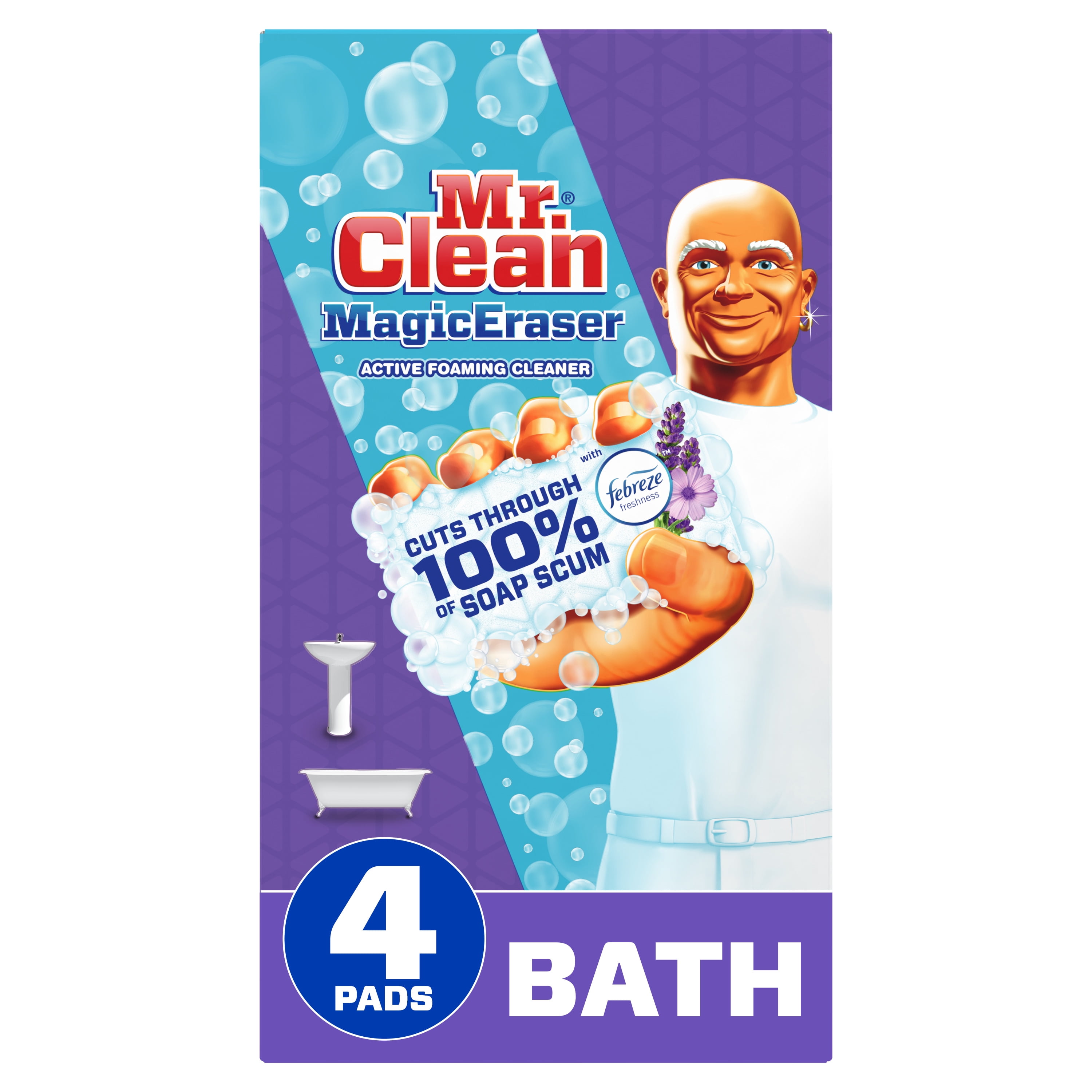
Melamine foam cleaning pads, commonly known as Mr. Clean Magic Erasers, work effectively on many bath bomb stains without requiring additional cleaning solutions. Wet the pad, wring out excess water, and scrub stained areas with moderate pressure. While effective, melamine can dull glossy finishes with repeated use, so test first and use sparingly on high-gloss surfaces.
Complete Cleaning Step-by-Step
Following a systematic approach ensures thorough stain removal when you need to remove bath bomb stains from tub surfaces.
Begin by gathering all necessary supplies: rubber gloves, eye protection, multiple cleaning cloths or sponges, soft-bristled brush, spray bottles, and your chosen cleaning solutions. Ensure adequate ventilation by opening windows or running the bathroom exhaust fan. Remove bath mats, loofahs, and other items from the tub to work unobstructed.
Test your chosen cleaning method on a small, inconspicuous area—perhaps a corner or the inner basin—to ensure it doesn’t damage or discolor the tub surface. Wait fifteen minutes and check for any adverse reaction before proceeding.
Apply your chosen cleaner generously to all stained areas, ensuring complete coverage. Allow the cleaner to sit for the recommended dwell time—longer times generally improve results for set-in stains. After dwell time, scrub stained areas using appropriate tools. For acrylic and fiberglass, use soft sponges or microfiber cloths to prevent scratching.
Thoroughly rinse all cleaned areas with warm water, checking for any remaining residue or cleaner film. For acid-based cleaners, a final rinse with a baking soda solution—two tablespoons per quart of water—neutralizes any remaining acid. Wipe surfaces dry with a clean microfiber cloth to prevent water spots.
Special Care by Tub Material
Different tub materials require specific approaches for how to remove bath bomb stains from tub surfaces without causing damage.
Porcelain-enameled cast iron tubs tolerate most cleaning methods but can be scratched by abrasive tools. Stick to soft-bristled brushes and non-abrasive sponges. Avoid steel wool, abrasive scrubbing pads, and powdered cleansers that can scratch the enamel finish.
Acrylic surfaces require gentle treatment to prevent scratching and surface damage. Avoid abrasive cleaners, scrubbing pads, and stiff brushes. Stick to soft sponges, microfiber cloths, and liquid or paste cleaners. Never use acetone, harsh solvents, or ammonia-based cleaners, as these can damage the acrylic surface.
Fiberglass needs gentle cleaning to maintain its glossy finish and prevent surface degradation. Avoid abrasive cleaners and scrubbing tools. Use liquid dish soap with warm water for regular cleaning, and test any commercial product in an inconspicuous area first.
Prevent Bath Bomb Stains
Prevention proves far easier than removal when dealing with how to remove bath bomb stains from tub issues. Implementing these strategies reduces cleaning time and keeps your tub looking pristine.
Using a bath bomb holder or mesh bag keeps the bath bomb contained and prevents direct contact with tub surfaces. Running bath water at a slightly lower temperature reduces dye activation and pigment release. Adding bath oil or dispersant products helps distribute pigments more evenly and prevents concentrated staining.
Placing a washcloth over the drain opening catches undissolved particles before they enter the drain and potentially stain the basin. Applying car wax or specialized tub protectant creates a barrier between bath bomb ingredients and the tub surface. Reapply monthly for best results, particularly if you use bath bombs frequently.
Choosing bath bombs with natural colorants like beet powder, spirulina, or mica rather than synthetic dyes generally results in easier stain removal. Select bath bombs with minimal glitter and shimmer additives, as these metallic particles adhere strongly to surfaces.
Maintenance Between Uses
Establishing a regular cleaning routine prevents bath bomb stains from building up. After each bath bomb use, rinse the tub immediately with warm water while the surface is still warm. This quick rinse removes loose pigment particles before they can adhere.
Perform a deeper cleaning weekly using mild dish soap and water, paying particular attention to the waterline where residue accumulates. Monthly deep cleaning with baking soda or a mild abrasive cleaner prevents buildup that leads to stubborn staining.
Keep a spray bottle of vinegar solution in the bathroom for easy access after baths. A quick spray and wipe after each use takes less than a minute and prevents most bath bomb stains from forming.
With consistent prevention and prompt treatment when stains appear, your tub can remain free of bath bomb discoloration for years. The methods outlined in this guide provide options for every stain severity and tub material, empowering you to maintain a clean, beautiful tub while enjoying your favorite relaxing baths.
Leave a Reply