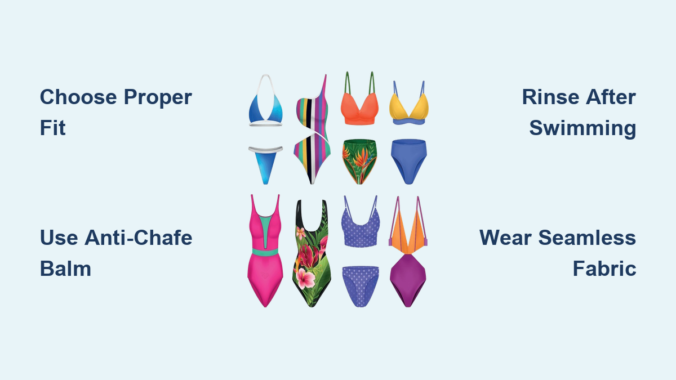
That burning sensation between your thighs or under your arms can turn a perfect beach day into an uncomfortable ordeal in minutes. Bathing suit chafing affects swimmers, sunbathers, and water sports enthusiasts alike, transforming what should be relaxing aquatic activities into painful experiences. The constant friction between wet fabric and sensitive skin creates redness, soreness, and sometimes even open sores that make every movement uncomfortable. But the good news is that this common summer problem is entirely preventable with the right strategies and preparations.
Knowing how to prevent chafing in bathing suit situations begins with understanding why it happens in the first place. When fabric repeatedly rubs against damp skin during movement, the friction breaks down your skin’s natural protective barrier. This guide covers practical, proven solutions—from selecting the right suit and applying protective barriers to quick emergency fixes and long-term prevention strategies that keep your skin comfortable all season long. Whether you’re swimming laps, playing beach volleyball, or simply lounging by the pool, these techniques will help you enjoy your time in the water without discomfort.
Why Bathing Suit Chafing Happens
Chafing occurs when moisture, heat, and friction combine to damage your skin’s protective layer. Wet fabric clings to your body, increasing friction with every movement you make. Saltwater and chlorine both dry out your skin, making it more vulnerable to irritation, while sand trapped in your suit acts like microscopic sandpaper against sensitive areas. The inner thighs, underarms, waistband line, and chest are the most common problem zones, though any area where fabric folds or rubs against skin can develop chafing.
Extended wear without breaks compounds the problem significantly—spending hours in a wet suit gives irritation plenty of time to develop and worsen. Certain activities like swimming laps or beach volleyball create repetitive motions that target specific friction points, accelerating the chafing process. Understanding these specific causes helps you target your prevention efforts more effectively, addressing each contributing factor rather than just treating symptoms after they appear.
How Water Type Affects Chafing Severity
Saltwater has unique properties that increase chafing risk compared to freshwater. The salt crystals left on your skin after swimming act as abrasives when combined with fabric movement. Chlorinated pool water strips natural oils from your skin, reducing its ability to withstand friction. Even after you’ve dried off, these residues continue their damaging work until thoroughly rinsed away. Freshwater lakes and rivers present their own challenges, with organic materials and minerals potentially irritating sensitive skin that’s already compromised by friction.
Choose the Right Bathing Suit

Finding a properly fitting bathing suit is your first and most effective defense against chafing. Ill-fitting suits create problem areas in multiple ways: loose fabric shifts and bunches with movement, while overly tight suits compress skin and create excessive pressure points. The ideal fit means the suit stays in place without requiring constant adjustment, moves naturally with your body, and doesn’t leave deep marks or indentations when removed.
When shopping, prioritize suits with flatlock seams or seamless construction, as raised seams inside the suit become major friction sources during extended wear. Athletic swimwear brands often design their suits with anti-chafe features specifically for active use, making them excellent choices if you swim regularly or play water sports. Consider your activity level honestly—a suit perfect for sunbathing may not hold up to hours of beach volleyball or lap swimming.
Try Before You Buy: The Movement Test
Don’t just stand still when trying on bathing suits—perform the movements you’ll actually be doing in the water. Squat, stretch, jog in place, and simulate your typical water activities to see how the suit performs under motion. Pay attention to any areas where fabric bunches or pulls uncomfortably. If you notice any rubbing or binding during these test movements, that suit will only feel worse after hours in the water. Many specialty swim shops have pools or showers where you can test suits in wet conditions before purchasing.
Apply Protective Barriers

Creating a physical barrier between your skin and bathing suit fabric is one of the most effective prevention strategies available. Anti-chafe balms, creams, and ointments work by coating your skin with a slippery layer that reduces friction even when wet. Apply these products to all potential problem areas before putting on your suit—inner thighs, underarms, around the waistband, and anywhere else you typically experience irritation.
Petroleum jelly offers an inexpensive alternative to specialized products and works surprisingly well for chafe prevention. Apply a thin layer to vulnerable areas, reapplying every few hours during extended water activities. The jelly creates a water-resistant barrier that stays effective even after multiple dips in the pool or ocean. Keep in mind that petroleum jelly can make some suit fabrics slippery, which actually helps reduce friction but may affect how the suit stays in place.
Application Techniques That Last Longer
For maximum effectiveness, apply barrier products to completely dry skin, then give them a minute to absorb before putting on your suit. This prevents the product from rubbing off immediately and ensures it adheres properly to your skin rather than the fabric. When applying to inner thighs, use a circular motion rather than straight up-and-down strokes to create a more even protective layer. For underarm areas, raise your arm slightly to access the full friction zone. Consider carrying a small travel-sized container in your beach bag for quick reapplications throughout the day.
Use Anti-Chafe Products
The market offers numerous products specifically designed to prevent skin-on-fabric friction, and finding the right one for your needs can dramatically improve your water activity comfort. Anti-chafe balms like Body Glide, Squirrel’s Nut Butter, and Gold Bond Chafing Relief Stick are formulated to stay in place when wet, unlike regular lotions that wash away immediately. These products typically come in convenient stick applicators that make mess-free application possible even in public spaces.
Thigh bands and anti-chafe strips provide targeted protection for the most common problem area—the inner thighs. These soft, elastic bands wrap around your upper thighs, creating a protective barrier between skin surfaces that would otherwise rub together. They’re particularly useful for people whose thighs naturally touch, as they prevent skin-on-skin friction in addition to skin-on-fabric issues. Many brands design these bands to be invisible under swimwear, so you can wear them without altering your suit’s appearance.
Product Selection Tips
When choosing anti-chafe products, consider your specific needs and sensitivities. If you have sensitive skin, look for fragrance-free options to avoid additional irritation. For extended water activities, prioritize products specifically designed to stay effective when wet. Test new products at home before relying on them for important events—you never know how your skin might react until you try them. Keep a small selection in your beach kit so you can switch products if one isn’t working effectively during your outing.
Quick Fixes During Activities
Sometimes chafing develops despite your best prevention efforts, and knowing emergency fixes can save your day at the beach. If you feel irritation starting, the first step is getting out of the water and allowing the affected area to dry completely. Apply a thick barrier cream or petroleum jelly immediately, then give your skin time to recover before returning to activities. Continuing to swim with developing chafing will only make the damage worse.
Tucking a small piece of clean fabric between problematic areas can provide immediate temporary relief. A thin cotton handkerchief or soft bandage placed between rubbing surfaces creates a protective barrier that reduces friction until you can properly address the issue. This trick works well for unexpected irritation during activities where stopping isn’t convenient, though it shouldn’t replace proper prevention methods for regular use.
Post-Swim Care Matters
How you treat your skin immediately after swimming plays a crucial role in preventing chafing from developing or worsening. Rinse off with fresh water as soon as possible, removing salt, chlorine, and sand that continue irritating skin even after you leave the water. Pay special attention to skin folds and areas where your suit creates pressure points, using gentle but thorough cleaning to remove all irritants.
Pat your skin dry rather than rubbing, as vigorous towel friction can damage already-sensitive areas. Allow all skin, especially in creases and fold areas, to air dry completely before putting on dry clothes. Many people make the mistake of changing immediately after swimming, trapping moisture against their skin under fabric that wasn’t designed for extended wet wear.
The Importance of Proper Drying Time
Give your skin at least 10-15 minutes to air dry completely before dressing. This might seem like a long time when you’re eager to move on to your next activity, but that extra drying time prevents moisture from being trapped against your skin, which would continue the chafing process. If you’re in a hurry, gently press a clean towel against problem areas without rubbing to absorb excess moisture, then allow those areas to air dry for a few minutes before dressing.
Best Fabrics for Sensitive Skin
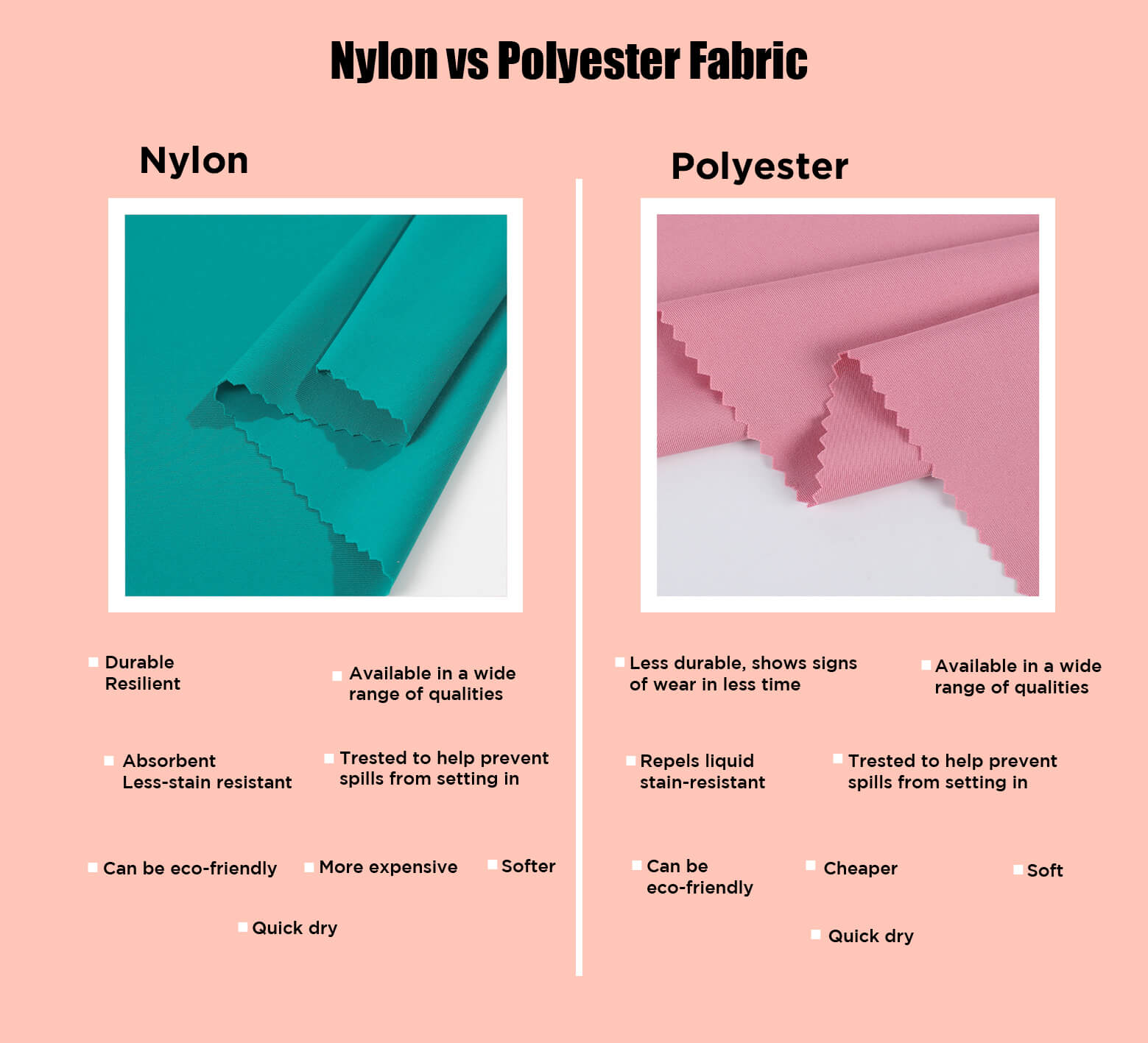
Fabric composition significantly impacts chafing risk, with some materials far more skin-friendly than others. Look for swimwear made from nylon, polyester, or spandex blends that offer moisture-wicking properties and smooth texture against skin. Avoid rough or heavily textured fabrics, as even small irregularities become major irritation sources during extended wear. High-quality athletic swimwear typically uses the smoothest, most skin-friendly materials available.
Some people find that certain synthetic fabrics trigger sensitivity reactions that worsen chafing effects. If you notice persistent irritation despite proper fit and prevention measures, consider whether you might have a fabric sensitivity. Natural fiber swimwear options like cotton or bamboo blends offer alternatives for those with synthetic sensitivities, though they typically don’t perform as well for extended water activities since they absorb more water and dry more slowly.
When to Replace Your Suit
Bathing suits don’t last forever, and continuing to wear degraded suits invites chafing problems. Watch for these signs that your suit needs replacement: stretched elastic that no longer provides secure fit, fabric that feels thinner or more prone to pulling, faded colors indicating UV damage, or persistent musty odor even after thorough cleaning. A suit that requires constant adjustment throughout the day has lost its structural integrity and probably needs retirement.
Most people can expect one to two seasons of regular use from a quality bathing suit, though this varies based on usage frequency and care practices. Suits used for daily swimming or intense water sports may need replacement after a single season, while occasional swimmers might get two or three seasons of wear. Investing in multiple rotation suits rather than relying on one favorite extends the life of each suit and reduces your chafing risk by ensuring you always have well-fitting, intact options available.
Long-Term Prevention Strategies
Developing habits that prevent chafing before it starts makes water activities far more enjoyable. Stay hydrated and maintain healthy skin through good nutrition and adequate moisture—both dry skin and overly soft, waterlogged skin are more susceptible to friction damage. Regular exfoliation removes dead skin cells that can contribute to irritation, though avoid harsh scrubs immediately before water activities as freshly exfoliated skin may be more sensitive.
Strengthening the skin in vulnerable areas through gradual exposure can build tolerance over time. People who spend significant time in the water often find that areas prone to chafing become more resistant with regular activity. This adaptation takes time and should be approached gradually—pushing too hard before your skin has adapted simply causes damage that sets back your progress.
Preventing bathing suit chafing requires attention to multiple factors—proper suit selection, effective barrier products, timely intervention, and consistent post-swim care. By understanding what causes chafing and implementing these prevention strategies, you can enjoy your time in the water without the distraction of uncomfortable friction. The investment in finding the right suit, applying protective barriers, and caring for your skin pays dividends in comfort and confidence throughout every beach day, pool party, and swimming session. Your future self will thank you for the effort when you’re still comfortable while others are wincing from developing irritation.
Leave a Reply