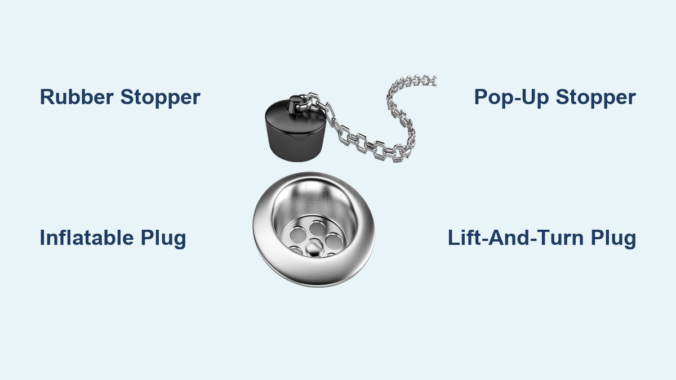
Nothing ruins a relaxing bath faster than water draining out before you can enjoy it. Whether you’re filling the tub for a soothing soak or preventing sewer smells from escaping, knowing how to plug a drain correctly is an essential household skill that saves frustration and water. This guide covers every method available, from simple temporary solutions to permanent installations, helping you choose the right approach for your specific drain type and needs.
Most bathtub drains use a standard 1.5-inch diameter opening, but variations exist in older homes and modern installations. The method you choose depends on whether you need a quick temporary fix or a long-term solution, your budget, and how frequently you plan to use the plug. Understanding your drain configuration is the first step toward an effective seal that holds water reliably.
Temporary Drain Plug Solutions That Work Immediately
Temporary solutions work best for occasional use when you don’t want to modify your existing drain hardware. These methods require no installation and can be removed without leaving any trace, making them ideal for renters or quick fixes.
Rubber Stoppers for Quick Seals That Actually Hold
Rubber stoppers represent the most common and affordable temporary solution for bath drain plugging. These cone-shaped plugs compress when inserted into the drain opening, expanding to create a seal against the pipe walls in under 30 seconds. To use a rubber stopper effectively, first clean the drain opening of any hair or debris that might prevent contact. Wet the rubber slightly to improve suction, then insert the stopper at an 18-20 degree angle before pressing it straight down to seat it firmly. Test the seal by running a small amount of water and checking for leaks around the edges.
Pro Tip: For stubborn drains with mineral buildup, rub the stopper with fine-grit sandpaper to create microscopic channels that improve grip. The main advantage of rubber stoppers is their low cost (typically $3-$10) and universal compatibility with standard drain openings. However, they can deteriorate over time with constant exposure to water and cleaning products, and the seal may weaken if the rubber becomes cracked or hardened. Replace rubber stoppers annually if you use them frequently.
Inflatable Drain Plugs for Irregular Openings
Inflatable plugs offer a more versatile option for drains that don’t perfectly match standard stopper sizes. These rubber or PVC bladders inflate using a hand pump or oral inflation valve, conforming to the exact shape of your drainpipe in 2-3 minutes. This makes them particularly useful for older drains with slightly irregular openings or for drains that have accumulated mineral deposits that affect the fit of solid plugs.
To use an inflatable plug, insert the deflated bladder into the drain opening, then pump it up until it expands against the pipe walls. The seal improves as internal pressure increases, creating a watertight barrier. Deflate completely before removal to avoid damaging the bladder. Store inflatable plugs deflated in a dry location to prevent mold and extend their lifespan. Most quality inflatable plugs can maintain pressure for 24+ hours, making them ideal for extended baths.
Permanent Drain Plug Installations That Last
Permanent solutions replace or augment your existing drain hardware, providing reliable seals without the hassle of manual placement each time you bathe. Installation typically takes 15-30 minutes with basic tools.
Pop-Up Drain Stoppers: The Most Reliable Permanent Solution
Pop-up drain stoppers represent the most popular permanent solution for bathtub drains, combining functionality with a clean, built-in appearance. These mechanisms feature a lever (usually located on the overflow plate) that controls a plunger inside the drainpipe. When you raise the lever, the plunger lifts to allow water flow; lowering it drops the plunger to seal the drain.
Installation requires removing your existing drain assembly and replacing it with a pop-up mechanism. Start by disconnecting the drain flange from below using a drain key or pliers. Remove the old assembly, then insert the new pop-up mechanism through the drain opening, securing it with the provided mounting hardware. Connect the lift rod to the overflow plate mechanism, adjusting the linkage so the stopper seats properly when closed.
Troubleshooting Tip: If your tub won’t hold water, first check that the lever is fully engaged in the down position. Then inspect the plunger seal for cracks or mineral buildup—clean or replace it as needed. The linkage may also need adjustment if the stopper doesn’t seat evenly. Most pop-up stoppers require only annual maintenance to function properly.
Lift-and-Turn Drain Stoppers for Modern Bathrooms
Lift-and-turn stoppers operate similarly to pop-up mechanisms but feature a more compact design with the control knob directly on the drain cover. To close the drain, you lift the knob slightly and turn it to engage the locking mechanism; turning it back releases the stopper for drainage. This design eliminates the need for a separate overflow plate and linkage system, simplifying installation and reducing potential failure points.
These stoppers work well for modern bathrooms where clean lines are preferred, though they may be more difficult for children or elderly users to operate due to the precise turning motion required. The internal threading that controls the stopper movement can also seize over time if not occasionally lubricated with silicone-based plumber’s grease. For best results, apply a small amount of grease to the threads during installation and annually thereafter.
Troubleshooting Common Drain Plug Failures

Even the best drain plug systems develop issues over time. Understanding common problems and their solutions saves you from unnecessary replacements and costly plumbing calls.
Water Leaking Around the Plug: Quick Fixes
If your tub loses water even with the plug fully engaged, several causes may be responsible. First, inspect the plug or stopper mechanism for visible damage: cracks, warping, or deterioration that prevents a complete seal. For rubber stoppers, mineral deposits on the surface can prevent contact with the drain walls—clean the stopper with vinegar to dissolve buildup in 10 minutes.
For permanent stoppers, check the seal condition and alignment. Pop-up mechanisms may have misaligned linkage preventing the plunger from fully seating. Remove the overflow plate and adjust the connecting rod until the stopper drops evenly into the drain body. Lift-and-turn stoppers may have accumulated debris in the threads; clean thoroughly and apply plumber’s grease before testing.
Critical Warning: If the plug appears undamaged and properly aligned but still leaks, the issue may lie in the drainpipe itself. Cracks or gaps in the drain body (particularly common in older galvanized pipes) can allow water to escape even with a perfect seal at the surface. In these cases, professional pipe inspection becomes necessary to prevent water damage.
Plug Won’t Stay in Place: Simple Solutions
Stoppers that pop out or refuse to stay seated frustrate users and prevent proper bathing. For rubber stoppers, this usually indicates the stopper is too small for your drain opening or has lost its shape from age and exposure. Measure your drain diameter with a tape measure and purchase a stopper sized appropriately, or try an inflatable plug for more forgiving sizing.
For permanent stoppers, a loose mounting mechanism often causes instability. Remove the stopper assembly and check that all mounting hardware is tight and in good condition. Stripped threads or worn mounting brackets may require replacement of the entire assembly. Most hardware stores carry universal replacement kits for common drain types.
DIY Alternatives When You Need a Plug Fast
When commercial solutions aren’t available, household items can provide temporary drain sealing until you obtain a proper plug—though these methods should only be used for emergencies.
A heavy-duty plastic bag filled with water creates an effective seal for standard drains: simply seal a plastic grocery or trash bag, place it in the drain opening, and let the water-filled bag conform to the shape. The water pressure against the drain walls creates a surprisingly effective seal for up to 30 minutes, though this method works best as a last resort since the bag can shift or burst under pressure.
For a more reliable temporary solution, wrap a washcloth tightly in plastic wrap and jam it into the drain opening. The cloth provides bulk while the plastic creates a water-resistant barrier. This works better than bags alone but still requires careful monitoring to prevent leaks. Don’t leave unattended for more than 15 minutes.
Choosing the Right Plug for Your Specific Needs
:max_bytes(150000):strip_icc()/bathtub-drain-stopper-types-2718995_FINAL-0e6bd206cdf84844a04c5edfbff5a957.jpg)
Selecting the optimal drain plug depends on how you use your bathtub and your priorities regarding convenience, aesthetics, and maintenance. Consider these factors:
For households with children, ease of operation matters most—push-pull or toe-touch stoppers allow even young users to manage the drain independently with minimal dexterity. Families with elderly members should consider lever-style pop-ups that require less hand strength than twist mechanisms.
If aesthetics matter, choose a finish that complements your existing bathroom fixtures. Most manufacturers offer stoppers in chrome, brushed nickel, oil-rubbed bronze, and matte black to match common fixture finishes. Consistency between your drain stopper and other hardware creates a cohesive, professional look that adds value to your bathroom.
For rental properties or situations where permanent modifications aren’t allowed, quality rubber or inflatable stoppers provide reliable temporary sealing without altering existing hardware. Keep several sizes on hand to accommodate different drain configurations you might encounter.
Maintaining Your Drain Plug System for Longevity
Regular maintenance extends the life of any drain plug system and prevents unexpected failures that ruin your bath plans.
Clean your plug mechanism monthly, removing hair and soap scum that accumulate around seals and moving parts. For rubber stoppers, inspect for cracks or hardening and replace annually. For permanent mechanisms, check the linkage connections for looseness and apply lubricant to moving parts twice yearly.
Pro Maintenance Schedule:
– Weekly: Remove hair from around stopper
– Monthly: Deep clean stopper mechanism
– Quarterly: Check mounting hardware tightness
– Annually: Replace rubber components
Periodically test your drain’s ability to hold water before you actually need it—waiting until bath time to discover a leak creates frustration. Fill the tub slightly and observe the water level for fifteen minutes; any significant drop indicates a problem requiring attention.
A properly sealed bath drain delivers reliable performance for years when you select the right solution for your needs and maintain it regularly. Whether you choose a simple rubber stopper for occasional use or invest in a quality pop-up mechanism for daily baths, understanding your options empowers you to make the best choice for your bathroom and budget. With the right plug and proper maintenance, you’ll enjoy relaxing, water-filled baths without unexpected drainage surprises.
Leave a Reply