Nothing brings life to your backyard quite like the gentle splashing of water and the cheerful songs of birds gathering at your own handmade water feature. Creating a bird bath fountain transforms ordinary outdoor spaces into vibrant wildlife sanctuaries while adding soothing auditory elements to your garden. DIY bird bath fountains cost significantly less than store-bought options—typically $50-$150 compared to $200+ for commercial versions—and let you customize every detail to match your landscape aesthetic. Whether you’re working with repurposed containers, natural stone, or modern materials, this guide shows you exactly how to make bird bath fountain installations that attract diverse bird species while requiring minimal maintenance. You’ll discover practical construction techniques, smart pump selection strategies, and professional finishing touches that ensure your fountain becomes a reliable water source for feathered visitors throughout the seasons.
Choose Your Design and Style Wisely
Selecting the right design determines both the visual impact and functionality of your bird bath fountain. Pedestal-style fountains work best in formal gardens, standing 24-36 inches tall to provide birds with clear predator visibility while creating an elegant focal point. Ground-level basin systems blend seamlessly into naturalized landscapes where birds feel more secure approaching water from surrounding vegetation. Wall-mounted or hanging configurations maximize space in small urban yards or patios where traditional designs won’t fit.
Consider your local bird population when choosing height—ground-feeding species like sparrows and robins prefer basins within 12 inches of the ground, while smaller birds like finches feel safer at elevated heights. For gardens with limited space, repurpose a large terra cotta pot as both basin and pedestal by stacking inverted pots of decreasing sizes. Modern landscapes benefit from sleek stainless steel bowls coupled with minimalist copper tubing for water flow. Always prioritize shallow water depths—1-2 inches maximum—with textured surfaces birds can grip comfortably. Designs with removable basins simplify cleaning, while integrated pump housings protect equipment from debris and curious wildlife.
Gather Essential Materials Before Starting
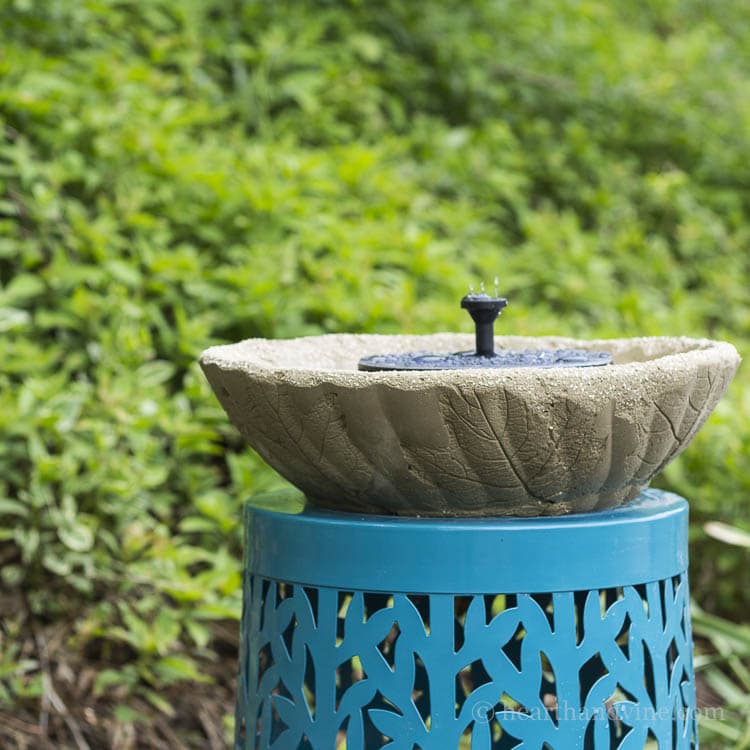
Collecting complete materials before beginning prevents frustrating interruptions and ensures professional results. The core components include:
- Water basin: Pre-made ceramic bowl (16-24 inches diameter), repurposed serving platter, or galvanized metal tub
- Pump system: Submersible fountain pump rated for your basin size (50-400 GPH depending on design)
- Water tubing: ½-inch or ¾-inch flexible vinyl tubing matching pump outlet size
- Decorative elements: Copper spout, natural stone waterfall feature, or stacked ceramic cups
Essential tools you’ll need:
– Drill with masonry or wood bits (depending on base material)
– Spirit level for ensuring stability
– Waterproof silicone sealant rated for outdoor use
– Measuring tape and marker
– Scissors or tubing cutter
When selecting your pump, match flow rate to basin size—small tabletop fountains need 50-100 GPH pumps, while larger pedestal designs require 200-400 GPH units. Choose a pump with adjustable flow control to customize water movement for different bird preferences. For cold climates, select a model with winter operation capability or plan to remove it during freezing months. Always purchase tubing slightly longer than needed—you can trim excess but can’t extend too-short tubing.
Position Your Fountain for Maximum Bird Activity
Strategic placement significantly impacts bird usage and fountain longevity. Birds prefer water sources with 10-15 feet of clear sightlines to spot predators while bathing, so avoid placing fountains directly under dense tree canopies where falling leaves clog pumps. Choose locations with partial shade—morning sun with afternoon shade maintains comfortable water temperatures while slowing algae growth. Position your fountain near natural cover like shrubs or small trees (5-10 feet away) where birds can quickly retreat if threatened.
Ensure practical accessibility for maintenance by placing within reach of your garden hose and near an outdoor electrical outlet for pump operation. If using solar-powered pumps, verify the location receives 6-8 hours of direct sunlight daily. Test potential sites by observing bird traffic patterns in your yard—place a temporary bowl of water where birds naturally gather to confirm the spot’s appeal. Avoid locations near bird feeders where seed debris contaminates water, and steer clear of high-traffic areas where human activity scares away visitors. For safety, position fountains away from windows to prevent bird collisions—place within 3 feet of glass or beyond 30 feet.
Build a Stable, Leak-Proof Basin Structure
Constructing a sturdy basin prevents wobbling that scares birds and ensures years of reliable service. For pedestal designs, stack concrete blocks to desired height, using construction adhesive between layers and filling hollow cores with gravel for stability. Create a perfectly level top surface using a spirit level—critical for proper water distribution. Alternatively, pour a custom concrete pedestal using a cardboard tube form, embedding a metal mounting plate at the top for secure basin attachment.
Mounting the basin requires careful attention to water management. Apply a thick bead of waterproof silicone around the contact area between basin and pedestal, pressing firmly into place and allowing 24 hours curing before adding water. For repurposed containers like large serving bowls, seal interior cracks with pond-safe sealant and drill small overflow holes near the rim to maintain consistent water levels. Create textured footing for birds by embedding small pebbles in wet concrete or scratching grooves into plastic basins with sandpaper. For multi-tier designs, stack bowls of decreasing sizes, securing each with silicone and ensuring proper water flow between levels.
Install the Pump System Correctly
Proper pump installation ensures reliable water circulation while protecting equipment from damage. Position your submersible pump at the basin’s lowest point, either resting on a small brick to prevent sediment suction or suspended from the edge using the included mounting bracket. Attach flexible tubing to the pump outlet, threading it up through the center of your fountain structure to emerge at the desired waterfall location.
Secure tubing with cable ties to prevent sagging and ensure consistent water flow. At the tube’s upper end, attach your chosen decorative element—a copper elbow creating a gentle drip, stacked stones forming a cascade, or ceramic spout directing water flow. The discharge height determines your water pattern: higher placements create splashing action that birds find irresistible, while lower positions produce gentle ripples. Test the pump submerged in a bucket before final installation to verify operation and check all connections for leaks. For multi-tier designs, use T-connectors to split flow between levels, adjusting each branch with flow control valves to balance water distribution.
Enhance with Bird-Friendly Decorations
Personalizing your fountain adds visual interest while creating a more welcoming environment for birds. Line the basin rim with smooth river rocks that provide secure footing and create natural-looking transitions. Position moss-covered boulders around the base to integrate the fountain into surrounding plantings, ensuring all stones have rounded edges that won’t injure delicate bird feet.
Incorporate moisture-loving plants like hostas, ferns, or astilbes around the fountain to create a naturalized look while providing nearby cover. For themed gardens, add copper elements that develop attractive patina over time, mosaic tile patterns around the basin rim, or colored glass pieces embedded in concrete for sparkle. Install solar-powered LED lights near (not in) the fountain to highlight your creation after dark—birds don’t visit at night, but the illumination showcases your work to human visitors. Avoid adding floating objects like rubber ducks that scare birds, and never use decorative elements with sharp edges or toxic materials.
Fine-Tune Water Flow for Bird Attraction
Initial testing reveals installation issues and allows optimization for maximum bird appeal. Fill the basin completely, ensuring the pump is submerged, then connect power and observe water movement. Listen for unusual pump noises indicating improper mounting or air pockets, and check for leaks at all connections. Allow the system to run for several hours while monitoring water levels—significant evaporation suggests excessive flow rate, while stagnant water indicates insufficient circulation.
Adjust the flow rate using your pump’s control dial or by partially clamping the tubing. Birds prefer gentle water movement rather than powerful jets; strong flows create splashing that disturbs bathing birds and wastes water. The ideal flow creates subtle ripples across the water surface with soft bubbling sounds at the spout—loud splashing actually deters many species. If your design includes multiple tiers, adjust individual tube sections to balance flow between levels. Fine-tune based on bird behavior: if birds avoid the fountain, reduce flow intensity; if they seem hesitant to approach, add more gentle movement to attract their attention.
Implement Essential Maintenance Practices
Consistent maintenance keeps your bird bath fountain functioning properly and protects bird health. Perform daily checks to verify adequate water levels—birds need 1-2 inches of depth for bathing, and low water scares away visitors while concentrating contaminants. Every two to three days, skim debris like leaves and insect matter from the water surface using a fine mesh net.
Weekly maintenance includes disconnecting power and removing the pump to clean the intake screen with a soft toothbrush, checking for clogs that reduce flow. Deep clean every two to three weeks by draining completely, scrubbing all surfaces with a 10% bleach solution (1 part bleach to 9 parts water), rinsing thoroughly until no chemical odor remains, and refilling with fresh water. Avoid harsh chemical cleaners that leave toxic residues. Monthly, inspect tubing for algae buildup and clean with a bottle brush if necessary. During winter in cold climates, either drain the system completely and store the pump indoors, or maintain a continuous very low flow to prevent complete freezing. Proper maintenance extends your fountain’s lifespan to a decade or more while ensuring it remains a safe, inviting destination for local bird populations.
Leave a Reply