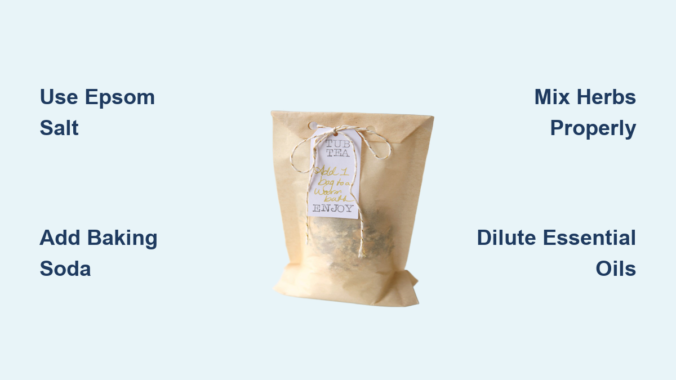
Nothing transforms an ordinary bath into a spa-worthy retreat quite like a custom-made bath tea bag. These simple herbal infusions release soothing botanicals directly into your bathwater without the mess of loose ingredients floating around your tub. When you create your own bath tea bags at home, you control every element—from the therapeutic herbs to the aromatic essential oils—ensuring a personalized experience tailored to your specific needs. Whether you’re seeking muscle relief after a tough workout, deep relaxation before bed, or a skin-nourishing treat, crafting bath tea bags puts you in charge of your self-care routine with minimal investment and maximum reward.
The beauty of DIY bath tea bags lies in their perfect balance of simplicity and sophistication. You don’t need expensive equipment or rare ingredients—just basic kitchen supplies and natural botanicals you can find at most health food stores or online. Unlike commercial bath products loaded with preservatives and synthetic fragrances, homemade versions contain only what you choose to include. This guide reveals exactly how to transform ordinary household items into extraordinary bath enhancements that rival high-end spa treatments. You’ll discover which herbs create the most effective blends, how to safely incorporate essential oils, and professional techniques for packaging that make impressive gifts.
Essential Base Ingredients for Effective Bath Infusions
Your bath tea bag’s foundation determines how well therapeutic compounds release into bathwater while preventing messy residue. Selecting the right base ensures ingredients dissolve properly and deliver maximum benefits to your skin and senses.
Why Epsom Salt Forms the Perfect Foundation for Bath Tea Bags
Epsom salt serves as the workhorse ingredient in nearly all professional bath tea bag formulations. Magnesium sulfate crystals dissolve readily in warm water, creating a mineral-rich soak that helps relax tense muscles and reduce inflammation. For optimal results, combine one-half cup of Epsom salt with your botanical ingredients in each standard-sized tea bag. The salt’s fine crystals act as a carrier that helps disperse herbs and essential oils evenly throughout your bathwater, preventing ingredients from clumping or floating on the surface. When magnesium absorbs through your skin during bathing, it may help replenish this essential mineral that many people lack in their diets.
Baking Soda’s Dual Role in Skin Protection and Ingredient Distribution
Adding baking soda to your bath tea bag formula provides two critical functions most beginners overlook. First, it softens hard water by neutralizing minerals that can dry out skin during bathing. Second, its fine particles help emulsify essential oils, preventing them from floating on the water’s surface where they could potentially cause skin irritation. Use one-quarter cup of baking soda per bath tea bag to create a protective barrier that leaves skin feeling silky rather than stripped of natural oils. This combination with Epsom salt creates a pH-balanced soak that won’t disrupt your skin’s natural protective barrier—a common issue with commercial bubble baths.
Strategic Herb Selection for Targeted Therapeutic Effects
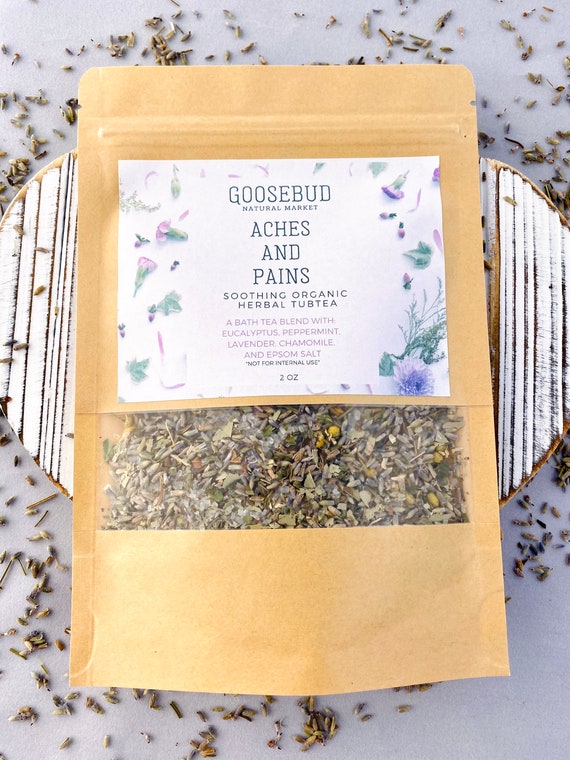
Choosing the right botanicals transforms your bath tea bag from a simple aromatic experience into a targeted therapeutic treatment. Each herb offers unique properties that address specific concerns when properly prepared and combined.
Lavender and Chamomile: The Dynamic Duo for Deep Relaxation
For bath tea bags designed to melt away stress, combine dried lavender buds with chamomile flowers in a 2:1 ratio. Lavender’s linalool content directly affects the nervous system to reduce anxiety, while chamomile’s apigenin compound binds to brain receptors that promote calmness. Use three tablespoons of lavender to one tablespoon of chamomile per bag for optimal relaxation without overwhelming fragrance. The visual contrast of purple lavender buds against golden chamomile flowers also creates an aesthetically pleasing blend that enhances the sensory experience before you even step into the tub.
Peppermint and Eucalyptus: The Muscle Recovery Powerhouse Combination
Athletes and fitness enthusiasts should create dedicated bath tea bags featuring crushed peppermint leaves and eucalyptus herb. These cooling botanicals work synergistically—the menthol in peppermint creates an immediate cooling sensation that reduces muscle spasms, while eucalyptus increases circulation to flush out lactic acid buildup. For best results, use equal parts of both herbs (about two tablespoons each) combined with Epsom salt. The aromatic vapors from this combination also open nasal passages, making it ideal for post-workout recovery when you need both physical and respiratory relief.
Essential Oil Integration: Safety and Effectiveness Techniques
Most DIY bath tea bag creators make critical mistakes when incorporating essential oils that compromise both safety and effectiveness. Proper technique ensures you enjoy therapeutic benefits without risking skin irritation.
The Carrier Oil Method: Never Add Essential Oils Directly to Dry Ingredients
Always dilute essential oils in a carrier oil before mixing with dry ingredients—a step 90% of beginners skip. Combine six drops of essential oil with one teaspoon of fractionated coconut oil or jojoba oil, then mist this mixture over your dry blend while stirring continuously. This technique prevents concentrated oil pockets that could cause skin sensitization. For relaxation blends, use lavender and bergamot in a 3:1 ratio; for muscle recovery, combine peppermint, eucalyptus, and wintergreen in equal parts. Never exceed 12 total drops of essential oils per standard bath tea bag to maintain safe concentration levels.
Timing Matters: When to Add Oils During the Assembly Process
The moment you incorporate essential oils dramatically affects their potency in the final product. Add diluted oils after combining dry ingredients but before filling tea bags—this allows thorough distribution throughout the mixture. Stir for two full minutes after oil addition to ensure complete integration, as oils naturally separate from dry components. For enhanced aromatic impact, place one additional drop of undiluted essential oil inside the empty tea bag before filling. This creates an immediate scent burst when the bag first contacts water, while the blended oils provide sustained release throughout your bath.
Material Selection: Finding the Perfect Tea Bag for Your Needs

The container you choose significantly impacts ingredient release rates and overall effectiveness. Understanding material properties prevents common issues like slow dissolution or premature bag failure.
Muslin vs. Organza: Which Fabric Delivers Better Therapeutic Results
Muslin cloth bags with 120-thread count provide the optimal balance of durability and permeability for bath tea bags. Their loose weave allows rapid ingredient release while containing even the finest powders. Test different fabrics by submerging small samples in hot water—muslin should become fully saturated within 15 seconds, indicating proper water flow. Avoid organza bags unless creating decorative gifts, as their tighter weave slows ingredient release by up to 40%, requiring longer steeping times that diminish therapeutic benefits. For maximum effectiveness, choose unbleached muslin bags measuring at least 4×6 inches to allow proper ingredient expansion during use.
Step-by-Step Assembly Process for Professional Results
Following a systematic assembly method ensures consistent quality across multiple batches while preventing common mistakes that compromise effectiveness.
The Two-Stage Mixing Technique for Even Ingredient Distribution
Combine dry ingredients in two phases for perfect consistency. First, mix Epsom salt and baking soda thoroughly in a large bowl. Then add herbs in small increments, mixing for one minute after each addition. This prevents heavier salts from settling at the bottom and ensures herbs distribute evenly throughout the mixture. Use your hands (wearing food-safe gloves) to break up any herb clumps during mixing—this increases surface area for better water contact during steeping. Properly mixed ingredients should show consistent color and texture with no visible separation when poured.
Fill Level Secrets: Why Two-Thirds Full Is the Magic Number
Overfilling bath tea bags is the #1 cause of poor ingredient release. Fill bags only two-thirds full to allow room for expansion when submerged. For standard 4×6 inch muslin bags, this equals approximately ½ cup of mixed ingredients. Test your fill level by submerging a sample bag in hot water—if it floats immediately, you’ve underfilled; if it sinks slowly over 30 seconds, you’ve achieved the perfect fill ratio. Properly filled bags should sink within 10-15 seconds of water contact, indicating optimal ingredient-to-air ratio for maximum steeping efficiency.
Troubleshooting Common Bath Tea Bag Failures
Even experienced creators encounter issues that compromise bath tea bag effectiveness. Knowing how to diagnose and fix these problems saves wasted ingredients and disappointment.
Weak Aroma? Here’s How to Fix Underperforming Scent Release
If your bath lacks expected fragrance intensity, first check water temperature—below 100°F significantly reduces essential oil vaporization. Next, verify you’re using properly diluted oils (undiluted oils won’t disperse correctly). For immediate improvement, squeeze your tea bag vigorously under running bathwater to force ingredient release. If problems persist, your herbs may be stale—test freshness by rubbing a small amount between your palms; strong aroma indicates potency, while faint scent means replacement is needed. Always store unused blends in airtight containers away from light to preserve aromatic compounds.
Bag Disintegration? The Temperature Threshold You’re Exceeding
Bath tea bags failing during use typically indicates water temperature exceeding material limits. Most paper and fabric bags withstand temperatures up to 110°F before weakening. If your bath feels uncomfortably hot, reduce temperature to 98-102°F—the ideal therapeutic range that preserves bag integrity while still providing effective heat therapy. For reusable silicone bags, ensure they’re food-grade and specifically rated for temperatures above 140°F. Never add tea bags to water while it’s still running—that mechanical force stresses seams more than gradual submersion.
Long-Term Storage Strategies for Maximum Freshness
Proper storage preserves potency far beyond typical expectations, allowing you to create seasonal batches in advance without quality loss.
The Oxygen Absorber Trick for Six-Month Shelf Life
Extend bath tea bag freshness to six months by storing in glass jars with oxygen absorbers instead of standard containers. Place one 300cc oxygen absorber packet per quart-sized jar before sealing—this removes residual oxygen that degrades essential oils and herbs. Test storage effectiveness by comparing a control batch stored conventionally with your oxygen-absorbed version after three months; the difference in scent intensity will be dramatic. Always include silica gel packets in gift packaging to absorb moisture during shipping and storage.
Creating exceptional bath tea bags requires attention to these precise details that most tutorials overlook. By implementing these professional techniques for ingredient selection, assembly, and storage, you’ll transform simple home spa treatments into consistently effective therapeutic experiences rivaling high-end salon treatments. The investment of slightly more careful preparation pays exponential dividends in both immediate results and long-term enjoyment of your creations.
Leave a Reply