A missing or broken bath plug can ruin your relaxing soak, leaving you frustrated as water drains away before you’ve even settled in. Rather than waiting for a specialty store to open or paying for professional plumbing help, knowing how to make a bath plug yourself puts you in control of this common household problem. Whether your existing stopper has worn out, you need a custom fit for an unusual drain, or you simply want to save money on replacement parts, creating your own bath plug is a surprisingly straightforward DIY project that delivers immediate results.
This practical guide shows you exactly how to make bath plug solutions using materials you likely already have at home. You’ll learn multiple approaches—from quick fixes to precision-crafted stoppers—so you can choose the method that best fits your skill level, available tools, and specific bathtub configuration. By the end, you’ll have reliable, custom-made bath plugs that work as well as store-bought versions, often at a fraction of the cost.
Identify Your Drain Type Before Starting

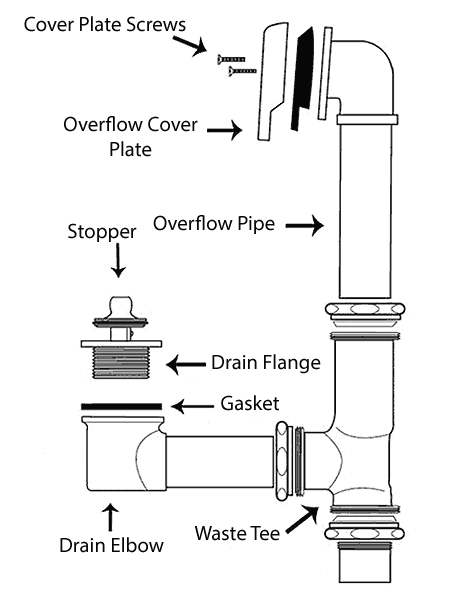
Before gathering materials, determine your drain configuration—this critical step ensures your homemade bath plug will actually work with your tub. Most bathtubs use one of four common drain mechanisms, each requiring a different approach to DIY plug creation.
Pop-up drain stoppers feature a lever behind the faucet that controls the stopper mechanism inside the drain pipe. If yours is broken, you’ll need to either repair the internal linkage or create a simple push-fit cap that covers the drain opening without interfering with the mechanism. Measure the visible opening diameter (typically 1.5-2 inches) and note if the drain has a raised lip or recessed design.
Lift-and-turn stoppers require precise threading since you twist the cap to raise or lower the stopper. Attempting to make a replacement for this type without matching the thread pattern usually fails. Instead, focus on repairing the existing mechanism by replacing worn internal seals or springs—much simpler than recreating the threaded connection.
Push-pull stoppers offer the easiest target for DIY solutions since they operate through simple vertical movement. These typically have a flat cap with a short stem that pushes straight down to seal. Your homemade replacement just needs to match the diameter and create a reliable seal against the drain collar.
Toe-touch mechanisms activate by pressing a flat panel on the drain body. These are more complex, so rather than trying to replicate the internal mechanism, create a simple push-fit cap that you can remove manually when draining.
Grab your tape measure and note the exact dimensions of your drain opening before proceeding—this simple step prevents wasted effort on a plug that won’t fit.
Choose the Right Material for Your DIY Bath Plug
Material selection directly impacts your bath plug’s effectiveness and longevity. The best options balance flexibility for sealing, durability against moisture, and ease of shaping.
Silicone rubber creates the most effective DIY bath plugs due to its excellent water resistance and temperature stability. Food-grade silicone putty—available at craft stores—can be molded by hand into custom shapes that maintain their form for months. Simply roll a small amount into a ball, press it firmly against your dry drain opening, and shape the edges to create a flange that seals against the tub surface. This quick solution works surprisingly well for temporary fixes.
Thermoplastics offer a more permanent solution through heat molding. Grab a rubber stopper from a science supply store (available online for under $5) that’s slightly larger than your drain opening. Heat it evenly with a hair dryer for 2-3 minutes until pliable, then quickly press it into your drain while applying firm pressure around the edges. As it cools, the stopper molds to your specific drain shape, creating a custom seal that lasts for years. The thermal memory of the plastic ensures it maintains this shape through repeated use.
Everyday household items provide emergency solutions when specialized materials aren’t available. A properly sized wine cork can work for smaller drains—simply sand the edges smooth and test the fit. For larger openings, layer several rubber bands together to create a flexible sealing surface, then secure them through the center with a short piece of string that serves as a pull tab.
Create a Simple Push-Fit Bath Plug in Under 30 Minutes
This beginner-friendly method produces a reliable bath plug using common hardware store components with no special skills required.
Gather Your Materials
You’ll need just four items: a rubber grommet (1/4 inch larger than your drain diameter), a 1-inch wooden dowel, waterproof construction adhesive, and sandpaper. The grommet creates the sealing surface while the dowel serves as a comfortable handle. Bring your drain measurements to the hardware store to ensure proper fit—most standard tub drains require a #16 or #20 grommet (approximately 1.75-2 inches in diameter).
Assemble Your Plug
Cut the dowel to 2-3 inches in length and sand the edges smooth to prevent splinters. Apply a generous bead of waterproof adhesive around the center hole of the grommet, then press the dowel firmly through until centered. Hold in place for 30 seconds to prevent shifting, then set aside to cure for 24 hours. The rubber grommet will compress slightly when pressed into the drain, creating a watertight seal while the wooden handle provides easy removal.
Test and Refine Your Plug
Before your next bath, test the plug in a dry drain. Press down firmly with your palm while rotating slightly to ensure full contact around the entire circumference. If water leaks during your first test bath, try one of these quick fixes: apply plumber’s grease to the grommet edge for better sealing, or sand the handle slightly shorter if it’s preventing full compression. Most issues resolve with minor adjustments to pressure or positioning.
Achieve a Watertight Seal Every Time
Even well-made bath plugs sometimes leak due to improper sealing technique. Follow these professional tips to ensure reliable performance.
Prepare the drain surface by cleaning thoroughly with vinegar and an old toothbrush to remove soap scum and mineral deposits. A perfectly smooth, clean surface allows your plug to create maximum contact—any debris creates pathways for leaks. Dry the area completely before inserting your plug.
Use the right insertion technique: Press down firmly while slowly rotating the plug 1/4 turn. This motion helps the sealing material conform to any minor imperfections in the drain surface. For silicone or rubber plugs, apply light petroleum jelly to the sealing edge before insertion—this lubricant actually improves the seal by allowing the material to slide into optimal position.
Test before filling by placing the plug in the drain and pouring a cup of water directly onto it. If it holds this small amount without leaking, it will handle a full tub. Check the seal from underneath if accessible, or watch for drips from the overflow drain.
Maintain Your DIY Bath Plug for Longevity
Proper care extends the life of your homemade bath plug significantly. After each use, remove the plug and wipe it clean with a dry towel—trapped moisture accelerates deterioration of rubber and silicone materials. Store it in a cool, dry place away from direct sunlight, which can cause premature hardening.
Inspect your plug monthly for signs of wear like cracks, permanent deformation, or loss of flexibility. Most DIY plugs last 6-18 months with regular use, depending on material quality and care. Replace immediately if you notice significant deterioration—waiting until complete failure means potentially ruining a relaxing bath.
Clean your plug weekly with mild soap and warm water to remove soap scum buildup. For stubborn deposits, soak for 15 minutes in equal parts white vinegar and water, then scrub gently with an old toothbrush. Avoid harsh chemical cleaners that can degrade rubber compounds over time.
Troubleshoot Common Bath Plug Problems
:max_bytes(150000):strip_icc()/stuck-trip-lever-drain-stopper-3973581-FINAL-5bd9d746c9e77c0026753188.png)
Even well-made DIY plugs occasionally present challenges. If your plug won’t stay in place, the sealing surface is likely too small or hard. Try softening a rubber plug by soaking in hot water for 2 minutes before insertion, or add a thin layer of plumber’s putty around the edge for better grip.
For difficult removal, a vacuum seal has likely formed. Pour a small amount of water around the plug edges to break the seal before pulling. If this happens frequently, slightly reduce the plug size or add small notches to the sealing edge to prevent complete vacuum formation.
If your plug develops odor, soak it overnight in a solution of 1 part bleach to 10 parts water, then rinse thoroughly. Persistent odors usually indicate material breakdown—time for a replacement.
Creating your own bath plug transforms a frustrating household problem into a satisfying DIY victory. With these practical methods, you’ll never have to cancel bath night again due to a missing stopper. Start with the simplest approach that matches your drain type, and soon you’ll have reliable, custom-made solutions that work better than many commercial products—all for just a few dollars in materials. The next time your bath plug disappears down the drain, you’ll know exactly how to make bath plug replacements that get you back to relaxing in no time.
Leave a Reply