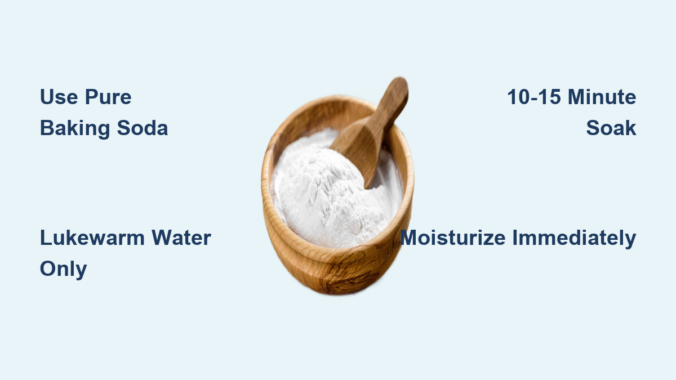
Feeling frustrated with dry, itchy skin that won’t calm down no matter what you try? Learning how to make a baking soda bath could be your solution. This simple, affordable treatment has soothed irritated skin for generations and requires nothing more than a common kitchen staple. Whether you’re battling eczema flare-ups, psoriasis scales, or just want to soften rough patches after a long day, a properly prepared baking soda bath delivers immediate relief you can feel within minutes. In this guide, you’ll discover exactly how to make a baking soda bath that maximizes therapeutic benefits while avoiding common mistakes that reduce effectiveness.
Unlike complicated spa treatments or expensive skincare products, a baking soda bath works with your skin’s natural chemistry to restore balance and comfort. The magic happens when sodium bicarbonate dissolves in warm water, creating an alkaline environment that neutralizes irritating acids on your skin’s surface. When you know how to make a baking soda bath correctly, you’ll experience reduced itching, softer skin, and easier scale removal without harsh scrubbing. This guide walks you through every step—from selecting the right baking soda to applying moisturizer afterward—so you get optimal results from your very first soak.
Why Baking Soda Baths Work for Skin Relief

The Science Behind Sodium Bicarbonate Soaks
Baking soda baths create therapeutic benefits through simple chemistry that works with your skin rather than against it. When you dissolve pure sodium bicarbonate in warm water, it forms a mildly alkaline solution that helps neutralize acidic compounds irritating your skin. This pH-balancing effect reduces inflammation and discomfort while softening hard water minerals that can worsen dryness. Unlike harsh chemical treatments, baking soda works gently with your skin’s natural processes to provide immediate relief you can feel within minutes of soaking.
The alkaline environment created by baking soda also breaks down the bonds between dead skin cells, making scales easier to remove without aggressive scrubbing. This gentle exfoliation occurs naturally during your soak, preventing the micro-tears that physical scrubs often cause. For conditions like ichthyosis or psoriasis where rapid skin cell turnover creates uncomfortable buildup, this natural loosening action provides significant relief without damaging healthy skin underneath.
Critical distinction: Always use pure sodium bicarbonate, not baking powder, which contains added acids and fillers that can irritate sensitive skin. Check your product label to confirm sodium bicarbonate is the only ingredient—any added fragrances or anti-caking agents could trigger reactions in compromised skin barriers.
Essential Tools for Your Baking Soda Bath

Selecting Quality Sodium Bicarbonate
Choosing the right baking soda makes all the difference in your bath’s effectiveness. Food-grade baking soda from grocery stores works perfectly for therapeutic bathing and costs significantly less than specialty products. Look for containers labeled simply as “baking soda” or “sodium bicarbonate” without additional descriptors like “freshness” or “odor control,” which often indicate added chemicals. Pharmaceutical-grade options from pharmacies offer identical purity but at higher prices—perfect if you prefer medical-grade assurance.
Avoid products with these red flags:
– Added fragrances (even “natural” scents)
– Anti-caking agents like calcium silicate
– “Enhanced” formulas with extra ingredients
– Containers that show moisture damage or clumping
Store your baking soda in an airtight container away from humidity to maintain its effectiveness. Properly stored, it remains potent for up to 18 months—though clumping indicates moisture exposure that could affect dissolution in your bath water.
Perfect Water Temperature Setup
Getting the water temperature right prevents common mistakes that sabotage your baking soda bath results. Fill your tub with lukewarm water—comfortable to touch without causing redness—never hot. Water that feels warm but not hot (approximately body temperature) provides optimal therapeutic benefits without stripping your skin’s natural oils. Test the water with your inner wrist, the most sensitive skin area, to ensure it won’t exacerbate irritation.
For children’s baths, fill to 8-12 inches depth rather than a full tub. Adults should aim for water deep enough to cover affected areas while allowing comfortable sitting. If the water cools during preparation, add small amounts of warm water rather than starting with excessively hot water that requires cooling down.
Pro tip: Keep a thermometer accessible until you master temperature judgment. Ideal bathing temperature falls between 92-98°F (33-37°C)—significantly cooler than standard bath temperatures.
Step-by-Step Baking Soda Bath Preparation
Precise Measurement for Maximum Effectiveness
Measuring correctly ensures your bath delivers therapeutic benefits without waste. For standard adult baths (half-full tub), use exactly 3 heaping tablespoons (45g) of pure sodium bicarbonate. Children’s baths require proportionally less—start with 1 tablespoon (15g) for small children and adjust based on response. Using too little reduces effectiveness, while excessive amounts create wasteful alkalinity without additional benefits.
Add baking soda to running water for optimal dissolution, or pour directly into filled tub then stir thoroughly for 30 seconds. Undissolved granules sitting at the bottom can cause localized irritation when they contact skin during bathing. If using a kitchen scale for precision, measure 15g per tablespoon to ensure consistency across baths.
Warning: Never add baking soda while already in the tub—this creates uneven concentration pockets that may irritate sensitive skin.
Optimal Soaking Duration and Technique
Timing your soak properly prevents the common mistake of over-soaking that leads to rebound dryness. Limit your bath to 10-15 minutes—enough time for therapeutic benefits without compromising your skin barrier. First-time users should start with 10 minutes, gradually increasing only if skin responds well. Longer soaks don’t provide additional benefits and often worsen dryness, especially in winter months.
During your soak:
– Relax without aggressive scrubbing
– Gently move limbs to distribute solution
– Avoid splashing near eyes (baking soda solution causes stinging)
– Monitor skin for any unusual reactions
Exit the tub immediately if you experience increased burning or redness. These signals indicate your skin needs less frequent baths or lower concentration.
Post-Bath Skincare Protocol

Critical Moisturizing Window
The 3-minute period after patting dry represents your most important skincare opportunity. Your skin absorbs moisturizer 10x more effectively when slightly damp from the alkaline bath water. Apply fragrance-free ointment-style moisturizer generously to all treated areas, focusing on persistently dry patches. Occlusive products like petroleum jelly create the best moisture barrier, though thick creams work well for those who dislike greasy feel.
Reapply moisturizer every 2-3 hours for the first day after your bath, especially after handwashing or water exposure. This frequent application locks in the hydration benefits and extends relief between baths. Keep travel-sized moisturizer in your bag for convenient daytime touch-ups.
Pro tip: Warm your moisturizer between palms before application—this increases absorption and creates a more comfortable skin sensation.
Gentle Scale Removal Method
For conditions involving significant scaling, follow this safe removal protocol after your bath:
1. Pat skin dry with soft microfiber towel
2. Apply moisturizer and wait 5 minutes
3. Use clean fingertips with light pressure in circular motions
4. Work on one small area at a time (palm-sized)
5. Stop immediately if you see redness or feel discomfort
Never pick, scrape, or use abrasive tools on softened skin—this causes micro-tears that worsen conditions. Let the baking soda bath do most of the work over multiple sessions rather than forcing immediate results.
Safety Guidelines You Must Follow
Eye Protection Protocol
Prevent accidental eye exposure with these simple steps:
– Keep face away from splashing water
– Teach children to keep eyes closed during bathing
– Have clean water nearby for immediate flushing
– Use a washcloth barrier if bathing infants
If baking soda solution contacts eyes, flush immediately with lukewarm water for 5-10 minutes. Seek medical attention if irritation persists beyond 30 minutes. This rare reaction typically resolves quickly with proper flushing but shouldn’t be ignored.
Frequency Optimization Strategy
Determine your ideal bathing frequency through this simple test:
– Start with 2 baths weekly for 2 weeks
– Assess skin condition improvement
– Increase to 3 baths weekly if beneficial
– Monitor for signs of overuse (tightness, increased dryness)
Most users find optimal results at 2-3 baths weekly, though severe scaling conditions may require daily baths temporarily. Always pair increased frequency with enhanced moisturizing—never bathe more often without adjusting your skincare routine accordingly.
Troubleshooting Common Problems
When Your Bath Isn’t Working
If you don’t notice improvement after 3-4 properly prepared baths, check these common issues:
– Water temperature too hot (causes rebound dryness)
– Inconsistent bathing schedule (needs regular use)
– Insufficient moisturizing afterward (critical step)
– Using impure baking soda with additives
Adjust one variable at a time to identify what’s blocking results. Most users see noticeable improvement within 2 weeks of correct implementation—patience with the process yields better long-term outcomes than frequent protocol changes.
Managing Skin Sensitivity
Some users experience temporary increased sensitivity during initial baths. If this happens:
– Reduce concentration to 2 tablespoons temporarily
– Shorten soak time to 8 minutes
– Increase moisturizer application frequency
– Space baths 3 days apart initially
This adjustment period typically lasts 1-2 weeks as skin adapts to the alkaline environment. Discontinue use and consult your dermatologist if sensitivity worsens despite these modifications.
Maximizing Long-Term Benefits
Building a sustainable baking soda bath routine requires consistency and attention to seasonal changes. Track your skin’s response in a simple journal noting:
– Bath frequency and concentration
– Skin condition before/after
– Moisturizer type and application frequency
– Environmental factors (weather, stress)
Adjust your routine quarterly based on these observations—winter typically requires more frequent moisturizing while summer may allow reduced bath frequency. Consult your dermatologist annually to ensure your baking soda bath routine remains appropriate for your evolving skin needs. When you master how to make a baking soda bath correctly, it becomes a powerful, natural component of your lifelong skin health strategy.
Leave a Reply