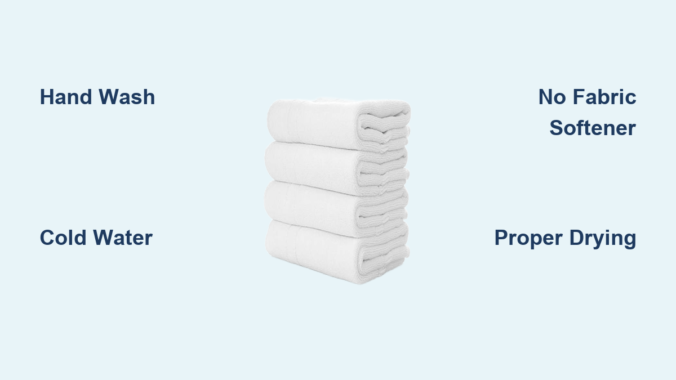
Your bath towels have become stiff, lost their plushness, and no longer feel luxurious against your skin. You’ve tried tossing them in the washing machine, but they keep getting rougher with each cycle. The truth is, machine washing subjects towels to harsh agitation that breaks down fibers over time, while commercial detergents leave chemical residues that clog absorbent fibers. Hand washing bath towels properly restores their softness, extends their lifespan by years, and maintains maximum absorbency—without expensive equipment or specialty products. In this guide, you’ll learn exactly how to hand wash bath towels to revive their spa-like quality, prevent common mistakes that damage fibers, and implement a simple maintenance routine that keeps towels feeling fresh after every use.
Why Hand Washing Beats Machine Washing for Premium Towels
Hand washing bath towels preserves the delicate loops and fibers that give high-quality towels their signature softness and absorbency. Unlike washing machines that use aggressive agitation and high-speed spins, hand washing provides gentle yet thorough cleaning that doesn’t break down cotton fibers over time. Machine washing subjects towels to temperatures that fluctuate wildly and detergents that leave behind waxy residues clogging absorbent fibers. By washing by hand, you control every element of the process—water temperature, detergent concentration, and agitation level—resulting in towels that stay plush, absorb moisture quickly, and maintain their luxurious feel wash after wash.
When Your Towels Need Hand Washing Instead of Machine Cleaning
Stiffness after multiple machine washes signals detergent buildup and fiber damage—hand washing removes residue and revives softness. Loss of absorbency where water beads on the surface rather than soaking in indicates chemical buildup that hand washing eliminates. Frayed edges or thinning fabric shows excessive machine wear that would worsen with another spin cycle. Delicate or vintage towels with embroidery or special weaves require the gentle touch only hand washing provides. Towels with stubborn mildew smells that persist after machine washing respond better to the thorough soaking and targeted scrubbing possible with hand washing.
How Often You Should Hand Wash Bath Towels
Wash bath towels by hand after every 3-4 uses to prevent deep-set odors and buildup. Refresh towels between full washes with a 5-minute hand rinse in cool water after noticing stiffness. Perform a deep hand wash monthly for towels used daily to remove accumulated oils and residues. Extend time between washes for infrequently used guest towels (every 6-8 uses) but never exceed two weeks without cleaning. Special occasion towels like embroidered or luxury spa towels require hand washing after each use to maintain their premium quality.
Essential Supplies for Proper Hand Washing

Water Temperature Guide for Different Towel Types
Use cold water (60-70°F) for dark or colored towels to prevent fading and shrinkage. Lukewarm water (85-95°F) works best for white and light-colored cotton towels to dissolve oils without damaging fibers. Never exceed 100°F as hot water sets stains and breaks down cotton fibers rapidly. For bamboo or microfiber towels, always use cold water as these materials degrade quickly in warm temperatures. Test water temperature with your elbow—not your hand—as it more accurately reflects what delicate fibers will experience.
Choosing the Right Detergent for Hand Washing
Select fragrance-free, dye-free liquid detergent specifically formulated for hand washing delicate fabrics. Avoid powder detergents that don’t dissolve completely in standing water and leave gritty residue in towel fibers. Steer clear of bleach or optical brighteners that weaken fibers and reduce towel lifespan. For eco-friendly cleaning, use 1-2 tablespoons of pure castile soap diluted in a gallon of water. Never use fabric softeners which coat fibers and destroy absorbency—towels should feel naturally soft after proper hand washing.
Step-by-Step Hand Washing Process
Preparing Your Towels for Washing
Shake towels vigorously outdoors to remove loose dirt and hair before washing. Treat stains immediately with a dab of undiluted detergent rubbed gently into the affected area. Unfold towels completely—never wash them bunched—to ensure even cleaning throughout all layers. Check for loose threads and trim carefully with scissors to prevent unraveling during washing. Sort towels by color and material type to prevent dye transfer and allow customized water temperatures.
Proper Soaking Technique for Maximum Cleanliness
Fill your clean bathtub or large basin with enough water to fully submerge towels without overcrowding. Add 1-2 tablespoons of detergent per gallon of water and mix thoroughly before adding towels. Soak towels for 15-30 minutes—never exceed 45 minutes as prolonged soaking weakens fibers. Gently press towels under water to ensure complete saturation, but avoid vigorous stirring. For extra dirty towels, add 1/4 cup white vinegar to the soak water to break down body oils and odors.
Effective Hand Washing Without Damaging Fibers
Submerge one towel at a time and gently squeeze water through the fabric from top to bottom. Use a press-and-release motion rather than rubbing or twisting to clean without damaging fibers. Focus extra attention on collar and cuff areas where body oils accumulate most. Rinse thoroughly in clean, cool water until water runs completely clear with no suds remaining. Never wring or twist towels—this stretches and breaks fibers permanently. Instead, press water out gently between clean, dry towels before hanging.
Drying and Refreshing Hand-Washed Towels
Proper Towel Drying Methods to Maintain Softness
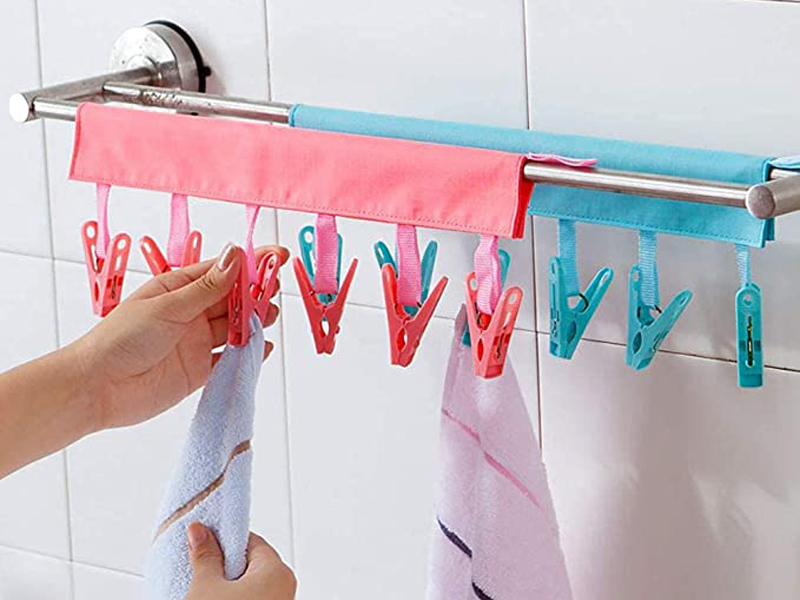
Roll each wet towel in a clean, dry bath towel to absorb excess moisture before hanging. Hang towels on plastic or wooden hangers—never metal which can cause rust stains when wet. Position towels with seams facing outward to ensure even drying and prevent mildew in folded areas. Dry towels away from direct sunlight which fades colors and weakens fibers over time. Never use clothespins on towel edges as they create permanent creases and stress points.
Restoring Towel Softness After Washing
Tumble dry on air-only cycle (no heat) for 10-15 minutes to fluff fibers before line drying completes the process. Add a clean, dry towel to the dryer to absorb moisture and reduce drying time. For instant softness, rub a small amount of coconut oil (just enough to coat your palms) between towels while slightly damp. Air dry towels outside in fresh air when possible—breezes naturally soften fibers better than mechanical drying. Never use dryer sheets or fabric softener which coat fibers and destroy absorbency.
Troubleshooting Common Hand Washing Problems

Fixing Stiff Towels After Hand Washing
Stiffness usually indicates incomplete rinsing—re-soak and rinse thoroughly in clean water. Residual detergent leaves a waxy film that blocks absorbency and causes stiffness. Add 1/2 cup white vinegar to the final rinse water to dissolve detergent residue. Ensure you’re using soft water—hard water minerals combine with detergent to create stiffness. If stiffness persists, wash again using half the recommended detergent amount.
Removing Mildew Smells from Hand-Washed Towels
Create a soak solution of 1 part hydrogen peroxide to 4 parts water and submerge towels for 30 minutes. For severe mildew, use 1/2 cup baking soda dissolved in warm water as a pre-soak before regular washing. Never use bleach on mildew as it sets the odor permanently into cotton fibers. After washing, dry towels immediately in direct sunlight which naturally kills mildew spores. Prevent future mildew by never storing damp towels and ensuring complete drying after each use.
Maintaining Your Hand-Washed Towels
Daily Towel Care Between Washes
Hang towels fully spread open after each use to promote air circulation and drying. Flip towels midway through drying to ensure both sides dry completely and prevent mustiness. Refresh slightly damp towels by shaking vigorously before hanging to restore loft and absorbency. Never leave wet towels bunched in the hamper—this creates the perfect environment for mildew growth. For guest towels not in regular use, air them outside monthly to prevent musty odors.
Storage Solutions That Keep Towels Fresh
Store completely dry towels in linen closets with cedar blocks to absorb moisture and deter pests. Avoid plastic storage bins which trap humidity and cause mustiness over time. Place activated charcoal bags in towel storage areas to absorb ambient moisture. Never store towels in direct sunlight which fades colors and weakens fibers. For long-term storage, wrap towels in breathable cotton bags rather than plastic.
Final Note: Hand washing bath towels properly transforms stiff, lifeless linens back to their original plush, absorbent glory while extending their usable life by years. The gentle process removes deep-seated residues that machines leave behind, reviving the natural softness of quality cotton fibers. By following this complete guide, you’ll maintain hotel-quality towels at home without expensive equipment or harsh chemicals. Implement the monthly deep hand wash routine alongside proper daily care, and your towels will feel luxuriously soft wash after wash. For best results, establish a consistent schedule that prevents buildup before it starts—your skin will thank you every time you step out of the shower.
Leave a Reply