Your kitten’s first bath shouldn’t become a wrestling match that leaves both of you stressed and soaked. While cats are naturally fastidious groomers, there are times when your tiny feline friend needs human intervention—whether they’ve rolled in something sticky, can’t reach certain areas, or have medical reasons requiring cleaning. Knowing how to give kitten bath safely prevents unnecessary stress and keeps your bond strong. This guide walks you through the exact steps professional groomers and veterinarians recommend for bathing kittens under 6 months old, including when to skip the bath entirely and alternative cleaning methods that work just as well.
Why Most Kittens Don’t Need Regular Baths (But Exceptions Exist)
Cats’ tongues act like natural brushes with tiny hooks that remove dirt and loose fur, making frequent baths unnecessary for healthy adult cats. Kittens, however, haven’t fully developed these grooming skills and may need assistance when they encounter substances they can’t clean themselves. Only bathe your kitten when absolutely necessary—typically when they’re covered in something toxic, sticky, or otherwise harmful that they can’t remove through normal grooming.
Signs your kitten actually needs a bath include visible dirt or debris matted in their fur, exposure to toxic substances like motor oil or paint, or medical conditions requiring medicated cleaning. Never bathe kittens under 4 weeks old unless directed by a veterinarian, as they can’t regulate their body temperature effectively. If your kitten simply has a minor spot, try spot-cleaning with a damp cloth first before committing to a full bath.
Pre-Bath Preparation: Setting Up for Kitten Bathing Success
Gather all supplies before bringing your kitten into the bathing area—searching for items mid-bath creates stress for both of you. You’ll need kitten-specific shampoo (never use human products), two soft towels, a non-slip mat for the sink or tub, cotton balls for ears, and treats for positive reinforcement. Fill a shallow container with 2-3 inches of lukewarm water (test with your elbow—it should feel neutral, not warm).
Choose a small, enclosed space like a bathroom sink rather than a full bathtub to prevent your kitten from feeling overwhelmed. Ensure the room temperature is warm (75-80°F) to prevent chilling. Trim your kitten’s nails 24 hours beforehand to minimize scratches during the bath. Most importantly, bathe your kitten when both of you are calm—never attempt during or after a stressful event like a vet visit.
What Water Temperature Kills Bacteria Without Scalding Kitten Skin?
The ideal water temperature for kitten baths is 98-100°F (37-38°C), slightly warmer than room temperature but cooler than typical human bath water. This range effectively cleans without risking burns to their delicate skin. Always test water on your inner wrist before introducing your kitten—what feels lukewarm to you should feel neutral to them. Never use hot water, as kittens’ skin is thinner than adult cats and burns more easily.
Step-by-Step: How to Safely Give Your Kitten a Bath
Gently Introducing Your Kitten to the Water
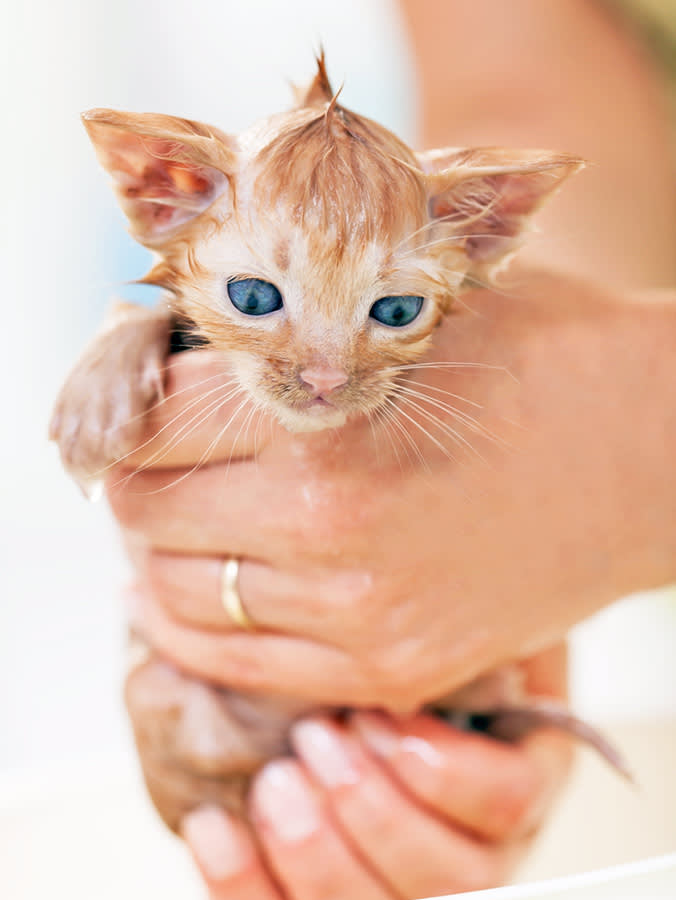
Place your kitten in the dry sink first and let them sniff the environment while speaking in calm, soothing tones. Slowly add water around them rather than placing them directly into water, which reduces shock. Support their chest and hindquarters with your hands—never grab by the scruff. If your kitten panics, pause and try again later; forcing the process creates negative associations that make future baths more difficult.
Using Proper Shampooing Techniques for Delicate Kitten Skin
Apply kitten shampoo to your hands first, lather, then gently massage onto your kitten’s coat, avoiding eyes, ears, and nose. Start at the neck and work toward the tail, keeping their head above water. Use circular motions with your fingertips to lift dirt without scratching their sensitive skin. Rinse thoroughly—leftover shampoo causes skin irritation and may be ingested during self-grooming. A cup for rinsing gives you better control than running water.
Drying Your Kitten Without Causing Panic
Wrap your kitten immediately in a warm, dry towel and hold them close to your body for security. Gently press (don’t rub) to absorb water—vigorous rubbing irritates their skin. Most kittens dislike hair dryers, but if you must use one, set it to the lowest heat and speed, keep it at least 18 inches away, and never point it directly at your kitten. Better yet, let them air-dry in a warm room while you monitor them closely. Never leave a damp kitten unattended—they can develop hypothermia quickly.
What to Do When Your Kitten Hates Bath Time
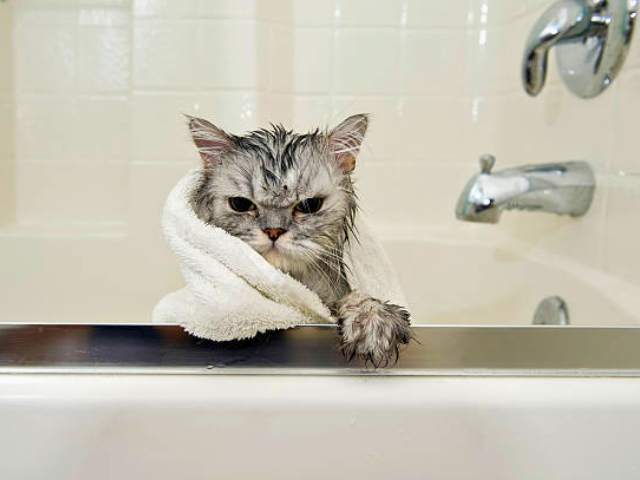
Signs your kitten is overly stressed include flattened ears, dilated pupils, excessive meowing, or attempts to escape. If you notice these, stop the bath immediately—your priority is preventing trauma. For future attempts, try shorter sessions: wash just one area at a time over multiple days. Use high-value treats like tuna juice on your finger during and after the bath to create positive associations. For extremely resistant kittens, consult your veterinarian about sedation options for medically necessary baths.
Common Kitten Bathing Mistakes to Avoid
Using human shampoo strips natural oils from kitten skin, causing dryness and irritation—always choose products labeled specifically for kittens. Bathing too frequently (more than once monthly) disrupts their skin’s pH balance. Never submerge your kitten’s head or spray water directly at their face. Most critically, don’t attempt to bathe newborn kittens—their temperature regulation systems aren’t developed, and they’re prone to chilling. For kittens under 4 weeks, use a warm, damp cloth instead of full immersion.
Alternative Cleaning Methods That Work Better Than Full Baths
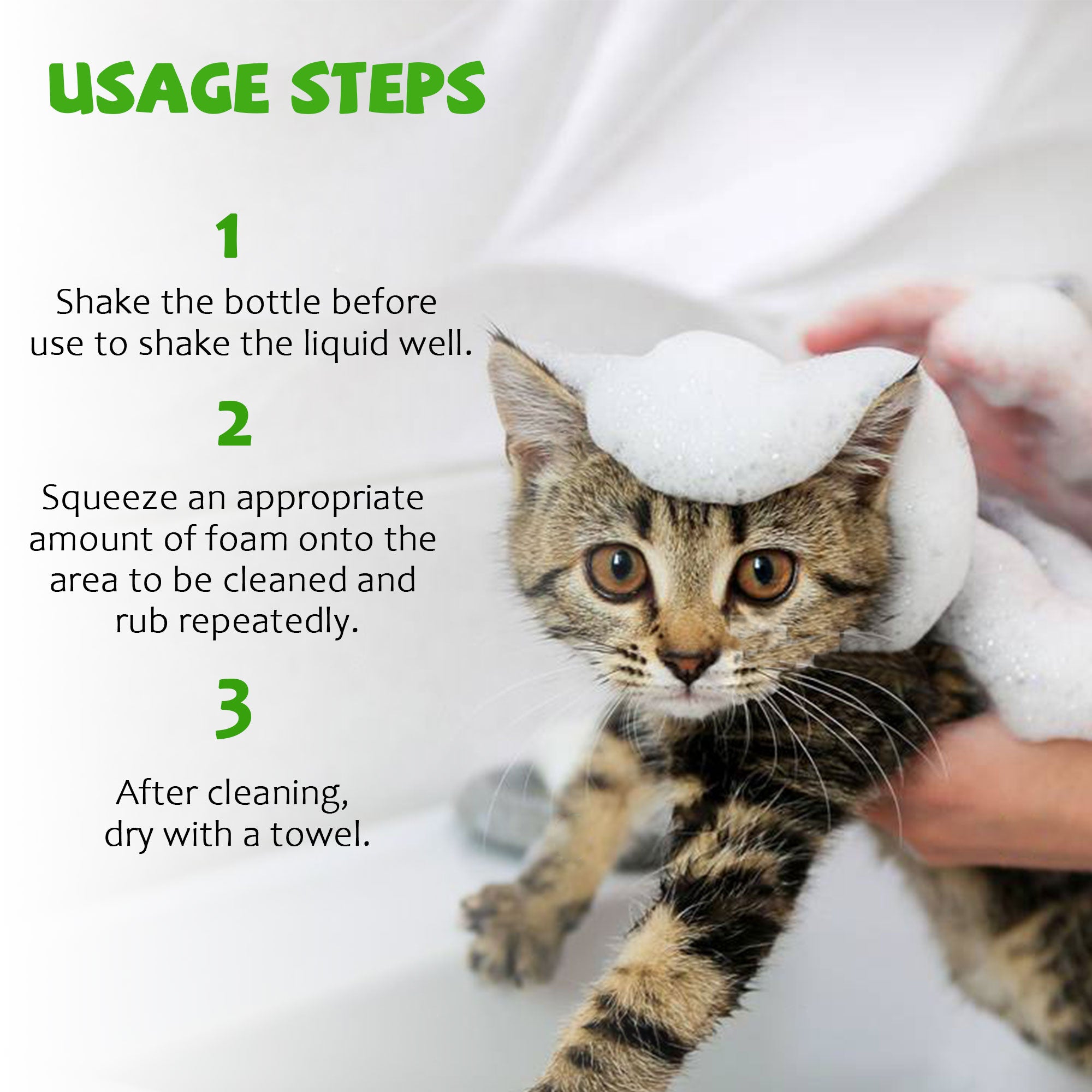
For most routine cleaning, waterless kitten shampoo works effectively without stress. Apply the foam to your hands, massage into the coat, then wipe away with a damp cloth. Unscented pet wipes designed for kittens safely remove surface dirt without water. For oily substances, cornstarch sprinkled on the area, brushed through, then wiped away can absorb residue without water exposure. These methods address 90% of cleaning needs without the trauma of full immersion.
When to Skip the Bath and Call Your Veterinarian Instead
Contact your vet before bathing if your kitten shows signs of illness (lethargy, vomiting), is under 4 weeks old, or has been exposed to toxic substances like antifreeze, paint thinner, or pesticides. Never attempt to remove hazardous materials yourself—improper cleaning can increase absorption. Kittens with respiratory issues, recent surgery, or flea infestations require veterinary guidance before bathing, as standard procedures could worsen their condition.
Post-Bath Care: Ensuring Your Kitten’s Comfort
Keep your kitten in a warm room (75-80°F) until completely dry, providing a heated pad wrapped in a towel for comfort. Offer high-value treats and gentle petting to reinforce positive associations. Monitor for shivering or lethargy, which indicate chilling—wrap them in a warmed towel immediately if observed. Never use hair dryers on kittens under 8 weeks—their skin is too sensitive to heat damage. Most importantly, give your kitten space afterward—they may need quiet time to recover from the experience.
Establishing Positive Bath Associations for Future Sessions
Start with dry “bath practice” sessions where you simply hold your kitten near the sink without water. Gradually introduce damp cloths, then shallow water, rewarding calm behavior with treats. Keep initial sessions under 2 minutes—even successful partial baths build confidence. Always end on a positive note, never prolonging the experience past your kitten’s comfort point. Over time, these short, positive exposures teach your kitten that bath time isn’t threatening, making future necessary baths significantly easier for both of you.
Final Note: Most kittens only need bathing 2-3 times in their first year unless medically necessary. Focus instead on regular brushing to maintain coat health and reduce matting. If you must bathe your kitten, keep sessions brief (under 10 minutes), use proper kitten-specific products, and always prioritize their comfort over perfection. When in doubt about whether your kitten needs a bath, consult your veterinarian—they can often recommend safer alternatives that protect your kitten’s health while preserving your peaceful home environment.
Leave a Reply