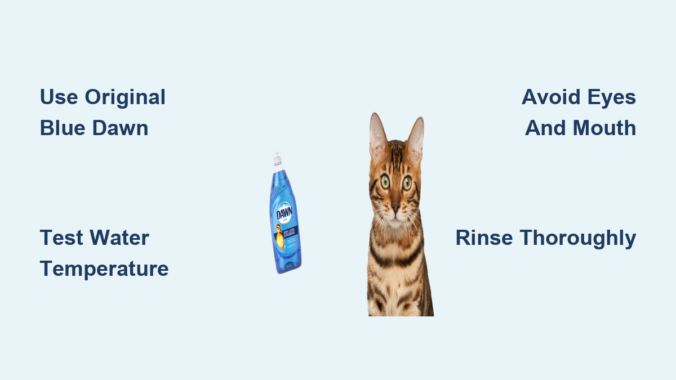
Many new kitten owners face a messy situation when their playful furball gets covered in sticky substances or grease that regular pet shampoo won’t remove. While Dawn dish soap has gained popularity as a solution for oily kitten emergencies, improper bathing techniques can cause more harm than good. This comprehensive guide provides the exact steps you need to safely bathe your kitten using Dawn dish soap—without causing stress, skin irritation, or hypothermia. You’ll learn the critical preparation steps most owners skip, the precise water temperature that prevents shock, and how to avoid the most common bathing mistakes that send panicked kittens running for cover.
Essential Safety Precautions Before Bathing Your Kitten
Before you even consider using Dawn on your kitten, you must verify this method is appropriate for your specific situation. Dawn dish soap should only be used for removing petroleum-based products, cooking oils, or other greasy substances that standard pet shampoos cannot handle. Never use Dawn as a regular shampoo—it strips natural oils and can cause skin irritation if used routinely. The soap must be the original blue formula, not antibacterial or scented varieties which contain harmful additives.
When Dawn Bathing Becomes Necessary
Dawn bathing is appropriate only in specific emergency situations such as:
– Your kitten walked through motor oil or grease
– They got cooking oil or butter in their fur
– They encountered tar or similar sticky substances
– They came into contact with toxic substances requiring immediate removal
Critical Age and Health Considerations
Never bathe kittens younger than 4 weeks old— their bodies cannot regulate temperature properly. Kittens between 4-8 weeks should only be spot-cleaned unless absolutely necessary. Always check for these health red flags before proceeding:
– Respiratory issues: Sneezing or wheezing indicates bathing could worsen condition
– Low body temperature: Cold-to-the-touch ears or paws means immediate warming is needed first
– Open wounds: Dawn can sting and irritate broken skin
– Extreme stress: Panting, dilated pupils, or trembling means delay bathing until calm
Proper Preparation: Setting Up for a Stress-Free Bath

The difference between a traumatic experience and a manageable bath lies entirely in your preparation. Gather all supplies before bringing your kitten to the bathing area, as leaving your kitten unattended during the process creates dangerous escape opportunities.
Required Supplies Checklist
- Original blue Dawn dish soap (not antibacterial)
- Two soft towels dedicated only to kitten bathing
- Small container for mixing soapy water
- Sink or plastic tub with non-slip surface
- Thermometer (or your elbow for temperature check)
- High-velocity blow dryer (never use heat setting)
- Treats for positive reinforcement
- Non-slip mat for the bathing area
Creating a Calm Environment
Begin preparing the room 30 minutes before bathing. Choose the smallest room possible with minimal hiding spots—many owners find bathrooms work best due to their contained space. Place a non-slip mat in the tub and ensure all escape routes are blocked. Run warm water through the faucet for several minutes to eliminate any cold water shock. Most importantly, warm your towels in the dryer—they make the biggest difference in preventing hypothermia after the bath.
Step-by-Step Bathing Procedure: Minimizing Stress and Maximizing Safety
Water Temperature and Depth Essentials
Fill your sink or tub with just 2-3 inches of water at precisely 100-102°F (38-39°C)—slightly warmer than your skin temperature. Test with a thermometer or your inner wrist; it should feel pleasantly warm but not hot. Never fill the container while your kitten is present, as the sound of running water increases anxiety. The shallow depth prevents drowning risk while allowing you to control the kitten without submerging them.
Proper Soap Application Technique
Dilute Dawn in a separate container using a 5:1 water-to-soap ratio before applying. Never pour soap directly onto your kitten. Using a washcloth or your hands, gently work the diluted solution into the affected areas, avoiding the face, ears, and eyes completely. Focus on one small section at a time, using minimal pressure—kitten skin is extremely delicate. For heavily soiled areas, allow the soap to sit for no more than 2 minutes before rinsing.
Effective Rinsing Method to Prevent Residue
Rinsing thoroughly is more critical than washing, as Dawn residue causes the most skin irritation. Use a cup or handheld sprayer to rinse with clean, warm water, working in the direction of hair growth. Check rinse water color—if it remains soapy, continue rinsing. The most common mistake owners make is insufficient rinsing, leading to persistent skin irritation that requires veterinary attention.
Emergency Troubleshooting During Kitten Bathing

Handling Extreme Kitten Panic
If your kitten begins thrashing uncontrollably, immediately stop the bath. Wrap them gently but firmly in a towel and take a 15-minute break. Try speaking in a calm, high-pitched voice and offer a treat. Never force a bath to completion if your kitten is in distress—partial cleaning followed by professional help may be safer. For severely panicked kittens, consider using the “burrito method” where you wrap them in a towel with only the affected area exposed.
Addressing Accidental Soap Exposure to Sensitive Areas
If soap gets near eyes or mouth:
1. Immediately flush with clean, warm water using a cup (never spray directly)
2. Wipe gently with a damp cloth moving outward from the eye
3. Monitor for excessive blinking or pawing at face
4. Contact your veterinarian if irritation persists beyond 30 minutes
Post-Bath Care: Preventing Hypothermia and Stress Recovery
:strip_icc()/how-to-bathe-a-kitten-4178383-hero-db11f6577209449da473c392a4ea69a3.jpg)
Proper Drying Protocol
Gently squeeze excess water from fur without rubbing, then wrap your kitten in a warm towel. Replace towels as they become wet—using multiple pre-warmed towels works best. Never use a hair dryer on heat, but a cool setting on low velocity held at least 18 inches away can help. Most importantly, hold your kitten against your body to share your warmth during the drying process, which significantly reduces stress.
Monitoring for Post-Bath Complications
Watch for these warning signs in the 24 hours following the bath:
– Persistent shivering beyond 30 minutes
– Refusal to eat or drink for more than 4 hours
– Excessive scratching indicating skin irritation
– Labored breathing or nasal discharge
– Lethargy beyond normal post-stress recovery period
When to Seek Professional Help Instead of Bathing
Certain situations absolutely require veterinary intervention rather than at-home bathing:
– If your kitten came into contact with antifreeze (Dawn won’t remove it safely)
– When the substance is unknown or potentially toxic
– If your kitten shows signs of poisoning before bathing
– When more than 50% of the body is affected
– If previous bathing attempts have failed
Safe Alternatives to Dawn for Routine Kitten Cleaning
For non-emergency situations, these gentler options work better:
– Pet-safe dry shampoos formulated for kittens
– Unscented baby wipes for spot cleaning
– Cornstarch for oil absorption between baths
– Commercial pet stain removers specifically designed for kittens
Preventing Future Bathing Emergencies
The best bath is the one you never have to give. Keep your kitten away from potential hazards by:
– Storing cooking oils and automotive products in sealed cabinets
– Using baby gates to restrict access to kitchens and garages
– Supervising outdoor time in secure enclosures
– Regularly checking your kitten after outdoor access
Final Safety Considerations Before Your Next Kitten Bath
Remember that Dawn is a temporary solution for emergencies only—never substitute it for proper kitten hygiene products. After any Dawn bath, schedule a veterinary checkup to ensure no skin damage occurred. Most importantly, trust your instincts: if you feel unsure about any step, contact your veterinarian before proceeding. With proper technique, what seems like a daunting task becomes manageable, keeping your kitten clean and healthy without unnecessary stress. Keep this guide handy for emergencies, but strive to create an environment where such baths become rarely needed.
Leave a Reply