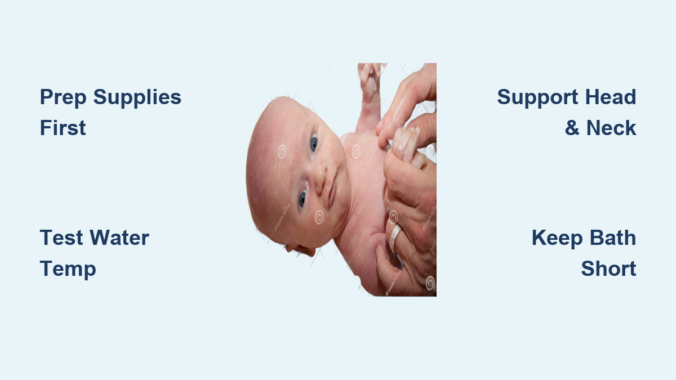
Bathing your three-month-old baby can feel intimidating at first. Those tiny limbs seem fragile, and your newborn who just arrived home from the hospital now weighs more and moves more than before. Many parents feel uncertain about proper technique, water temperature, how long the bath should last, or whether they’re doing everything correctly. The good news is that bathing a three-month-old becomes straightforward once you understand the essential safety principles, preparation steps, and gentle handling techniques that pediatricians recommend.
This guide walks you through everything you need to know to give your three-month-old a safe, comfortable, and enjoyable bath experience—from gathering supplies before you start to the final gentle towel dry. Whether you’re a first-time parent or caring for a baby again after years, these practical steps will build your confidence and keep your little one safe during each bath time.
Gather Everything Before Starting
Preparation is the most important aspect of bathing a three-month-old. Babies can slip unexpectedly, and leaving your baby unattended—even for seconds—to grab a forgotten item creates serious safety hazards. Before you begin, ensure every supply sits within arm’s reach of the bathing area.
Essential supplies for a three-month-old bath include: a baby bathtub or clean sink with warm water, baby wash or gentle cleanser formulated for infant skin, a soft washcloth, baby shampoo if your little one has hair, clean diapers and clothing, a soft hooded towel, cotton balls or gauze pads for cleaning around the eyes, and a diaper cream or moisturizer if needed. Having these items ready before you start keeps your attention fully on your baby throughout the bath.
Consider setting up a designated bathing station on a changing table or flat, safe surface near the sink or bathtub. Keep the room warm—babies lose body heat quickly when wet, and a chilly environment can make bath time stressful rather than enjoyable. A room temperature between 75 and 80 degrees Fahrenheit helps your baby stay comfortable.
Set Up the Bathing Area Safely
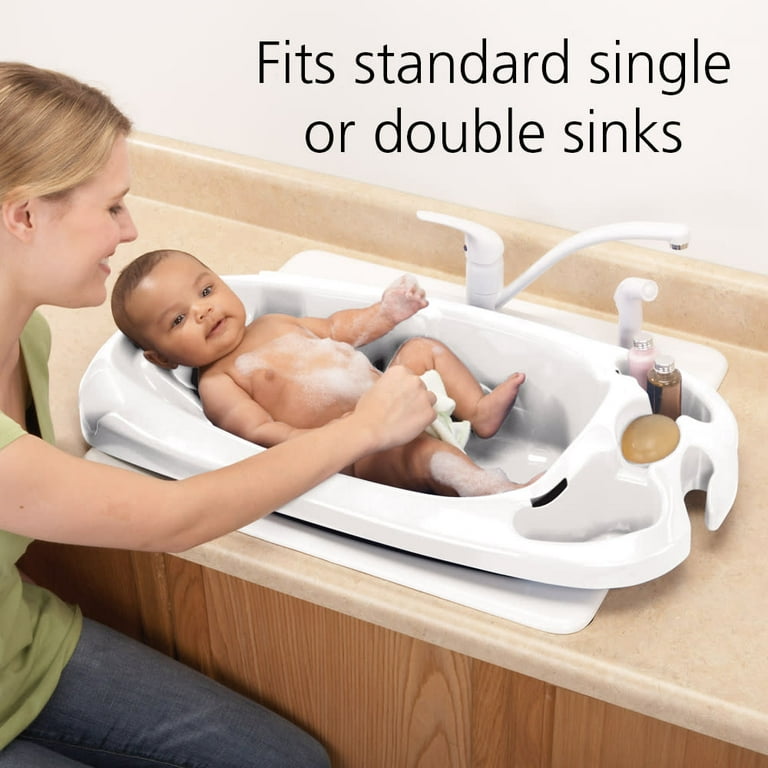
The surface where you place your baby during bath time requires careful attention. If using a baby bathtub, ensure it sits securely on a stable countertop, the edge of a regular bathtub, or a specialized bath stand designed for infant tubs. Never place the tub on an elevated surface where it could fall, and never leave your baby unattended in any amount of water.
For three-month-olds, the traditional baby bathtub works well because it supports the baby’s body while allowing you to keep one hand on your little one at all times. Some parents prefer using a clean kitchen sink, which provides a convenient height and often has a faucet that allows for easy temperature adjustments. If using a sink, remove any dishes or food residue first and line the bottom with a soft towel or non-slip bath mat to prevent sliding.
Fill the tub with warm water—around 100 degrees Fahrenheit or roughly 38 degrees Celsius. Test the water temperature by dipping your elbow or inner wrist into the tub, as these areas sense temperature more accurately than your hands. The water should feel warm but not hot, similar to the temperature you’d find comfortable for a warm compress. Aim for a water depth of about two to four inches, enough to cover your baby’s legs and bottom without covering the face.
Master Proper Holding Technique
Supporting your three-month-old correctly during bath time requires understanding how to keep their head, neck, and body stable while you clean them. At this age, babies lack the muscle control to hold their heads upright, so your hands provide all the necessary support.
The cradle hold works best for most parents during infant baths. Place your baby’s head and neck along your forearm, with your hand supporting their bottom and legs. Your fingers should wrap gently around the baby’s upper arm on the far side, creating a secure cradle that keeps the head above water while your other hand does the washing. This position feels natural once you practice it a few times and allows you to control the baby’s movement while keeping their face dry.
Keep a firm but gentle grip throughout the bath. Babies are surprisingly strong and can suddenly kick or twist, potentially slipping from your hands. Maintain constant physical contact with your baby from the moment you lower them into the water until you lift them out and wrap them in a towel. If you must briefly step away—though this isn’t recommended—ask another adult to hold the baby while you attend to something, even if it means cutting the bath short.
What to Do If Your Baby Cries During Bath Time
If your three-month-old becomes upset during bath time, stay calm and assess the situation. Check if the water temperature has cooled, if your grip feels insecure to them, or if light is bothering their sensitive eyes. Gently talking or singing can soothe many babies, as can maintaining eye contact and showing a calm expression. If crying persists despite your efforts, don’t force the bath—wrap your baby in a towel and try again later. Some babies simply need time to adjust to the bathing experience.
Wash Your Baby Effectively

With your baby securely supported, begin the bath by using a soft washcloth dampened with warm water to gently wipe their face. Pay special attention to the eye corners, using a clean corner of the cloth for each eye to prevent spreading any discharge or crust. Clean around the nose and mouth, being very gentle around the delicate nostrils and lips.
Move to the body next, using a small amount of baby wash on the washcloth or directly in the bathwater. Clean all skin folds thoroughly—behind the ears, around the neck, under the arms, between the fingers and toes, and in the genital area. Three-month-olds often have folds of skin that can collect milk residue, drool, or dead skin, so these areas need particular attention. Use gentle circular motions and avoid scrubbing, which can irritate sensitive infant skin.
For the hair, if your baby has any, use a tiny amount of baby shampoo and gently massage the scalp with your fingertips or a soft brush designed for infants. Rinse carefully using a cup of clean warm water poured slowly over the head, always using your free hand to shield the baby’s eyes and forehead from the running water. Keep the bath brief—five to ten minutes is sufficient for a three-month-old. Prolonged exposure to warm water can dry out their skin and make them uncomfortably cold.
Keep Bath Time Comfortable Throughout
Temperature regulation matters significantly for three-month-olds, who can’t yet shiver effectively to generate body heat. Monitor your baby throughout the bath for signs of discomfort or cold. If you notice trembling, bluish lips, or fussiness that wasn’t present at the start, the water may be cooling too quickly or the room temperature may be too low.
Keep adding small amounts of warm water as needed to maintain a comfortable temperature, but be careful not to make the water too hot. Never add hot water directly to a baby in the tub—always mix it in a separate container first and test it thoroughly. The safest approach is to prepare the bath at the correct temperature from the start and keep the session short enough that reheating isn’t necessary.
Watch your baby’s cues to determine their tolerance for bath time. Some three-month-olds love the warm water and relaxed feeling, while others find the experience overstimulating. If your baby becomes fussy or cries throughout the bath, keep sessions brief and try different times of day to find when your baby is most relaxed. Some babies bath best in the morning when they’re alert, while others prefer evening baths as part of a calming bedtime routine.
Complete the Bath and Dry Thoroughly

When the bath concludes, lift your baby out of the water immediately using the secure cradle hold, supporting the head and neck at all times. Place them on a soft, dry towel spread out on a flat, safe surface like a changing table or bed. Don’t wait to dry—babies lose heat quickly once removed from the warm water.
Pat your baby’s skin dry gently rather than rubbing, paying special attention to all skin folds where moisture can collect. Leaving these areas damp can lead to irritation or yeast infections in the folds. Once the skin is mostly dry, apply baby moisturizer if your baby’s skin tends to be dry, though many three-month-olds don’t need lotion after every bath.
Dress your baby promptly in clean, warm clothing. At this age, babies can’t regulate their body temperature well, so layering works better than heavy single garments. A onesie topped with a light shirt and pants, plus socks, typically provides appropriate warmth. If your baby has cradle cap or dry skin on the scalp, you can gently brush the affected areas after the bath while the skin is softened.
Avoid Common Bath Time Mistakes
New parents sometimes make innocent mistakes that create unnecessary risks during bath time. Understanding these common errors helps you avoid them and keep your baby safe.
Never leave your baby unattended in the bath, even for a moment. Babies can drown in just inches of water, and drowning happens silently without the dramatic splashing many people expect. If you must answer the phone or door, take your baby with you wrapped in a towel—never rely on a sibling or other child to supervise.
Avoid using adult soaps, shampoos, or bubble baths on your three-month-old. These products contain fragrances, dyes, and chemicals that can irritate infant skin and cause rashes or dryness. Stick to products specifically formulated for babies, and even then, test new products on a small patch of skin before using them all over.
Don’t fill the tub too deeply. Water above your baby’s chest increases the risk of accidental drowning and makes temperature regulation more difficult. Two to four inches provides enough water for effective cleaning while keeping your baby’s face safely above water level.
Finally, resist the temptation to use bath seats or rings designed to hold babies upright. These products give parents a false sense of security and have been linked to drownings when babies slip or the devices tip over. Your hands remain the safest support for your three-month-old throughout every bath.
Make Bath Time Enjoyable for Baby
Beyond safety, bath time offers valuable bonding opportunities and can become something your three-month-old genuinely enjoys. Talk to your baby calmly throughout the bath, describing what you’re doing and using a gentle, reassuring tone. Your voice provides comfort and helps your baby associate bath time with positive experiences.
Introduce bath toys gradually—though three-month-olds aren’t yet ready for elaborate play, they often enjoy watching a soft rubber duck float or feeling the water splash from a cup. Some babies love having their feet kicked in the water, which you can gently demonstrate while maintaining control of their body. These positive associations make future baths easier and turn routine hygiene into an anticipated activity.
Pay attention to what specifically your baby enjoys and adapt your approach accordingly. Some babies prefer being more submerged with warm water covering their chest, while others feel more secure with less water coverage. Some love having their hair washed, while others find it startling at first. By tuning into your baby’s preferences and responses, you can customize bath time to create the most pleasant experience for your little one.
Leave a Reply