Nothing ruins a relaxing bath experience faster than a pop-up drain plug that won’t stay down or refuses to seal properly. When your bath plug malfunctions, water either won’t drain when you want it to or won’t stay contained when you need it. Most homeowners face this frustrating issue at some point, but the good news is that fixing a pop-up plug in bath is typically a straightforward DIY project requiring basic tools and minimal plumbing knowledge. This comprehensive guide shows you exactly how to diagnose and repair common pop-up drain problems, saving you the cost of calling a plumber for what’s often a simple fix.
Why Your Bath Pop-Up Plug Won’t Stay Down
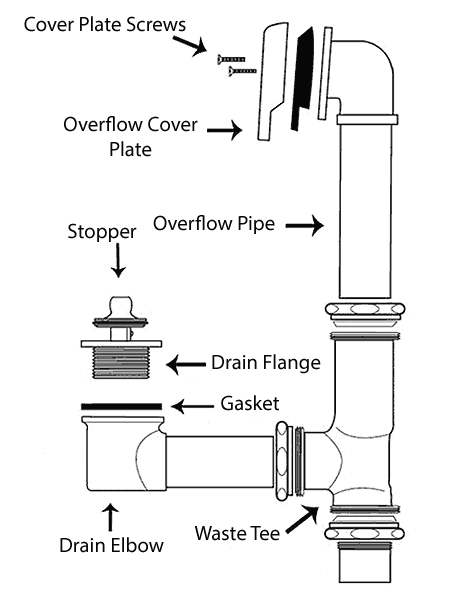
When your pop-up plug slides back up immediately after you push it down, the culprit is usually an improperly adjusted lift rod connection or mineral buildup interfering with the mechanism. The lift rod connects to the pivot rod through a small clip that controls the plug’s vertical position. If this connection has loosened over time, the plug won’t maintain its seated position. Start by locating the pivot rod access point under your tub’s overflow plate – you’ll need to remove the decorative plate covering the overflow pipe to access it.
Adjust the Pivot Rod Clip Position: With the plug in the down position, examine how the pivot rod connects to the stopper assembly. You should see a small metal clip holding these components together. Loosen this clip slightly using needle-nose pliers, then slide it approximately 1/4 inch toward the stopper. This minor adjustment increases the downward pressure when you push the plug down. Retighten the clip, test the plug, and repeat if necessary until the plug stays securely in place without requiring excessive force.
Clean Mineral Deposits from the Drain Flange: Hard water deposits often accumulate around the drain flange where the plug seats, preventing a proper seal. Remove the plug entirely by unscrewing it from the pivot rod (usually requires twisting counterclockwise). Soak the plug in white vinegar for 30 minutes to dissolve mineral buildup, then use an old toothbrush to scrub the drain flange opening. Rinse thoroughly before reinstalling the plug. For stubborn deposits, wrap a cloth around a screwdriver handle and gently work it around the flange opening to dislodge buildup without scratching your tub.
Troubleshooting a Stuck Pop-Up Plug That Won’t Rise
If your bath plug refuses to pop up when you lift the handle, you’re dealing with a disconnected or jammed mechanism. This common issue usually stems from a dislodged pivot rod connection or a broken lift rod spring. Unlike the “won’t stay down” problem, this malfunction prevents water drainage and creates an immediate inconvenience.
Check the Lift Rod Connection Behind the Faucet: Remove the overflow plate to access the pivot rod assembly. Locate where the vertical lift rod connects to the horizontal pivot rod – this junction should have a small clip or setscrew holding them together. If the clip has slipped off or the setscrew has loosened, the connection has failed. Reattach the clip securely or tighten the setscrew while holding both rods in proper alignment. Test the handle movement; you should feel resistance as the plug moves within the drain.
Clear Obstructions from the Overflow Pipe: Hair, soap scum, and other debris frequently accumulate in the overflow pipe, jamming the lift rod mechanism. Use a bent wire hanger or specialized drain hook to gently pull out any obstructions you can reach. For deeper blockages, feed a small section of plumber’s snake through the overflow pipe to break up and remove the clog. After clearing debris, apply a small amount of plumber’s grease to the lift rod to ensure smooth movement through the pipe.
Fixing a Leaking Pop-Up Drain Assembly
Water seeping around your bath drain flange indicates a failed seal that requires immediate attention to prevent water damage to your subfloor and surrounding structure. Unlike operational problems, leaks demand prompt action to avoid costly repairs down the line.
Replace the Drain Flange Washer: The rubber washer between the drain flange and your tub surface deteriorates over time, causing leaks. To replace it, unscrew the pop-up plug from the pivot rod, then use a drain key tool (or large screwdriver) to turn the flange counterclockwise. Lift out the old flange, remove the worn washer, and install a new one of identical size. Apply a thin bead of plumber’s putty around the underside lip of the flange before reinstalling it to create a watertight seal. Hold the flange firmly in place for 30 seconds as the putty sets.
Tighten the Pivot Rod Nut Under the Tub: Many leaks originate from loose connections beneath the tub rather than the visible flange. Access the drain assembly through your bathroom’s access panel (or by removing ceiling drywall if no panel exists). Locate the large nut securing the pivot rod assembly to the drain body and tighten it slightly with channel-lock pliers. Be careful not to overtighten, as this can crack the plastic components. Test for leaks by running water in the tub before closing up the access area.
Essential Tools for Pop-Up Plug Repairs

Having the right tools makes bath plug repairs significantly easier and prevents damage to your fixtures during the repair process. Most homeowners already have several of these basic tools in their garage or toolbox.
- Needle-nose pliers for manipulating small clips and connections
- Small adjustable wrench for tightening nuts under the tub
- Drain key tool (or large flat-head screwdriver) for removing the drain flange
- Plumber’s grease to lubricate moving parts without damaging rubber components
- White vinegar for dissolving mineral deposits
- Replacement washers and O-rings matching your specific drain model
Before starting any repair, shut off the water supply to your tub and clear the area under the tub of stored items. Keep a bucket and towels nearby to catch any water that may drain out during the repair process. Working with a flashlight or headlamp provides better visibility in the confined space under your tub.
When to Call a Professional Plumber
While most pop-up plug issues can be resolved with DIY repairs, certain situations warrant professional assistance. If you’ve attempted basic adjustments without success or notice significant corrosion in the drain assembly, it’s time to consult a licensed plumber. Complete drain body replacement becomes necessary when the metal components have corroded beyond repair or when the drain flange has cracked.
Persistent leaks that continue after replacing washers and seals often indicate problems with the drain pipe connections beneath your tub – a repair requiring specialized plumbing knowledge and tools. If you’re uncomfortable working in tight spaces or lack confidence in your plumbing skills, don’t hesitate to call a professional. The cost of a plumber’s service call (typically $75-$150) may be worthwhile to prevent water damage from improper repairs.
Preventing Future Pop-Up Drain Problems
Regular maintenance extends the life of your bath drain mechanism and prevents most common problems from developing. Implement these simple habits to keep your pop-up plug functioning smoothly for years:
Monthly Maintenance Routine
– Operate the plug through 5-10 complete cycles to prevent mechanism seizing
– Inspect for loose connections or visible corrosion
– Clean visible components with vinegar and a soft brush
– Apply plumber’s grease to all moving parts
Avoid These Common Mistakes
– Never use chemical drain cleaners that damage rubber seals
– Don’t force the plug if it’s stuck – investigate the cause first
– Avoid over-tightening connections which can crack plastic parts
– Don’t ignore minor leaks that indicate early seal failure
Pro Tip: Keep replacement washers and O-rings on hand for quick fixes. Most hardware stores sell universal drain repair kits containing these essential components for under $10. Label the kit with your tub model information so you always have the right parts when needed.
Final Note: With these practical solutions, you can confidently tackle most pop-up plug issues in your bath without professional help. Most repairs take less than 30 minutes and require only basic tools you likely already own. By understanding how your specific drain mechanism works and addressing problems promptly, you’ll enjoy reliable bath drainage for years to come. Remember that prevention through regular maintenance is always more cost-effective than emergency repairs when leaks develop. If you encounter complications beyond your comfort level, don’t hesitate to consult a plumbing professional to ensure the job gets done right the first time.
Leave a Reply