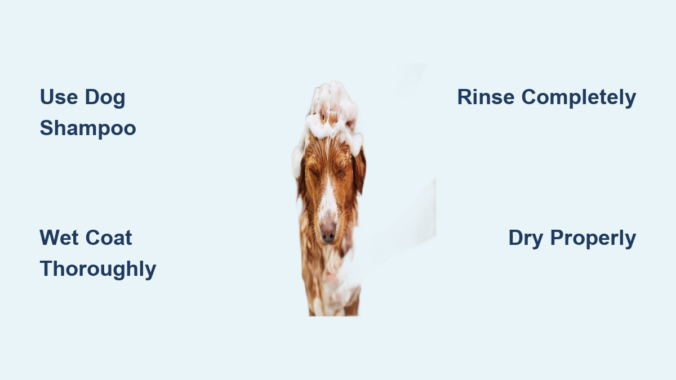
Bathing your dog shouldn’t feel like wrestling a wet noodle. Yet countless pet owners dread bath time as their normally obedient pup transforms into a slippery escape artist the moment water appears. The truth is that with the right approach, dog bathing becomes a bonding experience that leaves both you and your furry friend feeling satisfied. This practical guide reveals exactly how to dog bath your canine companion without the chaos, using proven techniques that transform resistance into cooperation. You’ll discover why most bath-time battles stem from simple preparation mistakes and learn the professional groomer secrets that make washing your dog efficient, effective, and even enjoyable.
Gather Your Bathing Supplies Before Bringing Out the Water
Never start a dog bath without every item within arm’s reach—scrambling for forgotten supplies while your dog waits creates stress that escalates into resistance. Assemble these essentials before calling your dog to the bathing area: dog-specific shampoo (human products disrupt their skin’s pH balance), multiple absorbent towels, a handheld sprayer or cup for rinsing, non-slip mat for secure footing, brush appropriate for your dog’s coat type, cotton balls for ear protection, and high-value treats for positive reinforcement. For dogs with thick undercoats, include a slicker brush and undercoat rake. Professionals recommend keeping your bathing station permanently set up in a garage, utility sink, or dedicated bathing area to eliminate setup time and create routine familiarity for your pet.
Why Dog-Specific Shampoo Matters More Than You Think
Using human shampoo on dogs causes more than just temporary irritation—it disrupts their natural skin barrier, leading to dryness, flaking, and increased vulnerability to infections. Dogs have a higher skin pH (around 7.5) compared to humans (5.5), meaning human products strip away protective oils and compromise their skin’s defense system. Opt for veterinary-recommended shampoos formulated for your dog’s specific needs: oatmeal-based for sensitive skin, hypoallergenic for allergy-prone pups, or medicated formulas for skin conditions. When introducing a new product, conduct a patch test on a small area first to check for reactions, and always avoid shampoos with parabens, artificial dyes, and strong fragrances that can trigger sensitivities.
Master the Water Introduction Technique for Anxious Dogs

The moment water hits your dog’s paws often determines whether bath time becomes a battle. Instead of immediately dousing your pet, begin by having them stand on the non-slip mat while you gently splash lukewarm water over their paws using a cup—never spray directly from a hose or showerhead, which can startle sensitive dogs. The ideal water temperature should feel slightly cool to your elbow (around 90-95°F), mimicking the temperature you’d use for a human baby. For water-phobic dogs, start with just dampening their paws for 30 seconds during the first session, then gradually increase water contact time over multiple short sessions. Reward calm behavior with high-value treats like small pieces of cooked chicken or commercial training treats, creating positive associations before you even begin wetting their body.
How to Wet Thick and Double-Coated Breeds Properly
Owners of huskies, golden retrievers, and other double-coated breeds often make the critical mistake of only wetting the top layer of fur, leaving the undercoat dry where odor and dirt accumulate. To properly saturate these complex coats, use your free hand to lift sections of fur while directing water downward toward the skin. Start at the neck and work backward, using a handheld sprayer on low pressure to avoid startling your dog. Pay special attention to the chest, belly, and tail base—areas where moisture gets trapped and causes odor. The entire coat should feel uniformly damp to the touch before applying shampoo, which typically takes 3-5 minutes for medium-sized double-coated dogs. Skipping this thorough wetting step means shampoo won’t lather properly and won’t clean effectively.
Perfect Your Shampoo Application and Rinsing Technique

Apply shampoo to your hands first, then work it into your dog’s coat using firm circular motions that reach the skin—not just the surface fur. Start behind the ears and work backward toward the tail, following the natural direction of hair growth to prevent matting. Avoid the face entirely—use a damp washcloth for gentle cleaning around eyes and muzzle. The critical mistake 80% of owners make happens next: insufficient rinsing. Continue rinsing until water runs completely clear and your hands glide smoothly through the coat without resistance. For long-haired breeds, lift sections and rinse from multiple angles to ensure no soap remains trapped near the skin. Soap residue causes more skin irritation than leaving minor dirt behind, so dedicate at least as much time to rinsing as you did to shampooing.
Dry Your Dog Without Creating New Problems
Towel drying seems straightforward but contains pitfalls that lead to skin issues and lingering odors. Instead of vigorous rubbing (which causes static and tangles), press and absorb moisture using multiple clean towels. For thick-coated breeds, squeeze water from the coat section by section rather than attempting to dry the entire dog with one towel. When using a blow dryer, set it to the lowest heat setting and maintain a distance of at least 12 inches from the coat, moving constantly to prevent hot spots. Many professional groomers use high-velocity dryers that remove moisture from the undercoat without heat—these are particularly valuable for dogs who swim frequently or have water-resistant coats. Never let your dog air-dry completely, as dampness trapped against the skin creates the perfect environment for bacterial and yeast infections.
Establish a Bathing Schedule That Actually Works
Most dog owners bathe either too frequently or not often enough, both causing skin problems. The ideal bathing frequency depends on your dog’s specific characteristics rather than a one-size-fits-all schedule. Active dogs who swim weekly may need bathing every 7-10 days with a gentle, moisturizing shampoo, while short-haired breeds like beagles typically thrive with baths only every 6-8 weeks. Dogs with skin conditions often require medicated baths on a veterinarian-prescribed schedule, while senior dogs may need less frequent bathing due to thinner skin. Watch for these indicators that it’s bath time: persistent “wet dog” odor after drying, visible dirt that brushing won’t remove, or increased scratching. Between baths, use waterless foams or wipes for targeted cleaning of paws and undercarriage to maintain freshness without stripping natural oils.
Transform Bath Time Resistance into Cooperation
When your dog bolts at the sight of the tub, traditional methods of restraint only worsen the problem. Instead, implement these professional techniques: place non-slip mats on both sides of the tub so your dog can enter and exit without sliding, use a grooming loop for gentle restraint that doesn’t trigger fight-or-flight responses, and consider bathing during cooler parts of the day when your dog is naturally calmer. For severely anxious dogs, try “dry runs” where you go through the entire bathing routine without water to build positive associations. Place high-value treats in the tub when it’s empty, then gradually introduce water while maintaining rewards. If resistance persists, consult a certified professional dog trainer who specializes in cooperative care techniques—they can teach your dog to voluntarily participate in grooming activities through positive reinforcement.
Post-Bath Care That Prevents Common Problems
The bathing process doesn’t end when the drying stops. Immediately after your dog is completely dry, perform these essential steps: gently remove cotton balls from ears (if used), check for any missed soap residue around the tail base and under legs, and brush the coat thoroughly to prevent matting as it dries completely. Trim nails while they’re softened from the bath, but avoid cutting too short—when in doubt, clip small amounts frequently rather than risking the quick. Most importantly, provide enthusiastic praise and a special reward to cement positive associations. This post-bath ritual transforms a chore into a predictable routine your dog learns to accept, if not anticipate with pleasure. Within 2-3 consistent sessions using these methods, you’ll notice dramatically reduced resistance and a cleaner, happier dog who no longer views bath time as something to fear.
Leave a Reply