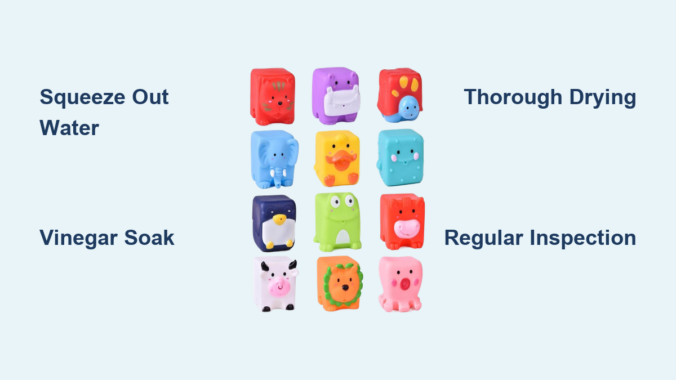
Squeeze a rubber duck after bath time and watch murky water drip out? You’ve just witnessed why knowing how to clean squirt bath toys properly is essential for your child’s health. These seemingly harmless toys harbor dangerous mold and bacteria in their hidden chambers, creating a breeding ground that standard cleaning often misses. When water gets trapped inside these toys with nowhere to escape, it transforms your child’s favorite bath companions into potential health hazards. The moist, dark interior provides the perfect environment for microorganisms to multiply rapidly, putting your family at risk every time those toys hit the water.
This isn’t just about unpleasant surprises during bath time—it’s a genuine health concern that pediatricians increasingly warn about. Children’s developing immune systems make them particularly vulnerable to the respiratory issues, skin irritations, and infections that mold-contaminated toys can cause. The good news? With the right cleaning techniques, you can rescue your existing toys and prevent future problems without spending a fortune on replacements. In the next few minutes, you’ll discover practical, proven methods to clean, dry, and maintain your squirt toys so they stay safe for years of splashing fun.
Why Standard Cleaning Fails for Squirt Toys
The very design that makes squirt bath toys entertaining creates their biggest cleaning challenge. When your child squeezes these toys underwater, water enters through small openings but rarely drains completely. This trapped moisture sits in dark, enclosed spaces where mold thrives undetected until it’s too late. Unlike surface cleaning that removes visible grime, effective cleaning must address the hidden interior where microbial growth occurs.
Mold inside these toys releases spores into bathwater, which children can easily inhale or swallow during play. The Centers for Disease Control and Prevention has documented cases of respiratory problems and infections directly linked to contaminated bath toys. Even mild mold exposure can trigger coughing, wheezing, and skin reactions in sensitive children. Beyond health risks, mold breaks down rubber and plastic materials over time, causing toys to deteriorate faster and develop unpleasant odors that soap alone can’t eliminate.
Essential Supplies for Effective Squirt Toy Cleaning
Skip the guesswork and gather these specific items before starting your cleaning session. Having everything prepared saves time and ensures you complete the process thoroughly without interruptions.
Your squirt toy cleaning arsenal should include:
- White distilled vinegar (5% acidity, no additives)
- Baking soda for gentle scrubbing
- Mild dish soap formulated for baby items
- Medium-sized bowl for soaking
- Soft-bristled toothbrush (dedicated to cleaning)
- Clean microfiber towels
- Mesh laundry bag (for vinegar soaks)
- Hydrogen peroxide (3% concentration) for stubborn mold
For toys with severe mold issues, consider adding a small funnel to help direct cleaning solutions into narrow openings. Keep all cleaning supplies in a designated container that stays out of children’s reach when not in use. Remember: never mix vinegar and bleach, as this creates toxic fumes.
Daily Cleaning Routine That Prevents Mold
Establish this simple 2-minute process after every bath to stop mold before it starts. The key is removing trapped water immediately while toys are still wet.
Squeeze each toy repeatedly under running water, alternating between submerging and releasing. Continue this pumping action until only clear water emerges—this typically takes 10-15 squeezes per toy. Shake each toy vigorously while holding openings downward, then place them on a clean towel with openings facing down to encourage drainage. Never stack wet toys or store them in sealed containers, as this traps moisture inside.
This daily habit removes 80% of the water that would otherwise remain trapped, dramatically reducing the conditions mold needs to grow. Families who implement this routine report mold-free toys lasting 2-3 times longer than those cleaned only occasionally.
Vinegar Deep Cleaning Method for Stubborn Mold
When regular cleaning isn’t enough, this vinegar soak eliminates established mold without harsh chemicals. Vinegar’s natural acidity breaks down biofilm—the slimy layer that protects mold colonies inside toys.
Fill a bowl with equal parts white vinegar and warm water, ensuring depth for complete submersion. Place toys in a mesh bag (to prevent floating) and soak for 30 minutes minimum. For severe cases, extend to 2 hours—but never exceed 4 hours as prolonged exposure can degrade rubber. After soaking, remove toys and rinse under running water while squeezing repeatedly to flush out loosened debris.
For persistent spots inside openings, create a baking soda paste and use your toothbrush to gently scrub the affected areas. Rinse thoroughly until water runs clear, then proceed immediately to drying—never let vinegar-treated toys air dry without rinsing, as residue can cause skin irritation.
Emergency Protocol for Heavy Mold Infestations

When black mold appears inside toy chambers, standard cleaning won’t suffice. Use this targeted approach for serious contamination while prioritizing child safety.
For hard plastic toys without rubber components, prepare a bleach solution of 1 tablespoon household bleach per quart of water. Submerge toys for exactly 5 minutes—no longer, as extended exposure damages materials. Immediately following, rinse under running water for 2 full minutes while squeezing repeatedly. Hydrogen peroxide offers a safer alternative: submerge toys in 3% solution for 15 minutes, then rinse thoroughly.
If mold persists after two treatment cycles or has penetrated deep into rubber components, discard the toy immediately. No cleaning method can safely eliminate mold that has compromised the material’s integrity. When in doubt, replace—your child’s health isn’t worth risking for a $2 toy.
The Critical Drying Process Most Parents Skip
Proper drying eliminates the final 20% of moisture that causes recurring mold problems. This step takes longer than cleaning but makes the difference between temporary relief and permanent solution.
After cleaning, squeeze toys 20-30 times while holding openings downward. Place them on a clean towel with openings angled downward to encourage drainage. Position near a fan or open window for faster drying—direct sunlight helps kill residual spores but may fade colors. For toys with complex interiors, use a hair dryer on cool setting to force air through openings for 30 seconds per toy.
Never store toys until completely dry—press your finger against openings to check for moisture. What feels dry to the touch may still harbor dampness inside. When uncertain, extend drying time by several hours. Toys should feel room temperature (not cool) and show no condensation inside openings before storage.
Smart Storage Solutions That Prevent Future Mold
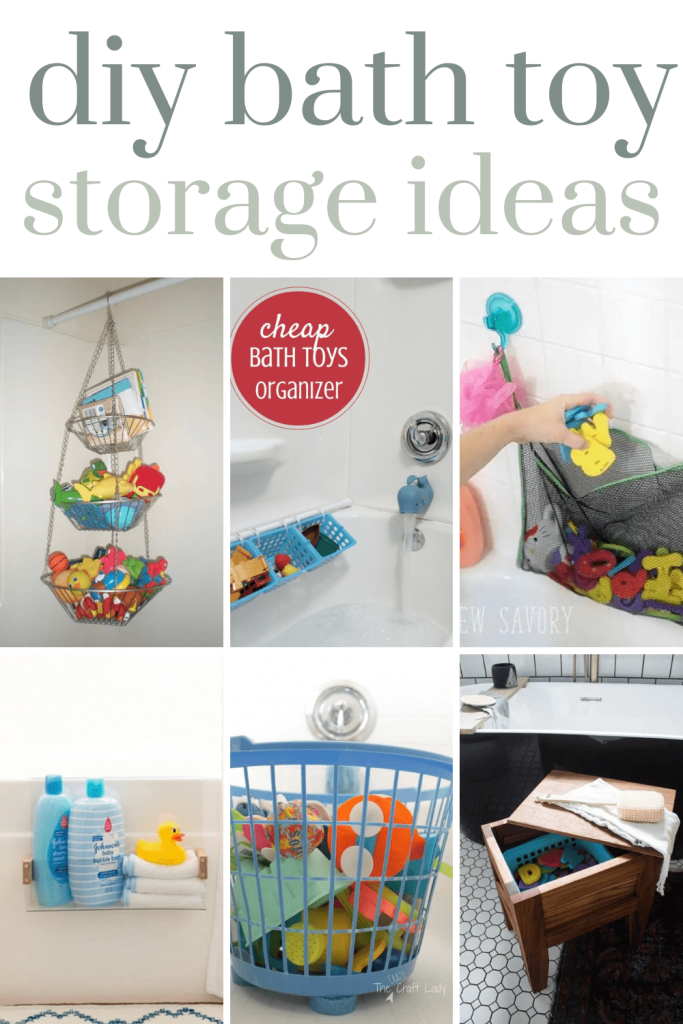
Where you store toys between baths matters as much as how you clean them. The bathroom’s humid environment defeats all your cleaning efforts if toys remain there between uses.
Transfer completely dry toys to an open basket in a well-ventilated area outside the bathroom—like your child’s bedroom or a hallway closet. Avoid sealed containers that trap residual moisture. If storing in the bathroom is unavoidable, use a mesh bag hung from the showerhead that allows 360-degree air circulation.
Consider drilling small drainage holes in toy bases for better airflow, but only if this won’t compromise the toy’s functionality. Rotate toys weekly to ensure each gets adequate drying time—this simple habit extends toy life by months while reducing cleaning frequency.
Monthly Maintenance Schedule for Long-Lasting Toys
Preventative care beats emergency cleaning every time. Implement this simple schedule to keep toys consistently clean:
After each bath: Squeeze toys under running water until clear, shake vigorously, store openings-down on towel
Weekly: Wipe exteriors with mild soapy water, inspect openings for discoloration
Monthly: Full vinegar soak for all toys, thorough drying verification
Quarterly: Replace any toys showing material degradation or persistent mold issues
This tiered approach takes less than 15 minutes monthly yet prevents 90% of serious mold problems. Set phone reminders until the routine becomes habit—your future self will thank you when bath time remains fun and worry-free.
When Cleaning Becomes Replacement Time
Some toys reach a point where cleaning can’t restore safety. Replace squirt bath toys immediately if you notice:
- Mold returns within days of thorough cleaning
- Material feels sticky or slimy even when dry
- Cracks or splits create inaccessible mold pockets
- Persistent unpleasant odors after multiple cleanings
- Your child develops unexplained coughing or skin reactions during bath time
Many parents find success with a toy rotation system—keep 3-4 toys in active use while others rest completely dry in storage. This extends overall toy life while ensuring no single toy accumulates excessive wear. Track purchase dates with a simple sticker on the toy’s base to anticipate replacement needs before problems arise.
Implementing these cleaning techniques transforms squirt bath toys from hidden health hazards into safe, long-lasting playthings. Start today with the vinegar soak method for your current collection, establish the 2-minute post-bath drying routine, and schedule monthly maintenance sessions. Within weeks, you’ll notice cleaner water, fresher-smelling toys, and peace of mind knowing your child’s bath time remains both fun and safe. Remember: consistent attention to these small details prevents major problems down the road—your child’s health is worth the few extra minutes it takes to clean squirt bath toys properly.
Leave a Reply