Your dog just rolled in something questionable during your walk, but it’s too cold for a bath. Or maybe your senior pup has joint issues that make bath time stressful. Whatever the reason, you need to freshen up your furry friend without water. Many pet owners don’t realize you can effectively clean a dog without bathing when you know the right techniques. This guide reveals practical waterless cleaning methods that remove dirt, eliminate odors, and keep your dog looking fresh between traditional baths.
Waterless dog cleaning has become essential for pet owners dealing with frequent outdoor adventures, sensitive skin conditions, or mobility challenges. Without proper dry cleaning techniques, dogs can develop skin irritations from trapped dirt or unpleasant odors that permeate your home. The good news is that professional groomers and veterinarians increasingly recommend these non-bath approaches for maintaining your dog’s hygiene while reducing stress. By the end of this guide, you’ll know exactly how to clean your dog without bathing using methods tailored to different coat types, specific messes, and your dog’s comfort level.
Dry Shampoo Techniques for Instant Freshness

How to Apply Powder Dry Shampoos Correctly
Powder dry shampoos work by absorbing oils and neutralizing odors at the source. Start by selecting a dog-specific formula—human products contain ingredients too harsh for canine skin. Sprinkle a small amount onto your palm, then rub your hands together to distribute evenly. Working against the grain of your dog’s coat, massage the powder directly into the skin at the roots where odors originate. Pay special attention to the armpits, neck, and tail base—common odor hotspots. Allow the powder to sit for 5-10 minutes while bonding with oils, then thoroughly brush out in the direction of hair growth. For best results, use this method 2-3 times weekly to prevent buildup.
Pro Tip: For white-coated dogs, choose cornstarch-based powders to avoid yellowing. Dark-coated dogs benefit from charcoal-based formulas that won’t leave visible residue.
When to Choose Foam Over Powder Formulas
Foam dry shampoos offer better control for targeted cleaning on specific problem areas like muddy paws or dirty faces. Pump the foam directly onto soiled areas, then massage gently with a soft cloth using circular motions. The foam lifts dirt to the surface without spreading it further. This method works particularly well for dogs with shorter coats that might show powder residue. After application, use a damp (not wet) microfiber cloth to wipe away the loosened debris. Complete the process with a thorough brushing session to restore coat shine.
Common Mistake: Avoid oversaturating the coat with foam—this defeats the purpose of waterless cleaning and can leave sticky residue.
Effective Brushing Methods for Dirt Removal
Choosing the Right Brush for Your Dog’s Coat Type
The right brush makes all the difference in dry cleaning effectiveness. Slicker brushes work best for medium to long-haired breeds, penetrating through topcoats to remove embedded dirt. Short-haired dogs benefit from rubber curry brushes that massage the skin while lifting surface debris. For double-coated breeds like Huskies, use an undercoat rake first to remove loose undercoat before finishing with a bristle brush. Always brush in sections, starting at the head and working toward the tail, to systematically remove dirt without missing spots.
Visual Cue: Watch for the brush filling with dirt and hair—that’s how you know it’s working effectively.
Daily Brushing Routine That Prevents Buildup
Establishing a daily 5-minute dry brushing routine prevents most cleaning emergencies. Focus on high-friction areas like behind the ears, under the collar, and along the spine where dirt accumulates fastest. Use short, firm strokes following the direction of hair growth. For dogs with sensitive skin, try a boar bristle brush which naturally distributes skin oils while cleaning. This regular maintenance removes dead skin cells and loose hair before they combine with environmental dirt to create stubborn odors. The bonus? Daily brushing reduces shedding by up to 80% according to professional groomers.
Time Estimate: A thorough dry brushing session takes 10-15 minutes for long-haired breeds, 5-7 minutes for short-haired dogs.
Targeted Spot Cleaning Solutions
Removing Grass Stains Without Water
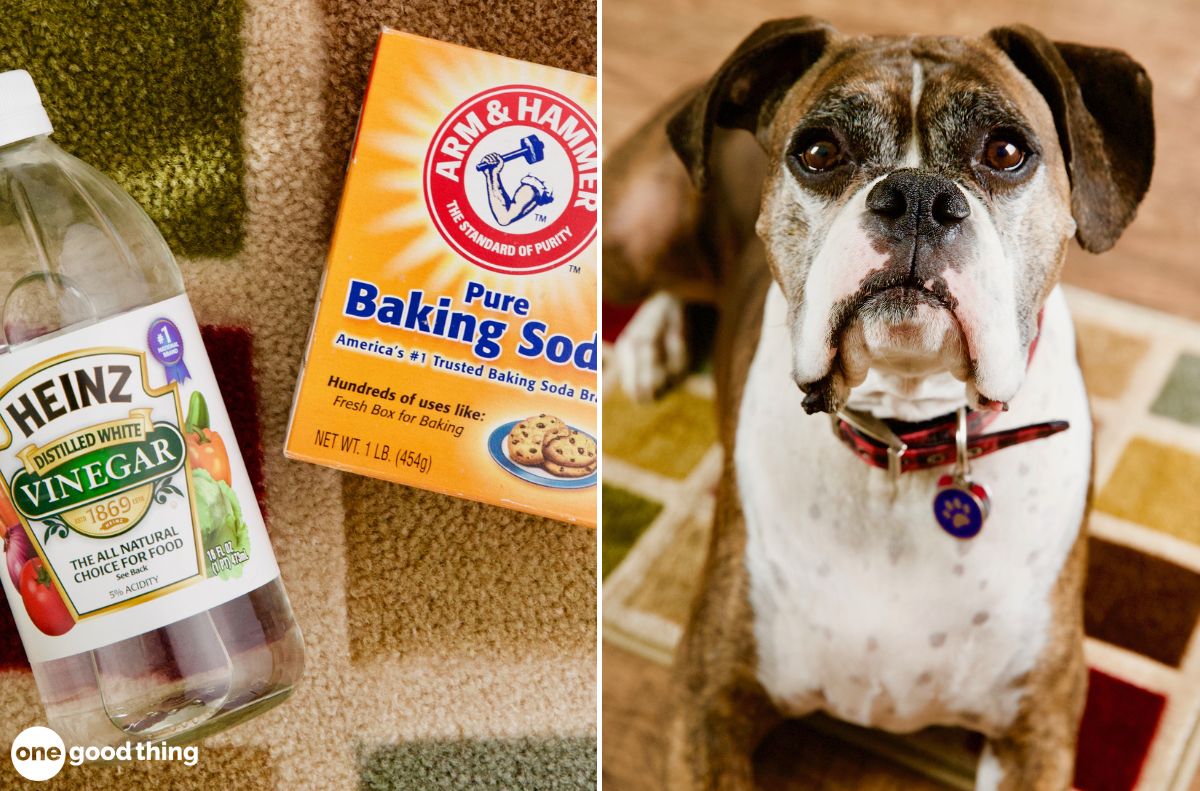
Grass stains require immediate attention before they set. Create a paste using baking soda and a tiny amount of water (just enough to form a paste—this isn’t a full bath!). Apply directly to the stained area and let sit for 3 minutes. Gently rub with a soft cloth using circular motions, then brush out the residue. For stubborn stains, repeat the process before finishing with a coat conditioner wipe to prevent dryness. This method works because baking soda’s mild abrasiveness lifts chlorophyll stains without harsh chemicals.
Warning: Never use human stain removers—they contain ingredients toxic to dogs if ingested during self-grooming.
Cleaning Dirty Paws After Outdoor Adventures
Keep a dedicated “paw cleaning station” by your door with dog-safe wipes and an absorbent mat. When your dog comes inside, lift each paw and wipe between the pads thoroughly—this area traps the most dirt and can track messes throughout your home. For extremely muddy paws, use a rubber paw cleaner tool: fill it with dry baking soda, insert the paw, and twist gently to remove debris from between toes. Follow with a quick brush of the lower legs to prevent dirt from working its way up the coat.
Expert Note: Check paw pads for cuts or embedded debris during cleaning—outdoor adventures often cause injuries you might not notice otherwise.
Deodorizing Techniques for Instant Odor Control
Homemade Deodorizing Sprays You Can Make Today
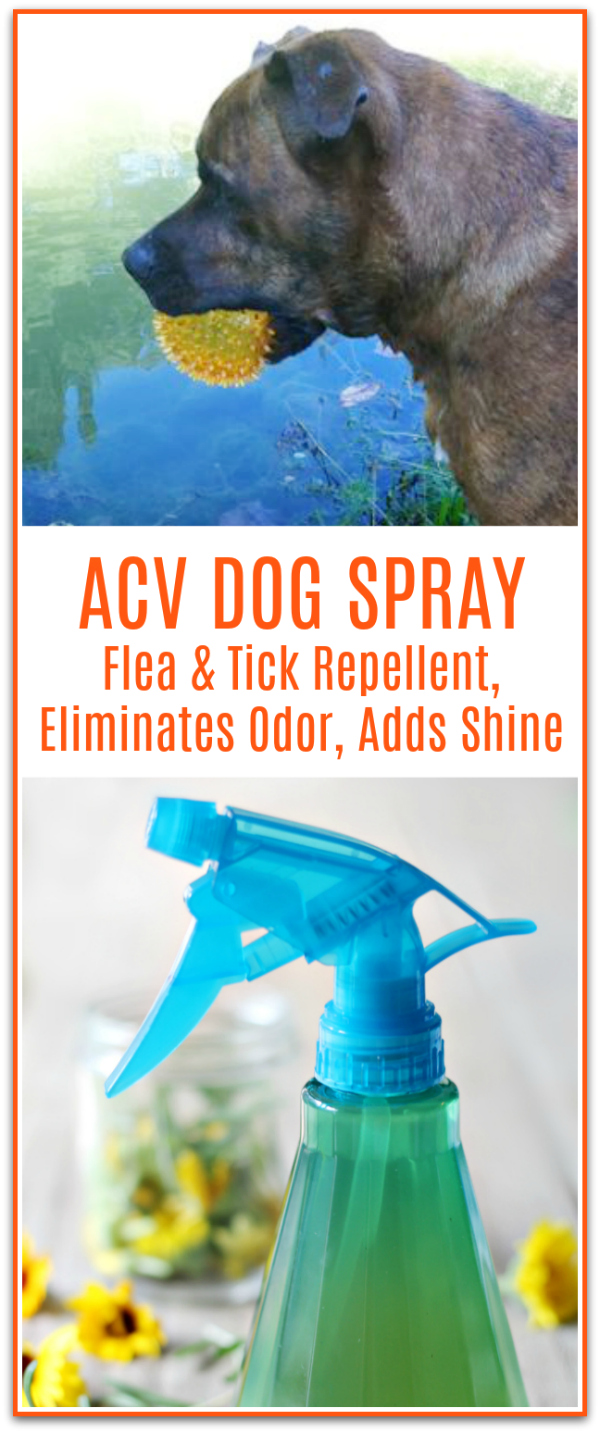
Create an effective odor neutralizer by combining 1 cup of water, 2 tablespoons of apple cider vinegar, and 10 drops of dog-safe essential oil (like lavender) in a spray bottle. Lightly mist your dog’s coat from 6 inches away, avoiding the face. The vinegar neutralizes odors while the essential oils provide a pleasant scent. Allow to air dry—no towel needed. This solution works because vinegar’s acidity counteracts the alkaline compounds that cause doggy odor, while being gentle enough for frequent use.
Breed-Specific Tip: For wrinkly-faced breeds like Bulldogs, apply this solution to a cloth first before wiping folds to prevent moisture buildup.
When to Use Baking Soda for Deep Odor Elimination
For severe odor situations (like skunk encounters), baking soda provides powerful neutralization. Sprinkle liberally over your dog’s entire coat, working it down to the skin with your fingers. Let sit for 15 minutes while the baking soda absorbs odor molecules, then thoroughly brush out. For stubborn smells, follow with a second application before finishing with a coat conditioner to prevent dryness. This method works because baking soda’s molecular structure traps and neutralizes odor compounds rather than just masking them.
Caution: Avoid breathing clouds of baking soda—apply in a well-ventilated area and keep your dog calm during the process.
Maintaining Cleanliness Between Full Baths
Daily Coat Maintenance That Prevents Messes
Prevention beats cleanup every time. Wipe your dog’s coat with a dry microfiber cloth after each outdoor excursion to remove surface dirt before it penetrates the coat. Pay special attention to the underside and legs where most dirt accumulates. For dogs prone to rolling in questionable substances, try a preventative spray of diluted apple cider vinegar (1:1 with water) which many dogs find unappealing enough to avoid rolling in stinky things. Keep grooming tools easily accessible so quick cleanups become part of your daily routine.
Time-Saving Shortcut: Keep travel-sized dry shampoo and wipes in your car for immediate post-walk cleanup.
Recognizing When Waterless Methods Aren’t Enough
While these techniques work wonders for routine maintenance, some situations require proper bathing. If your dog has visible mud caked in their coat, sticky substances like sap, or has been exposed to toxic materials, waterless methods won’t suffice. Similarly, dogs with skin conditions often need medicated shampoos that require water for proper application. When in doubt, consult your veterinarian—persistent odors could indicate underlying health issues needing professional attention.
Warning Sign: If your dog’s skin appears red, inflamed, or shows excessive flaking after dry cleaning attempts, discontinue use and seek veterinary advice.
Final Note: Regular dry cleaning extends time between baths while keeping your dog healthier—over-bathing strips natural oils that protect your dog’s skin. Implement these waterless techniques based on your dog’s specific needs, and you’ll notice less odor, reduced shedding, and a happier pet. For dogs requiring frequent cleaning, rotate between methods to prevent product buildup. Remember that consistent, gentle maintenance works better than occasional intensive sessions. If odors persist despite proper dry cleaning, consult your vet to rule out medical causes before increasing cleaning frequency.
Leave a Reply