Your dog’s coat has a distinct “doggy” smell after rolling in the backyard, and you’re wondering: should you reach for the shampoo now or wait longer? Bathing your furry friend too frequently can strip essential oils from their skin, while waiting too long leads to unpleasant odors and potential skin issues. The truth is, there’s no universal schedule that works for all dogs—your fluffy Golden Retriever needs a completely different bathing routine than your sleek Boxer. Understanding your dog’s specific needs keeps their coat healthy, minimizes irritation, and ensures they smell fresh without compromising their natural skin barrier.
Most dog owners bathe their pets too often or not enough simply because they don’t know the factors that determine proper bathing frequency. This guide cuts through the confusion with actionable advice tailored to your dog’s unique characteristics. You’ll learn to recognize when your dog actually needs a bath, avoid common bathing mistakes that cause skin problems, and establish a routine that works with your lifestyle while keeping your dog comfortable and healthy.
Determine Your Dog’s Specific Coat Type

Your dog’s coat type is the single most important factor in deciding how often to bathe them. Different coat structures produce varying amounts of natural oils and collect dirt at different rates, requiring tailored bathing schedules.
Double-coated breeds like Huskies, German Shepherds, and Samoyeds have two distinct layers—a dense undercoat and longer guard hairs. These dogs typically need bathing only every 6 to 8 weeks because their natural oils protect both layers. Bathing them more frequently strips these protective oils, causing the undercoat to mat and reducing insulation properties.
Single-coated breeds such as Poodles, Bichons, and Maltese have continuously growing hair similar to humans. These dogs generally require bathing every 2 to 4 weeks to prevent matting and oil buildup that can irritate their skin.
Short-haired breeds including Boxers, Dobermans, and Dalmatians have sleek coats that don’t trap dirt easily. They often thrive with monthly baths or even less frequently unless they get into something messy.
Wire-haired breeds like Terriers and Schnauzers have coarse protective coats that benefit more from hand-stripping than frequent bathing. These dogs typically need baths only every 6 to 12 weeks to maintain their distinctive coat texture.
Factor In Your Dog’s Daily Activity Level
Your dog’s lifestyle dramatically impacts how quickly they accumulate dirt, pollen, and environmental contaminants that necessitate bathing.
High-activity dogs that swim regularly or hike through fields may need bathing every 1 to 2 weeks. Water-loving breeds like Labradors often require immediate rinsing after swimming to prevent bacterial growth from trapped moisture in their dense coats.
Indoor-only dogs with limited outdoor exposure typically stay clean longer, often needing baths only every 4 to 6 weeks. These dogs primarily collect dust and dander rather than outdoor contaminants.
Seasonal changes significantly affect bathing needs—dogs get dirtier more quickly during muddy spring months and pollen-heavy seasons. Winter bathing frequency might decrease, though indoor heating can dry skin, requiring more moisturizing after baths.
Recognize Clear Signs Your Dog Needs Immediate Bathing
Learning to read your dog’s signals helps you adjust bathing schedules based on actual need rather than a rigid calendar.
Strong odor is the most obvious indicator—especially if the smell is yeasty, sour, or stronger than usual. However, distinguish between general “doggy” smell (which might indicate infrequent bathing) and unusual odors that could signal ear or dental issues needing veterinary attention.
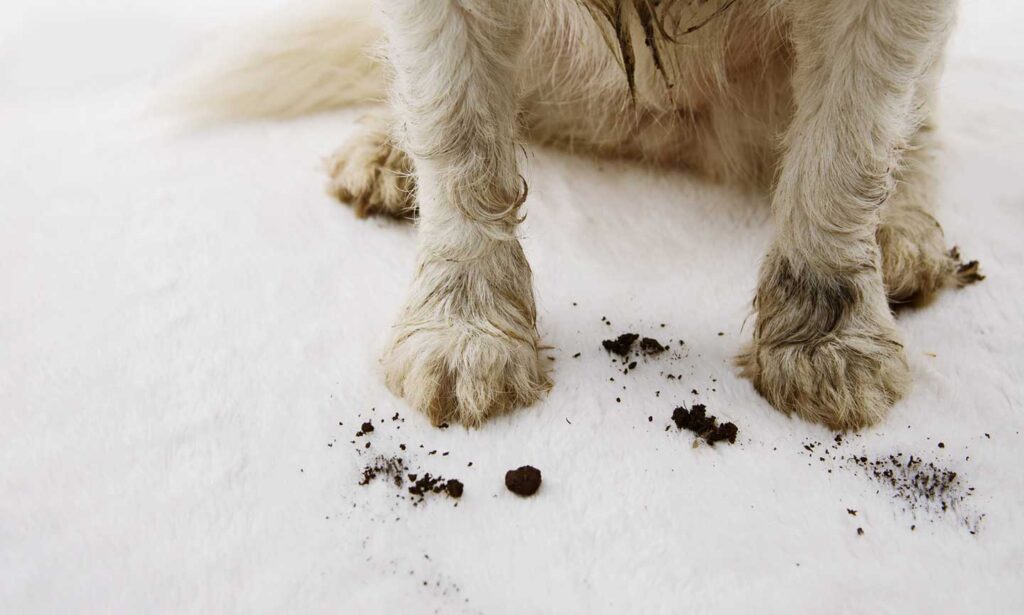
Visible dirt accumulation on paws, belly, or tail means bath time has arrived regardless of when their last bath occurred. Mud, plant sap, or sticky substances won’t disappear with brushing alone.
Greasy or matted coat near the base of the tail, behind ears, or in armpits indicates oil buildup requiring bathing. Run your fingers through your dog’s coat—if it feels sticky rather than smooth, bathing is overdue.
Excessive scratching after outdoor play often means pollen, grass, or other allergens have accumulated on their coat. A timely bath can provide relief before irritation develops into hot spots.
Adjust Bathing Frequency for Skin Conditions
Dogs with specific health issues require modified bathing schedules that balance cleanliness with therapeutic needs.
Allergy-prone dogs often benefit from more frequent bathing—sometimes weekly—with hypoallergenic shampoos to remove environmental allergens. However, using the wrong products can worsen irritation, so consult your veterinarian for appropriate recommendations.
Skin infections require medicated baths as part of treatment. Your vet will specify exact frequency, product type, and contact time needed—this often differs significantly from standard maintenance bathing.
Seborrhea sufferers produce excess skin oils and may need more frequent baths with degreasing shampoos, though over-bathing can sometimes stimulate additional oil production as the skin attempts to compensate.
Follow Proper Puppy Bathing Guidelines
Puppies have different bathing needs than adult dogs due to their developing skin and coat.
Puppies under 8 weeks generally shouldn’t have full baths unless absolutely necessary. Their mother typically handles cleaning, and their thermoregulation isn’t fully developed. Use warm, damp cloths for spot cleaning instead of full immersion.
Puppies 8 weeks to 6 months can begin regular bathing as part of grooming socialization. Start with brief, positive experiences using gentle puppy shampoo, with monthly baths typically sufficient unless they get notably dirty.
Early bath experiences should be positive with treats and calm handling. This foundation helps your puppy become a dog who accepts grooming willingly throughout their life. Never use human shampoo on puppies—their skin is more sensitive than adults’.
Choose Between Home Bathing and Professional Grooming
Deciding where to bathe your dog depends on several practical factors including your dog’s temperament and your available resources.
Professional grooming benefits include specialized equipment, experienced handlers who can identify skin issues early, and thorough drying capabilities. For dogs with challenging coats or difficult temperaments, professional expertise can be invaluable.
Home bathing advantages include cost savings, convenience, and bonding opportunities. Many dogs find home bathing less stressful than the unfamiliar grooming salon environment. A proper home setup with a handheld sprayer and non-slip mats makes the process significantly easier.
Hybrid approaches work well for many owners—home maintenance bathing between professional sessions extends time between groomer visits while keeping your dog fresh. Discuss your specific needs with your groomer to establish an effective combined schedule.
Select the Right Bathing Products for Your Dog
The products you use significantly impact skin and coat health, making selection critical for maintaining proper bathing frequency.
Dog-specific shampoos have pH balanced for canine skin, which differs from human skin. Using human shampoo—even gentle baby formulas—disrupts your dog’s skin barrier, causing dryness and potential irritation.
Coat-type specific formulas address different needs: de-greasing shampoos for oily coats, moisturizing formulas for dry or curly coats, and whitening shampoos for show dogs (used only when needed).
Medicated shampoos require veterinary prescription for specific conditions. These contain active ingredients like chlorhexidine or ketoconazole that treat skin issues when used according to directions.
Master Proper Bathing Technique and Aftercare
How you bathe your dog matters as much as how often—proper technique prevents skin irritation and ensures effective cleaning.
Water temperature should be lukewarm—comfortably warm to your inner wrist but not hot. Dogs are more sensitive to water temperature than humans, so test carefully before introducing your dog.
Thorough rinsing is crucial—residual shampoo causes irritation, itching, and flaking. Rinse until water runs completely clear, then rinse again, paying special attention to armpits and groin areas where product easily traps.
Drying methods vary by coat type—thick-coated dogs need thorough drying to prevent moisture-related skin issues. High-velocity dryers (used carefully), absorbent towels, or air drying in a warm environment all work depending on your dog’s tolerance.
Post-bath brush-out prevents matting and distributes natural oils through the coat. Wait until the coat is slightly damp but not soaking wet for easiest brushing, especially important for medium and long-haired breeds.
Establish a Flexible Bathing Schedule
Creating a sustainable routine requires balancing multiple factors while remaining adaptable to changing circumstances.
Start with a baseline based on coat type and activity level, then adjust based on actual observation. Track how quickly your dog gets dirty or develops odor between baths to refine the schedule.
Set reminders rather than relying on memory—calendar alerts or a dedicated grooming schedule posted in your bathroom ensure baths happen at appropriate intervals.
Make bath time positive with treats, calming music, and reassuring voices. Dogs who associate bathing with positive experiences make the task much easier throughout their lifetime.
Adjust seasonally as activity levels and environmental conditions change. Your dog might need more frequent baths during muddy spring months and fewer during dry winter periods.
When in doubt, err slightly toward less frequent bathing—most dogs tolerate being slightly dirty better than the effects of over-bathing. If your dog seems to need baths more often than every 2 weeks, consult your veterinarian to rule out underlying skin conditions that might be causing rapid soiling or odor. With observation and adjustment, you’ll develop a routine that keeps your dog clean, comfortable, and healthy for years to come.
Leave a Reply