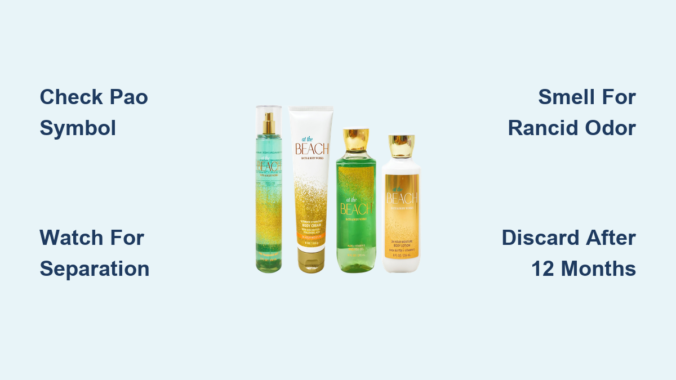
You’ve probably wondered about that half-used bottle of lotion sitting in your bathroom cabinet—how long has it been there? When should you actually toss it out? Knowing the shelf life of your bath and body lotions isn’t just about getting the most value for your money; it’s crucial for maintaining healthy skin and avoiding potential irritation from expired products. Without proper information about lotion longevity, you might unknowingly apply products that have lost their effectiveness or, worse, developed harmful bacteria. This guide will help you understand exactly how long your lotions remain safe and effective based on available manufacturer guidelines and industry standards.
Identifying Lotion Expiration Timeframes
Unopened Lotion Shelf Life Guidelines
When stored properly in their original packaging, unopened bath and body lotions typically maintain their integrity for significant periods. Most manufacturers design their unopened products to remain stable for approximately two to three years from the production date. The exact timeframe varies based on the specific formulation, preservative system used, and storage conditions. Product labels often include manufacturing or “born on” dates that help consumers track how long a product has been in circulation before purchase. Understanding these dates is essential for determining how much usable life remains once you bring the product home.
Period After Opening (PAO) Standards
Once you break the seal on your lotion container, the clock starts ticking on its usable life. The Period After Opening (PAO) symbol—typically depicted as an open jar with a number followed by “M”—indicates how many months the product remains safe to use after first opening. Most bath and body lotions carry a PAO rating of 6 to 12 months, though this can vary significantly based on the product’s formulation. Water-based lotions generally have shorter shelf lives than oil-based products due to their greater susceptibility to bacterial growth. Products containing natural preservatives often have shorter PAO periods compared to those with synthetic preservation systems.
Recognizing When Your Lotion Has Expired

Visual and Textural Warning Signs
Your senses provide the most immediate indicators that your lotion has passed its prime. Look for noticeable changes in color, such as yellowing or darkening that wasn’t present when the product was new. Separation that doesn’t resolve with gentle shaking often signals ingredient breakdown. Texture changes are equally important—lotion that has become watery, grainy, or unusually thick should be discarded immediately. The presence of mold, even in small amounts, is an absolute red flag requiring immediate disposal of the entire product. These physical changes indicate that the preservative system has failed and the product is no longer safe for use.
Scent Alterations and Performance Issues
A noticeable change in fragrance often heralds expiration. Fresh lotions maintain their intended scent profile, while expired products may develop sour, rancid, or “off” odors due to ingredient breakdown. If your lotion no longer absorbs properly into your skin or leaves an unusual residue, this indicates formulation degradation. Reduced moisturizing effectiveness—where your skin doesn’t feel as hydrated after application as it once did—is another key indicator that the active ingredients have broken down. These performance issues mean the product is no longer delivering the benefits you purchased it for.
Factors That Accelerate Lotion Degradation

Environmental Storage Conditions
Where you keep your lotions dramatically impacts their longevity. Bathrooms represent one of the worst possible storage locations due to fluctuating temperatures and high humidity levels from showers and baths. Direct sunlight exposure through bathroom windows can degrade active ingredients through photodegradation. Ideal storage involves keeping lotions in a cool, dark place with stable temperatures—such as a bedroom drawer or cabinet away from heat sources. Temperature extremes, both hot and cold, can cause emulsion breakdown and ingredient separation that compromises product integrity.
Contamination Through Improper Handling
Your application technique directly affects how long your lotion remains usable. Dipping fingers directly into jars introduces bacteria, oils, and dead skin cells that accelerate spoilage. Products stored in jars typically have shorter lifespans than those in pump bottles or tubes due to greater exposure to air and contaminants. Using clean, dry hands when applying product from jars can extend usability, but pump dispensers provide the cleanest delivery method. Water exposure—like applying lotion with damp hands—creates an ideal breeding ground for bacteria and mold, significantly shortening the product’s safe usage period.
Maximizing Lotion Shelf Life Through Proper Care
Optimal Storage Solutions
Transferring lotion from its original container to another vessel might seem convenient but actually shortens its lifespan by introducing contaminants and removing protective packaging. Maintain the original packaging’s integrity to preserve the product’s designed protection. Consider storing frequently used lotions in your bedroom rather than the bathroom to avoid humidity and temperature fluctuations. For products you don’t use daily, keep backups in a cool, dark closet rather than under the sink where plumbing can create moisture issues. These simple storage adjustments can add months to your lotion’s effective lifespan.
Application Best Practices
Adopting clean application habits dramatically extends your product’s usability. Use a clean spatula for jarred products instead of your fingers to minimize bacterial transfer. If using fingers, ensure they’re completely dry and clean before dipping into the container. For pump bottles, avoid pressing the mechanism unnecessarily as this introduces air that can degrade the formula. Never add water to thicken lotion that has separated—this introduces contaminants and creates bacterial breeding grounds. These small behavioral changes make a significant difference in maintaining product integrity throughout its intended shelf life.
Manufacturer Guidelines and Safety Considerations
Interpreting Date Markings Correctly
Understanding the various date codes on your lotion packaging prevents premature disposal while ensuring safety. “Best by” dates indicate peak quality rather than safety cutoffs, while manufacturing dates help calculate remaining shelf life. Some products use batch codes rather than explicit dates, requiring you to contact the manufacturer for interpretation. When in doubt about a product’s age, especially with unmarked containers, err on the side of caution and replace the product. Your skin’s health is more valuable than squeezing every last drop from a potentially compromised product.
Health Risks of Using Expired Products
Continuing to use lotion beyond its safe period carries real health implications. Expired products can cause skin irritation, allergic reactions, or even infections as preservative systems fail and bacteria multiply. Compromised formulations may deliver inconsistent active ingredient concentrations that could trigger adverse reactions. Products showing any signs of mold or significant separation pose immediate health risks requiring disposal. When your lotion exhibits multiple warning signs—changes in color, texture, smell, and performance—it’s time to replace it regardless of how much product remains.
When to Replace Your Bath and Body Lotion
Creating a Replacement Schedule
Establishing a simple tracking system prevents uncertainty about product age. Mark the opening date directly on the container with a permanent marker when you first use the product. For unopened backups, note the manufacturing date if visible to track shelf life. Create a mental checklist of the last few products you’ve opened to monitor usage patterns. Consider seasonal rotation—replacing lotions at the change of seasons helps ensure you’re always using products within their optimal timeframe. This systematic approach removes guesswork from your skincare routine.
Cost-Effective Usage Without Compromising Safety
While it’s important to replace expired products, you can maximize value from each bottle without risking skin health. Purchase sizes appropriate to your usage rate—smaller containers for products you use infrequently. Store backups properly to maintain their full shelf life until needed. Transfer small amounts to travel containers rather than exposing the entire product to contaminants. Remember that properly stored, unexpired lotion delivers better results than stretching an expired product, making timely replacement a worthwhile investment in your skin’s health.
Final Note: Properly managing your bath and body lotion shelf life protects your skin while ensuring you receive maximum benefits from your skincare investments. By recognizing expiration signs, storing products correctly, and following manufacturer guidelines, you’ll maintain both product effectiveness and skin safety. When in doubt about a product’s condition, trust your senses—any noticeable changes in appearance, texture, or scent indicate it’s time for replacement. Your skin deserves the protection of fresh, effective products that deliver on their promised benefits without risking irritation or infection.
Leave a Reply