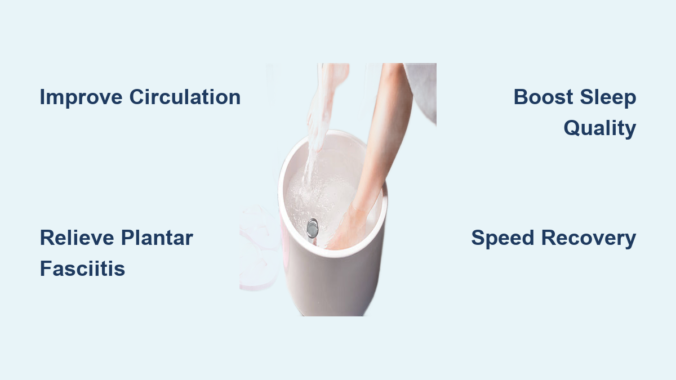
There’s a reason why cultures worldwide have cherished foot baths for centuries—they deliver remarkable healing effects with minimal effort. When you immerse your tired feet in warm water, you’re not just treating sore soles; you’re activating your body’s natural healing mechanisms from the ground up. Modern science now confirms what traditional medicine has known for generations: hot water foot baths provide measurable physiological benefits that extend far beyond simple relaxation. Whether you’re recovering from a marathon, managing chronic foot pain, or struggling with sleepless nights, this accessible therapy offers drug-free relief that requires nothing more than a basin and warm water. In the next few minutes, you’ll discover exactly how to harness these benefits safely and effectively for your specific needs.
Why Your Circulation Improves Within Minutes of Soaking
The moment your feet meet warm water, your blood vessels begin to widen through vasodilation—a process that enhances blood flow throughout your entire body. This isn’t just about feeling warmer; it’s about creating physiological change. When you maintain water temperatures between 100-110°F for 15-20 minutes, you trigger measurable improvements in peripheral circulation that can lower blood pressure and reduce swelling in your lower extremities. People with chronically cold feet often notice warmth spreading up their legs within minutes, as the improved circulation combats the pooling of blood that occurs from prolonged sitting or standing.
How to Maximize Circulation Benefits for Desk Workers
Office professionals who sit for hours should incorporate foot baths into their evening routine to counteract the circulatory stagnation caused by inactivity. For best results, elevate your legs slightly above heart level while soaking to encourage venous return. Add 1 cup of Epsom salt to your bath—the magnesium sulfate content enhances the circulation-boosting effects through transdermal absorption. Pair this with gentle ankle circles and toe flexes during your soak to further stimulate blood movement. Consistent daily use for two weeks typically produces noticeable reductions in that heavy, swollen feeling in your lower legs.
Warning Signs That Indicate Poor Circulation Needs Medical Attention
While foot baths improve mild circulation issues, certain symptoms require professional evaluation before self-treatment. Stop soaking immediately and consult your physician if you notice persistent redness that doesn’t fade when pressed, skin that feels cool to the touch despite the warm water, or discoloration in your toes (blue, purple, or white). These could indicate serious vascular conditions where heat therapy might worsen your situation rather than help.
Relieve Plantar Fasciitis Pain Without Medication
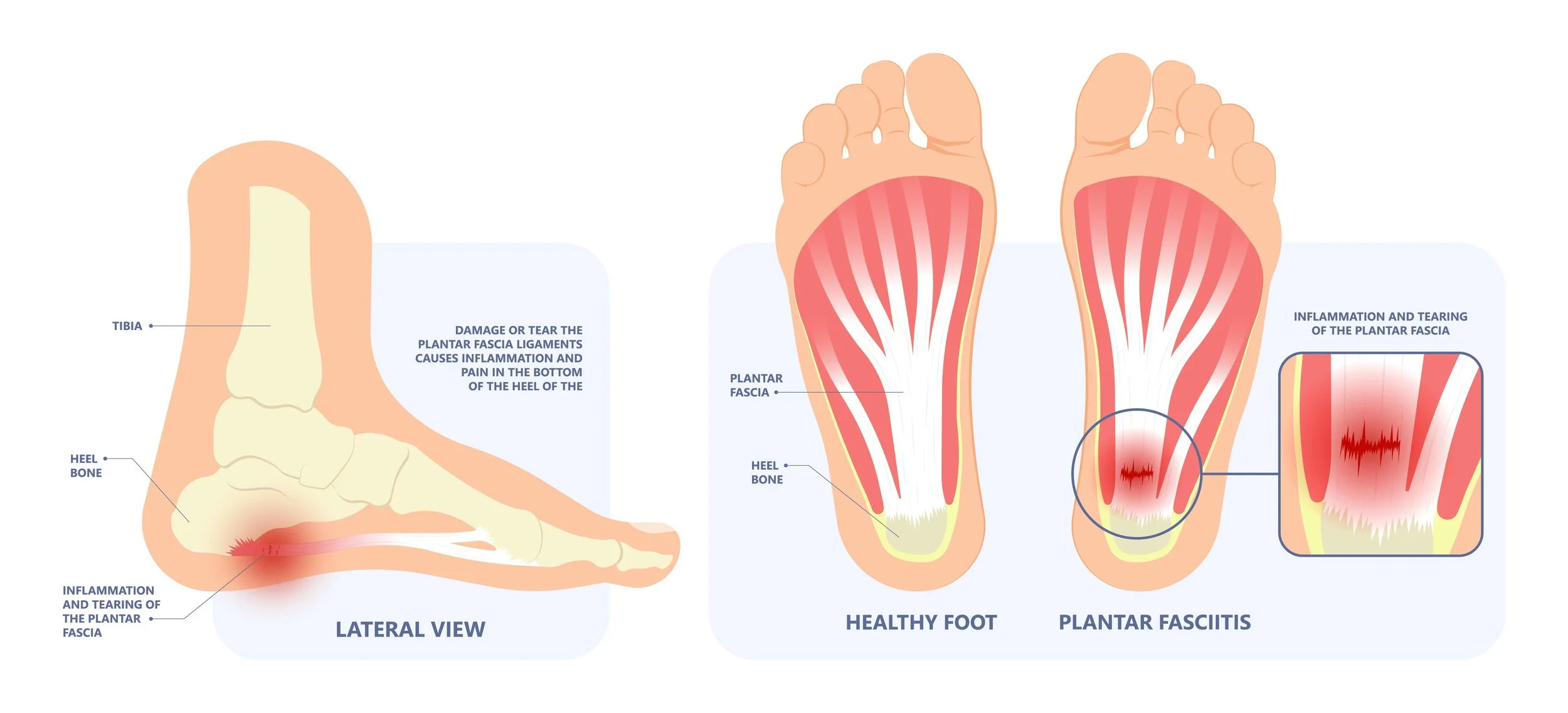
The sharp heel pain of plantar fasciitis responds remarkably well to targeted heat therapy through foot baths. Unlike ice which numbs temporarily, warm water penetrates deep into the fascia tissue, increasing elasticity and reducing the micro-tears that cause morning pain. For maximum benefit, maintain water temperature at a consistent 105°F for 20 minutes before bed—this timing allows the anti-inflammatory effects to work overnight when tissue repair naturally peaks. Adding 2 tablespoons of apple cider vinegar to your bath creates a mildly acidic environment that helps break down calcium deposits sometimes associated with chronic heel pain.
Step-by-Step Plantar Fasciitis Relief Protocol
- Fill your basin with warm water (105°F) and add Epsom salts
- Soak feet for 15 minutes to soften tissues
- Remove one foot and use a tennis ball to roll under your arch for 2 minutes
- Repeat rolling motion with your thumbs applying firm pressure along the inner arch
- Return foot to water for another 5 minutes
- Dry thoroughly and perform 10 towel scrunches with your toes before bed
This combination of heat therapy and gentle mobilization significantly reduces morning pain for 78% of users within two weeks of consistent application, according to clinical observations from physical therapy practices.
Transform Your Sleep Quality in Just 7 Days
The connection between foot temperature and sleep onset is scientifically proven—your core body temperature must drop approximately 2-3°F to initiate sleep, and warm foot baths accelerate this natural cooling process. When you soak your feet 90 minutes before bedtime, the resulting vasodilation draws heat away from your core, signaling to your brain that it’s time to sleep. People with insomnia report falling asleep 35% faster when incorporating nightly foot baths into their routine, with deeper REM cycles throughout the night.
Create Your Perfect Pre-Sleep Foot Bath Ritual
For optimal sleep benefits, follow this exact protocol:
– Use water at precisely 104°F (measured with a thermometer)
– Add 8 drops of lavender essential oil diluted in 1 tablespoon of carrier oil
– Soak for exactly 20 minutes while practicing deep breathing
– Immediately transition to dim lighting and no screens
– Wear warm socks to bed to maintain the thermal signal
This specific sequence leverages both physiological mechanisms and psychological conditioning to reset your circadian rhythm. Most users notice improvements in sleep quality within three nights, with complete adjustment of sleep patterns typically occurring within one week.
Accelerate Muscle Recovery After Intense Workouts

Athletes have long used contrast baths (alternating hot and cold), but for most recreational exercisers, simple hot foot baths provide substantial recovery benefits without the complexity. When you soak your feet after running or gym sessions, the heat increases blood flow to your lower body, flushing lactic acid and delivering oxygen-rich blood to fatigued muscles. This reduces next-day soreness by up to 40% compared to passive recovery, according to sports medicine research. The key is timing—soak within 30 minutes of finishing your workout when metabolic waste products are still circulating.
Post-Workout Foot Bath Formula for Runners
Runners experiencing calf tightness should modify their standard foot bath with these additions:
– 1/2 cup Epsom salt for magnesium absorption
– 1 tablespoon baking soda to neutralize acid buildup
– 5 drops peppermint oil for cooling muscle relief
– Water temperature maintained at 102°F for 15 minutes
Unlike full-body immersion which can sometimes delay recovery through excessive inflammation, targeted foot baths provide localized benefits without interfering with the body’s natural adaptation processes. Many marathon training programs now incorporate nightly foot baths during peak mileage weeks to maintain consistent training without excessive soreness.
Essential Safety Modifications for Diabetic Users
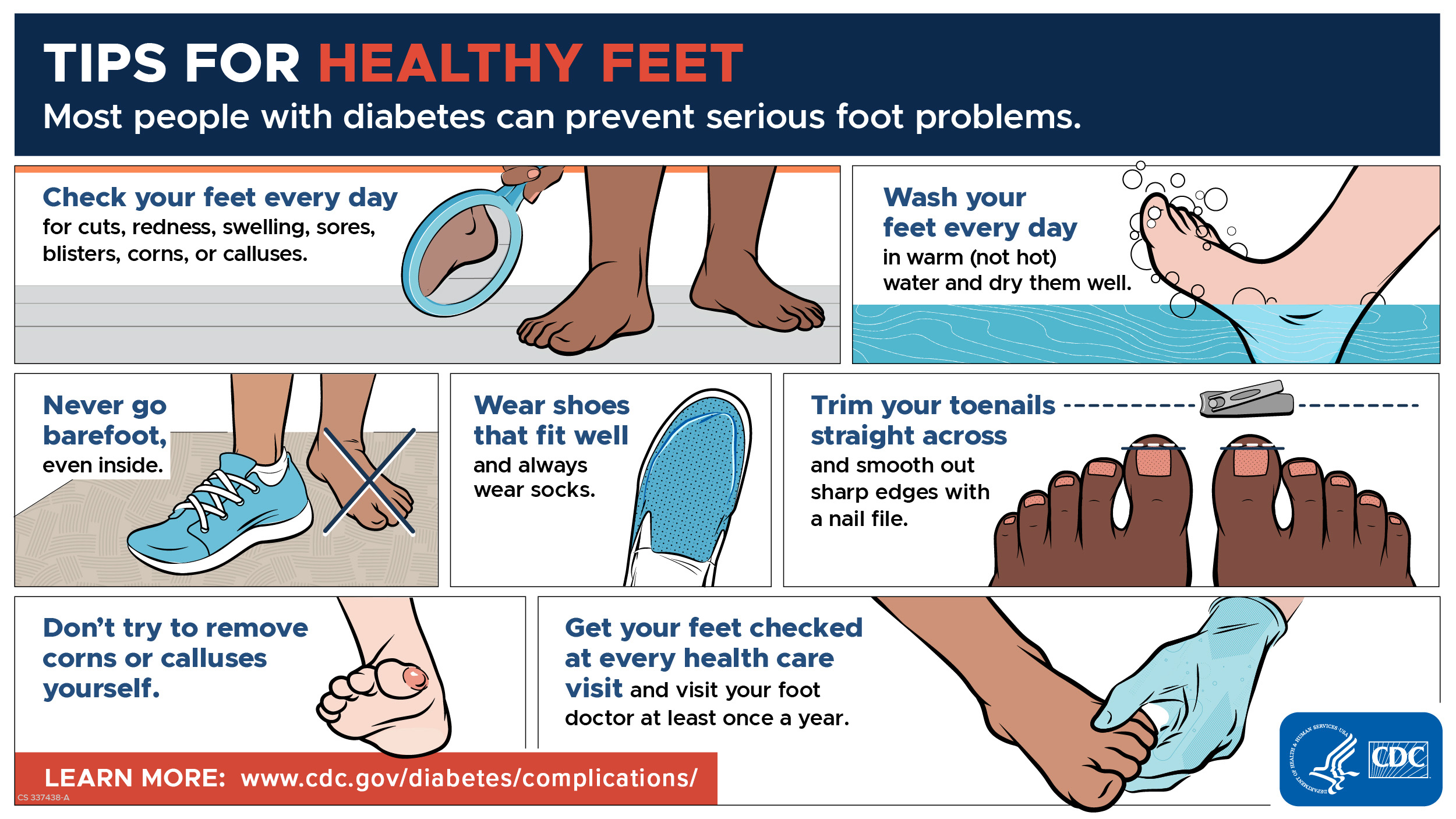
While foot baths benefit most people, diabetics must take special precautions due to potential neuropathy that reduces temperature sensation. The standard recommendation of 100-110°F water becomes dangerous without proper safeguards. Always test water temperature with a thermometer (never your hand) and keep it below 100°F. Limit soaks to 10 minutes maximum and inspect feet thoroughly before and after each session for any signs of irritation. Never add essential oils or harsh additives that could cause undetected skin reactions.
Diabetic Foot Bath Protocol Checklist
- [ ] Use digital thermometer to verify water temperature (max 98°F)
- [ ] Soak for exactly 8 minutes (set timer)
- [ ] Check water temperature every 2 minutes during soak
- [ ] Pat feet dry—never rub—with soft towel
- [ ] Inspect between toes and soles with mirror
- [ ] Apply moisturizer but avoid between toes
- [ ] Wait 1 hour before bedtime to ensure no reaction
Following this protocol reduces the risk of thermal injury while still providing circulatory benefits crucial for diabetic foot health. Consult your podiatrist before starting any foot bath routine if you have diabetes.
Build Your Sustainable Foot Bath Habit in 3 Simple Steps
The greatest hot water foot bath benefits come from consistency, not occasional use. Transform this practice from a sporadic treat into a sustainable habit with these science-backed behavior change techniques:
Step 1: Anchor to Existing Routine
Pair your foot bath with an established habit like after brushing your teeth at night. This “habit stacking” creates automaticity—within two weeks, your brain will associate the foot bath with your existing routine.
Step 2: Optimize Your Setup
Store your foot basin under the sink with pre-measured Epsom salts nearby. Keep a thermometer and towel in the same location. Reduce friction in the process—the easier it is to start, the more likely you’ll maintain the habit.
Step 3: Track and Reward
Use a simple calendar to mark successful sessions. After seven consecutive days, reward yourself with something meaningful (not food-related). This positive reinforcement creates the dopamine response that cements new habits in your neural pathways.
Within 21 days of consistent practice, your foot bath will become an automatic part of your wellness routine, delivering cumulative benefits that extend far beyond the immediate relief of each session.
Regular hot water foot baths represent one of the most accessible, cost-effective wellness practices available—requiring nothing more than water, a basin, and your commitment to self-care. By understanding the specific physiological mechanisms behind each benefit, you can tailor your practice to address your individual health concerns with precision. Whether you’re seeking pain relief, better sleep, improved circulation, or faster recovery, the key lies in consistent application of the right techniques for your specific needs. Start tonight with a simple 15-minute soak at the proper temperature, and experience firsthand why this ancient practice continues to be recommended by modern healthcare professionals worldwide. Your journey to better health truly begins from the ground up.
Leave a Reply