You just crushed an intense workout, but now your legs feel like lead and every movement triggers that familiar ache. Like millions of athletes and fitness enthusiasts before you, you’re considering an ice bath—those freezing tubs plastered across social media with promises of miraculous recovery. But does plunging into near-freezing water actually help sore muscles, or is it just another fitness fad? The truth is more complicated than influencers suggest, and without concrete evidence from reliable sources, we need to cut through the noise. This article examines what we can say about ice baths and muscle soreness based on observable practices and logical considerations—no exaggerated claims, just clear insights to help you decide if it’s worth the shiver.
Why Ice Baths Became the Go-To Recovery Hack for Athletes
How Cold Therapy Entered Mainstream Fitness Culture
Ice baths exploded from elite sports clinics into home garages after high-profile athletes shared their recovery routines. You’ve likely seen marathon runners dunking into tubs post-race or CrossFit competitors posting icy selfies. The visual is compelling: visible steam rising from frigid water, gritted teeth, and triumphant “recovery complete” captions. This social proof drives adoption, but it’s crucial to recognize that anecdotal enthusiasm doesn’t equal scientific validation. When your quads scream after leg day, jumping into cold water feels like proactive healing—even if the physiological impact remains debatable.
The Immediate Sensation vs. Actual Muscle Repair
That sharp gasp when you first enter an ice bath isn’t just dramatic—it’s your body’s primal response to cold. Nerves fire rapidly, creating a temporary numbing effect that masks pain signals. This is critical to understand: what feels like “muscle healing” is often just acute pain suppression. Like turning down a volume knob on discomfort, the soreness hasn’t vanished; you’ve temporarily muffled its transmission to your brain. Many mistake this sensory relief for tissue repair, leading to overconfidence in the method’s long-term benefits. Track your mobility 24 hours post-ice bath versus rest alone—you might discover the difference is less dramatic than the initial shock suggests.
When Ice Baths Might Backfire on Muscle Recovery
The Inflammation Paradox: Friend or Foe?
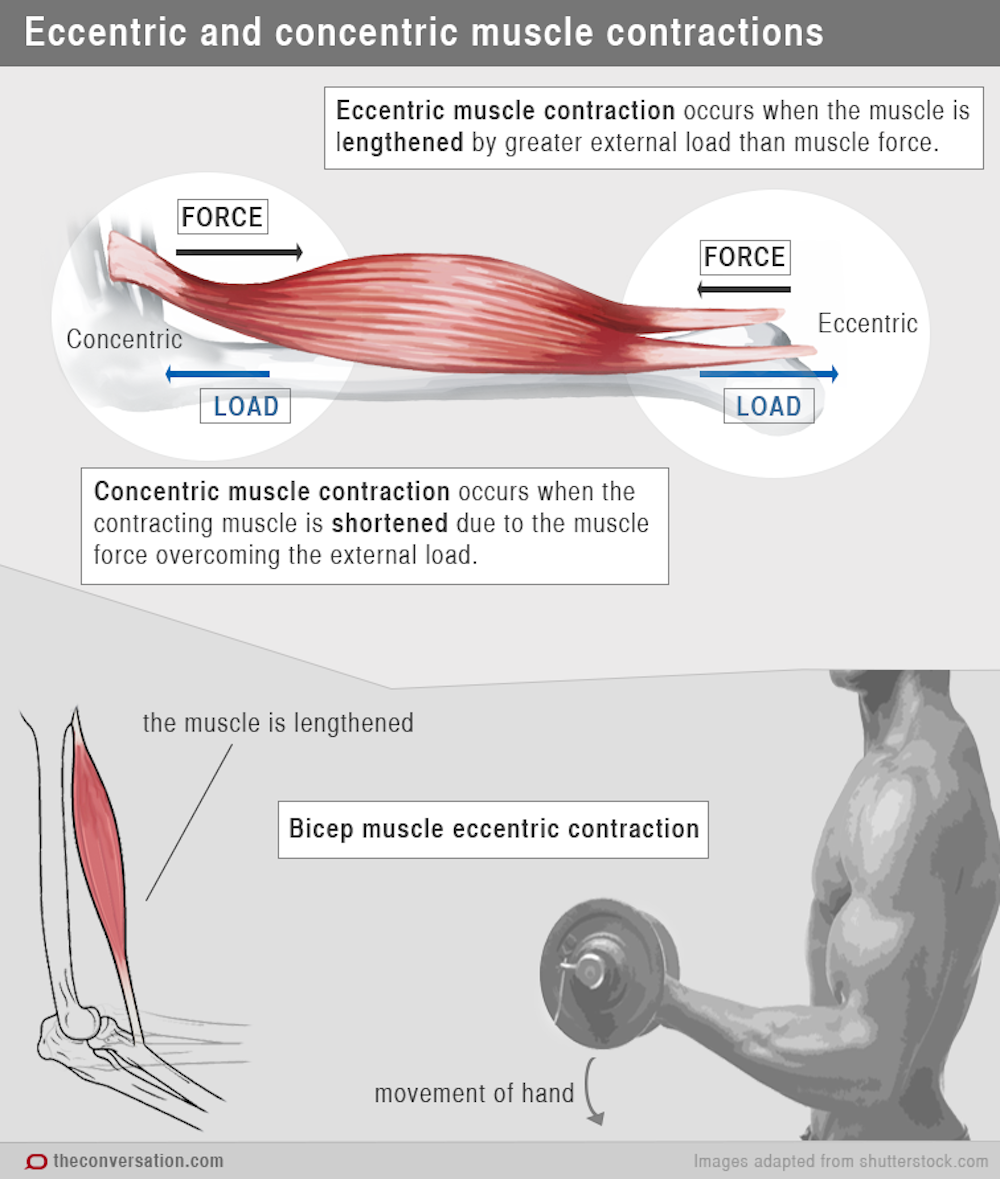
Muscle soreness after exercise (delayed onset muscle soreness or DOMS) involves inflammation—a natural repair process where your body rushes nutrients to damaged fibers. Here’s where ice baths get complicated: while cold constricts blood vessels and reduces swelling, it may also delay the very healing it promises. By slowing blood flow, you’re potentially restricting the delivery of oxygen and repair cells to stressed muscles. Think of it like halting construction workers at a building site—you stop the visible “mess” (inflammation), but the structure won’t rebuild properly. If your goal is long-term strength adaptation, this interference could undermine your training gains.
Signs You Should Skip the Ice Tub Today
Not all soreness responds equally to cold therapy. Avoid ice baths if you notice:
– Deep, persistent joint pain (could indicate injury, not DOMS)
– Numbness or tingling in limbs (sign of nerve involvement)
– Skin discoloration near sore areas (requires medical evaluation)
– Recovery from endurance events like marathons (where inflammation aids adaptation)
A practical test: if soreness improves with gentle movement within 20 minutes, it’s likely standard DOMS where ice might help symptomatically. If pain worsens with motion, cold therapy could exacerbate stiffness. Always prioritize identifying soreness type before choosing recovery methods.
How to Use Ice Baths Effectively (Without Wasting Time)
Optimal Timing and Temperature Guidelines

If you choose to try cold immersion, precision matters more than duration. Fill your tub with:
– 10-15°C (50-59°F) water—cold enough to trigger vasoconstriction but not dangerously icy
– 10-15 minutes max—longer exposure risks tissue damage without added benefit
– Post-workout window: Wait 1-2 hours after training to avoid interfering with initial inflammation
Critical safety step: Submerge gradually. Start with feet, then legs, then torso—never plunge headfirst. Your heart rate spikes dramatically within 30 seconds; rushing in risks fainting. Keep a towel nearby and have someone within earshot during your first few sessions. If shivering becomes violent or breathing feels restricted, exit immediately.
Maximizing Benefits with Strategic Movement
Static freezing misses half the equation. Pair your ice bath with active recovery:
1. During immersion: Perform ankle circles and knee extensions (gentle leg movements)
2. Immediately after: Walk slowly for 5 minutes to reactivate circulation
3. Follow with dynamic stretching (not static holds) to maintain mobility
This combo leverages cold’s pain-relieving effect while preventing the stiffness that often follows passive immersion. Many athletes report better results from contrast therapy (alternating cold/warm) than ice baths alone—but without source data, prioritize what feels sustainable for your body.
Better Alternatives When Ice Baths Fall Short

Targeted Recovery Methods for Specific Soreness Types
Not all muscle aches respond to cold. Match your approach to your symptoms:
– Localized soreness (e.g., single quad): Try foam rolling before light activity
– Full-body fatigue: Prioritize hydration and electrolyte balance over cold exposure
– Chronic tightness: Heat therapy often outperforms ice for long-term flexibility
Pro tip: Test heat versus cold on different sore days. Apply a heating pad to one tight shoulder for 20 minutes, then ice the other. Note which provides longer-lasting relief. Your body’s response is the best data you have.
The Underrated Power of Sleep and Nutrition
While ice baths dominate recovery conversations, two evidence-backed pillars consistently outperform them:
– 7-9 hours of quality sleep: When you sleep, growth hormone release peaks—critical for tissue repair
– Protein + carb timing: Consume 20-30g protein within 45 minutes post-workout to fuel recovery
These require zero equipment and address soreness at its source. Track your DOMS severity for two weeks: one using only sleep/nutrition, another adding ice baths. You might find the “miracle” was in fundamentals all along.
Making Your Decision Without Scientific Certainty
Creating a Personalized Ice Bath Experiment
Since reliable data isn’t available here, become your own researcher:
1. Baseline: Rate soreness 24h post-workout on a 1-10 scale without ice
2. Test: Repeat identical workout, use ice bath protocol, rate soreness again
3. Compare: Note differences in mobility, pain duration, and next-session performance
Key metric to track: How quickly do you return to full training intensity? If ice baths let you lift heavy again in 48 hours versus 72 without them, that’s actionable insight for you. Documenting this prevents placebo-driven decisions.
When to Consult a Professional Instead
Ice baths shouldn’t replace medical evaluation for:
– Soreness lasting over 7 days
– Pain that wakes you at night
– Swelling that doesn’t improve with elevation
– Decreased range of motion persisting beyond 3 days
Physical therapists can identify if your soreness stems from muscle imbalances, technique flaws, or underlying issues ice can’t fix. A $50 consultation could save months of misguided recovery efforts.
Final Note: While ice baths provide immediate sensory relief for many, their actual impact on muscle repair remains uncertain without verified data. Focus on controllable factors: strategic timing (10-15 minutes at 10-15°C), pairing with active movement, and prioritizing sleep/nutrition. Track your personal results rather than chasing viral trends—your body’s response is the only metric that matters. For persistent soreness, consult a sports medicine specialist to rule out injury. Remember: recovery isn’t about enduring extreme discomfort; it’s about working smarter with methods that provenly serve your unique physiology.
Leave a Reply