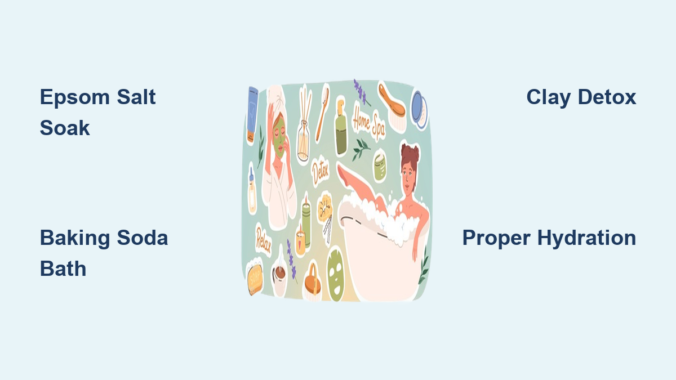
Feeling sluggish despite eating well and exercising? You’re not alone—millions seek natural ways to support their body’s cleansing processes, and detox baths have surged in popularity as a relaxing solution. These therapeutic soaks combine warm water with specific ingredients like Epsom salt, baking soda, or clay to create a powerful self-care ritual that goes beyond simple relaxation. Understanding authentic detox bath benefits helps you separate marketing hype from genuine wellness value, so you can invest your time and resources wisely in practices that truly support your health goals.
The science behind detox baths centers on your skin’s remarkable ability to both absorb beneficial compounds and eliminate waste products. When you soak in warm water (98-104°F), your pores open and circulation increases, potentially facilitating the removal of metabolic waste through sweating. While research continues to evolve, countless users report tangible improvements in muscle recovery, stress levels, and skin quality after consistent sessions. This guide cuts through the noise to deliver actionable information about which detox bath benefits are supported by evidence, how to prepare effective soaks for your specific needs, and crucial safety considerations most blogs overlook.
Why Your Detox Bath Isn’t Working (And How to Fix It)
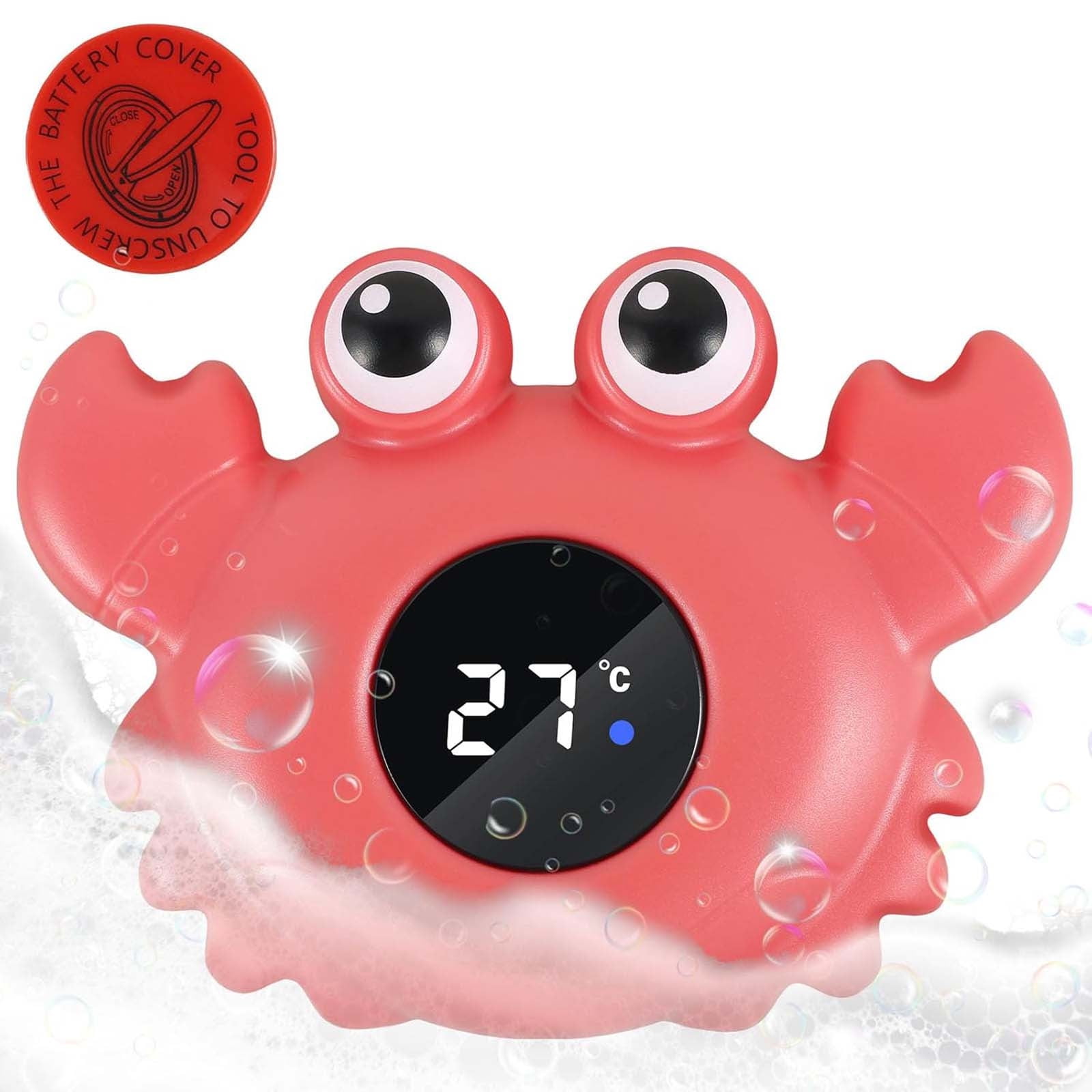
Many people try detox baths but dismiss them after one disappointing experience, unaware they’ve made common preparation mistakes that sabotage results. The most frequent error involves water temperature—too hot causes uncomfortable stress on your cardiovascular system, while too cool fails to open pores sufficiently. Your ideal temperature range sits between 98-104°F, matching body temperature to promote relaxation without triggering excessive heart rate. Test water with a thermometer (not just your hand) for precise control, especially if you have circulatory concerns.
Ingredient Ratios That Actually Deliver Results
Using incorrect ingredient amounts wastes money and diminishes benefits. For Epsom salt baths targeting muscle recovery, use 2-4 cups per standard bathtub—not the “handful” many tutorials suggest. Baking soda baths for skin soothing require 1-2 cups to create the proper alkaline environment, while clay baths need ½-1 pound of powder for effective adsorption. Essential oils must be properly diluted in carrier oil first (10-15 drops per ounce of carrier) to prevent skin irritation. Start with conservative amounts and adjust based on your body’s response during subsequent sessions.
Timing Mistakes That Block Toxin Release
Most people exit their detox bath too soon to experience meaningful benefits. The critical 20-45 minute window allows time for your body to respond to thermal stimulation and for ingredients to interact with your skin. Shorter soaks provide relaxation but miss the detoxification window where sweating and circulation peak. Set a timer and commit to staying immersed—your phone on silent nearby can help resist the urge to check notifications. Exit immediately if you feel lightheaded, but otherwise trust the process for optimal detox bath benefits.
Epsom Salt Soaks: Beyond Muscle Soreness Relief
:max_bytes(150000):strip_icc()/GettyImages-1060200112-99fe9c726b0c4f17a3fab44eef6f8ca9.jpg)
Epsom salt (magnesium sulfate) delivers measurable detox bath benefits through transdermal magnesium absorption, addressing a deficiency affecting nearly 50% of adults. Magnesium plays crucial roles in over 300 enzymatic reactions, including those supporting liver and kidney function—your primary detoxification organs. When dissolved in warm bathwater, magnesium sulfate creates an environment where your skin can absorb this vital mineral directly into the bloodstream, bypassing digestive limitations.
The Sweating Connection You’re Missing
Many users focus solely on Epsom salt’s muscle-relaxing properties while overlooking its role in enhancing natural toxin elimination. Magnesium supports healthy sweat production, and sweating represents one of your body’s primary detoxification pathways. During your soak, the combination of warm water and magnesium creates ideal conditions for releasing stored toxins through sweat glands. Keep a towel nearby to gently wipe sweat during longer sessions—this prevents reabsorption of eliminated compounds and maintains the detoxification cycle.
Baking Soda Baths: Your Secret Weapon for Skin Detox
Baking soda (sodium bicarbonate) offers unique detox bath benefits through its alkalizing action on skin and interstitial fluids. Unlike blood pH (which your body tightly regulates), your skin’s surface pH can become overly acidic from environmental pollutants and stress. A properly prepared baking soda bath creates a slightly alkaline environment that helps neutralize surface acids, potentially supporting more efficient toxin release through pores.
The Itch Relief Protocol Most Blogs Skip
For immediate relief from poison ivy, insect bites, or eczema flare-ups, prepare a targeted baking soda soak using this precise method: Fill your tub with warm (not hot) water, add 2 cups of baking soda, and soak for 15-20 minutes. As you soak, gently pour water over irritated areas—this continuous exposure maximizes baking soda’s soothing effect. After exiting, rinse with cool water to close pores and prevent reabsorption of any released irritants. Avoid this method if you have open wounds or severe skin conditions without consulting your dermatologist first.
Clay Baths: The Ancient Detox Method Modern Science Supports
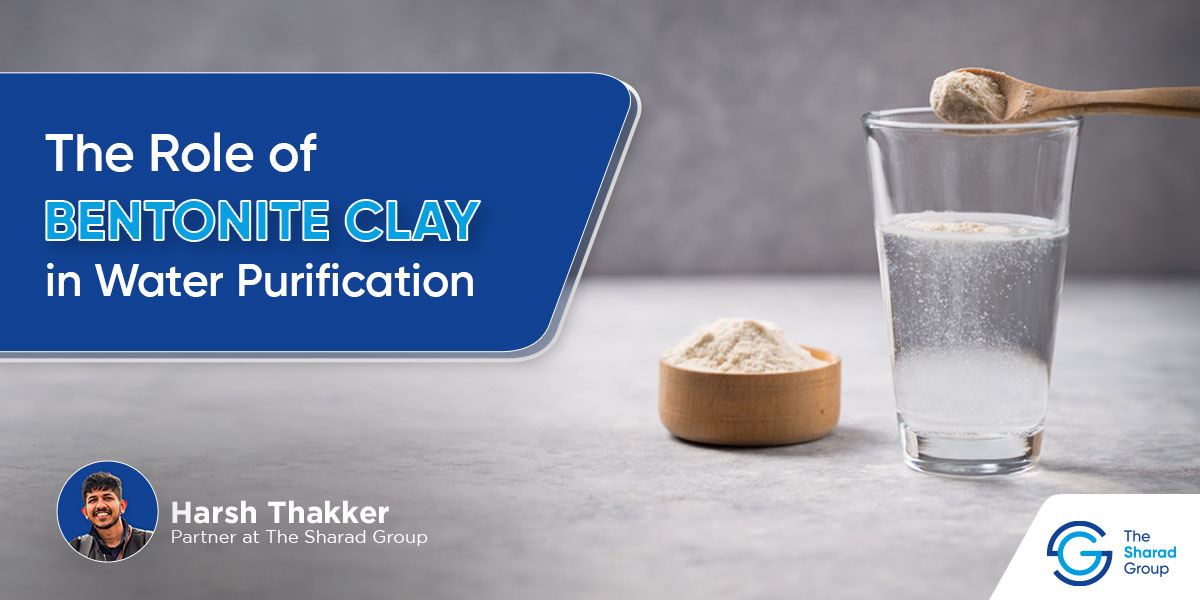
Clay baths leverage powerful adsorption properties (different from absorption) where toxins bind to clay particles at the surface level. When you add bentonite, kaolin, or French green clay to your bath, these minerals create a magnetic-like effect that draws impurities from your skin. Recent studies confirm clay’s ability to bind heavy metals and organic pollutants, making it particularly valuable for urban dwellers exposed to higher environmental toxin loads.
The Mineral Infusion You’re Not Maximizing
Different clays offer distinct mineral profiles that nourish your skin during detoxification. Bentonite clay provides calcium and silica for skin elasticity, while French green clay delivers iron and magnesium for cellular energy. To maximize mineral infusion, prepare your clay bath by mixing powder with equal parts warm water first to create a smooth slurry before adding to the tub. This pre-mixing ensures even distribution and prevents clumping that reduces surface area for adsorption. Soak for 25-30 minutes for optimal mineral transfer without over-drying your skin.
Critical Safety Steps Before Your Next Detox Bath
Skipping proper preparation turns potentially beneficial detox baths into health risks, especially for vulnerable populations. If you have cardiovascular conditions, keep water temperature below 100°F and limit sessions to 20 minutes—your heart works harder in warm water as blood vessels dilate. Pregnant women should avoid temperatures above 100°F entirely during the first trimester and consult their obstetrician before using any herbal ingredients.
The Hydration Protocol That Prevents Dizziness
Dehydration represents the most common yet preventable side effect of detox baths. Before entering your tub, drink 8-16 ounces of room-temperature water. Keep a glass nearby during your soak and sip periodically—aim for 4-8 ounces every 15 minutes. After your bath, drink another 8-16 ounces to replace fluids lost through sweating. Adding electrolytes to post-bath water (¼ teaspoon sea salt per liter) helps maintain proper mineral balance, especially during frequent sessions.
Who Gets the Most From Detox Bath Benefits (And Who Should Skip)
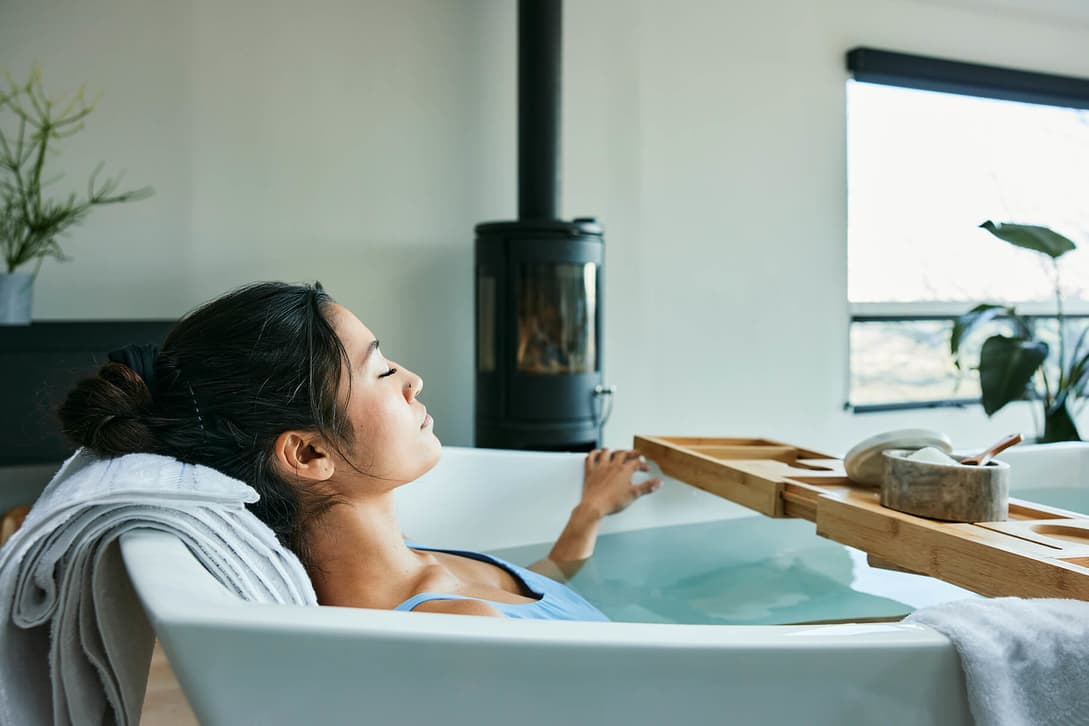
Athletes and physically active individuals experience the most immediate, measurable benefits from regular detox baths, particularly Epsom salt soaks. The magnesium reduces delayed-onset muscle soreness by 36% according to clinical studies, while increased circulation accelerates recovery between training sessions. If you’ve ever struggled with post-workout stiffness that lingers for days, consistent detox bathing could transform your performance and enjoyment of physical activity.
The Stress-Relief Secret for High-Pressure Professionals
Corporate executives, healthcare workers, and caregivers operating in high-stress environments gain profound nervous system benefits from evening detox baths. The warm water triggers a shift from sympathetic (fight-or-flight) to parasympathetic (rest-and-digest) dominance within 15 minutes, lowering cortisol levels by up to 25%. For optimal stress relief, add 5 drops of lavender essential oil diluted in 1 tablespoon of coconut oil to your bath—this combination enhances GABA activity in the brain for deeper relaxation without drowsiness the next day.
Building Your Personalized Detox Bath Routine
Forget one-size-fits-all approaches—your ideal detox bath practice evolves based on your body’s unique responses. Start with weekly Epsom salt baths for muscle recovery if you’re physically active, or baking soda soaks for skin concerns. Track your experience in a simple journal noting water temperature, duration, ingredients used, and how you felt 24-48 hours later. Within 4-6 weeks, clear patterns will emerge showing which combinations deliver maximum benefits for your specific needs.
The Consistency Hack That Delivers Cumulative Results
Most people quit detox bathing after 2-3 sessions because they expect immediate dramatic results. Real benefits accumulate gradually through consistent practice. Commit to 10-15 minute baths 2-3 times weekly rather than infrequent marathon sessions. Pair your baths with complementary practices: dry brush before bathing to stimulate circulation, and gentle stretching afterward to support lymphatic drainage. This integrated approach creates a self-reinforcing wellness cycle where each element enhances the others’ effectiveness.
Final Note: Detox bath benefits extend far beyond simple relaxation when prepared correctly and used consistently. By understanding the science behind each ingredient, optimizing your preparation methods, and tailoring your practice to your body’s unique needs, you transform a pleasant ritual into a powerful wellness tool. Start with one simple bath type, track your results diligently, and gradually refine your approach—within weeks, you’ll experience the cumulative benefits that make detox bathing worth incorporating into your regular self-care routine.
Leave a Reply