Imagine stepping into a refreshing cold bath after an intense workout or taking a brisk morning shower that instantly sharpens your focus. Cold water for bathing has surged in popularity among health enthusiasts seeking natural ways to boost recovery, improve mental clarity, and enhance overall well-being. Whether you’re drawn to the idea of an ice bath after exercise or curious about the metabolic benefits of regular cold exposure, understanding both the science and practical application is essential before taking the plunge. This guide explores what happens to your body during cold water immersion, examines documented benefits and risks, and provides actionable guidance for incorporating cold water bathing safely into your routine. The practice encompasses various approaches—from brief cold showers to full immersion ice baths—with research suggesting effects at water temperatures ranging from 5°C to 20°C depending on exposure duration and individual factors.
How Your Body Reacts During Cold Water Immersion

The Critical First 60 Seconds of Cold Exposure
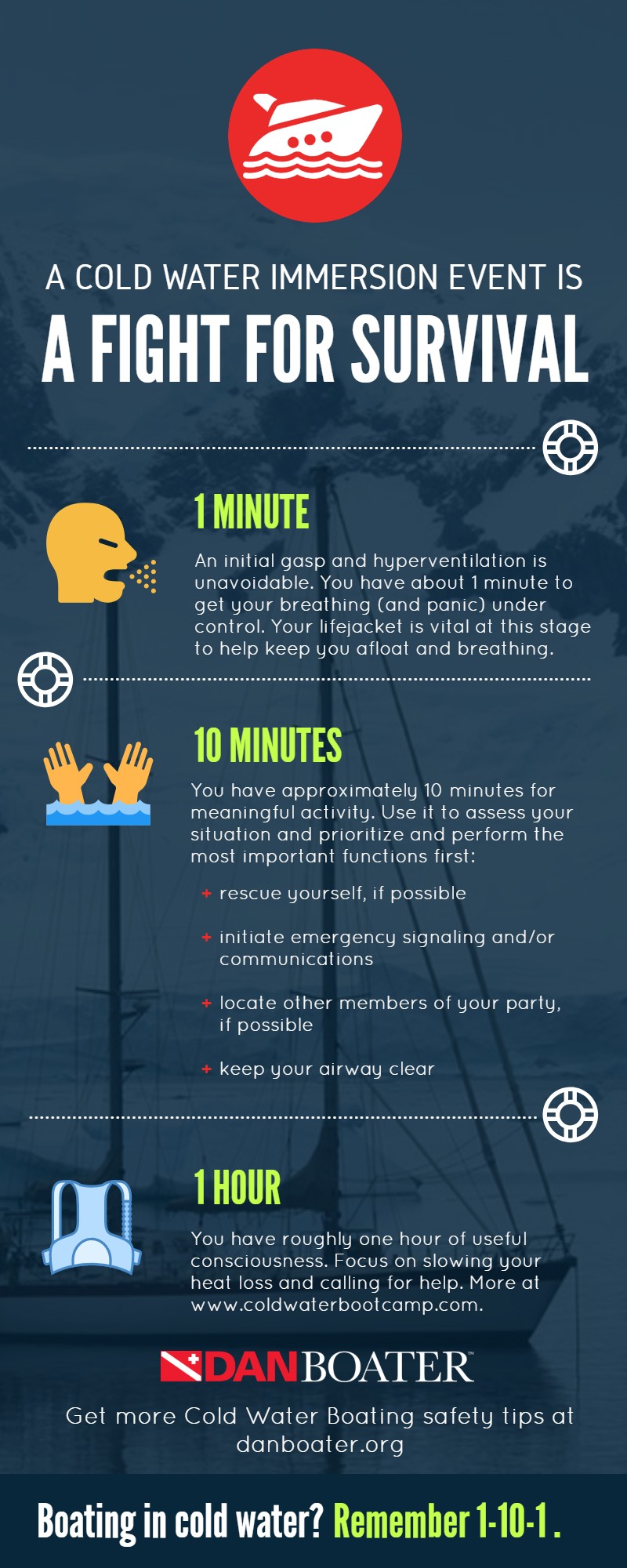
When your body first encounters cold water, an immediate cascade of autonomic responses activates designed to protect core temperature and vital organs. This cold shock response triggers reflexes through cutaneous cold thermoreceptors, causing sympathetically mediated increases in heart rate, respiratory gasping, uncontrollable hyperventilation, peripheral vasoconstriction, and blood pressure elevation. Research indicates this initial response connects to increased drowning risk, as studies have found links between initial respiratory gasping and decreased cerebral blood flow velocity in the middle cerebral artery, which can cause disorientation and loss of consciousness. Understanding this critical first minute helps explain why gradual acclimatization matters—both to reduce discomfort and to allow your body to adapt its response patterns over time.
Vasomotor Control and Blood Flow Changes

Beyond the initial shock response, your body employs sophisticated mechanisms to maintain core temperature during continued cold exposure. The vasomotor control of skin blood perfusion through vasoconstriction represents a fundamental thermoregulatory mechanism, with heat distribution to the outer skin layer occurring primarily through blood flow. In extremities including hands, feet, nose, and ear helix, specialized blood vessels called arteriovenous anastomoses function as thermal control valves, remaining open during heat-loss requirements and closing during heat conservation in cold conditions. When body core temperature falls below the critical threshold, the body cannot prevent further temperature decline through vasomotor control alone and must invoke secondary heat defense mechanisms, specifically shivering thermogenesis, which can increase metabolic heat production up to approximately five times greater than basal metabolic rate.
The Lewis Hunting Reaction in Your Extremities
After approximately five to ten minutes of cold exposure, you may notice an interesting phenomenon in your extremities—the Lewis hunting reaction, which represents one of several possible responses to cold water immersion. During this reaction, peripheral blood vessels alternate between vasoconstriction and vasodilation in cycles. Initial vasoconstriction reduces heat loss but also lowers extremity temperatures, followed by cold-induced vasodilation caused by decreased sympathetic activity around blood vessel muscles. New vasoconstriction phases follow each vasodilation, with the process repeating cyclically. Research has demonstrated that individuals living or working in cold environments develop more pronounced hunting reactions, with arctic fishermen and cold-acclimatized workers exhibiting increased hand blood flow in cold conditions compared to unacclimatized individuals.
Documented Health Benefits of Cold Water Bathing
Cardiovascular Improvements from Regular Exposure
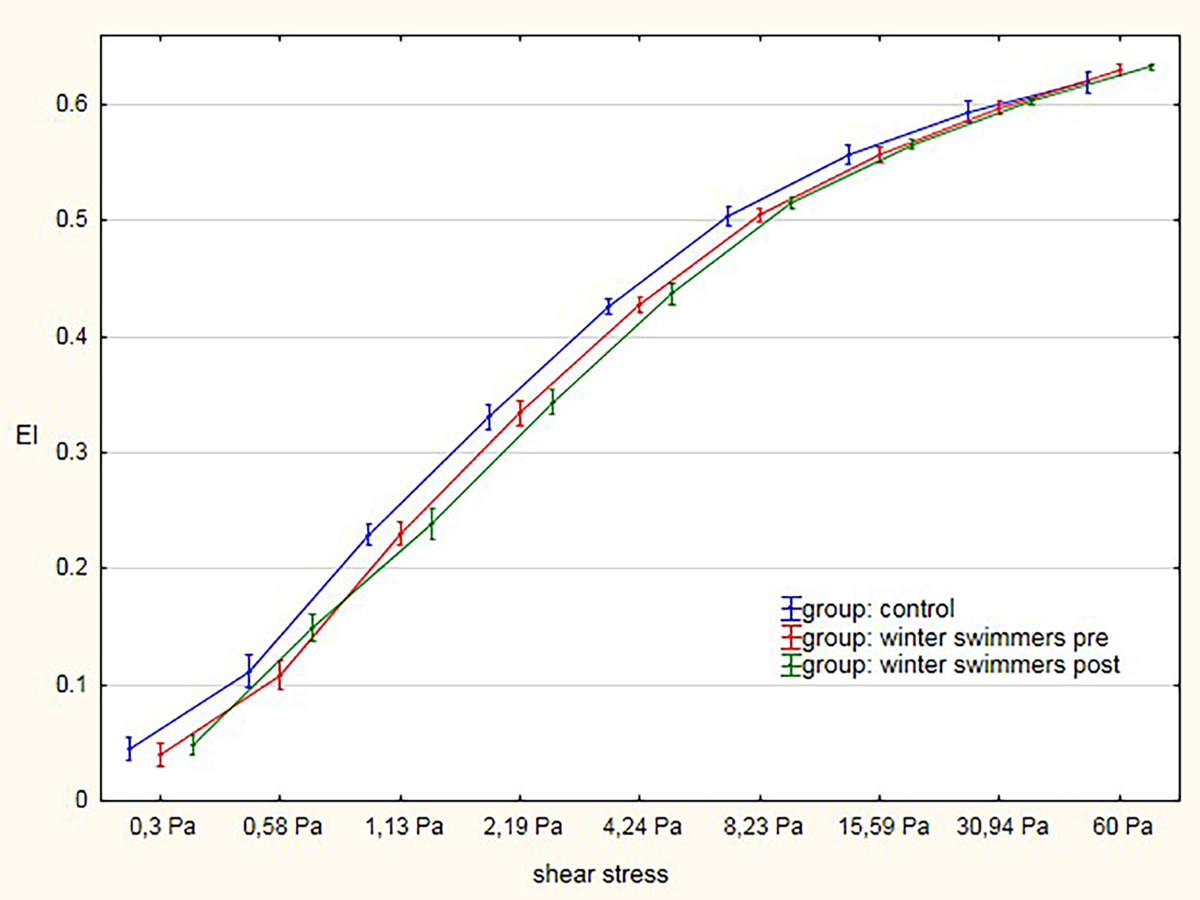
Research on cold-adapted winter swimmers compared to control groups has revealed significant improvements in cardiovascular risk factor markers. Studies found reduced apolipoprotein B to apolipoprotein A1 ratios, lower plasma homocysteine levels, decreased glutathione peroxidase 1 activity, and reduced oxidative stress markers in regular cold-water immersion practitioners. Cold-adapted individuals also demonstrated increases in triiodothyronine values, paraoxonase-1 activity, and zinc concentration compared to controls, suggesting positive cardioprotective effects from regular cold-water exposure. However, researchers note that whether winter swimmers represent naturally healthier individuals or develop improvements through the practice itself remains unclear, as many practitioners also maintain active lifestyles and healthy habits that could contribute to these cardiovascular benefits.
Metabolic and Fat-Burning Effects
Cold water immersion appears to influence body composition and metabolic health through several mechanisms. Brown adipose tissue activation increases during cold exposure, with cold stress upregulating thermogenic gene expression that stimulates fat burning for heat production. Research combining moderate exercise with facial cooling demonstrated substantial fat loss in men, with free fatty acid mobilization suggesting cold exposure could complement weight management efforts. Additionally, cold exposure appears to increase adiponectin production in adipose tissue—a protective protein that guards against insulin resistance, diabetes, and atherosclerosis. Studies on plasma adiponectin levels in centenarians suggest elevated levels may promote increased longevity, making this hormonal response particularly noteworthy for long-term health considerations.
Who Should Avoid Cold Water Bathing
Cardiovascular Risk Factors You Must Consider
Despite potential benefits, cold water immersion increases heart workload and imposes significant cardiac stress that requires careful consideration. The cold shock response initiates increased respiratory rate, heart rate, and blood pressure while decreasing cerebral blood perfusion, creating substantial cardiovascular demand even in healthy individuals. Investigation of elite swimmers during winter swimming competitions found significant increases in plasma high-sensitivity troponin I concentration following cold water exposure, with elevated troponin levels generally associating with cardiac prognosis concerns. While connections to increased acute coronary syndrome risk remain unclear, individuals with underlying cardiovascular conditions, hypertension, or heart disease should consult healthcare providers before beginning regular cold water immersion practices. The conflict between autonomic responses during cold water immersion could contribute to cardiac arrhythmia incidence among susceptible individuals.
Hypothermia Vulnerability Factors
The risk of hypothermia remains significant during cold water immersion, particularly for extended exposures or when initial body temperature is already reduced. Human body core temperature follows a circadian rhythm, varying by approximately 1°C throughout the day and reaching lowest temperatures at night, which raises possibilities that morning cold-water immersion might increase hypothermia risk due to lower initial core temperature. Age represents an important predictor of cold influence on body physiology, with hypothermia remaining among leading causes of death among older individuals—their thermoregulatory responses may be diminished, making them more susceptible to dangerous core temperature drops. Additionally, individuals taking certain medications, those with hypothyroidism or other metabolic conditions, and anyone currently consuming alcohol should exercise heightened caution or avoid cold water bathing entirely due to impaired thermoregulatory responses.
Implementing Cold Water Bathing Safely
Temperature Guidelines Based on Experience Level
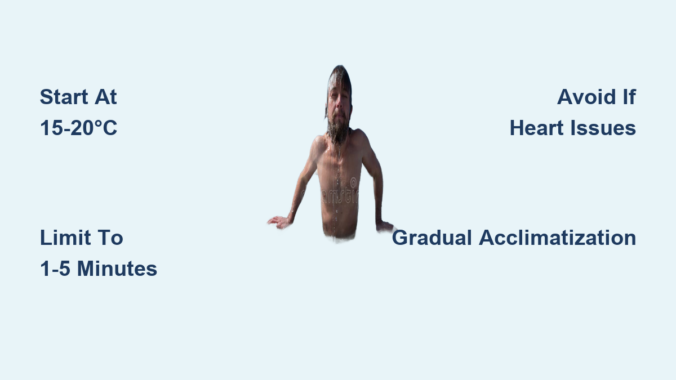
Choosing appropriate water temperature depends heavily on your experience level, health status, and specific goals. For beginners, these temperature thresholds provide a safe starting point:
- Mild exposure (15-20°C): Ideal for initial cold showers and partial immersion
- Moderate exposure (10-15°C): Suitable for developing tolerance with controlled breathing
- Advanced exposure (5-10°C): Appropriate only after consistent practice at milder temperatures
Water temperature should never drop below 5°C for recreational practice, as more extreme cold significantly increases risks without proportional benefits for general wellness purposes. Use a reliable waterproof thermometer to verify your bath temperature before immersion—guessing can lead to dangerous overexposure.
Progressive Duration Recommendations
Exposure duration should correspond to your objectives and experience level, with shorter durations appropriate for beginners:
- First-time exposure: 30 seconds to 1 minute maximum
- Acclimatization phase: Gradually increase by 15-30 seconds per session over 2-4 weeks
- Regular practice: 2-5 minutes for most recovery and wellness benefits
- Advanced practice: Never exceed 10 minutes without professional supervision
Critical safety note: Extended immersions beyond 5 minutes significantly increase hypothermia risk and are generally unnecessary for most wellness applications. Competitive ice swimmers train specifically for longer exposures under controlled conditions that recreational practitioners should not attempt without proper preparation and supervision.
Building Your Cold Water Bathing Routine
Step-by-Step Acclimatization Process
Create sustainable cold water tolerance with this evidence-based progression:
- Begin with cold showers, starting with lukewarm water and gradually decreasing temperature over several sessions
- Once comfortable with cold showers, progress to partial body immersion—beginning with arm and leg immersion
- Introduce full-body immersion at mild temperatures (15-20°C) for 30-60 seconds
- Gradually increase exposure time by 15-30 seconds per session while maintaining comfortable breathing
- After 4-6 weeks of consistent practice, consider slightly colder temperatures while maintaining safe duration
Research indicates that thermal sensation and comfort become habituated after repeated exposures, making subsequent sessions progressively more comfortable. Most practitioners find that consistent practice three to four times per week for several weeks produces meaningful adaptation.
Essential Post-Bath Recovery Protocol
Maximize benefits and minimize risks with proper post-bath care:
- Immediately dry off with warm towels to prevent continued heat loss
- Engage in light movement for 5-10 minutes to promote active rewarming
- Hydrate with warm (not hot) fluids to support circulation
- Monitor for delayed symptoms including continued intense shivering, numbness, or confusion
- Allow 1-2 hours for full recovery before engaging in strenuous activity
Pro tip: Track your sessions in a journal noting water temperature, duration, breathing patterns, and how you feel in the hours following immersion. This helps identify your personal optimal exposure parameters.
Cold water bathing offers a range of potential health benefits from improved cardiovascular markers to enhanced metabolic function, but these emerge through consistent, safe practice rather than extreme single exposures. By understanding how your body responds to cold stress, starting gradually with appropriate temperatures and durations, and paying attention to your individual responses, you can develop a sustainable cold water bathing practice that supports your wellness goals. Remember that individual variation in physiological response to cold water immersion is substantial—even among healthy populations—what works perfectly for one person may require adjustment for another. With patience, consistency, and attention to safety, cold water bathing can become a valuable addition to your health routine, offering refreshing stimulation, recovery support, and the profound sense of accomplishment that comes from regularly confronting and mastering a genuine physical challenge.
Leave a Reply