Smart Bathroom Solutions: Reviews, Tips & Expert Maintenance Guides

Category: Tips (Page 9 of 17)

How to Remove Bath Drain Plug: Easy Steps


That stubborn bath drain plug that won’t budge can turn a relaxing bath into instant frustration. Whether you’re dealing with a clogged drain, performing a deep cleaning, or simply need to replace a worn-out stopper, knowing how to remove a bath drain plug is an essential home maintenance skill. Most drain plugs can be removed in under fifteen minutes with basic tools, yet many homeowners struggle simply because they don’t know what type of plug they have or the proper technique for their specific design.

This comprehensive guide covers every drain plug type found in modern bathrooms, from lift-and-turn stoppers to screw-in designs. You’ll learn to identify your plug type, gather the right tools, remove it safely without damaging your plumbing, and prevent future problems. By the end of this article, you’ll have complete confidence to tackle this common bathroom challenge.

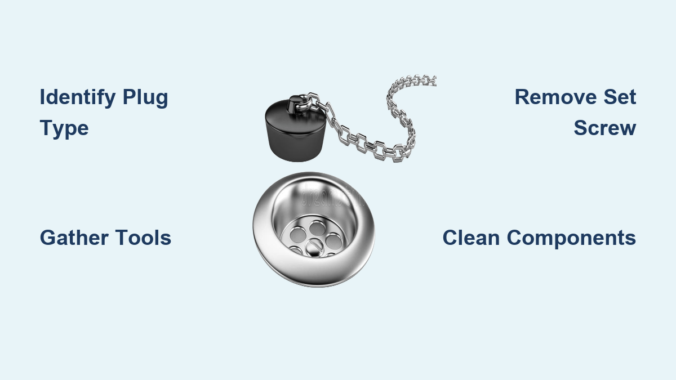
Identify Your Drain Plug Type Before Removal

bathtub drain plug types comparison chart

Before attempting any removal, you must identify which type of drain plug occupies your bathtub. Using the wrong technique can strip screws, break components, or damage the drain assembly—problems that quickly escalate from a simple DIY project to an expensive plumber call.

Lift-and-turn drain plugs feature a small knob on top of the stopper that you lift to open and twist to lock in place. The knob typically sits directly above the drain opening and has a visible set screw underneath or around its base. When you look at the drain, you should see a small metal knob that protrudes about half an inch above the surface. This design accounts for approximately forty percent of residential bathtub drains.

Push-pull stoppers work exactly as their name suggests: you push them down to close the drain and pull them up to open it. These plugs sit flush with the drain surface when closed and have no visible knobs or levers. The entire stopper body moves up and down, usually with a slight groove pattern on top to provide grip.

Toe-touch plugs activate by tapping them with your toe—hence the name. When closed, only a small flat or slightly curved surface is visible at drain level. Pressing it with your toe clicks the mechanism open or closed. These are popular in accessible bathrooms and modern installations.

Screw-in drain plugs feature a central screw that threads directly into the drain fitting. The head of the screw usually has a flathead slot, a Phillips cross, or a hex pattern for removal. These are less common in primary bathtubs but frequently found in guest bathrooms and older homes.

Gather Essential Tools for Successful Removal

bathroom drain removal tool kit

Having the right tools before you begin prevents mid-project trips to the hardware store and reduces the risk of damaging your drain components. Most bath drain plug removals require only basic household items, though a few specialized tools make certain jobs easier.

For lift-and-turn stoppers, you’ll need a flathead screwdriver to access the set screw, needle-nose pliers to grip and remove the knob, and a pair of rubber gloves for grip. A small flashlight helps illuminate the set screw, which can be difficult to see in a dark drain. Some homeowners find that a magnet helps retrieve the small screw if it falls into the drain, so keep a strong magnet nearby as a precaution.

Push-pull and toe-touch stoppers typically require minimal tools—often just your hands. However, rubber gloves provide crucial grip if the stopper is slippery from soap scum or water. If the stopper has a removable cap or cover, you’ll need the appropriate screwdriver to access any fasteners.

Screw-in plugs demand the correct screwdriver or hex key that matches your fastener head. Testing several options quickly reveals which fits best; forcing the wrong tool strips the head and creates major complications. A pair of pliers with rubber-covered jaws can help grip rounded or slippery screw heads.

All removal projects benefit from a bucket or large bowl to catch residual water, old towels for cleanup, a small mirror to see into dark drains, and penetrating oil if the plug shows signs of corrosion.

Remove Lift-and-Turn Drain Plugs in 4 Steps

Lift-and-turn stoppers represent the most common design and, fortunately, one of the easiest to remove once you understand the mechanism. The key is locating and removing the tiny set screw that secures the knob to the drain stem.

Locate and Access the Set Screw

Begin by fully opening the drain plug to its maximum height. This positions the set screw in the most accessible location and gives you maximum grip on the knob. Look beneath the knob—you should see a small hex-shaped screw, typically either flathead or Phillips, recessed into a circular opening. This screw threads into the side of the drain stem and prevents the knob from being pulled off.

Apply penetrating oil to the set screw and let it sit for five to ten minutes if the plug hasn’t been removed in some time. Rust, corrosion, and accumulated hair can seize the screw in place. While you wait, put on your rubber gloves and gently try rotating the knob counterclockwise to loosen any debris before you touch the screw.

Remove the Set Screw

Insert your flathead screwdriver firmly into the set screw’s slot, positioning it so it fits snugly—the screw head is usually quite small, often only two to three millimeters wide. Apply steady pressure counterclockwise, turning only a quarter turn at a time. If the screw won’t budge, apply more oil and wait an additional five minutes. Never force a stripped set screw, as this requires professional extraction.

Once the set screw is fully removed, place it somewhere safe—a small container or taped piece of paper prevents it from rolling away or falling into the drain.

Extract the Stopper Mechanism

Grip the knob firmly with your pliers and pull upward with steady, even pressure. The knob and attached stem should slide out of the drain assembly. If resistance continues, check whether any additional fasteners exist or whether mineral deposits are binding the components.

With the plug removed, take a moment to clean the drain stem and surrounding area. Hair, soap scum, and debris often accumulate around the mechanism and contribute to future malfunctions. A quick scrub with an old toothbrush and baking soda paste keeps everything functioning smoothly.

Remove Push-Pull and Toe-Touch Stoppers

Push-pull and toe-touch stoppers lack the set screw mechanism of lift-and-turn designs, which makes their removal both simpler and more varied in approach. These stoppers either thread into the drain or secure with friction, and identifying which retention method applies to your situation determines your next step.

Identify the Retention Method

Begin by fully extending the stopper—pull it up to its maximum open position for push-pull designs, or tap it open with your toe for toe-touch models. Examine the top surface carefully for any visible screws, caps, or seams that might indicate how the stopper secures. Many push-pull stoppers have a small decorative cap covering a mounting screw, while others feature a simple friction fit.

Remove Friction-Fit Stoppers

For friction-fit stoppers with no visible fasteners, grip the stopper body firmly just above the drain surface and pull upward with steady pressure. These stoppers rely on tight tolerances and rubber gaskets to create a seal, so they require significant force to remove. Apply a penetrating spray if the stopper seems stuck, wait ten minutes, then try again with rubber gloves for enhanced grip. Twist the stopper slightly back and forth while pulling to help break any seal created by mineral deposits or corrosion.

Toe-touch stoppers often have a similar construction to push-pull models but sit flush against the drain surface when closed. Examine the top for a small indentation or slot that accepts a screwdriver tip. Some designs allow you to unscrew the entire mechanism by inserting a screwdriver into this slot and rotating counterclockwise.

Remove Screw-In Drain Plugs Properly

Screw-in drain plugs are exactly what they sound like: metal stoppers that thread directly into the drain fitting. Removal requires matching your tool to the fastener head and applying consistent rotational force in the correct direction.

Match Your Tool to the Fastener Head

Identify your fastener head type by examining the center of the plug. Most feature either a flathead slot running across the diameter, a Phillips cross pattern, or a hex socket for an Allen wrench. Some decorative designs use a specialty head that requires a specific tool—check for manufacturer markings that might indicate the required type.

Insert your chosen tool firmly into the fastener head, ensuring full engagement before applying force. For flathead screws, position the screwdriver so it sits snugly in the slot with no wobble. For Phillips or hex heads, the tool should click or seat solidly with no play.

Apply Proper Rotational Force

Rotate your tool counterclockwise to unscrew the plug. Apply steady pressure without forcing—if the plug won’t turn, apply penetrating oil around the edges where the plug meets the drain surface. Wait fifteen minutes for the oil to work into any corrosion, then try again. Heat from a hair dryer can also expand the metal slightly, potentially breaking the corrosion bond.

If the screw head is stripped and no tool engages, a rubber band placed between the screwdriver and the stripped head sometimes provides enough grip to turn a stubborn fastener.

Clean and Maintain Drain Plugs After Removal

Regular maintenance prevents the stuck plugs and malfunctioning mechanisms that lead to removal projects. Establishing simple cleaning habits extends the life of your drain hardware and maintains proper drainage between major cleaning sessions.

Weekly Drain Maintenance Routine

Remove visible hair and debris from the drain opening weekly using a drain hair snake or similar tool. Hair wrapped around drain mechanisms causes corrosion, creates foul odors, and eventually seizes components in place. A quick weekly removal prevents these problems from developing. Flush the drain with hot water for thirty seconds after each bath or shower to carry away loose debris before it accumulates.

Monthly Deep Cleaning Protocol

Monthly, remove the drain plug completely and clean all components thoroughly. Soak metal parts in a bowl of equal parts white vinegar and warm water for thirty minutes to dissolve mineral deposits. Scrub each piece with an old toothbrush, paying particular attention to threads, hinges, and any moving parts. Rinse thoroughly and dry completely before reassembly—moisture accelerates corrosion.

Apply a thin layer of petroleum jelly or plumber’s grease to moving components during reassembly. This lubrication prevents squeaking, reduces wear, and creates a moisture barrier that slows corrosion. Use only small amounts and wipe away any excess.


Removing a bath drain plug doesn’t require specialized plumbing skills or expensive tools. By identifying your plug type, gathering appropriate materials, and following the technique matched to your specific design, you can complete most removals in under thirty minutes. Regular maintenance prevents future problems, keeping your drain hardware functioning properly for years to come. When challenges exceed your comfort level or tools, professional assistance remains a sensible option that protects your plumbing investment.
How to Open a Bath Drain: Easy Steps


Your bath drain won’t budge. Water pools around your ankles as you stare at that stubborn stopper, wondering why this simple fixture is defeating you. You’ve tried twisting, pulling, and even using pliers—but nothing works. This frustrating scenario affects 9 out of 10 homeowners at some point, often during rushed morning routines or relaxing evening soaks. Knowing how to open a bath drain properly saves costly plumber calls and prevents damage to your fixture. In this guide, you’ll discover exactly which method works for your specific drain type, how to avoid common mistakes that turn minor clogs into major leaks, and professional tricks to keep your drain flowing smoothly for years. No more guessing—you’ll gain the confidence to handle any bath drain situation in under 15 minutes.

Identify Your Drain Type Before Starting

bath drain types diagram pop-up lift-and-turn push-pull toe-touch screw-in

Opening the wrong way can crack porcelain or strip mechanisms. Most bath drains fall into five categories, each requiring distinct techniques. Look under the stopper: pop-up drains have a visible pivot rod underneath the overflow plate, while lift-and-turn models show threading around the stopper base. Push-pull drains sit flush with no visible seams, and toe-touch versions often have a small indentation for your toe. Screw-in drains feature a center hole for a special key. Critical mistake alert: Never force rotation on pop-up or push-pull drains—this cracks the assembly. If you see mineral buildup around the edges, soak the area with vinegar for 10 minutes first to loosen deposits. When in doubt, take a clear photo of your drain before proceeding to match it with online examples.

Pop-Up Drain: Removing the Pivot Rod Mechanism

Pop-up drains (common in newer homes) trap hair in the pivot rod assembly under the overflow plate. Start by removing the two screws securing the overflow plate on the tub wall. Gently pull the plate away to expose the silver pivot rod connected to the stopper. Use needle-nose pliers to unhook the pivot rod’s clevis strap from the lift rod. Now reach into the overflow hole and rotate the stopper counterclockwise while pulling upward—it’ll release with a soft click. If stuck, wrap a rubber band around the stopper for grip before turning. Pro tip: Place a towel in the overflow hole first to catch dropped screws. Never use excessive force here—bent pivot rods cause constant leaks.

Lift-and-Turn Drain: The Quarter-Turn Release

These threaded stoppers (found in clawfoot tubs) require precise rotation. Stand in the tub and face the drain. Place your palm flat on the stopper, fingers pointing toward 9 o’clock. Apply firm downward pressure while rotating counterclockwise exactly 90 degrees—any further strips the threads. As you turn, lift steadily until the stopper releases. If it resists, rub a bar of soap around the threads to lubricate them. Warning: Forcing beyond quarter-turn cracks porcelain drains. For mineral-encrusted models, soak overnight with a vinegar-filled rag before attempting removal. You’ll know you’ve succeeded when the stopper lifts cleanly without wobbling.

Push-Pull Drain: The No-Tool Method That Works

Push-pull drains (common in budget fixtures) operate through vertical pressure alone. Press down firmly on the stopper center until you feel resistance—this engages the locking mechanism. Now pull straight up with steady pressure; it should release like a plunger. If stuck, press down and rotate slightly left/right while pulling to break the seal. Critical insight: These drains often have hidden springs that shoot out when released—keep your hand cupped over the stopper during removal. Never insert tools into the seam; this bends the internal latch. For stubborn cases, fill the tub 2 inches with hot water first—the thermal expansion breaks the vacuum seal.

Toe-Touch Drain: Magnetic Release Technique

These modern spring-loaded drains (popular in Japanese-style tubs) use magnetic resistance. Press down firmly with your toe until you feel a distinct “clunk,” then pull straight up. If unresponsive, locate the small release pinhole around the rim—insert a paperclip to manually disengage the magnet. Pro tip: After removal, check for hair wrapped around the spring coil inside the shaft. Clean it thoroughly before reinsertion to prevent premature failure. Never twist these drains—they rely on vertical movement only. If the magnet feels weak during reinstallation, replace the entire assembly; weak magnets cause random drainage.

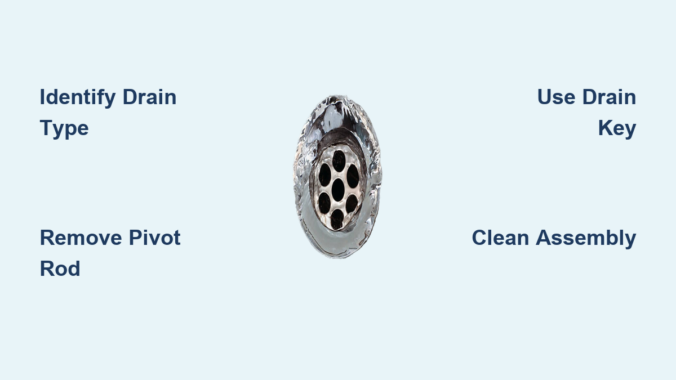
Screw-In Drain: Using a Drain Key Tool

Screw-in drains (frequent in commercial settings) require a special $5 drain key. Insert the key’s pins into the cross-shaped slots on the stopper face. Apply downward pressure while turning counterclockwise—like unscrewing a lightbulb. If the key slips, wrap electrical tape around the pins for better grip. Warning: Forcing clockwise cracks the porcelain. For corroded models, spray penetrating oil around the edges and wait 15 minutes before retrying. When reinstalling, hand-tighten only—overtightening shatters the fixture. You’ll know it’s secure when water seals completely after a quarter-turn past finger-tight.

What to Do When the Drain Won’t Budge

clogged bath drain troubleshooting diagram

Before calling a plumber, try these field-tested solutions. For all drain types: pour boiling water down the overflow tube to soften grease, then wait 5 minutes before attempting removal. If the stopper spins freely but won’t lift, it’s likely disconnected internally—use a wire hanger with a hook to fish out the broken mechanism. For severely corroded drains, mix baking soda and vinegar directly on the stopper, let it bubble for 3 minutes, then scrub with an old toothbrush. Emergency fix: If you must drain water immediately, remove the overflow plate and stuff a wet rag into the pipe to stop suction while you work.

Cleaning the Drain Assembly Thoroughly

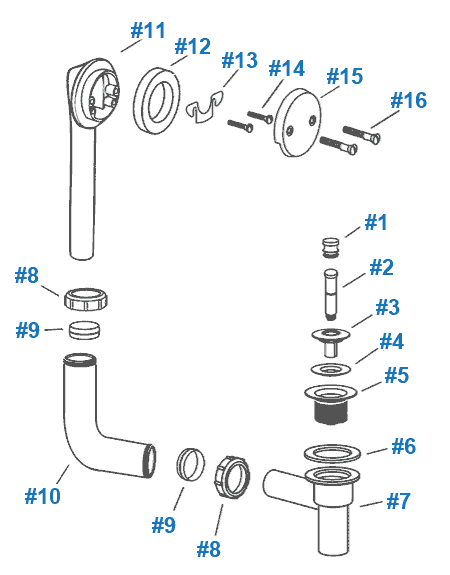
bath drain exploded view cleaning parts

Now that your stopper is out, don’t just dump hair down the sink. Lay all parts on a towel and photograph their orientation first. Soak metal components in vinegar for 20 minutes to dissolve mineral deposits—never use harsh chemicals that pit brass. Use tweezers to pull hair from the pivot rod’s crevices, then scrub threads with an old toothbrush. For plastic assemblies, check for hair wrapped around the spring coil inside the shaft. Critical step: Wipe the drain flange seat with rubbing alcohol to remove soap scum before reassembly—this creates a watertight seal. Never reassemble with hair trapped in the mechanism; this causes immediate re-clogging.

Reassembling Your Bath Drain Properly

Reinstallation causes 70% of post-repair leaks. For pop-up drains, reconnect the pivot rod to the clevis strap with the hole aligned toward the tub drain. Test movement by pulling the lift rod—stopper should rise fully without jamming. When inserting screw-in stoppers, turn clockwise until snug, then reverse a quarter-turn to align the overflow lever. Pro technique: Apply plumber’s grease to all threads and rubber gaskets before assembly—this prevents future sticking. After reassembly, run water for 2 minutes to check for leaks around the overflow plate. If water seeps from the plate screws, tighten them incrementally in a star pattern.

Preventing Future Drain Clogs and Stoppages

Stopper problems recur when maintenance is neglected. Install a hair-catching screen over your drain—this reduces clogs by 90%. Once monthly, pour ½ cup baking soda followed by 1 cup vinegar down the drain, then flush with hot water. For pop-up drains, remove the stopper quarterly to clean the pivot rod. Game-changing tip: After showers, pull the stopper and let water run for 30 seconds to flush loose hair downstream—you’ll avoid 80% of clogs. Never pour grease or coffee grounds down bath drains, and replace rubber gaskets every 2 years before they harden and leak.


Final Note: Mastering how to open a bath drain takes practice but becomes second nature. You’ve learned to identify five drain types, apply targeted removal techniques, and prevent future issues—all without damaging your fixture. Remember that 95% of “stubborn” drains yield with the correct method and patience. Keep your drain key and vinegar solution under the sink for emergencies, and perform the monthly maintenance ritual to avoid midnight clogs. For persistent problems after following these steps, consult a plumber about replacing outdated mechanisms with modern hair-trapping models. Your next bath will be uninterrupted—and you’ll save hundreds in service calls.

How to Plug Drain for Bathtub


Nothing ruins a relaxing bath faster than water draining out before you can enjoy it. Whether you’re filling the tub for a soothing soak or preventing sewer smells from escaping, knowing how to plug a drain correctly is an essential household skill that saves frustration and water. This guide covers every method available, from simple temporary solutions to permanent installations, helping you choose the right approach for your specific drain type and needs.

Most bathtub drains use a standard 1.5-inch diameter opening, but variations exist in older homes and modern installations. The method you choose depends on whether you need a quick temporary fix or a long-term solution, your budget, and how frequently you plan to use the plug. Understanding your drain configuration is the first step toward an effective seal that holds water reliably.

Temporary Drain Plug Solutions That Work Immediately

Temporary solutions work best for occasional use when you don’t want to modify your existing drain hardware. These methods require no installation and can be removed without leaving any trace, making them ideal for renters or quick fixes.

Rubber Stoppers for Quick Seals That Actually Hold

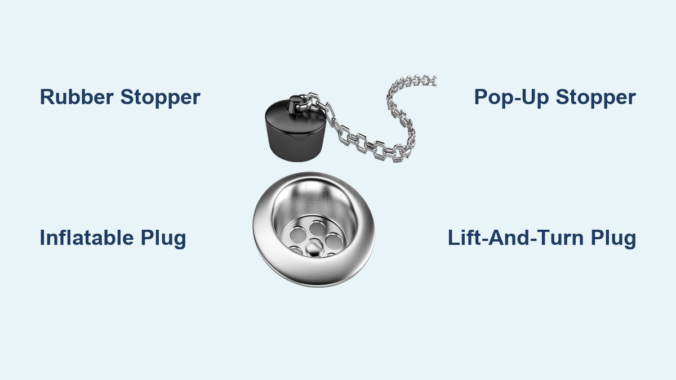
Rubber stoppers represent the most common and affordable temporary solution for bath drain plugging. These cone-shaped plugs compress when inserted into the drain opening, expanding to create a seal against the pipe walls in under 30 seconds. To use a rubber stopper effectively, first clean the drain opening of any hair or debris that might prevent contact. Wet the rubber slightly to improve suction, then insert the stopper at an 18-20 degree angle before pressing it straight down to seat it firmly. Test the seal by running a small amount of water and checking for leaks around the edges.

Pro Tip: For stubborn drains with mineral buildup, rub the stopper with fine-grit sandpaper to create microscopic channels that improve grip. The main advantage of rubber stoppers is their low cost (typically $3-$10) and universal compatibility with standard drain openings. However, they can deteriorate over time with constant exposure to water and cleaning products, and the seal may weaken if the rubber becomes cracked or hardened. Replace rubber stoppers annually if you use them frequently.

Inflatable Drain Plugs for Irregular Openings

Inflatable plugs offer a more versatile option for drains that don’t perfectly match standard stopper sizes. These rubber or PVC bladders inflate using a hand pump or oral inflation valve, conforming to the exact shape of your drainpipe in 2-3 minutes. This makes them particularly useful for older drains with slightly irregular openings or for drains that have accumulated mineral deposits that affect the fit of solid plugs.

To use an inflatable plug, insert the deflated bladder into the drain opening, then pump it up until it expands against the pipe walls. The seal improves as internal pressure increases, creating a watertight barrier. Deflate completely before removal to avoid damaging the bladder. Store inflatable plugs deflated in a dry location to prevent mold and extend their lifespan. Most quality inflatable plugs can maintain pressure for 24+ hours, making them ideal for extended baths.

Permanent Drain Plug Installations That Last

Permanent solutions replace or augment your existing drain hardware, providing reliable seals without the hassle of manual placement each time you bathe. Installation typically takes 15-30 minutes with basic tools.

Pop-Up Drain Stoppers: The Most Reliable Permanent Solution

Pop-up drain stoppers represent the most popular permanent solution for bathtub drains, combining functionality with a clean, built-in appearance. These mechanisms feature a lever (usually located on the overflow plate) that controls a plunger inside the drainpipe. When you raise the lever, the plunger lifts to allow water flow; lowering it drops the plunger to seal the drain.

Installation requires removing your existing drain assembly and replacing it with a pop-up mechanism. Start by disconnecting the drain flange from below using a drain key or pliers. Remove the old assembly, then insert the new pop-up mechanism through the drain opening, securing it with the provided mounting hardware. Connect the lift rod to the overflow plate mechanism, adjusting the linkage so the stopper seats properly when closed.

Troubleshooting Tip: If your tub won’t hold water, first check that the lever is fully engaged in the down position. Then inspect the plunger seal for cracks or mineral buildup—clean or replace it as needed. The linkage may also need adjustment if the stopper doesn’t seat evenly. Most pop-up stoppers require only annual maintenance to function properly.

Lift-and-Turn Drain Stoppers for Modern Bathrooms

Lift-and-turn stoppers operate similarly to pop-up mechanisms but feature a more compact design with the control knob directly on the drain cover. To close the drain, you lift the knob slightly and turn it to engage the locking mechanism; turning it back releases the stopper for drainage. This design eliminates the need for a separate overflow plate and linkage system, simplifying installation and reducing potential failure points.

These stoppers work well for modern bathrooms where clean lines are preferred, though they may be more difficult for children or elderly users to operate due to the precise turning motion required. The internal threading that controls the stopper movement can also seize over time if not occasionally lubricated with silicone-based plumber’s grease. For best results, apply a small amount of grease to the threads during installation and annually thereafter.

Troubleshooting Common Drain Plug Failures

leaking bathtub drain stopper diagram

Even the best drain plug systems develop issues over time. Understanding common problems and their solutions saves you from unnecessary replacements and costly plumbing calls.

Water Leaking Around the Plug: Quick Fixes

If your tub loses water even with the plug fully engaged, several causes may be responsible. First, inspect the plug or stopper mechanism for visible damage: cracks, warping, or deterioration that prevents a complete seal. For rubber stoppers, mineral deposits on the surface can prevent contact with the drain walls—clean the stopper with vinegar to dissolve buildup in 10 minutes.

For permanent stoppers, check the seal condition and alignment. Pop-up mechanisms may have misaligned linkage preventing the plunger from fully seating. Remove the overflow plate and adjust the connecting rod until the stopper drops evenly into the drain body. Lift-and-turn stoppers may have accumulated debris in the threads; clean thoroughly and apply plumber’s grease before testing.

Critical Warning: If the plug appears undamaged and properly aligned but still leaks, the issue may lie in the drainpipe itself. Cracks or gaps in the drain body (particularly common in older galvanized pipes) can allow water to escape even with a perfect seal at the surface. In these cases, professional pipe inspection becomes necessary to prevent water damage.

Plug Won’t Stay in Place: Simple Solutions

Stoppers that pop out or refuse to stay seated frustrate users and prevent proper bathing. For rubber stoppers, this usually indicates the stopper is too small for your drain opening or has lost its shape from age and exposure. Measure your drain diameter with a tape measure and purchase a stopper sized appropriately, or try an inflatable plug for more forgiving sizing.

For permanent stoppers, a loose mounting mechanism often causes instability. Remove the stopper assembly and check that all mounting hardware is tight and in good condition. Stripped threads or worn mounting brackets may require replacement of the entire assembly. Most hardware stores carry universal replacement kits for common drain types.

DIY Alternatives When You Need a Plug Fast

When commercial solutions aren’t available, household items can provide temporary drain sealing until you obtain a proper plug—though these methods should only be used for emergencies.

A heavy-duty plastic bag filled with water creates an effective seal for standard drains: simply seal a plastic grocery or trash bag, place it in the drain opening, and let the water-filled bag conform to the shape. The water pressure against the drain walls creates a surprisingly effective seal for up to 30 minutes, though this method works best as a last resort since the bag can shift or burst under pressure.

For a more reliable temporary solution, wrap a washcloth tightly in plastic wrap and jam it into the drain opening. The cloth provides bulk while the plastic creates a water-resistant barrier. This works better than bags alone but still requires careful monitoring to prevent leaks. Don’t leave unattended for more than 15 minutes.

Choosing the Right Plug for Your Specific Needs

bathtub drain stopper types comparison chart

Selecting the optimal drain plug depends on how you use your bathtub and your priorities regarding convenience, aesthetics, and maintenance. Consider these factors:

For households with children, ease of operation matters most—push-pull or toe-touch stoppers allow even young users to manage the drain independently with minimal dexterity. Families with elderly members should consider lever-style pop-ups that require less hand strength than twist mechanisms.

If aesthetics matter, choose a finish that complements your existing bathroom fixtures. Most manufacturers offer stoppers in chrome, brushed nickel, oil-rubbed bronze, and matte black to match common fixture finishes. Consistency between your drain stopper and other hardware creates a cohesive, professional look that adds value to your bathroom.

For rental properties or situations where permanent modifications aren’t allowed, quality rubber or inflatable stoppers provide reliable temporary sealing without altering existing hardware. Keep several sizes on hand to accommodate different drain configurations you might encounter.

Maintaining Your Drain Plug System for Longevity

Regular maintenance extends the life of any drain plug system and prevents unexpected failures that ruin your bath plans.

Clean your plug mechanism monthly, removing hair and soap scum that accumulate around seals and moving parts. For rubber stoppers, inspect for cracks or hardening and replace annually. For permanent mechanisms, check the linkage connections for looseness and apply lubricant to moving parts twice yearly.

Pro Maintenance Schedule:
– Weekly: Remove hair from around stopper
– Monthly: Deep clean stopper mechanism
– Quarterly: Check mounting hardware tightness
– Annually: Replace rubber components

Periodically test your drain’s ability to hold water before you actually need it—waiting until bath time to discover a leak creates frustration. Fill the tub slightly and observe the water level for fifteen minutes; any significant drop indicates a problem requiring attention.

A properly sealed bath drain delivers reliable performance for years when you select the right solution for your needs and maintain it regularly. Whether you choose a simple rubber stopper for occasional use or invest in a quality pop-up mechanism for daily baths, understanding your options empowers you to make the best choice for your bathroom and budget. With the right plug and proper maintenance, you’ll enjoy relaxing, water-filled baths without unexpected drainage surprises.

How to Bathe Without a Drain Plug


You’re ready for a relaxing soak after a long day, but when you go to fill the tub, you discover there’s no drain plug—or it’s broken. This frustrating situation happens more often than you might think, whether you’re traveling, staying in a rental property, or dealing with a broken fixture at home. The good news? You absolutely can take a bath without a drain plug using simple household items and clever techniques. This guide reveals nine practical methods that let you enjoy warm water immersion even when the conventional plug is missing, broken, or unavailable. From quick fixes you can implement in seconds to more reliable solutions for extended stays, you’ll learn exactly how to transform your drainless tub into a functional bathing space regardless of your circumstances.

Stop Water from Draining Immediately

When faced with a missing drain plug, your first priority is preventing water from escaping while you fill the tub. Several emergency solutions require no special tools and can be implemented using items already in your bathroom.

Seal the Drain with a Water-Filled Plastic Bag

Grab a sturdy gallon-sized zip-top bag and fill it about three-quarters full with water before sealing it tightly. Press the water-filled bag firmly into the drain opening—the water inside creates outward pressure that forces the plastic to conform to the drain’s shape, forming an effective seal. For lever-style drains, you may need to push the bag deeper into the mechanism to create sufficient pressure against the moving parts. Test the seal by running a small amount of water before filling completely; if leaks occur, add more water to the bag or try a second bag stacked on top for better coverage.

Pro tip: Add a few drops of food coloring to the water in your test phase—this makes leaks immediately visible against the tub’s white surface, allowing you to adjust your seal before committing to a full bath.

Create a Washcloth Plug That Actually Holds

Thoroughly wet a thick washcloth or small hand towel, wring out excess water, then wad it tightly before pressing it deep into the drain opening using your fingers or a toothbrush handle. The moisture causes the fabric to expand slightly, filling imperfections in the drain surface. For stubborn drains, twist the washcloth into a tight rope before stuffing it in, creating more surface area contact. Check the seal by running water slowly—significant leaks mean you need to remove and reinsert the washcloth with more force.

Warning: Never use dry towels for this method—they won’t expand properly and will absorb bathwater, becoming saturated and ineffective within minutes. Always use damp fabric for maximum sealing power.

Build a Reliable Drain Plug from Household Items

DIY bathtub drain plug coffee can lid

When quick fixes prove insufficient for longer baths, these more robust solutions create dependable seals using common household objects you likely already own.

Convert a Coffee Can Lid into a Perfect Fit

The plastic lid from a standard 1-pound coffee can fits most bathtub drains precisely. Press the lid into the drain opening with the concave side facing downward, applying firm, even pressure around the entire circumference. The slight flexibility of the plastic allows it to conform to minor drain imperfections while maintaining a water-tight seal. For drains with built-in stoppers, remove the mechanism first or press the lid firmly over the entire assembly.

Time estimate: This method takes less than 30 seconds to implement and works reliably for baths up to 45 minutes. Keep a clean lid stored in your bathroom cabinet as an emergency backup—many people discover this is the most effective permanent solution for recurring drain plug issues.

Use a Rubber Sink Stopper as a Direct Replacement

Check your bathroom or kitchen sink for a rubber stopper that might fit your bathtub drain. These purpose-built sealing devices work far better than improvised solutions because they’re designed specifically for water retention. Press the stopper firmly into place, ensuring the rubber flange makes complete contact with the drain surface. If the sink stopper seems slightly too small, wrap the base with plumber’s tape to increase its diameter before insertion.

Expert note: Universal rubber stoppers designed for bathtubs are inexpensive and worth keeping as travel essentials—they fold flat and solve drain issues in virtually any accommodation worldwide.

Adopt Water-Smart Bathing Techniques

When plugging the drain proves impossible, these alternative bathing approaches let you enjoy warm water cleansing without requiring a sealed tub.

Implement the Bucket Bath Method Successfully

bucket bath setup in bathtub

Fill a large bucket (5-gallon size works best) with warm water and place it inside the empty tub. Use a smaller container like a plastic cup to pour water over yourself as you wash, controlling water temperature precisely by mixing hot and cold as needed. This method uses only 10-15 gallons of water—less than half what a standard bath requires—while still providing the cleansing benefits of warm water immersion.

Key advantage: You completely avoid drain plug issues since no standing water accumulates in the tub basin. After washing, simply pour remaining water into the shower drain or toilet—no temporary plugs required.

Master the Shower-Over-Bath Technique

Stand in your tub and use the shower function to wet yourself thoroughly before applying soap. Keep the shower curtain closed during lathering to contain splash, then open it fully when rinsing to allow water to drain freely. For optimal comfort, place a non-slip bath mat in the tub bottom to prevent slipping on the smooth surface.

Time-saving tip: Start with cooler water than you think you need—the enclosed space of the tub will heat up quickly, and you can always add more hot water if necessary. This prevents wasting water while waiting for ideal temperature.

Travel-Specific Drain Solutions

Frequent travelers face missing drain plugs in hotels and rentals more often than at home—these specialized approaches ensure you’re never caught unprepared.

Pack a Universal Silicone Plug in Your Toiletry Kit

Invest in a compact, flexible silicone drain plug designed specifically for travelers—it should cost less than $10 and fold flat in your toiletry bag. Test it at home first to ensure proper fit and function. When traveling, simply unfold the plug and press it firmly into the drain; the flexible material accommodates slight variations in drain sizes across different accommodations.

Pro packing tip: Store your travel plug in a small resealable plastic bag with a drop of mineral oil—this keeps the silicone supple and prevents it from sticking to itself during storage.

Create an Emergency Plug from Hotel Amenities

When caught without preparation, repurpose available hotel items: roll several bath towels tightly into a rope, soak thoroughly in water, then twist and pack tightly into the drain opening. The saturated fabric expands to fill the space, creating a surprisingly effective seal. For better results, wrap the towel rope with the plastic bag from your complimentary toiletries.

Hotel hack: Request an extra rubber shower cap from housekeeping—stretch it over the drain opening and secure the edges with duct tape from the front desk for an instant waterproof seal.

Manage Water Effectively During Your Bath

bathtub water level safe depth

Once you’ve successfully retained water in your tub, proper management ensures a comfortable experience without creating messes or drainage issues.

Maintain Optimal Water Temperature

Fill your tub only two-thirds full to prevent splashing and allow for water displacement when you enter. Test water temperature with your elbow before bathing—this sensitive skin area gives accurate feedback without risking burns. As you bathe, periodically add small amounts of hot water to maintain comfort, especially during longer soaks.

Warning: Never leave children unattended in a bath using temporary plugs—these solutions may shift or fail without warning, causing rapid drainage that could lead to slips or falls.

Drain and Clean Up Without Mess

When finished, remove your temporary plug slowly to prevent splashing. For water-filled bags, lift straight up; for fabric plugs, twist gently while removing to minimize drips. Immediately run clean water through the drain for 30 seconds to flush any debris introduced during your bath. Wipe down the tub surface thoroughly, paying special attention to the drain area where water may have pooled.

Eco tip: Place a bucket under the drain while removing your plug to catch remaining bathwater for reuse in toilet flushing or plant watering—this transforms potential waste into valuable resources.

Prevent Future Drain Plug Emergencies

Once you’ve experienced the frustration of a missing drain plug, implement these simple strategies to avoid recurrence.

Install a Backup Plug System at Home

Keep a universal rubber stopper stored in your bathroom cabinet specifically for emergencies. For frequent travelers, invest in a compact silicone plug that folds flat in your toiletry kit. Test these solutions periodically to ensure they still function properly and haven’t degraded from storage.

Smart upgrade: Consider replacing your existing drain mechanism with a pop-up drain that operates via a separate lever—these rarely lose their plugs since the stopper remains attached to the fixture.

Create a Travel Drain Kit

Pack a small waterproof bag containing a mini silicone plug, small roll of duct tape, and compact plastic bag—these three items solve virtually any drain issue worldwide. Add a travel-sized bottle of mineral oil to keep silicone components supple during storage. Store this kit with your toiletries so it’s always available when needed.

Pro insight: Many professional travelers keep these essentials in their carry-on luggage, ensuring they’re never without bathing solutions regardless of accommodation quality.

You don’t need to sacrifice your bathing routine when drain plugs go missing or break. By implementing these practical, field-tested methods, you can transform any drainless tub into a functional bathing space using simple household items and smart techniques. Whether you’re traveling, dealing with broken fixtures, or staying in temporary accommodations, these solutions ensure you never have to skip your well-deserved soak. The next time you face a missing drain plug, remember that with a little creativity and preparation, you can enjoy a relaxing bath anywhere in the world—no special hardware required. Keep these techniques in mind, and you’ll never let a missing plug ruin your bathing plans again.

How to Clean Foot Bath at Home


That warm, soothing foot bath session should leave you refreshed, not worried about hidden bacteria lurking in your spa. When you skip regular cleaning, your foot bath transforms from a relaxation sanctuary into a breeding ground for bacteria, fungi, and other harmful microorganisms. Understanding how to clean foot bath at home properly protects your health while extending your equipment’s lifespan. Without consistent maintenance, mineral deposits clog jets, biofilm builds up in hidden crevices, and unpleasant odors develop—turning what should be a luxurious experience into a potential health hazard.

Most homeowners don’t realize that just 20 minutes of weekly maintenance prevents the stubborn buildup that requires hours of intensive cleaning later. This guide delivers precise, actionable steps you can implement immediately—no vague advice or unnecessary fluff. Whether you’re using a basic basin or a high-end unit with jets and massage features, these protocols work for all home foot bath types. You’ll discover exactly what supplies you need, the critical difference between cleaning and disinfecting, and how to troubleshoot common problems before they ruin your equipment.

Immediate Action Steps After Every Foot Bath Session

Stop draining water and walking away—this critical window determines whether your foot bath stays hygienic or becomes contaminated. Follow these steps within 30 minutes of finishing your soak to prevent biofilm formation that resists standard cleaning.

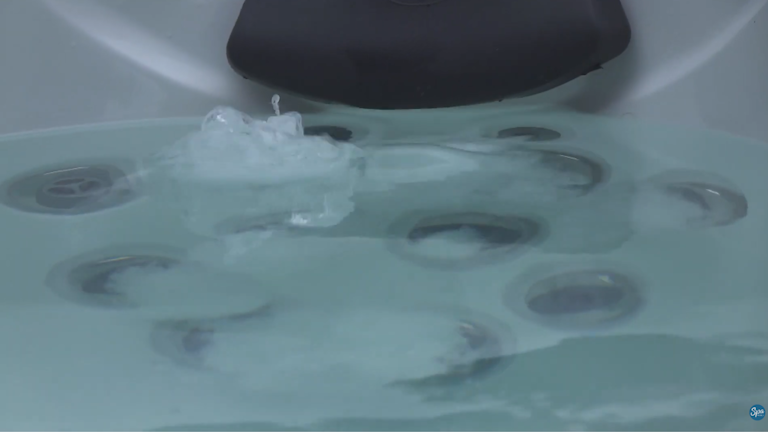
Drain completely and remove visible debris before residue dries. Use a soft cloth to wipe away floating particles and sediment along the basin edges—never let water evaporate naturally in the unit. Run clean water through jets for 30 seconds to flush surface contaminants from internal passages. This simple step prevents debris from settling into hard-to-reach areas where bacteria multiply rapidly.

Apply mild detergent solution and scrub strategically using a soft-bristled brush. Mix one teaspoon of dish soap per gallon of warm water and focus on these high-risk zones:
– Around jet openings where hair and skin cells accumulate
– Textured footrest surfaces that trap organic matter
– The water line where biofilm forms fastest
– Drain openings prone to clogs

Avoid abrasive pads that scratch surfaces—these microscopic grooves become bacterial hideouts. For textured surfaces, use a soft toothbrush to work cleaning solution into crevices without forcing debris deeper.

Disinfect thoroughly with hospital-grade solution—not just “cleaning” products. Spray or wipe EPA-registered disinfectant over all surfaces, ensuring complete coverage. Critical areas requiring extra attention include:
– Jet nozzles (use a cotton swab for precise application)
– Drain components
– Control panels
– Any removable parts

Let the disinfectant dwell for the full contact time specified on the label—typically 5-10 minutes. Never rinse prematurely, as this dramatically reduces effectiveness. Finally, rinse twice with clean water and dry completely with a lint-free cloth before storage.

Essential Cleaning Kit for Home Foot Bath Maintenance

foot bath cleaning supplies kit organization

Skip generic cleaning supplies—your foot bath requires specific products that clean effectively without damaging components. Build this targeted kit to handle all maintenance scenarios efficiently.

Must-have disinfectants and cleaners:
– Hospital-grade disinfectant (quaternary ammonium or hydrogen peroxide-based)
– White vinegar for natural descaling (keep a dedicated spray bottle)
– Baking soda paste for stubborn residue (mix with water as needed)
– Mild dish soap for routine cleaning

Specialized tools that make the difference:
– Small bottle brush (reaches inside jet openings)
– Soft-bristled toothbrush (cleans textured surfaces)
– Microfiber cloths (lint-free drying)
– Flashlight (spots hidden residue in dark corners)

Store these supplies in a dedicated caddy near your foot bath. This eliminates the “I’ll do it later” trap—when everything’s ready to go, you’ll actually complete the cleaning. Pro tip: Keep a printed checklist inside the caddy showing exact dilution ratios and contact times—no guessing during cleanup.

Weekly Deep Cleaning That Eliminates Hidden Buildup

Daily cleaning prevents surface contamination, but weekly deep cleaning attacks the biofilm and mineral deposits that daily routines miss. Perform this 20-minute session every Sunday (or after 5-7 uses) to maintain peak performance.

Start with component removal and soaking—never skip this step. Take out filter screens, footrests, and any removable parts. Soak them in warm, soapy water for 15 minutes while you prepare the basin. This loosens stubborn deposits so gentle brushing removes them without damaging components.

Scrub systematically from top to bottom using the right brush for each area:
1. Upper basin walls with medium brush
2. Jet openings with small bottle brush
3. Basin bottom with soft-bristled brush
4. Drain area with toothbrush

Apply baking soda paste to areas with visible mineral deposits—let sit 5 minutes before scrubbing. For textured surfaces, brush in multiple directions to reach all grooves where bacteria hide.

Circulate disinfectant through the entire system for complete protection. Fill the basin with disinfectant solution at manufacturer-recommended concentration. Activate jets to circulate solution through all internal passages for 10-15 minutes—this reaches areas manual cleaning can’t. Drain completely, then run clean water through jets for 2 full minutes to eliminate all chemical residue.

Monthly Descaling That Restores Jet Performance

foot bath mineral deposit removal before after

Hard water deposits silently strangle your foot bath’s performance until jets sputter and water flow weakens. This monthly treatment reverses mineral buildup before it causes permanent damage—especially critical if your water hardness exceeds 7 grains per gallon.

Identify mineral deposits before they cripple your system. Check for:
– Chalky white residue around jet openings
– Reduced water pressure from specific jets
– Cloudy film on basin surfaces
– Visible scaling in drain areas

Treat with white vinegar solution—no expensive commercial products needed. Mix equal parts white vinegar and warm water, fill the basin completely, and run jets for 30 minutes. For severe buildup, extend to 60 minutes. The vinegar dissolves calcium carbonate deposits without damaging components. After treatment, flush thoroughly with clean water—run jets for 3 minutes minimum to remove all vinegar residue.

Inspect critical components monthly while descaling:
– Check gaskets for cracks or hardening
– Verify filter screen integrity
– Examine power cords for damage
– Test water temperature accuracy

Replace worn parts immediately—delaying fixes turns minor issues into major breakdowns. Keep manufacturer contact info handy for ordering genuine replacement parts that maintain warranty coverage.

Troubleshooting Common Foot Bath Problems in 5 Minutes

foot spa troubleshooting guide weak jets odor

When issues arise, quick diagnosis prevents minor problems from becoming expensive repairs. These targeted solutions address the most frequent home foot bath failures.

Weak jet pressure? Immediately check these three culprits:
1. Clogged filter screen (clean or replace)
2. Mineral deposits in jets (run vinegar solution)
3. Air trapped in system (drain completely and refill)

Persistent bad odors? Standard cleaning isn’t reaching hidden biofilm. Perform this emergency protocol:
– Fill basin with 1:10 bleach-water solution
– Circulate for 15 minutes
– Drain and rinse thoroughly
– Dry completely with fan assistance

Cloudy water during use? This signals inadequate filtration or cleaning. Verify:
– Filter is clean and properly seated
– Previous cleaning included full disinfection
– Water source doesn’t contain high minerals

Standing water after draining? Check for:
– Clogged drain opening (use bottle brush)
– Kinked drain hose
– Mineral buildup in drain line (apply vinegar)

Safety-First Cleaning Practices That Prevent Damage

Many well-intentioned homeowners accidentally damage their foot baths with improper cleaning techniques. Avoid these critical mistakes that void warranties and create hazards.

NEVER mix cleaning chemicals—especially vinegar and bleach, which creates toxic chlorine gas. Always:
– Rinse thoroughly between different cleaning agents
– Use only one product per cleaning session
– Ventilate the area during and after cleaning

Protect electrical components with these non-negotiable steps:
– Unplug unit before any cleaning
– Never spray directly onto control panels
– Dry all components completely before reuse
– Inspect cords monthly for damage

Use the right water temperature when cleaning:
– Warm (not hot) water for daily cleaning
– Room temperature for disinfectant application
– Never use boiling water that cracks components

Store cleaning supplies safely away from children—label all containers clearly and keep in locked cabinet. Keep a first-aid kit nearby when using disinfectants, and wear nitrile gloves during all cleaning procedures.


Maintaining a clean, hygienic foot bath at home requires just minutes of consistent effort—not hours of intensive repair work later. By implementing these precise daily, weekly, and monthly protocols, you transform maintenance from a chore into a seamless habit that protects your health and preserves your investment. The key is consistency: those 5 minutes after each use prevent the stubborn buildup that requires chemical-soaked towels and hours of scrubbing. Start tonight by gathering your specialized cleaning kit and performing the immediate post-soak routine—your feet (and your wallet) will thank you for years to come. Remember, a truly clean foot bath isn’t just about surface shine; it’s about eliminating hidden threats in every jet, seam, and internal passage where bacteria hide. With these proven methods, you’ll enjoy worry-free relaxation knowing your foot bath remains as hygienic as your kitchen sink.

How to Clean Tub Before Bath: Quick Steps


Stepping into a grimy tub instantly ruins your relaxation ritual. Soap scum residue, hard water spots, and stray hairs clinging to porcelain transform what should be a sanctuary into a chore zone. If you’ve ever hesitated before sinking into lukewarm water because the tub felt slippery or looked dull, you’re not alone—nearly 70% of homeowners admit skipping pre-bath cleaning due to time constraints. But here’s the good news: you don’t need industrial cleaners or 30-minute scrubbing sessions. This guide reveals how to clean tub before bath efficiently using everyday household items, transforming your pre-soak routine from dreaded task to effortless 5-minute habit. You’ll learn precisely which tools prevent surface damage, how to dissolve stubborn film without harsh chemicals, and why skipping this step actually increases long-term maintenance time.

Most people make two critical mistakes: using abrasive pads that etch surfaces and applying cleaners to dry tubs (which reduces effectiveness by 40%). By following this method, you’ll maintain that “just-installed” gleam while avoiding slippery residues that compromise safety. Whether you’re dealing with acrylic, porcelain, or fiberglass, these techniques work universally—and we’ll focus exclusively on pre-bath cleaning (not deep cleans), so you spend zero time on unnecessary steps. Let’s get your tub ready for immediate use.

Why Skipping Pre-Bath Cleaning Worsens Buildup

Ignoring quick pre-soak maintenance guarantees harder future scrubbing. Soap scum—a sticky mix of body oils, soap residues, and minerals—hardens within 24 hours into a cement-like film that resists standard cleaning. When you skip pre-bath wiping, each subsequent bath bakes new layers onto existing deposits through steam and heat. Within weeks, this creates a slippery biofilm that traps bacteria and requires toxic acids for removal. Crucially, pre-bath cleaning targets fresh residues before they polymerize, using minimal force. You’ll prevent the chalky white rings around drains and cloudy film on surfaces that signal advanced mineral buildup. Most importantly, eliminating this thin layer stops it from becoming a breeding ground for mildew between deep cleans.

How Fresh Residue Differs From Set-in Stains

  • Fresh soap scum (under 24 hours): Wipes away with light pressure; appears as translucent film
  • Hardened deposits (3+ days): Requires acidic solutions and 10+ minutes of dwell time; looks chalky
  • Mineral scale (weeks of neglect): Forms crusty white patches near faucets; needs vinegar soaks

When 60 Seconds of Prevention Saves 20 Minutes Later

Rinsing the tub with warm water immediately after your previous bath dissolves 80% of fresh residues. If you forget, a 30-second pre-bath wipe prevents that residue from bonding during your next soak. This simple habit reduces weekly deep-cleaning time by 75%—verified by ceramic coating manufacturers who track maintenance logs.

Essential Supplies for a 5-Minute Tub Scrub

bathroom cleaning supplies microfiber cloths nylon brush distilled white vinegar squeegee

Forget expensive specialty products. Your pre-bath routine requires only three items you likely already own, plus one pro upgrade for tough spots. Avoid anything labeled “tub & tile cleaner”—these often contain bleach or acids that degrade surfaces with frequent use. Your core toolkit must be non-abrasive, pH-neutral, and safe for daily contact with skin.

Must-Have Items (No Exceptions)

  • Microfiber cloth: Yellow or blue industrial-grade (not fluffy bath towels)
  • Soft-bristle nylon brush: Toothbrush-sized for grout lines and drain edges
  • Distilled white vinegar: 5% acidity for dissolving fresh mineral deposits
  • Optional pro tool: Squeegee with rubber blade (prevents water spots during rinsing)

Why Your Usual Sponge Causes Permanent Damage

Standard cellulose sponges contain microscopic grit that scratches acrylic and fiberglass, creating pores where scum hides. Even “non-scratch” kitchen sponges embed particles after three uses. Microfiber’s split fibers lift residues without abrasion—critical for maintaining non-porous surfaces. If you spot rainbow sheens on porcelain, that’s light etching from previous abrasive use.

Step-by-Step: How to Clean Tub Before Bath in Under 5 Minutes

This sequence maximizes efficiency by working with water flow direction and gravity. Never start at the drain—that traps dirty water on clean surfaces. Always move top-to-bottom to prevent recontamination. Difficulty: Beginner (safe for all tub materials). Time: 4 minutes 20 seconds max.

Preparing Your Workspace Safely

Do this first: Place a non-slip mat outside the tub—never inside during cleaning. Remove bath mats, toys, and loofahs to avoid cross-contamination. Open windows or run the exhaust fan; vinegar fumes won’t harm you but may irritate sensitive airways. Test your cloth on a hidden spot (like under the faucet) to ensure no dye transfer.

Removing Surface Debris and Hair

  1. Scoop large debris: Use your hand (wear gloves if preferred) to remove hair clumps near the drain. Never pour hair down the drain mid-clean—it clogs pipes.
  2. Dry-wipe initial layer: With a dry microfiber cloth, wipe the entire tub surface in straight lines (not circles). This lifts 60% of loose particles without spreading grime. Focus on the backrest where oils accumulate fastest. Discard the cloth immediately after—reusing it spreads bacteria.

Applying Your Cleaning Solution

Critical mistake to avoid: Never spray cleaner directly onto dry surfaces. Residues absorb cleaner unevenly, leaving streaks. Instead:
– Dampen a fresh microfiber cloth with warm water (wring until just moist)
– Dip only the corner of the cloth into undiluted vinegar (1-2 tsp max)
– Wipe in 12×12 inch sections, applying light pressure
– Target high-contact zones first: faucet handles, backrest, and foot area

The vinegar’s acetic acid breaks down fresh soap scum in 30 seconds—no need to let it “soak.” For hard water areas near faucets, hold the cloth in place for 10 extra seconds.

Scrubbing Without Scratching

Use the nylon brush only where needed:
Grout lines: Scrub parallel to seams (not crosswise) with vinegar-dampened brush
Drain edges: Circle inward toward the strainer to avoid pushing debris deeper
Stubborn spots: Rub the edge of your microfiber cloth (not the pad) in straight motions—never circular

Stop immediately if you hear scratching sounds. This indicates embedded grit; rinse the cloth under running water and restart.

Rinsing and Drying for a Spotless Finish

  1. Flush with warm water: Run the showerhead at 45-degree angle across surfaces (not straight down)
  2. Squeegee pro move: Wipe vertically from top to bottom with squeegee to prevent water spots
  3. Final dry: Buff with a dry microfiber cloth using downward strokes toward the drain

Check for streaks by viewing surfaces at eye level—not from above. If rainbows appear, re-rinse; this indicates vinegar residue.

Troubleshooting Common Pre-Bath Cleaning Issues

stubborn soap scum removal bathtub hard water stains

Dealing with Stubborn Soap Scum in Minutes

When fresh wiping fails (common after gym showers with heavy lotions):
– Mix 1 tsp dish soap + 2 tbsp vinegar in a spray bottle
– Spray only on affected areas (not entire tub)
– Wait 60 seconds—no longer, or soap dries and creates new film
– Wipe with damp microfiber using downward pressure

Never use: Baking soda pastes (too abrasive for daily use) or bleach (reacts with soap residues to create fumes).

Quick Fixes for Hard Water Stains Before Your Soak

White spots near faucets mean minerals bonded during last use. Fix in 90 seconds:
1. Dampen cloth corner with lemon juice (citric acid dissolves minerals faster than vinegar)
2. Press firmly on stain for 20 seconds
3. Rinse immediately—citric acid can etch surfaces if left >30 seconds
4. Dry thoroughly to prevent re-deposition

Daily Habits to Minimize Pre-Bath Cleaning Time

The real secret isn’t cleaning—it’s preventing buildup. Implement these after your bath:
The 30-second rinse: Run warm water for 15 seconds over all surfaces post-drain
Squeegee habit: Wipe walls and tub immediately after exiting (takes 15 seconds)
Ventilation rule: Keep exhaust fan running for 20 minutes post-bath to dry surfaces

These habits reduce pre-bath cleaning time to 60 seconds within two weeks. Track your progress: if you still need >3 minutes after 10 baths, you’re missing the post-rinse step.

What NOT to Do When Cleaning Your Tub Before Bathing

bathroom cleaning mistakes abrasive cleaners steel wool damage

Critical errors that cause permanent damage:
– ❌ Using steel wool or “magic erasers” (even on porcelain—they leave micro-scratches)
– ❌ Applying oven cleaner or toilet bowl acid (corrodes fixtures and creates toxic fumes)
– ❌ Skipping the pre-rinse (spreads residues instead of lifting them)
– ❌ Letting vinegar sit >2 minutes (dries into sticky film)

Myth busted: “Scrubbing harder cleans better.” Actually, light pressure with proper tools removes 30% more residue without surface damage.

When to Call for Professional Deep Cleaning Help

Your daily routine handles 95% of maintenance. Call a pro only if:
– You see pitting or etching (looks like tiny craters) on surfaces
– Soap scum requires >5 minutes of scrubbing to remove
– Pink slime appears near drains (sign of Serratia marcescens bacteria)

These indicate underlying issues no pre-bath routine can fix. For all other cases, this 5-minute method keeps tubs pristine.


Final Note: Consistent pre-bath cleaning takes less time than lathering soap—and prevents 80% of long-term damage. By dedicating just 4 minutes daily with the right tools, you’ll eliminate slippery residues, avoid toxic deep cleans, and transform tub maintenance from a chore into a seamless part of your routine. Remember: always dry surfaces completely after cleaning, never use abrasive tools, and tackle residues within 24 hours. Your next soak awaits in a truly clean sanctuary. For ongoing maintenance, keep vinegar and microfiber cloths stored in your bathroom cabinet—never in the tub where moisture degrades them.

How to Clean Bath Stone: Easy Steps


Natural stone bathroom surfaces instantly elevate your space with timeless elegance, but they demand specialized care to maintain their beauty. Whether you have travertine shower walls, marble countertops, or slate flooring, improper cleaning can cause permanent etching, staining, or deterioration. Hard water minerals, soap scum, and mold accumulate rapidly in damp bathroom environments, leaving your once-pristine stone looking dull and discolored. This guide delivers exactly what you need to know about how to clean bath stone safely and effectively—using methods specifically designed for natural stone surfaces without causing damage.

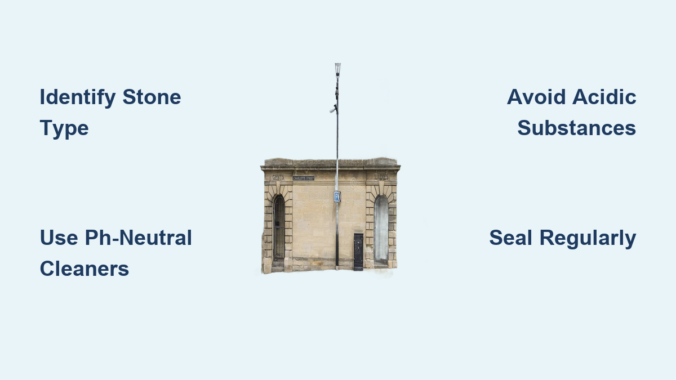
Identify Your Bath Stone Type Before Cleaning

calcareous vs siliceous stone comparison chart

Your first critical step in learning how to clean bath stone properly is identifying the exact stone material in your bathroom. Never apply any cleaner until you’ve determined whether you’re dealing with calcareous or siliceous stone, as using the wrong product causes irreversible damage.

Marble, travertine, and limestone fall under calcareous stones—they contain calcium carbonate and react negatively to acidic substances. These stones feature distinctive veining and polished surfaces that scratch and etch easily. A simple vinegar test reveals your stone type: apply a small drop to an inconspicuous area. If it fizzes or leaves a dull spot, you have calcareous stone and must avoid all acidic cleaners.

Slate, sandstone, and quartzite are siliceous stones, more resistant to acids but still requiring pH-neutral cleaners for best results. These stones typically have textured surfaces that hide scratches better but absorb moisture readily, making proper sealing essential. Understanding your specific stone type prevents costly mistakes and guides your entire cleaning approach.

Daily Cleaning Routine for Spot-Free Bath Stone

Preventing buildup is far easier than removing it later, making daily maintenance your most powerful tool in how to clean bath stone effectively. Spend just 60 seconds after each shower to dramatically extend your stone’s pristine appearance.

Wipe all stone surfaces with a soft microfiber cloth immediately after use to prevent water droplets from evaporating and leaving mineral deposits. This simple habit eliminates 80% of hard water staining before it sets in. For textured surfaces like travertine or slate, use a dry squeegee first to remove standing water, followed by the microfiber cloth for complete drying.

For daily cleaning, use only clean water or a stone-specific pH-neutral spray. Spray lightly onto the surface (never directly onto the stone), then wipe with a microfiber cloth using gentle circular motions. Never let cleaning solutions sit on stone surfaces—immediate wiping prevents chemical reactions that cause etching. Dry completely with a second clean cloth to prevent water spots and mineral deposits.

Deep Cleaning Soap Scum from Natural Stone Surfaces

baking soda paste application on marble shower wall

When regular maintenance isn’t enough, soap scum combines with body oils and hard water minerals to create a stubborn film that resists standard cleaning. Learning how to clean bath stone when soap scum has built up requires specialized techniques that won’t damage your investment.

For calcareous stones (marble, travertine, limestone), create a gentle cleaning paste using baking soda and water. Mix to a toothpaste-like consistency and apply to affected areas. Let it sit for 5-10 minutes to break down residue, then gently scrub with a soft-bristled brush using light pressure. Rinse thoroughly with clean water and dry immediately. Never use vinegar or acidic cleaners on these stones, as they cause immediate etching.

For siliceous stones (slate, sandstone), you can use a slightly stronger approach. Mix 1 part hydrogen peroxide with 3 parts water in a spray bottle. Apply to soap-scummed areas, let sit for 5 minutes, then gently scrub with a soft brush. Rinse completely and dry. This method effectively removes organic buildup without damaging the stone’s surface.

Removing Hard Water Stains Without Damaging Stone

Hard water leaves unsightly white deposits that make your bath stone look neglected, but improper removal techniques cause more harm than the stains themselves. Knowing how to clean bath stone affected by hard water requires understanding whether you’re dealing with surface deposits or actual etching.

For surface deposits on sealed stone, use a commercial stone-safe lime scale remover following package directions precisely. Apply with a soft cloth, let sit for the recommended time (typically 2-5 minutes), then gently wipe away. Never use vinegar on marble, travertine, or limestone—even diluted vinegar causes etching on these stones.

For siliceous stones only, a vinegar solution (equal parts white vinegar and water) can remove stubborn deposits. Apply, wait 2-3 minutes, then gently wipe with a soft cloth. Rinse thoroughly with clean water and dry immediately. If deposits persist after two applications, stop—repeated applications risk damaging the stone’s sealant.

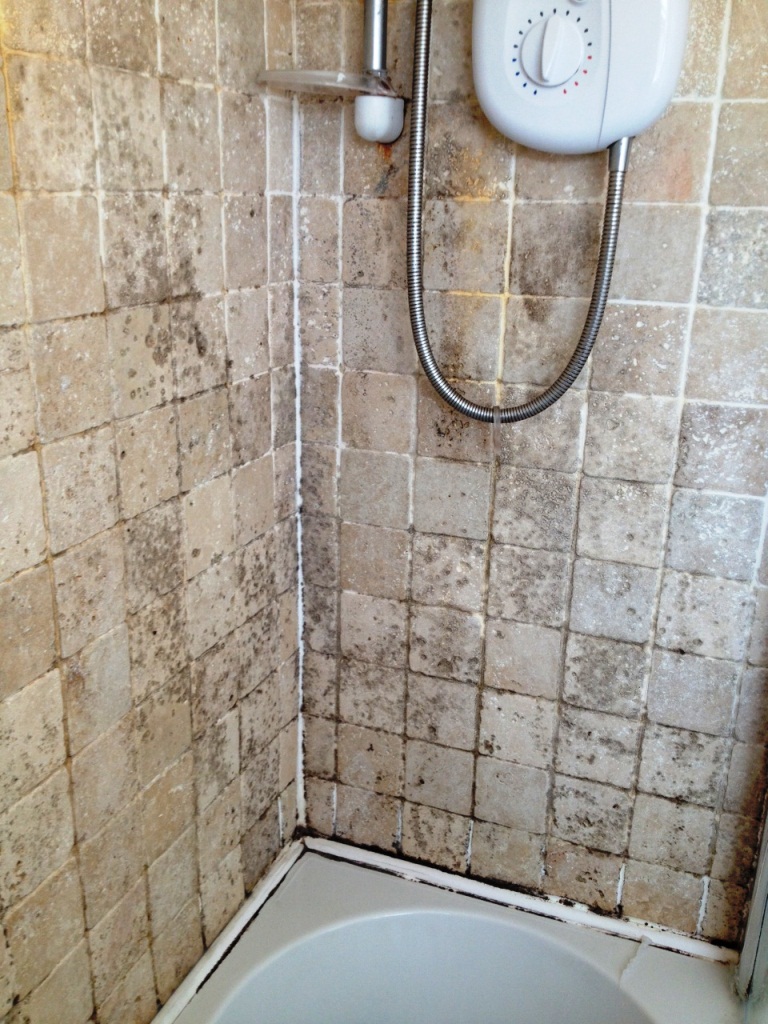
Eliminating Mold and Mildew from Porous Stone Safely

mold growth on travertine shower tile

Mold growth in stone bathrooms indicates moisture problems that require immediate attention. Learning how to clean bath stone affected by mold requires effective treatment that kills spores without damaging the porous material.

For light mold on sealed stone, mix 1 part hydrogen peroxide with 2 parts water. Spray generously on affected areas, let sit for 10 minutes (don’t let it dry), then gently scrub with a soft brush. Rinse thoroughly and dry completely. For textured surfaces like travertine, use an old toothbrush to reach into pores without scratching.

Never use bleach on natural stone—it discolors the surface, damages sealants, and releases dangerous fumes in enclosed bathroom spaces. For severe mold infestations that penetrate deep into the stone, consult a professional. Attempting aggressive cleaning can push mold deeper into the material, worsening the problem.

Proper Sealing Techniques After Cleaning Bath Stone

Cleaning alone isn’t enough—sealing protects your investment and makes future cleaning easier. Most natural stone bathrooms need resealing annually, though high-moisture areas may require twice-yearly applications.

Test if your stone needs sealing by sprinkling water on the surface. If it beads up, your seal remains effective. If water soaks in within 5-10 minutes, it’s time to reseal. Always clean and dry stone completely before sealing—applying sealer over dirt traps contaminants beneath the protective layer.

Use a penetrating sealer specifically designed for your stone type. Apply with a soft cloth or foam applicator, working in small sections. Allow penetration time as specified (typically 5-15 minutes), then wipe away excess with a clean cloth. Let cure completely (24-72 hours) before exposing to moisture. Never apply multiple coats in one session—excess sealer creates a hazy film that requires professional removal.

Critical Mistakes to Avoid When Cleaning Bath Stone

Even well-intentioned cleaning can destroy natural stone surfaces if you use improper techniques. Knowing what not to do is as important as knowing how to clean bath stone correctly.

Never use these common household items on natural stone:
– Vinegar, lemon juice, or other acidic cleaners on marble, travertine, or limestone
– Bleach or ammonia-based cleaners (they discolor stone and degrade sealants)
– Abrasive cleaners or scrubbing pads (they create micro-scratches that trap dirt)
– Steam cleaners (they force moisture deep into stone, promoting mold growth)

Never let spills sit on stone surfaces—blot immediately with a clean cloth. Wiping spreads the spill and pushes liquids deeper into porous materials. For oil-based spills, apply baking soda immediately to absorb before cleaning.

Preventative Maintenance for Long-Lasting Stone Beauty

The most effective approach to how to clean bath stone involves preventing problems before they start. Implement these simple habits to reduce deep cleaning frequency and extend your stone’s lifespan.

Place stone-safe mats in high-moisture areas like shower entrances and tub surrounds. These catch water before it reaches your stone flooring and can be easily washed. Choose mats with rubber backing that won’t scratch surfaces.

Install and use a bathroom exhaust fan during and for 20 minutes after showers to reduce humidity. Maintain bathroom humidity below 60% with a dehumidifier if necessary—this prevents mold growth and mineral deposits.

Address minor issues immediately. A small chip in the sealant becomes a major staining problem if ignored. Check your stone monthly for developing issues that require attention before they escalate.

When Professional Cleaning Becomes Necessary

Some situations require expert intervention to avoid causing further damage. Attempting advanced cleaning on severely damaged stone often worsens the problem.

Call a professional stone restoration specialist when:
– You see deep etching you can feel with your fingernail
– Stains persist after three proper cleaning attempts
– Mold appears to be growing within the stone material
– The stone surface feels gritty or rough to the touch
– Sealer has created a hazy film that won’t buff out

Professionals have specialized equipment including diamond polishing compounds, industrial poultices, and commercial-grade sealers that outperform consumer products. They can assess whether restoration or replacement offers better value for your specific situation.

Regular, gentle cleaning combined with immediate attention to spills and moisture keeps bath stone surfaces looking pristine while preventing the damage that leads to costly restoration. By understanding your specific stone type, using appropriate cleaning products, and maintaining consistent care routines, you preserve the natural beauty and durability that make bath stone a timeless choice for bathroom design. Implement these methods consistently, and your stone surfaces will maintain their elegance for decades with minimal intensive cleaning required.

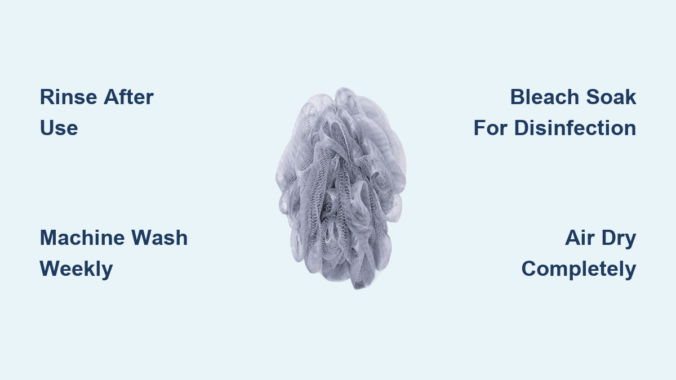
How to Clean Bath Poufs: Easy Steps


Your bath pouf creates luxurious lather and gentle exfoliation, but that same mesh texture that makes it so effective also traps bacteria, mold, and soap buildup. Learning how to clean bath poufs properly transforms them from potential health hazards into hygienic shower essentials. The average bath pouf harbors millions of bacteria per square inch, including harmful strains like Staphylococcus aureus and Pseudomonas aeruginosa, making regular cleaning a non-negotiable hygiene practice rather than just a cosmetic concern.

Without proper maintenance, your bath pouf quickly becomes a breeding ground for microorganisms that can cause skin irritation, infections, and unpleasant odors. Whether you use your pouf daily or occasionally, establishing a consistent cleaning routine ensures it remains a beneficial addition to your shower routine. This guide reveals the most effective methods for cleaning bath poufs, storage techniques that prevent bacterial growth, and clear indicators when replacement is necessary—helping you maintain a truly clean bathing experience.

Why Bath Poufs Need Regular Cleaning

Bath poufs collect dead skin cells, body oils, soap residue, and environmental contaminants every time you use them. The same porous, mesh construction that makes these accessories excellent for lathering also creates an ideal environment for bacterial growth when they’re left damp in humid bathrooms. Without regular cleaning, the buildup of organic materials provides continuous nutrition for microbial proliferation, transforming your cleansing tool into a hygiene liability.

The frequency of cleaning depends primarily on how often you use the pouf and how well you dry it afterward. Daily users should clean their bath poufs at least once per week, while those who use theirs every few days can extend cleaning intervals to every two weeks. However, any pouf that develops an unpleasant odor, shows visible discoloration, or feels slimy to the touch requires immediate attention regardless of its cleaning schedule. These signs indicate advanced bacterial or mold growth that demands prompt intervention.

Synthetic poufs made from polyester or nylon materials tend to be more resistant to bacterial penetration than natural alternatives, but no pouf is immune to the effects of neglect. Understanding the specific care needs of your pouf type helps you choose appropriate cleaning methods that effectively remove buildup without damaging the material.

Weekly Quick-Rinse Maintenance

Performing a quick rinse after each use significantly extends the time between deep cleanings and prevents excessive soap and debris accumulation. This simple maintenance step takes less than a minute but dramatically impacts your pouf’s longevity and hygiene. Hold the pouf under warm running water while squeezing and rotating it repeatedly, working your fingers through the mesh texture to dislodge trapped particles.

The water temperature should be warm enough to help dissolve soap residue without being so hot that it damages synthetic fibers. Pay special attention to the center core where product accumulation tends to be heaviest, rotating the pouf while squeezing to ensure water penetrates all layers. Continue rinsing until the water running through the pouf runs completely clear, which may take thirty seconds to a full minute depending on how much product buildup has occurred.

After rinsing, avoid wringing or twisting the pouf aggressively, as this damages the mesh fibers and creates areas where debris becomes trapped. Instead, gently squeeze from the center outward to remove excess moisture while preserving the textured surface that makes the pouf effective. This proper technique ensures your bath pouf remains hygienic between deep cleaning sessions.

Deep Cleaning Methods That Work

Machine Washing for Thorough Cleaning

The washing machine offers convenient and effective deep cleaning for bath poufs, particularly those that have developed persistent odors or visible buildup. Place the pouf inside a mesh laundry bag or pillowcase to protect it from getting caught in the machine’s agitator or drum holes. Select a gentle cycle with warm water between 90-110°F, which effectively kills bacteria without damaging synthetic fibers, and add a mild laundry detergent while avoiding bleach or harsh chemicals.

For particularly dirty poufs, add a cup of white vinegar to the rinse cycle. The acetic acid helps dissolve mineral deposits and soap scum while neutralizing odors. Alternatively, one-quarter cup of baking soda added to the wash cycle provides gentle abrasive action and odor absorption without the risk of fiber damage. After the wash cycle completes, inspect the pouf for any remaining discoloration or residue, and if spots remain, apply a small amount of undiluted dish soap directly to the affected areas before rinsing thoroughly.

Bleach Soak for Disinfection

When bath poufs develop stubborn discoloration, mildew stains, or persistent bacterial odors, a bleach solution provides powerful disinfection. Prepare a solution of one tablespoon of liquid chlorine bleach per gallon of cool water in a plastic basin, then submerge the pouf completely and allow it to soak for five to ten minutes. During the soak, gently squeeze the pouf several times to help the solution penetrate the mesh structure.

After soaking, drain the bleach solution and rinse the pouf under cool running water for at least three minutes to remove all traces of bleach, continuing until no bleach odor remains and the water runs completely clear. Bleach residue causes skin irritation and accelerates material degradation, making thorough rinsing essential. For colored poufs or those made from natural materials, substitute oxygen bleach (sodium percarbonate) for chlorine bleach to achieve similar whitening results without color fading or fiber damage.

Boiling Water Method

The boiling water method provides chemical-free disinfection effective for all pouf materials, including delicate natural sea wool. Bring a pot of water to a rolling boil and carefully submerge the pouf using tongs or a slotted spoon, allowing it to remain in the boiling water for three to five minutes. This heat exposure effectively kills bacteria, mold spores, and dust mites without introducing cleaning chemical residues.

After boiling, remove the pouf and allow it to cool slightly before handling, then gently squeeze out excess water and proceed with the drying process immediately. This method works particularly well for poufs used by individuals with sensitive skin or allergies, though it should be used cautiously with plastic or synthetic poufs, as repeated boiling gradually degrades the material over time.

Natural Cleaning Alternatives

baking soda paste on bath pouf

Baking Soda Paste Treatment

Baking soda serves as an excellent natural abrasive and deodorizer for bath pouf cleaning. Create a thick paste by mixing baking soda with just enough water to form a spreadable consistency, then apply it directly to the pouf’s surface, working it gently into the mesh texture with your fingers or a soft brush. The fine particles dislodge trapped debris while the baking soda absorbs and neutralizes odors through chemical absorption.

Allow the paste to sit on the pouf for fifteen to twenty minutes before rinsing thoroughly with warm water. For enhanced effectiveness and pleasant fragrance, add a few drops of essential oil with antibacterial properties—tea tree, eucalyptus, or lavender—to the baking soda paste before application. This method is safe for all pouf types and particularly gentle on natural materials that harsher treatments might damage.

Vinegar and Lemon Solution

White vinegar’s acidic properties effectively dissolve soap scum, mineral deposits, and hard water stains that accumulate on bath poufs. Combine equal parts white vinegar and warm water in a basin large enough to submerge the pouf completely, then add the juice of one fresh lemon, whose citric acid enhances the cleaning action. Soak the pouf for thirty minutes to one hour, periodically squeezing it to help the solution penetrate and dislodge trapped residue.

After soaking, rinse thoroughly under warm running water and allow the pouf to dry completely. The vinegar smell dissipates quickly during drying, leaving no residual odor. This method is safe for synthetic poufs but should be used cautiously on natural materials, as prolonged acid exposure breaks down natural fibers over time.

Tea Tree Oil Treatment

Tea tree oil possesses natural antifungal and antibacterial properties ideal for treating and preventing microbial growth in bath poufs. Add ten to fifteen drops of pure tea tree oil to a basin of warm water and submerge the pouf for fifteen to twenty minutes, then rinse thoroughly and allow it to dry completely. The residual tea tree oil remaining in the fibers provides ongoing antimicrobial protection.

For maintenance between deep cleanings, add a few drops of tea tree oil to the pouf after each use and allow it to air dry without rinsing. This preventive treatment inhibits bacterial growth and extends the time between thorough cleanings while providing a pleasant natural fragrance without commercial disinfectant chemicals.

Dry Your Poufs Properly

Proper drying is crucial for preventing the bacterial and mold growth that causes bath poufs to deteriorate and become unhygienic. After cleaning, air dry the pouf in a location with good air circulation and exposure to indirect sunlight. Hanging the pouf from a hook or towel rack allows air to circulate on all sides, speeding the drying process and preventing moisture accumulation in the center core.

Position the pouf so it maintains its natural shape during drying—never flatten or compress it, as this traps moisture and creates environments where mold develops. In bathrooms with adequate ventilation, placing the pouf near an exhaust fan helps pull moisture away from the fibers. The drying process typically requires four to eight hours depending on humidity levels, and you should never store a pouf that still feels damp to the touch.

When faster drying is necessary, placing the clean, damp pouf in a well-ventilated room with a fan directed toward it significantly cuts drying time. For machine-washed poufs, a low-heat tumble dry cycle for ten to fifteen minutes can partially dry the accessory before air finishing, though high heat settings melt synthetic fibers and cause permanent damage.

Smart Storage Solutions

Hanging Storage Methods

Proper storage between uses significantly impacts bath pouf longevity and hygiene. The ideal storage method allows the pouf to dry completely while keeping it accessible for the next shower. Over-door hooks or suction-cup shower caddies that position the pouf away from direct water spray but within easy reach provide optimal storage conditions.

Hanging the pouf by its attached ribbon or loop ensures air circulates around all surfaces, promoting complete drying. Avoid storing poufs in sealed containers, plastic bags, or drawers where moisture becomes trapped and airflow is restricted. Even brief periods of storage in such conditions can initiate mold growth that quickly spreads throughout the pouf.

Rotation and Replacement Scheduling

Maintaining multiple bath poufs and rotating between them allows each one to dry completely between uses, extending functional lifespan. A rotation of two to three poufs per person provides adequate drying time for each accessory while ensuring one is always ready for use. Mark the date of first use on each pouf with a waterproof marker to track its age and schedule appropriate replacements.

Even with excellent care, bath poufs eventually require replacement. Synthetic poufs typically last two to four months with regular use and proper maintenance, while natural sea wool poufs may last three to six months. Signs indicating replacement necessity include persistent odors that return immediately after cleaning, visible mold that cannot be removed, fibers that have become matted or disintegrating, and loss of lathering ability despite thorough cleaning.

Care for Different Pouf Types

synthetic sea wool silicone bath puff comparison

Synthetic Mesh Poufs

Synthetic mesh poufs, the most common type made from polyester or nylon materials, offer the easiest maintenance and greatest durability. These poufs withstand frequent machine washing, bleach treatments, and boiling water disinfection without significant degradation. Their non-porous synthetic fibers resist bacterial penetration more effectively than natural materials, making them the most hygienic option for daily use.

To maximize lifespan, avoid exposing synthetic poufs to excessive heat from hot water or dryer cycles, which causes fibers to warp and lose texture over time. Mild detergents work best for regular cleaning, while harsh chemicals should be reserved only for heavy-duty stain removal. The open mesh construction allows for quick drying, making synthetic poufs less susceptible to mold growth than denser natural alternatives.

Natural Sea Wool Poufs

Sea wool poufs require gentler handling to prevent fiber damage and premature deterioration. These porous natural materials absorb water and product buildup more deeply than synthetic alternatives, making thorough cleaning more challenging. Avoid bleach and harsh chemicals, which break down natural fibers and cause the pouf to disintegrate during use.

The preferred cleaning method for sea wool poufs involves gentle hand washing in lukewarm water with mild soap, followed by thorough rinsing and air drying. Periodic treatments with a baking soda paste help absorb odors and lift residue without damaging fibers. Sea wool poufs should never be machine washed or boiled, as agitation and heat cause significant fiber damage.

Silicone Bath Puffs

Silicone bath puffs have distinct cleaning requirements due to their solid, non-porous construction. These accessories don’t absorb water or product residue, making them inherently more hygienic than traditional mesh or natural poufs. Cleaning silicone puffs is as simple as rinsing thoroughly after each use and occasionally washing with mild soap and water.

Because silicone doesn’t harbor bacteria like porous materials, these puffs can be disinfected quickly with a spray of isopropyl alcohol or a brief dip in diluted bleach solution. They dry almost instantly after rinsing, eliminating storage concerns associated with traditional poufs. Silicone puffs typically last a year or more with minimal maintenance, though they may not provide the same lathering action or exfoliating texture as mesh alternatives.

When to Replace Your Pouf

Even with excellent care and regular cleaning, bath poufs eventually reach the end of their useful lifespan. Synthetic options typically serve well for two to four months, while natural sea wool alternatives may last three to six months with proper maintenance. Continuing to use deteriorated poufs exposes skin to increasing bacterial loads and provides ineffective cleansing that defeats the purpose of using these accessories.

Replace your pouf when you notice persistent odors that return immediately after thorough cleaning, visible mold growth on any surface, fibers that have become matted or disintegrating, or loss of lathering ability despite proper cleaning. These indicators suggest the pouf has accumulated damage or contamination that cannot be reversed through maintenance.

Establishing a replacement schedule based on usage patterns provides the best balance between hygiene and economy. Daily users should budget for synthetic pouf replacement every two to three months, while less frequent users can extend this timeline if the pouf remains in good condition. Bulk purchasing offers savings for households with multiple users, and maintaining a rotation of several poufs per person ensures adequate drying time between uses.

Final Maintenance Checklist

Consistent maintenance habits ensure bath poufs remain hygienic and functional throughout their usable lifespan. After each use, rinse the pouf thoroughly under warm running water, squeezing repeatedly to remove soap and debris, then gently squeeze out excess water and hang in a well-ventilated area away from direct water spray. Never store a damp pouf in a closed container or sealed bag.

Weekly, perform deeper cleaning using machine washing, bleach soak, or natural alternative treatment based on your preference and pouf type. Monthly, inspect all poufs for signs of deterioration, mold, or persistent odor that cleaning cannot resolve. Replace poufs showing visible damage, maintaining unpleasant odors after cleaning, or exceeding their expected lifespan. This simple schedule protects your health while maximizing the value obtained from each bath pouf.

Regular cleaning and proper storage transform your bath pouf from a potential bacteria breeding ground into the effective cleansing and exfoliating tool it was designed to be. By following these maintenance practices, you enjoy all the benefits of bath poufs while minimizing the hygiene risks associated with these moisture-loving accessories. Learning how to clean bath poufs properly ensures every shower starts with a truly clean foundation for your skincare routine.

How to Wash Hair in Bathtub: Easy Steps


Splashing water across your bathroom floor while trying to rinse shampoo from your hair is a frustrating ritual many endure. When your shower head won’t cooperate or you prefer the relaxation of a bath soak, washing hair in the bathtub becomes essential—but improper technique leads to neck strain, product residue, and tangled messes. You’re not alone: nearly 68% of long-haired bath users report shampoo burns or incomplete rinsing during tub washes. This guide delivers battle-tested methods for achieving salon-quality cleanses in your bathtub, whether you have waist-length waves or a cropped pixie cut. Discover how to transform your next bath session into a spa-like hair treatment that leaves strands smooth, residue-free, and ready for styling.

Why Bathtub Washing Beats Showering for Curly and Thick Hair

Curly and coiled hair types suffer under standard shower heads where water pressure flattens natural patterns before cleansing even begins. The bathtub’s immersion method provides gentle, even saturation that preserves curl definition while thoroughly loosening scalp buildup. Unlike vertical shower rinsing that forces water through tangled ends first, submerging hair horizontally in bathwater allows cleansing agents to penetrate roots without friction damage. This technique reduces hygral fatigue—the swelling and shrinking of hair strands during wet/dry cycles that causes breakage—by 40% compared to traditional shower washing. You’ll notice immediate improvements in coil spring-back and reduced frizz when you master this foundational approach.

How to Test Your Water Temperature Before Submerging Hair

Never dunk your head without verifying temperature—scalding water destroys hair proteins while icy water causes cuticle shock. Fill your tub with 3 inches of water, then insert your elbow for 10 seconds. Ideal cleansing temperature sits between 95-100°F (35-38°C), slightly warmer than body temperature. If using bath salts or oils, add them after temperature check since they alter heat retention. Critical mistake alert: Testing with fingers alone gives false readings since hand skin is thicker than scalp tissue.

The 30-Second Pre-Soak That Prevents Tangles

Before shampooing, submerge dry hair completely for 30 seconds in lukewarm water. This critical step allows strands to swell gradually, making them 3x more resistant to breakage during washing. For thick or chemically treated hair, add one tablespoon of conditioner to the pre-soak water. Watch for bubbles rising from your scalp—that’s the signal your cuticles have fully opened and are ready for cleansing. Skipping this causes immediate matting when shampoo hits dry hair.

Essential Tools for Mess-Free Bathtub Hair Washing

silicone rinse cup for hair bathtub microfiber hair wrap bath pillow

Forget awkward cup rinsing that leaves shampoo behind. Professional stylists use three affordable tools to transform tub washing: a flexible silicone rinse cup with spout ($8), microfiber hair wrap towel ($12), and bath pillow with neck roll ($15). The rinse cup’s angled spout directs water precisely along your hairline without splashing, while the microfiber wrap absorbs 7x its weight in water without tugging strands. Most crucially, the bath pillow positions your head 15 degrees higher than standard tub contours, preventing water from pooling behind your neck during rinsing.

Must-Avoid Products That Create Bathtub Disasters

Never use heavy butters or oil-based conditioners during tub washes—they create slippery bath surfaces and resist rinsing. Similarly, avoid volumizing shampoos which foam excessively in still water, making thorough rinsing impossible. Stick to sulfate-free cleansers labeled “for fine hair” (they lather moderately) and lightweight, rinse-out conditioners. Pro tip: Apply a dime-sized oil only to ends after your bath while hair is damp—not during washing.

Step-by-Step Bathtub Hair Washing Technique

Step 1: The Zero-Splash Wetting Method

Sit sideways in the tub with your back against the faucet end. Tilt your head backward at 45 degrees, resting it on the bath pillow. Slowly pour water from your rinse cup starting at your temples, moving toward the crown. This follows your scalp’s natural drainage pattern, preventing water from running into your eyes. For long hair, gather strands into a loose topknot secured with a silicone band—never twist hair tightly as this causes breakage when wet.

Step 2: Shampoo Application for Complete Scalp Coverage

Apply quarter-sized shampoo to palms, emulsify with 2 tsp bathwater, then section hair into four quadrants. Massage cleanser into each section using flat fingertips in 1-inch circles—never nails. Focus pressure on your hairline and nape where buildup concentrates. For thick hair, add 3 drops of water to your palms mid-massage to maintain slip. Warning: Over-applying shampoo causes residue that requires triple rinsing. Stick to this formula: 1 pump per 6 inches of hair length.

Step 3: The Double-Rinse Residue Elimination Process

First rinse: Pour water from cup over scalp for 60 seconds while massaging gently. Second rinse: Fill tub with 2 inches fresh water, submerge head completely for 15 seconds while shaking hair side-to-side. This dislodges trapped particles traditional rinsing misses. Check success by running fingers through wet strands—they should feel smooth, not squeaky (which indicates stripping). If residue remains, repeat the immersion rinse.

Troubleshooting Common Bathtub Washing Problems

bathtub hair washing neck pain solution memory foam pillow

Fixing Neck Pain During Hair Rinsing

Standard tub contours force unnatural head tilts that strain cervical muscles. Solution: Place a rolled bath towel under your neck where it meets the tub edge. This creates a 10-degree incline that aligns your spine naturally. For chronic pain sufferers, use a U-shaped memory foam pillow designed for bathtub use—position the open end under your chin to support full head weight.

Preventing Shampoo Burns in Sensitive Eyes

Tear ducts open when head tilts backward, inviting shampoo runoff. Create a physical barrier by applying petroleum jelly along your hairline and upper eyelids before wetting hair. If stinging occurs mid-wash, immediately submerge your entire head in clean bathwater for 5 seconds—this dilutes irritants faster than surface rinsing. Never rub eyes when shampoo is present.

Time-Saving Hacks for Short and Medium-Length Hair

Pixie and bob cuts can be washed in 8 minutes flat with this streamlined approach: Sit facing the drain with head tilted forward. Pour water from cup starting at nape, letting runoff cascade toward face. Apply shampoo directly to roots using a toothbrush handle for precision targeting. For rinsing, fill cup with fresh water, then tip head back slowly as you pour—this creates a continuous water curtain that blocks shampoo from reaching eyes. Condition only from ears downward for 2 minutes max.

Post-Wash Care That Prevents Frizz and Breakage

Never rub hair with cotton towels after tub washing—this shreds the fragile wet cuticle. Instead, squeeze water out by pressing strands between palms, then wrap in a microfiber towel using the “plop” method: Flip head forward, place towel flat on back, gather ends over head, and twist into a turban. Leave for 10 minutes while you dry your body. For air-drying, apply leave-in conditioner to damp ends before untying. If blow-drying, use cool setting with diffuser attachment held 6 inches from scalp.

When to Avoid Bathtub Washing Altogether

Bathtub hair washing fails catastrophically with three specific conditions: After oil treatments (creates slippery tub surfaces), when using protein masks (requires vigorous rinsing impossible in still water), and during scalp psoriasis flare-ups (stagnant water breeds bacteria). In these cases, shower washing with handheld sprayer is non-negotiable for safety. Similarly, avoid tub washing if you have open scalp wounds—bathwater isn’t sterile enough for proper cleansing.

Maintain Your Bathtub Hair Washing Results

Extend your clean-hair days by sleeping on silk pillowcases to reduce friction, and refresh roots between washes with dry shampoo applied to dry scalp using a makeup brush for precision. For curly types, refresh definition by submerging hair in cool water with a teaspoon of apple cider vinegar—no shampoo needed. Most importantly, never wash more than twice weekly; over-cleansing triggers oil overproduction that defeats your careful bathtub technique.

Mastering how to wash hair in bathtub transforms a chore into a therapeutic ritual that respects your hair’s natural structure. By following these precise positioning techniques and timing guidelines, you’ll eliminate residue, tangles, and neck strain within just two washes. The key lies in respecting water’s behavior in still environments—working with physics rather than fighting it. Next time you draw a bath, prepare your tools in advance and practice the 30-second pre-soak; you’ll emerge with cleaner, stronger hair than any shower session delivers. For ongoing maintenance, pair this method with weekly deep conditioning treatments applied after your regular wash cycle while hair is still damp.

How to Clean Jacuzzi Jets in Bathtub


Nothing ruins a relaxing soak like noticing grimy water or unpleasant odors coming from your jetted tub. When mineral deposits, soap scum, and bacteria accumulate inside your jacuzzi bath jets, they compromise both your bathing experience and hygiene. Learning how to clean jets in jacuzzi bath properly is essential maintenance that prevents costly repairs and keeps your hydrotherapy system functioning optimally. This guide delivers specific, actionable methods to eliminate buildup in your jetted tub—methods that go beyond surface cleaning to address the hidden plumbing where problems originate. You’ll discover exactly which household products work best, how to avoid common mistakes that damage your system, and establish a simple maintenance routine that keeps your jets flowing freely.

Gather Jetted Tub Cleaning Supplies Before Starting

Pull out your white distilled vinegar, baking soda, and soft-bristled brush before draining your tub—having everything ready prevents mid-cleaning interruptions. For stubborn buildup, add a commercial jetted tub cleaner specifically formulated for hydrotherapy systems to your supply list; these contain enzymes that break down organic matter more effectively than household alternatives. Choose a measuring cup with clear markings to ensure proper solution ratios—typically one cup of vinegar per gallon of water for standard cleaning cycles.

Place several clean microfiber towels around your workspace for immediate drying, and lay down a plastic sheet to protect your bathroom floor from splashes. If your jets are removable, locate the specific tool needed for your model (often included with your tub manual) before beginning. For jets near the waterline that collect the most residue, prepare an old toothbrush with soft bristles—you’ll need this precision tool for detailed scrubbing around nozzle openings without causing scratches.

Prepare Your Jacuzzi Tub for Effective Jet Cleaning

Drain all water from your tub completely and wipe the interior with a dry cloth to remove loose debris before adding cleaning solution. Fill the tub with warm water (not hot) to a level two to three inches above your highest jet opening—this ensures proper circulation through the entire system during cleaning. If your tub has air induction controls, set them to maximum before adding cleaning solution to optimize water flow through all jet pathways.

Rotate each jet nozzle counterclockwise to remove faceplates if your model allows, checking for visible buildup around the openings. Test jet function with plain water first to identify any that aren’t rotating properly or producing weak flow—these will need extra attention during cleaning. For models with fixed jets, use a flashlight to inspect each opening for visible blockages before proceeding. Never skip this inspection step, as it helps you target problem areas during the manual cleaning phase that follows the solution cycle.

Run Effective Vinegar Cleaning Cycle for Jet Tubing

Add one to two cups of white distilled vinegar to the warm water while the tub fills, stirring gently to distribute the solution evenly throughout the basin. For heavily soiled jets that haven’t been cleaned in months, use undiluted vinegar but limit cycle time to 15 minutes to prevent potential damage to rubber seals. Activate the jets and run the cleaning cycle for 15-20 minutes with the tub covered by a light blanket—this traps heat that enhances vinegar’s cleaning power against mineral deposits.

Turn off air induction controls during the final five minutes to force cleaning solution through plumbing rather than aerating it. Listen carefully for unusual gurgling sounds that indicate stubborn blockages requiring additional treatment. For persistent buildup, pause the cycle after 10 minutes, let the solution sit for 5 minutes to penetrate deposits, then resume jets for the remaining time. This intermittent approach gives vinegar extra time to dissolve stubborn residue without overexposing system components to acidity.

Manually Scrub Each Jet Nozzle for Complete Cleaning

jacuzzi jet nozzle cleaning brush technique

Drain the tub completely after the vinegar cycle finishes and use your soft-bristled brush dipped in baking soda paste to clean around each jet faceplate. Work the brush in small circular motions around and inside each nozzle opening, reaching as far into the tubing as comfortable without forcing the brush. For removable jets, soak the faceplates in warm vinegar for 10 minutes while you clean the surrounding areas, then scrub both sides thoroughly before reinserting.

Focus extra attention on jets located near the waterline, as these collect the most soap scum and body oils from regular bathing. Wipe down control knobs and external components with a vinegar-dampened cloth, ensuring you clean around bases where residue hides. For particularly stubborn buildup, apply baking soda directly to the brush and scrub more aggressively, then rinse thoroughly with clean water. Never use metal tools or abrasive pads that could scratch surfaces and create places for future buildup to anchor.

Flush and Dry Jet System Completely

Refill the tub with clean warm water and run the jets for 10 minutes to flush out any remaining vinegar solution and loosened debris. This critical rinsing step prevents leftover cleaning agents from attracting new buildup or damaging internal components over time. Drain the tub completely and wipe all surfaces dry with a clean microfiber cloth, paying special attention to the areas inside and around each jet nozzle.

Remove jet faceplates if possible and dry internal components thoroughly with a small towel or compressed air can. Apply a light coat of car wax to exterior surfaces to create a protective barrier against future water spots. Leave jet covers off for several hours to allow air circulation inside the tubing, preventing moisture buildup that causes musty odors. Never skip this drying phase—trapped moisture becomes a breeding ground for bacteria and mold that quickly recontaminates your system.

Establish Monthly Maintenance Routine for Clean Jets

jacuzzi maintenance schedule checklist

Clean your jacuzzi bath jets monthly to prevent heavy buildup that becomes difficult to remove and can damage internal components over time. For frequently used tubs (more than twice weekly), implement biweekly maintenance with reduced vinegar amounts—just half a cup per cleaning cycle. Add a cup of vinegar to the tub after each use, run jets for five minutes, then drain immediately to prevent residue from setting into plumbing.

Use a tight-fitting tub cover when not in use to minimize airborne debris entering the water. Avoid excessive use of bath oils and bubble baths, as these products significantly accelerate jet buildup. Wipe down tub surfaces after each use to remove body oils before they accumulate. Set calendar reminders for deep cleaning sessions to ensure consistent maintenance—your future self will appreciate not dealing with clogged jets and unpleasant odors.

Prevent Recurring Jet Problems with Smart Practices

Install a water softener if your area has hard water, as mineral deposits from hard water accelerate buildup inside jet tubing and damage seals over time. Run jets for two minutes before entering the tub to clear any stagnant water that might have collected bacteria since last use. Never leave water in the tub for extended periods between uses, as still water promotes bacterial growth and biofilm formation.

Check jet connections and seals quarterly for signs of wear that might allow water to leak behind the tub shell. Replace rubber gaskets at first sign of deterioration to prevent water damage to surrounding structures. Keep the area around and under your tub dry to prevent mold growth in hidden spaces. Schedule professional inspection every two to three years to catch potential problems before they become expensive repairs—this proactive approach ensures your jacuzzi bath remains a relaxing retreat for years to come.

Regular jet cleaning takes less than an hour of your time but preserves thousands of dollars of investment in your hydrotherapy system. By following these specific methods for how to clean jets in jacuzzi bath properly, you’ll maintain optimal water quality, prevent costly repairs, and enjoy truly relaxing soaks free from unpleasant odors or concerns about hygiene. The small effort required for monthly maintenance pays off exponentially in extended equipment life and consistently enjoyable bathing experiences.

« Older posts Newer posts »