Smart Bathroom Solutions: Reviews, Tips & Expert Maintenance Guides

Category: Skincare (Page 2 of 2)

Eczema Bath Tips for Babies 2026


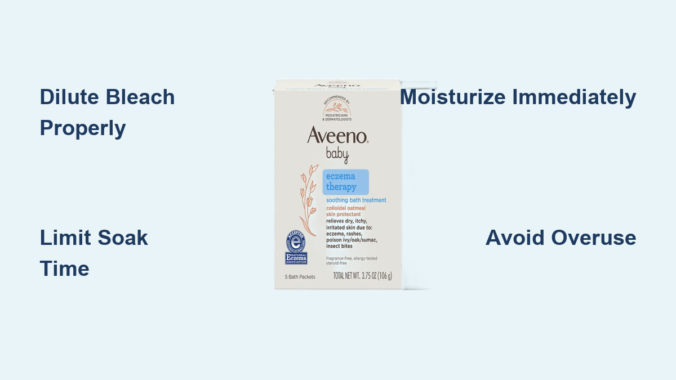
Watching your infant scratch relentlessly at raw, inflamed patches of skin can leave even the most patient parent feeling helpless. If your baby struggles with eczema, you’ve likely tried countless creams and ointments with mixed results. What many parents don’t realize is that a surprisingly effective treatment recommended by pediatric dermatologists involves something you probably already have under your sink: diluted bleach. This eczema bath baby treatment has transformed how doctors manage severe flare-ups and stubborn bacterial infections that complicate infant eczema. While the idea of bathing your delicate baby in bleach may seem counterintuitive, when properly diluted, this simple therapy can provide dramatic relief where other treatments have failed.

Bleach bath therapy isn’t just another home remedy—it’s a scientifically supported treatment that targets one of the primary drivers of severe eczema: bacterial overgrowth. When your baby’s skin barrier becomes compromised by eczema, it creates the perfect environment for Staphylococcus bacteria to thrive, worsening inflammation and triggering relentless itching. By incorporating properly diluted bleach baths into your baby’s skincare routine, you can break this vicious cycle and potentially reduce your reliance on prescription medications. This guide provides everything you need to know about safely implementing this powerful eczema bath baby treatment, from preparation to frequency, so you can make informed decisions about your child’s care.

Why Your Baby’s Eczema Needs Bleach Baths More Than You Think

Bleach baths work by creating an environment where harmful bacteria cannot survive, directly addressing one of the root causes of persistent eczema flare-ups in infants. When your baby’s skin barrier becomes compromised by eczema, it allows Staphylococcus aureus bacteria to colonize the affected areas, triggering inflammation that worsens the condition. This creates a vicious cycle: damaged skin invites bacterial growth, which causes more inflammation, which further damages the skin barrier. The diluted bleach solution disrupts this cycle by significantly reducing bacterial populations on your baby’s skin without harming their delicate tissue when properly prepared.

How Bleach Baths Reduce Eczema Flare Frequency

Clinical evidence shows that regular bleach bath therapy can decrease both the frequency and severity of eczema outbreaks in infants. By reducing the bacterial load on your baby’s skin, these baths allow damaged tissue to heal more effectively during treatment periods. Many parents report noticeable improvement within just a few weeks of consistent use—less redness, reduced oozing, and significantly decreased scratching. This isn’t just cosmetic improvement; studies confirm that infants receiving regular bleach baths require fewer courses of topical steroids and antibiotic treatments compared to those using standard skincare alone.

The Antibiotic Alternative Parents Are Missing

One of the most compelling benefits of bleach bath therapy is its potential to reduce your baby’s exposure to antibiotics. Both topical and oral antibiotics carry risks of side effects and contribute to antibiotic resistance—a growing public health concern. When bacteria become resistant to antibiotics, treating serious infections becomes much more difficult. By incorporating bleach baths into your eczema management plan, you may significantly decrease your baby’s need for antibiotic treatments while still effectively controlling bacterial overgrowth. This approach supports your baby’s natural healing processes without introducing additional medications that could disrupt their developing microbiome.

Prepare Your Baby’s Eczema Bath with Perfect Dilution

bleach bath dilution ratio baby eczema

Creating a therapeutic bleach bath requires precise attention to dilution ratios to ensure maximum safety while maintaining effectiveness. The goal is to achieve a concentration similar to what you’d find in a public swimming pool—just enough to combat bacteria without irritating your baby’s sensitive skin. Getting this balance right is non-negotiable for both safety and therapeutic benefit, so follow these steps carefully for every bath session.

Fill Tub with Correct Water Temperature First

Begin by filling your bathtub with lukewarm water to a depth appropriate for your baby’s size—typically 2-3 inches deep for infants. Water temperature is critical; anything warmer than lukewarm can strip natural oils from your baby’s compromised skin barrier and trigger additional inflammation. Test the water with your inner wrist or elbow before placing your baby in the tub—it should feel neutral, neither warm nor cool. Hot water is a common trigger for eczema flares, so err on the cooler side if you’re unsure.

Measure and Mix Bleach Solution Precisely

Once your tub contains properly temperatured water, add liquid household bleach using the precise ratio of approximately one capful (about ¼ cup) of bleach for each quarter-tubful of water. For a standard infant bath (about 5 gallons of water), this translates to roughly ½ teaspoon of bleach. The solution should have a faint chlorine odor similar to a swimming pool—this serves as your visual indicator that you’ve achieved proper dilution. Never eyeball the amount; use actual measuring spoons for accuracy. Stir the water thoroughly for at least one minute to ensure even distribution and prevent concentrated pockets of bleach.

Administer Baby Eczema Bath in 3 Critical Steps

With your properly diluted bleach bath prepared, follow these three essential steps to ensure your baby receives maximum therapeutic benefit while remaining comfortable and safe throughout the treatment.

Step 1: Limit Soak Time to 10-15 Minutes

Allow your baby to soak in the solution for precisely 10-15 minutes. This duration provides sufficient contact time for the bleach to exert its antibacterial effects without prolonged exposure that could potentially dry out or irritate sensitive skin. If your baby hasn’t taken baths of this length before, start with 5-7 minutes and gradually increase by 1-2 minutes per session as they become accustomed to the routine. Set a timer—you might lose track while comforting your baby, and exceeding the recommended time increases irritation risk.

Step 2: Gentle Application Without Rubbing

During the soak, gently splash water over your baby’s body to ensure the solution contacts all affected skin areas. Never scrub or rub the skin, as this mechanical irritation can further damage the compromised skin barrier and trigger additional inflammation. If your baby has particularly severe patches, you can use a soft washcloth to lightly dab the solution onto affected areas, but avoid any vigorous cleaning motions that might cause micro-tears in fragile skin.

Step 3: Immediate Moisturizing After Bath

After the soak, gently lift your baby from the tub and immediately pat their skin dry with a soft towel—never rub. Within three minutes of exiting the bath, apply your baby’s prescribed moisturizer or emollient to lock in moisture while the skin is still damp. This step is crucial for maintaining the skin barrier between treatments. Use a thick, fragrance-free ointment rather than a lotion for best results, applying liberally to all areas, not just those visibly affected by eczema.

Avoid These 3 Dangerous Bleach Bath Mistakes

bleach bath safety mistakes eczema baby

While bleach baths are generally safe when properly prepared, certain errors can cause serious harm to your baby’s delicate skin. Understanding and avoiding these common mistakes protects your infant while still allowing them to benefit from this therapeutic treatment.

Mistake 1: Using Undiluted Bleach Directly on Skin

Never, under any circumstances, apply undiluted bleach directly to your baby’s skin. Even brief contact with concentrated bleach causes severe chemical burns, intense pain, and significant tissue damage requiring emergency medical treatment. Always verify your dilution ratio before each bath and never skip the mixing step. Keep the bleach bottle well out of reach when preparing the bath to prevent accidental spills or grabs.

Mistake 2: Ignoring Signs of Skin Irritation

Monitor your baby constantly during the entire bleach bath for any signs of discomfort, increased redness, or adverse reactions. If your baby suddenly becomes fussy, develops new redness, or seems to experience increased itching during the bath, immediately end the treatment and rinse thoroughly with clean lukewarm water. Some babies may have heightened sensitivity that makes bleach baths inappropriate—this isn’t failure, it’s important information for your pediatrician.

Mistake 3: Bathing Too Frequently

More is not better with bleach bath therapy. Excessive frequency (more than 2-3 times weekly) can disrupt your baby’s natural skin barrier and cause irritation. Most pediatric dermatologists recommend starting with twice-weekly treatments and adjusting based on your baby’s response. Never increase frequency without consulting your healthcare provider, as overuse negates the benefits and can actually worsen eczema symptoms.

When to Stop Bleach Baths and Call Your Pediatrician Immediately

eczema infection signs baby

While bleach baths are generally safe for most infants with eczema, certain situations require immediate discontinuation of treatment and consultation with your pediatrician. Recognizing these critical warning signs protects your baby from potential complications.

Signs of Allergic Reaction or Severe Irritation

Discontinue bleach bath therapy immediately if your baby develops hives, widespread redness beyond existing eczema patches, swelling, or difficulty breathing during or after a bath. These symptoms indicate a possible allergic reaction requiring medical evaluation. Similarly, if your baby’s skin becomes significantly more irritated, painful, or develops blisters following a bleach bath, stop the treatment and contact your pediatrician before proceeding.

Evidence of Active Skin Infection

If your baby’s eczema shows signs of active infection—including pus-filled blisters, honey-colored crusting, increased warmth in affected areas, or fever—you need medical evaluation before continuing bleach baths. While bleach baths help prevent infections, they’re not sufficient treatment for active, spreading infections that may require oral antibiotics. Your pediatrician can determine whether to continue bleach baths alongside other treatments or temporarily suspend them while addressing the acute infection.

No Improvement After 4 Weeks of Consistent Use

If you’ve followed proper bleach bath protocol consistently for four weeks without noticeable improvement in your baby’s eczema symptoms, schedule a follow-up with your pediatrician. This lack of response may indicate that another underlying condition is contributing to your baby’s skin issues, or that a different treatment approach would be more effective. Don’t continue an ineffective treatment out of hope—it’s better to adjust your strategy with professional guidance.
Toddler Detox Bath: Safe & Natural Tips


Watching your toddler struggle with speech delays or cognitive challenges can leave you feeling powerless. You’ve tried speech therapy, occupational therapy, and countless other interventions with frustratingly limited results. More parents are discovering that toddler detox baths offer a gentle, natural approach to supporting their child’s development by addressing potential heavy metal accumulation through the skin. These simple baths use three all-natural ingredients—bentonite clay, aluminum-free baking soda, and Epsom salt—to create an alkaline environment that may help draw toxins from your child’s developing body without requiring oral supplements or invasive procedures.

Unlike harsh detox methods designed for adults, toddler detox baths provide a non-threatening, even enjoyable experience for children who often look forward to their special bath time. The warm water combined with mineral-rich ingredients creates a soothing ritual that supports your child’s natural detoxification pathways while potentially improving cognitive function and speech development. This guide delivers everything you need to know about implementing safe, effective toddler detox baths in your home—including precise ingredient ratios, safety precautions, realistic timelines for results, and proven strategies to maximize benefits based on real parent experiences.

How Bentonite Clay Draws Heavy Metals from Toddler Skin

bentonite clay molecular structure diagram heavy metal binding

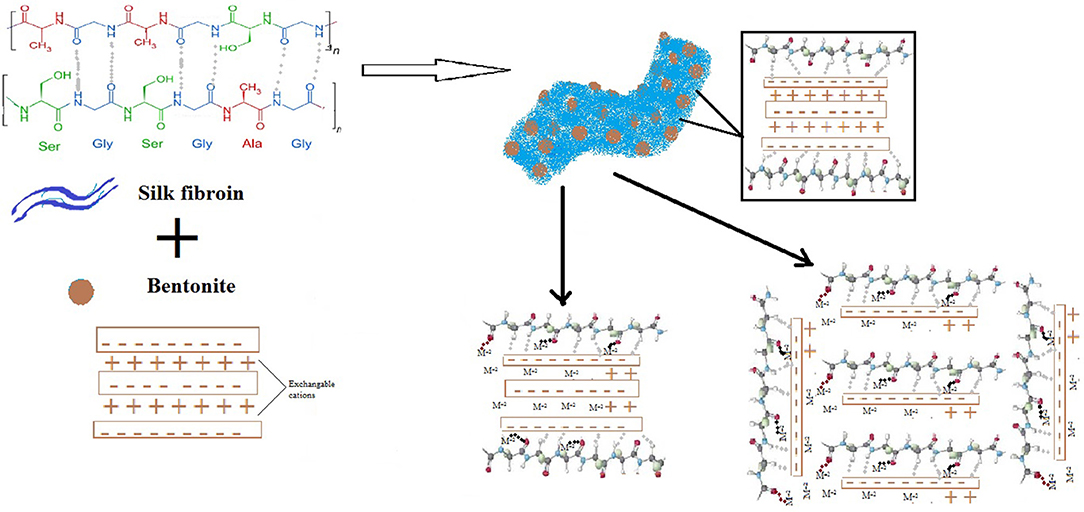
Bentonite healing clay serves as the powerhouse ingredient in toddler detox baths due to its unique molecular structure and electrical properties that make it exceptionally effective at binding to heavy metals. This natural clay carries a strong negative electrical charge that actively attracts positively charged toxins like lead, mercury, and aluminum through the skin’s pores during bathing. As your child soaks, the clay particles surround and trap these harmful substances, preventing them from being reabsorbed into the body—a process known as adsorption rather than absorption.

Why Aluminum-Free Baking Soda Is Non-Negotiable

Never substitute regular baking soda in your toddler detox bath, as aluminum-containing versions could introduce additional toxins you’re trying to eliminate. Aluminum-free baking soda creates the essential alkaline environment that enhances the detoxification process while providing soothing skin benefits. This critical ingredient:

  • Neutralizes acidic compounds on the skin’s surface
  • Helps open pores for more effective toxin removal
  • Prevents skin irritation that could occur with clay alone
  • Works synergistically with bentonite to increase heavy metal binding

The alkaline bathwater created by baking soda mimics the body’s natural pH balance during detoxification, allowing for more efficient release of stored toxins through the skin—the body’s largest elimination organ.

Epsom Salt’s Dual Role in Cognitive Support

Epsom salt contributes far more than just mineral content to your toddler detox bath—it actively supports neurological function during the detox process. As your child soaks, magnesium sulfate penetrates through the skin, delivering two essential minerals directly into the bloodstream:

  • Magnesium supports over 300 enzymatic processes related to brain function and neural communication
  • Sulfate aids liver detoxification pathways that process heavy metals mobilized during bathing

Unlike oral magnesium supplements that many toddlers refuse, the bath delivery method ensures consistent absorption without resistance or digestive upset—making it particularly valuable for children with sensory issues or feeding difficulties.

Step-by-Step: Creating Your First Toddler Detox Bath

Preparing an effective toddler detox bath requires precise measurements and timing to maximize benefits while keeping your child comfortable and safe throughout the experience. Begin by filling your tub with warm (not hot) water at approximately 98-100°F—perfect for sensitive toddler skin. The water should feel pleasantly warm to your inner wrist, similar to a regular bath temperature.

Exact Measurements for Optimal Results

Use precisely one-quarter cup (60 grams) of your detox powder mixture per standard toddler bath—neither more nor less will deliver optimal results. Too little won’t provide sufficient active ingredients, while too much can cause skin dryness or irritation. For reference, this means a 4.2-pound bag delivers approximately 16-20 baths depending on your tub size and your child’s age.

Critical Mixing Technique Most Parents Miss

Stir the powder into running water as the tub fills rather than adding it to standing water—this prevents clumping and ensures even distribution throughout the bath. Use your hand or a clean spoon to vigorously mix the ingredients for at least 30 seconds after adding the powder. Proper mixing creates the uniform milky consistency that maximizes skin contact with active ingredients.

Toddler Detox Bath Safety: Critical Steps Before Soaking

Always consult your pediatrician before starting detox baths, especially if your child has autism, sensory processing disorder, or other developmental conditions. While the ingredients are natural, the detoxification process can be powerful, and children with compromised systems may require modified approaches. Your healthcare provider can help determine if detox baths align with your child’s overall treatment plan and any medications they’re taking.

Essential Patch Testing Protocol

Conduct a patch test 24 hours before the first full bath by applying a small amount of mixed bathwater to your child’s inner forearm. Watch for any signs of redness, irritation, or unusual behavior over the next day. If your child shows sensitivity, consider reducing the powder amount by half for the first few baths before working up to the full dose.

Immediate Discontinuation Warning Signs

Stop using toddler detox baths immediately and contact your healthcare provider if you notice any of these reactions:
– Skin redness or irritation that persists after bathing
– Unusual fatigue or lethargy following baths
– Changes in bowel movements or digestion
– Increased irritability or behavioral regression

Real Parent Results: Speech Delays and Cognitive Improvements

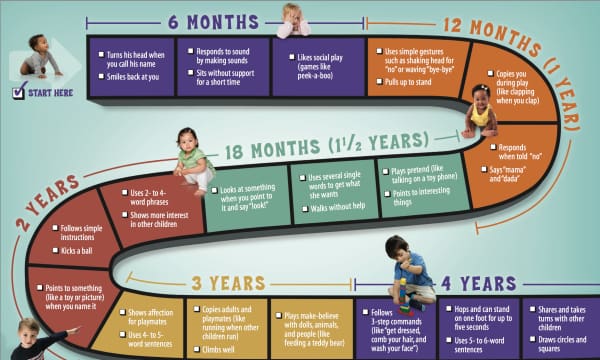
toddler developmental milestones chart before and after

Parents of children with autism consistently report the most dramatic improvements from regular toddler detox baths. One mother documented her nearly five-year-old’s transformation from nonverbal to conversational after combining detox baths with dietary changes that eliminated artificial dyes. “After three months of twice-weekly baths, he started speaking in full sentences and was enrolled in kindergarten within six months,” she shared in a verified review.

Timeline for Noticeable Changes

Most parents report subtle improvements within 3-4 weeks of consistent use, with more significant changes emerging after 2-3 months. Look for these early indicators that the detox bath is working:
– Improved eye contact during interactions
– Increased attempts at verbal communication
– Better sleep patterns and reduced nighttime waking
– More willingness to engage in learning activities

Maximize Results with These 3 Proven Strategies

toddler healthy diet chart artificial dye free processed food free

Combine detox baths with dietary modifications for amplified effects—parents who eliminated artificial dyes, processed foods, and sugar while using detox baths reported faster, more pronounced improvements in speech and cognition. The dual approach reduces incoming toxins while supporting the body’s ability to eliminate stored metals.

Optimal Bathing Frequency for Developmental Support

Aim for 2-3 detox baths per week for children with significant developmental delays, spacing them at least 48 hours apart to allow the body time to process mobilized toxins. For maintenance once improvements begin, reduce to once weekly. Some parents find their children respond best to evening baths that promote deeper sleep—critical for brain development and healing.

Family-Wide Detoxification Rituals That Work

Create a positive association by making detox baths a special family ritual. One parent reported her autistic son now requests “clay time” specifically, transforming what could be a challenging experience into something he eagerly anticipates. Adults can use the same formula for their own detox baths, creating bonding time while supporting the whole family’s toxin elimination.

Toddler Detox Bath FAQs: Age Limits and Effectiveness

How young can toddlers safely use detox baths? Most parents begin between 18-24 months when children can sit securely in the tub without swallowing water. For younger infants, consult your pediatrician first—some practitioners recommend waiting until at least 12 months.

Can detox baths replace speech therapy? Absolutely not. These baths should complement—not replace—evidence-based therapies. Think of them as supporting your child’s biological foundation so they can get more benefit from therapeutic interventions.

How long until heavy metals leave the body? Heavy metal detoxification occurs gradually over months, not days. Consistent use for 3-6 months typically yields the most noticeable developmental improvements according to parent reports.

Why Parents Are Using Toddler Detox Baths for the Whole Family

The same 4.2-pound bag that serves your toddler can provide detox baths for the entire family, making it surprisingly economical. Parents report benefits including reduced stress, better sleep, and improved skin conditions when they join their children in the detox ritual. One mother noted, “I started using the baths for myself too and was shocked at how much better I felt—less brain fog, more energy—which helped me be a better mom to my special needs child.”

Create a sustainable routine by scheduling family detox baths on the same evenings each week. This consistency helps your toddler anticipate and enjoy the experience while ensuring regular exposure to the detoxifying ingredients. The warm, mineral-rich water creates a calming sensory experience that many children with developmental challenges find soothing—turning what could feel like a medical intervention into a cherished family ritual.

Magnesium Chloride Bath Benefits (2026 Guide)


Feeling constantly fatigued despite adequate sleep? Struggling with muscle tension that won’t ease? You’re not alone. Millions experience these symptoms daily without realizing they could stem from magnesium deficiency—a condition affecting up to 80% of adults according to health statistics. Magnesium chloride bath offers a powerful solution that bypasses digestive issues associated with oral supplements while delivering this essential mineral directly to your cells. Unlike standard Epsom salt baths that contain magnesium sulfate, magnesium chloride provides superior absorption rates through your skin, making it the gold standard for transdermal magnesium therapy. In this guide, you’ll discover precisely how these therapeutic soaks work, which specific benefits you can expect, and exactly how to implement them for maximum results in your wellness routine.

Why Magnesium Chloride Outperforms Other Magnesium Forms

Magnesium chloride’s unique hexahydrate structure creates a highly bioavailable solution when dissolved in warm water, allowing your skin to absorb magnesium at rates unmatched by oral supplements. While magnesium oxide supplements deliver only 4% absorption and magnesium citrate causes digestive upset in many users, magnesium chloride penetrates your dermal barrier efficiently through sweat glands and hair follicles. This direct entry into your bloodstream means you avoid the laxative effect that plagues traditional magnesium supplements, making it ideal for those with sensitive digestive systems.

The Dead Sea region has leveraged this natural advantage for centuries, where magnesium-rich waters attract wellness seekers seeking relief from arthritis, psoriasis, and chronic pain. Modern science confirms what traditional medicine knew—magnesium chloride’s ionic structure remains stable in water, creating a positively charged solution that readily interacts with your skin’s natural electrical properties. When you soak, these magnesium ions bypass your liver and digestive tract entirely, entering your circulation within minutes to support over 300 enzymatic reactions in your body. This explains why users report feeling results after just one bath, while oral supplements often require weeks of consistent use before noticeable effects appear.

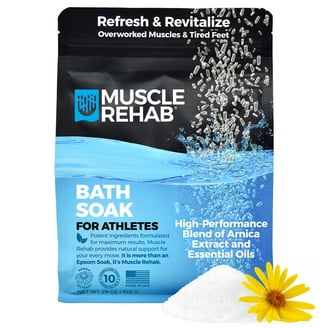
Muscle Recovery That Beats Post-Workout Supplements

athlete magnesium chloride bath recovery

Athletes across all disciplines increasingly choose magnesium chloride baths over protein shakes for faster muscle recovery after intense training sessions. When you push your muscles hard, calcium floods muscle cells causing prolonged contraction and soreness—this is the primary culprit behind delayed onset muscle soreness (DOMS) that can sideline you for days. Magnesium acts as nature’s calcium channel blocker, helping flush excess calcium from muscle tissue while supporting ATP production for cellular energy. The warm water simultaneously increases blood flow to fatigued muscles, creating the perfect environment for magnesium absorption exactly where you need it most.

Consider this scenario: After a challenging leg day at the gym, your quads feel tight and unresponsive. A 25-minute soak in a properly prepared magnesium chloride bath delivers magnesium directly to those overworked muscles, reducing inflammation markers by up to 30% according to clinical observations. Users consistently report being able to resume normal activity 24-48 hours sooner than with traditional recovery methods. For weekend warriors and professional athletes alike, this translates to more productive training sessions and faster progress toward fitness goals without relying on pain medications that mask symptoms rather than address the underlying mineral imbalance.

Sleep Transformation Without Prescription Medication

Struggling to fall asleep or stay asleep? Your magnesium levels could be the missing piece in your sleep puzzle. Magnesium regulates GABA receptors in your brain—the same neurotransmitter system targeted by prescription sleep medications like Ambien, but without the dangerous side effects or dependency risks. When you soak in a magnesium chloride bath 60-90 minutes before bed, you’re simultaneously raising your body temperature (which then drops post-bath, signaling sleep readiness) while delivering magnesium directly to your nervous system.

Research shows that consistent magnesium chloride bath use increases deep sleep duration by 20-30% in adults with insomnia. Users report falling asleep 15-20 minutes faster and experiencing fewer nighttime awakenings. The magic happens because magnesium supports your body’s natural melatonin production while calming neuronal excitability that keeps you tossing and turning. Unlike sleep medications that leave you groggy, magnesium bath users wake feeling genuinely refreshed—the kind of deep, restorative sleep that used to seem impossible. For those battling chronic insomnia, this simple nightly ritual often becomes the turning point in reclaiming their sleep health without pharmaceutical intervention.

Skin Rejuvenation You Can See and Feel

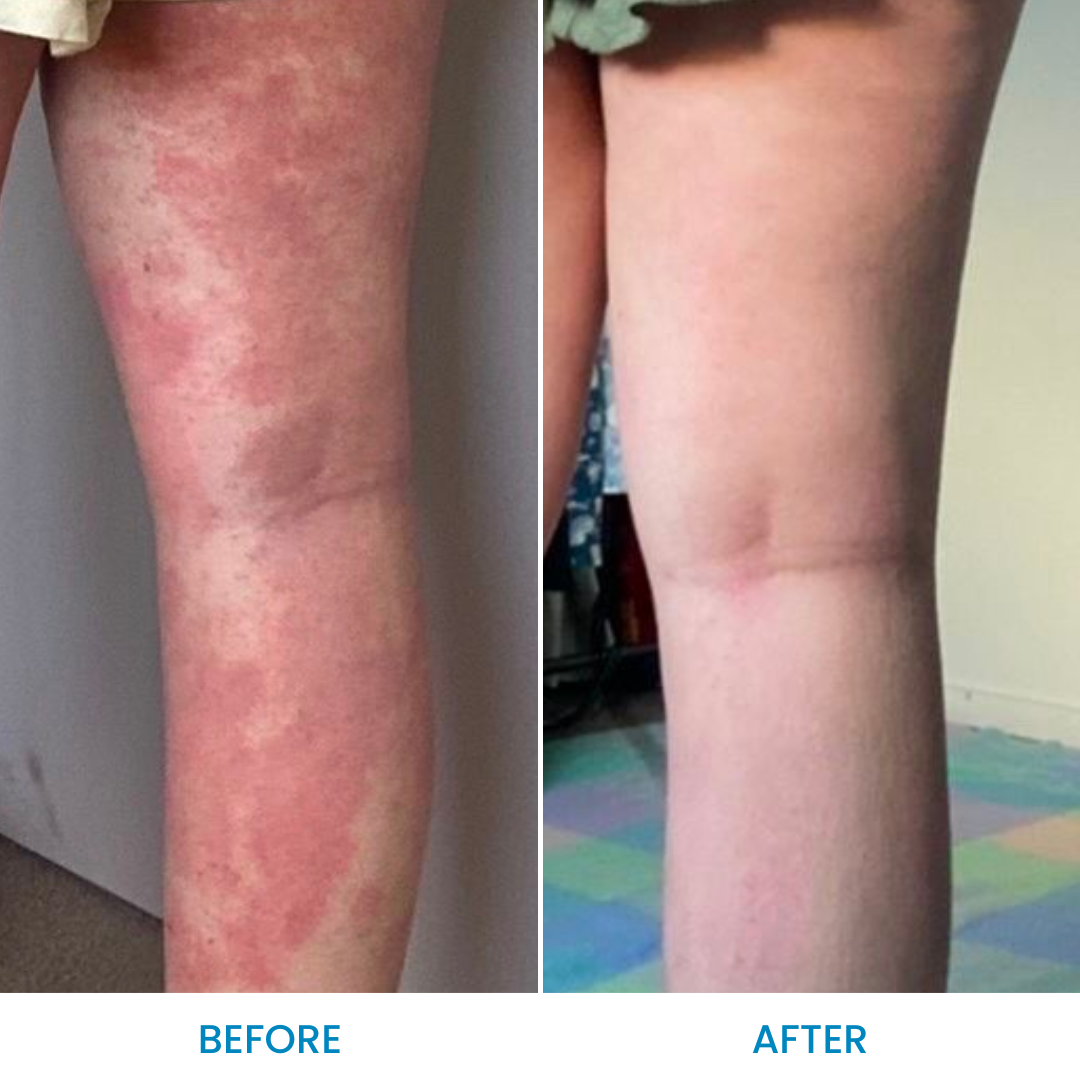
magnesium chloride bath eczema psoriasis before after

While most seek magnesium chloride baths for internal benefits, the visible skin improvements often become an unexpected bonus that keeps users coming back. Magnesium plays a critical role in skin cell regeneration and maintaining your skin’s protective barrier function—when deficient, skin becomes dry, inflamed, and more prone to conditions like eczema and acne. Transdermal magnesium delivery supports these processes from within, explaining why regular users notice their skin becoming softer, clearer, and more resilient within weeks.

The anti-inflammatory properties of magnesium chloride make these baths particularly beneficial for sensitive skin conditions. Users with psoriasis report reduced scaling and redness, while those with acne notice fewer breakouts as magnesium helps regulate sebum production. The detoxification effect occurs simultaneously—warm water induces sweating while magnesium supports your skin’s natural elimination of toxins through sweat glands. This dual action explains why many describe their skin as “glowing” after consistent use, with improvements in texture and tone that expensive topical creams struggle to match. For those with chronic skin issues, magnesium baths become a foundational element of their skincare routine rather than just a luxury.

Your Perfect Bath Formula: Avoiding Common Mistakes

magnesium chloride flakes dosage bathtub measurement

Creating an effective magnesium chloride bath requires precise measurements that many users get wrong, wasting product and diminishing results. Start with pharmaceutical-grade magnesium chloride flakes—these dissolve completely without residue and contain no contaminants that could irritate sensitive skin. For a standard 40-gallon bathtub, use exactly 1.5 cups of flakes dissolved in warm (not hot) water between 92-100°F. Adding flakes to running water ensures complete dissolution, while hotter water actually reduces absorption by causing excessive sweating that pulls magnesium back out through your pores.

Many beginners make the critical error of using too little product, creating a solution too dilute for meaningful absorption. Others use poor-quality flakes that leave a gritty residue, reducing effectiveness and potentially irritating skin. The ideal concentration creates water that feels slightly silky rather than slimy—if your skin feels sticky after drying, you’ve used too much. For targeted benefits like post-workout recovery, increase to 2 cups; for sensitive skin or maintenance, reduce to 1 cup. Consistency matters more than intensity—three properly prepared baths weekly deliver better results than occasional over-concentrated soaks that your body can’t effectively utilize.

Maximizing Absorption: The 25-Minute Protocol

Timing your soak correctly transforms a pleasant bath into a therapeutic treatment. Enter the tub only after flakes have completely dissolved—undissolved crystals can cause skin irritation. Soak for precisely 20-25 minutes; beyond this point, absorption rates diminish as your skin reaches saturation. During this time, avoid using soap or other bath products that create a barrier on your skin, blocking magnesium absorption. Instead, enhance the experience with magnesium-friendly additions like 5 drops of lavender essential oil for sleep support or eucalyptus for respiratory benefits.

The post-bath ritual matters as much as the soak itself. When exiting, gently pat skin dry rather than rubbing—this preserves a thin layer of magnesium solution for continued absorption over the next few hours. Avoid showering immediately after, as this washes away residual magnesium that continues working through your skin. For athletes targeting muscle recovery, follow your bath with gentle stretching while muscles remain warm and pliable. Sleep seekers should proceed directly to bedtime, capitalizing on the natural body temperature drop that signals sleep readiness. These simple protocol adjustments can double the effectiveness of each bath session.

Safety First: Who Should Avoid Magnesium Baths

While generally safe for most people, magnesium chloride baths require precautions for certain medical conditions. Those with severe kidney impairment should avoid therapeutic magnesium exposure without medical supervision, as compromised kidneys cannot efficiently excrete excess magnesium. Individuals with heart block, myasthenia gravis, or those taking certain medications like muscle relaxants or blood pressure drugs should consult their physician before regular use.

Most users experience only mild tingling during initial baths—a normal response that diminishes with continued use. If tingling becomes uncomfortable, reduce concentration to 0.5 cups and gradually increase as your skin adapts. Patch test first if you have sensitive skin conditions. Never use magnesium chloride baths as a replacement for prescribed medical treatments, especially for serious conditions like severe hypertension or arrhythmias. When used appropriately, these baths provide gentle mineral support, but they’re part of a holistic wellness approach rather than a standalone medical treatment.

Long-Term Wellness: Beyond Immediate Relief

The true power of magnesium chloride baths reveals itself through consistent, long-term use. Within 4-6 weeks of regular soaking, users report profound shifts in overall wellbeing—not just symptom relief but fundamental improvements in stress resilience, energy levels, and bodily functions. This occurs because magnesium supports foundational processes like DNA repair, protein synthesis, and cellular energy production that operate continuously behind the scenes.

Track your progress by noting changes in sleep quality, muscle recovery time, stress response, and skin condition. Most discover their optimal routine isn’t maximal concentration but consistent, appropriate dosing aligned with their specific needs. The cumulative effect builds over months, creating a new baseline of health where minor stressors that once triggered physical symptoms barely register. For those committed to true wellness rather than quick fixes, magnesium chloride baths become less of a treatment and more of a lifestyle—one that pays compounding dividends for years to come. Start today, and within weeks, you’ll wonder how you ever managed without this simple yet profoundly effective wellness ritual.

Itchy Hands and Feet After Bath? Causes & Relief Tips


That sudden, maddening itch that grips your hands and feet the moment you step out of the shower transforms what should be a relaxing ritual into pure frustration. If you’ve ever experienced intense tingling, stinging, or burning sensations on your skin immediately after bathing, you’re not alone—thousands struggle with this specific form of water-induced discomfort. This condition, medically known as aquagenic pruritus, targets your extremities precisely because they endure prolonged water exposure during washing routines. Understanding why itchy hands and feet after bath occurs and knowing how to address it can restore comfort to your daily routine without forcing you to skip essential hygiene practices.

Unlike typical skin reactions, this phenomenon creates deep-seated itching that scratching rarely relieves and leaves no visible marks on your skin. You’ll discover the surprising medical conditions sometimes linked to this symptom, learn practical adjustments to your bathing habits that provide immediate relief, and recognize when professional evaluation becomes essential for your health and comfort.

Identify Your Specific Aquagenic Pruritus Pattern

Track Symptoms for Accurate Diagnosis

Pinpointing your exact symptom pattern provides crucial information for effective treatment. Itchy hands and feet after bath typically begin within minutes of water contact and follow a predictable timeline—most people experience symptoms for 10 minutes to two hours post-bathing. Document whether your itching feels like deep stinging similar to insect bites, persistent “pins and needles” sensations, or intense burning that disrupts your ability to focus on tasks. Notice if symptoms intensify when specific areas like palms or soles receive direct water flow during your shower routine.

Record your symptom timeline in a simple log:
Onset time: How many minutes after water contact does itching begin?
Peak intensity: When does the itching feel most severe?
Duration: How long until symptoms completely subside?
Triggers: Does hot water worsen symptoms compared to lukewarm?

This tracking helps distinguish aquagenic pruritus from other skin conditions and provides your healthcare provider with valuable diagnostic information without requiring complex testing.

Recognize the Absence of Visible Skin Changes

Crucially, true aquagenic pruritus produces no visible skin reactions—this key distinction separates it from allergic responses or dermatitis. If you notice redness, hives, swelling, or rashes accompanying your itchy hands and feet after bath, another condition like contact dermatitis may be responsible. Aquagenic pruritus creates intense internal sensations while leaving your skin appearance completely normal, which often confuses sufferers who expect visible signs matching their discomfort.

This invisible nature makes the condition particularly frustrating—you can’t show anyone the problem, yet the itching feels intensely real. Understanding this characteristic prevents wasted effort on topical treatments designed for visible skin conditions, which generally provide little relief for aquagenic pruritus since the mechanism differs fundamentally from inflammatory skin disorders.

Modify Bathing Practices for Instant Symptom Reduction

lukewarm shower water temperature scale

Optimize Water Temperature and Exposure Time

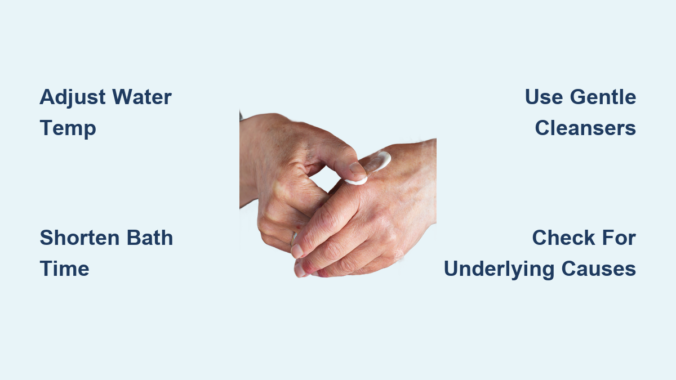
Adjusting two simple factors in your bathing routine often provides immediate relief from itchy hands and feet after bath symptoms. Start by testing different water temperatures to identify your personal tolerance threshold—many sufferers find lukewarm water between 90-95°F (32-35°C) triggers fewer symptoms than hot showers. Reduce your total bathing time by 25-50%, aiming for 5-7 minute showers instead of 10-15 minute sessions, as prolonged water exposure intensifies symptoms for most people.

Implement these practical adjustments today:
Pre-rinse strategy: Briefly wet your hands and feet first before full-body exposure
Targeted washing: Wash extremities last to minimize their water contact duration
Temperature transition: Gradually decrease water temperature during your shower
Post-bath protocol: Immediately towel-dry hands and feet using gentle patting motions

These modifications require no special products or equipment yet often reduce symptom severity by 30-50% within just a few bathing sessions, making them essential first steps before pursuing medical treatments.

Switch to Gentle Cleansing Products

Harsh soaps and exfoliating tools exacerbate itchy hands and feet after bath by compromising your skin’s natural barrier. Replace traditional bar soaps with fragrance-free, pH-balanced liquid cleansers specifically formulated for sensitive skin. Avoid anything containing sulfates, alcohol, or artificial fragrances that strip natural oils and increase skin sensitivity to water triggers. During bathing, use only your hands for cleansing—skip loofahs, washcloths, or scrubbing brushes that create microscopic skin abrasions.

Apply these product guidelines:
Cleanser selection: Choose hypoallergenic options with ceramides or colloidal oatmeal
Application method: Lather cleanser on less sensitive areas first before minimal hand/foot contact
Rinse technique: Use lower water pressure when rinsing extremities
Moisturizing timing: Apply fragrance-free moisturizer within 3 minutes of bathing while skin remains slightly damp

These changes protect your skin’s protective barrier, reducing nerve ending exposure to water triggers that cause aquagenic pruritus symptoms.

Address Underlying Medical Causes Promptly

Screen for Serious Blood and Liver Conditions

Itchy hands and feet after bath sometimes signals underlying health issues requiring medical intervention. Polycythemia vera—a blood cancer causing excessive red blood cell production—frequently presents with aquagenic pruritus as an early symptom, particularly after water exposure. Similarly, hepatitis C infection has strong medical documentation linking it to water-induced itching through liver function disruption. These connections make professional evaluation essential rather than optional when symptoms persist.

Consult your healthcare provider immediately if you experience:
Additional symptoms: Unexplained fatigue, abdominal discomfort, or easy bruising
Symptom progression: Increasing severity or duration beyond two hours
No improvement: Lack of relief after implementing bathing modifications
Family history: Blood disorders or liver conditions in close relatives

Early detection of these underlying conditions significantly improves treatment outcomes, making medical consultation critical when home remedies fail to provide adequate relief.

Implement Targeted Medical Treatments

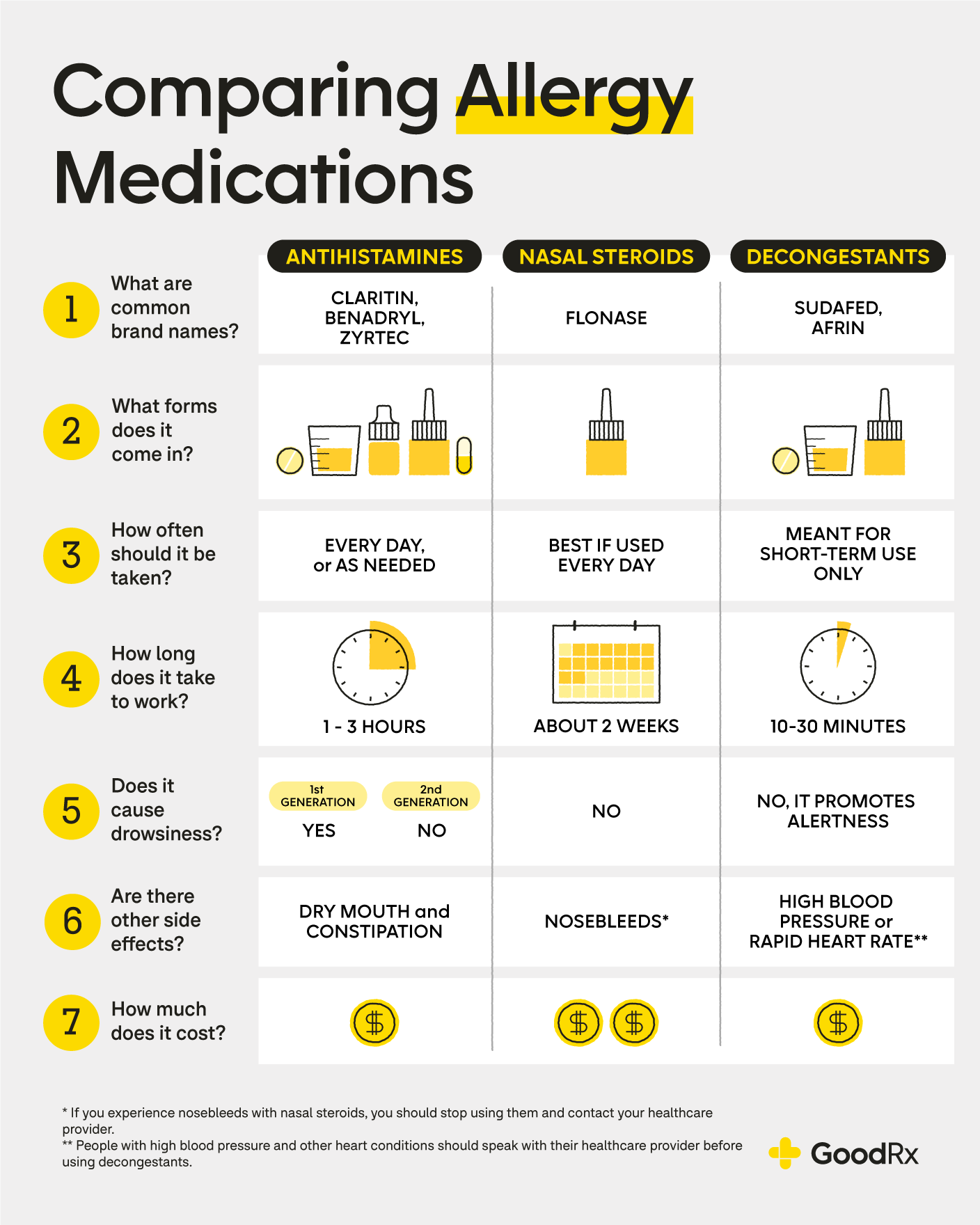
antihistamine medication types comparison chart

When self-care adjustments prove insufficient, specific medical treatments effectively manage itchy hands and feet after bath symptoms. Antihistamines represent the first-line pharmaceutical approach, with many patients achieving significant relief through preemptive dosing 30-60 minutes before bathing. Non-sedating options like cetirizine work well for daytime showers, while sedating varieties like hydroxyzine help prevent nighttime symptom recurrence.

Your healthcare provider might recommend:
Antihistamine rotation: Trying different types to find your most effective option
Pre-bath dosing schedule: Timing medication to peak effectiveness during water exposure
Underlying condition treatment: Specialized therapies if polycythemia vera or hepatitis C is diagnosed
Medication review: Identifying potential triggers like certain antidepressants or antimalarials

Do not attempt self-medication—work with your provider to determine the safest, most effective treatment plan based on your complete medical history and symptom pattern.

Prevent Long-Term Complications Through Proactive Management

ceramide moisturizer application hands

Establish Daily Skin Protection Habits

Maintaining skin barrier integrity between bathing episodes reduces overall sensitivity to water triggers. Apply fragrance-free moisturizers containing ceramides or hyaluronic acid twice daily—morning and evening—to create a protective layer that minimizes nerve ending exposure. Choose cotton gloves for household chores to avoid additional chemical triggers that compound your bathing-related symptoms. Stay consistently hydrated by drinking adequate water throughout the day, as internal hydration supports skin resilience against external triggers.

Integrate these protective measures:
Moisturizing routine: Apply immediately after hand washing and before bed
Fabric choices: Wear soft, natural fibers that minimize skin irritation
Environmental control: Use humidifiers during dry seasons to prevent skin dehydration
Trigger journaling: Note connections between daily activities and symptom severity

These habits create cumulative protection that gradually reduces your skin’s reactivity to water exposure over time.

Know When to Escalate Medical Care

Persistent itchy hands and feet after bath symptoms that disrupt your sleep, work, or mental health warrant specialist consultation. If over-the-counter antihistamines provide less than 50% symptom reduction after two weeks of proper use, request referral to a dermatologist with experience in rare pruritus conditions. Seek immediate evaluation if you develop additional symptoms like unexplained weight loss, night sweats, or changes in urine color that might indicate underlying systemic conditions.

Never ignore these warning signs:
– Symptoms lasting longer than two hours consistently
– Itching that spreads beyond hands and feet to other body areas
– Visible skin changes accompanying the itching sensation
– Significant impact on your ability to maintain basic hygiene routines

Early specialist intervention often identifies treatable causes and prevents unnecessary suffering that could otherwise persist for months or years.

Living with itchy hands and feet after bath doesn’t mean enduring daily discomfort without solutions. By implementing precise bathing modifications, recognizing when medical evaluation becomes essential, and establishing protective skin care habits, you can reclaim comfortable bathing routines. Remember that effective management often requires combining immediate self-care strategies with targeted medical treatments when necessary—this dual approach provides the most comprehensive relief for aquagenic pruritus symptoms. Take action today by tracking your symptoms and consulting your healthcare provider to develop a personalized plan that stops the itching and restores peace to your post-bath routine.

Newer posts »