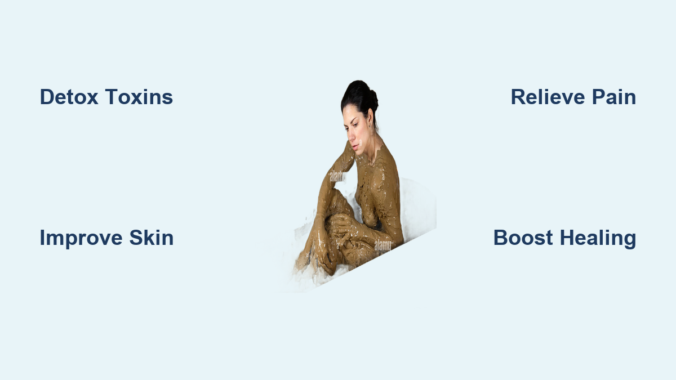
Have you ever stepped out of a clay bath feeling remarkably refreshed, with smoother skin and less joint discomfort? You’re not imagining it. Clay baths have surged in popularity as more people discover their unique ability to draw impurities from the body while replenishing essential minerals. Unlike standard Epsom salt soaks that primarily offer magnesium absorption, clay baths work through a different mechanism—using negatively charged particles to attract positively charged toxins trapped in your skin and tissues. This natural detoxification process can leave you feeling revitalized after just one session, especially when you use the right clay type for your specific wellness goals. In this guide, you’ll learn exactly how clay baths deliver measurable benefits, which clay varieties produce the best results for common concerns, and how to maximize your experience without common mistakes that reduce effectiveness.
Why Clay Baths Outperform Standard Detox Soaks for Toxin Removal
Clay’s detoxification power comes from its unique molecular structure and electrical charge properties that set it apart from other bath additives. When properly prepared, clay creates a suspension in water where microscopic particles remain dispersed rather than settling immediately to the bottom.
How Negatively Charged Clay Particles Draw Toxins from Your Body
The secret lies in clay’s negative ionic charge that actively attracts positively charged heavy metals and environmental toxins stored in your skin and subcutaneous tissue. As you soak, these impurities bind to the clay particles through a process called adsorption (not to be confused with absorption), where contaminants adhere to the clay’s surface rather than being incorporated into its structure. This explains why your bathwater often appears cloudy with visible particles after soaking—they’re literally the toxins that have been pulled from your body. For maximum effectiveness, maintain water temperature between 98-102°F (37-39°C), as higher temperatures can cause clay to settle too quickly, reducing its detox capacity.
Bentonite vs. French Green Clay: Which Delivers Stronger Detox Results

Not all clays offer equal detoxification power. Bentonite clay, formed from volcanic ash, contains montmorillonite which creates superior swelling properties when mixed with water, expanding its surface area to trap more contaminants. French green clay (illite) contains higher iron oxide and mineral content, making it particularly effective for drawing out oil and impurities from acne-prone skin. For general detox purposes, bentonite provides broader heavy metal removal capabilities, while rhassoul clay offers gentler cleansing ideal for sensitive skin types. Always choose food-grade or cosmetic-grade clay specifically labeled for bath use, as industrial-grade clays may contain contaminants.
Visible Skin Improvements After Just Three Clay Bath Sessions
Regular clay bathing transforms skin texture and health through multiple mechanisms beyond simple cleansing. The minerals in quality clays penetrate the epidermis, supporting cellular regeneration while removing dead skin cells and embedded pollutants.
How Clay Bath Minerals Accelerate Skin Cell Regeneration
The calcium, magnesium, silica, and zinc naturally present in therapeutic clays get absorbed through the skin during soaking, providing building blocks for collagen production and cellular repair. Many users report reduced appearance of fine lines and improved skin elasticity within two weeks of weekly clay baths. For best results, avoid adding essential oils directly to clay baths as they can interfere with the clay’s electrical properties—instead, apply oil-based serums immediately after patting skin dry to lock in moisture while pores remain slightly open from the warm soak.
Eliminating Stubborn Body Acne with Targeted Clay Soaks

Clay baths offer remarkable benefits for body acne that topical treatments often miss. When you submerge acne-prone areas like your back, chest, or shoulders in a properly prepared clay bath (1 cup clay per standard tub), the clay draws out deep-seated impurities from hair follicles while delivering antimicrobial minerals that combat acne-causing bacteria. For severe body acne, add ½ cup of raw apple cider vinegar to your clay bath after the clay has fully dispersed—this creates a slightly acidic environment that further inhibits bacterial growth without disrupting the clay’s detox properties.
Relief for Aching Joints and Muscles Without Medication
Many arthritis sufferers and athletes discover clay baths provide significant pain relief through multiple physiological mechanisms that work synergistically to reduce inflammation and improve mobility.
Reducing Inflammation Through Mineral Penetration and Heat Therapy
The combination of warm water and mineral-rich clay creates a powerful anti-inflammatory effect. Magnesium sulfate and calcium in therapeutic clays help regulate inflammatory responses at the cellular level, while the warmth of the bath increases blood circulation to stiff joints. For optimal joint relief, stay in your clay bath for 20-25 minutes (longer exposures can dehydrate skin), focusing on deep breathing to enhance oxygen delivery to affected areas. Many users report noticeable reduction in morning stiffness after incorporating bi-weekly clay baths into their routine.
Creating a Targeted Clay Poultice for Localized Joint Pain
When whole-body baths aren’t practical, create a targeted treatment for specific painful joints. Mix equal parts clay and warm water to form a paste, then apply directly to knees, elbows, or wrists. Cover with plastic wrap and a warm towel for 20 minutes to create a localized detox and mineral delivery system. The clay will harden as it draws impurities, and you’ll often see discoloration on the clay where it contacted particularly inflamed tissue. This targeted approach delivers concentrated relief without systemic effects of oral medications.
Proper Clay Bath Preparation That Maximizes Benefits
Skipping key preparation steps dramatically reduces the effectiveness of your clay bath and may even cause skin irritation or reduced detoxification.
The Critical Metal-Free Mixing Protocol Most People Miss
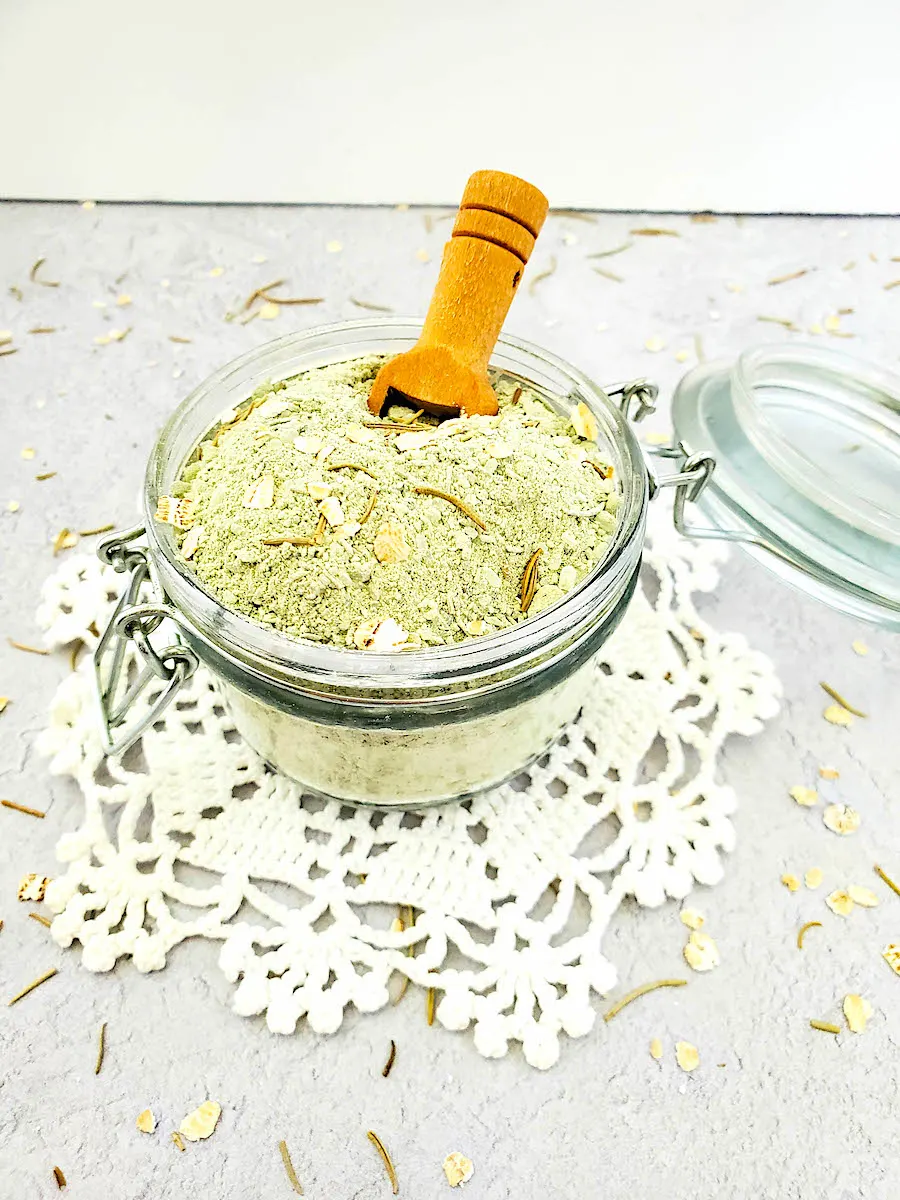
Clay’s ionic properties are easily compromised by contact with metal, which neutralizes its detoxifying charge. Never mix clay in metal containers or with metal utensils—use glass, wood, or high-quality plastic instead. Even trace metal exposure from faucet fixtures can diminish results, so fill your tub first before adding clay. For sensitive skin, pre-mix your clay with distilled water in a non-metal bowl before adding to bathwater to ensure complete dispersion without lumps that can cause uneven detoxification.
Correct Clay-to-Water Ratios for Different Detox Intensity Levels
Using too little clay won’t provide significant benefits, while too much creates an overly drying experience. For general maintenance: ½ cup clay per standard bathtub. For intensive detox: 1-1.5 cups. For sensitive skin or first-time users: ¼ cup. Always add clay to warm (not hot) water while the tub fills, then agitate the water to ensure even distribution before entering. The water should appear uniformly cloudy, not layered or separated.
Essential Safety Considerations Before Your First Clay Bath
While generally safe, clay baths require specific precautions that many wellness blogs overlook, especially for people with certain medical conditions.
When Clay Baths Become Dangerous: Critical Contraindications
Clay baths are not recommended for people with kidney disease, as the detoxification process increases metabolic load on already compromised organs. Those with open wounds or severe eczema should avoid clay baths until skin has healed, as clay can draw out impurities too aggressively from broken skin barriers. Most importantly, never take clay baths while dehydrated—drink 16 ounces of water before and after your soak to support your body’s natural detox pathways and prevent headaches or dizziness.
The Hidden Risk of Over-Detoxing with Frequent Clay Baths
Taking clay baths too frequently can strip your skin of beneficial oils and temporarily deplete essential minerals. Limit intensive clay baths (1+ cups of clay) to once weekly, with maintenance baths (½ cup) every 10-14 days. Pay attention to how your body responds—signs you’re overdoing it include excessive dryness, fatigue, or feeling “washed out” after bathing. Your skin should feel clean but not tight or parched after properly balanced clay baths.
Maintaining Results Between Clay Bath Sessions
Maximize the longevity of your clay bath benefits with simple daily practices that extend detoxification and skin improvements.
Post-Bath Skincare Routine That Locks in Benefits
Immediately after your clay bath, while skin is still slightly damp, apply a mineral-rich moisturizer containing ingredients like shea butter, jojoba oil, or aloe vera. Avoid petroleum-based products that can create a barrier preventing continued detoxification through the skin. For enhanced results, use a natural bristle dry brush for 3-5 minutes before your bath to stimulate lymphatic drainage and increase the surface area available for clay interaction.
Dietary Support That Complements Your Clay Bath Detox
Your internal environment significantly impacts how effectively your body releases toxins during clay bathing. Increase your intake of cilantro, chlorella, and garlic in the 24 hours before your bath—these natural chelating agents help mobilize heavy metals stored in tissues, making them more available for the clay to draw out. Stay well-hydrated with electrolyte-enhanced water (not just plain water) to support kidney function during the detox process.
Final Note: Clay baths deliver measurable benefits when properly prepared and incorporated into a balanced wellness routine. Start with maintenance-level sessions every two weeks, paying attention to how your body responds before increasing frequency or intensity. Remember that true detoxification happens progressively—you shouldn’t expect dramatic results from a single bath. For best outcomes, combine clay bathing with healthy lifestyle practices that support your body’s natural elimination pathways. If you experience unusual fatigue or skin reactions, reduce frequency and consult a healthcare provider familiar with natural detox methods.
Leave a Reply