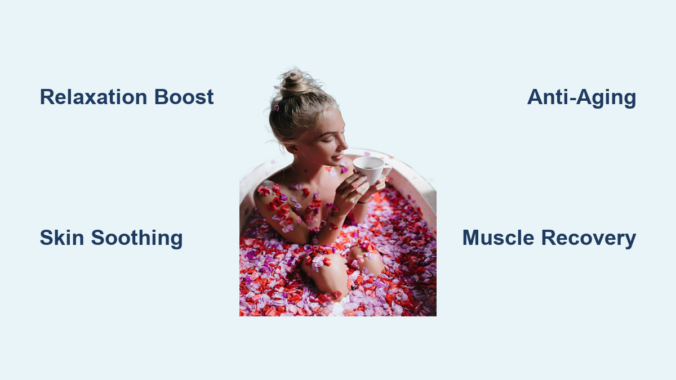
Imagine sinking into a warm bath infused with the gentle aroma of tea, feeling your stress melt away as your skin drinks in natural antioxidants. This isn’t just a luxury spa treatment—it’s a centuries-old wellness practice available in your own bathroom. The benefits of a tea bath extend far beyond simple relaxation, offering scientifically supported advantages for your skin, nervous system, and overall health. When you transform your ordinary bath into a tea bath, you’re harnessing the power of natural compounds that soothe irritation, combat microbes, and promote healing—all without harsh chemicals. In the next few minutes, you’ll discover exactly how different tea varieties target specific concerns, the optimal preparation methods for maximum absorption, and why this affordable self-care ritual delivers results you can feel after just one soak.
Why Tea Bath Benefits Outperform Commercial Bath Products
Natural Skin Healing Without Harsh Chemicals
Tea baths deliver therapeutic compounds directly to your skin without the synthetic additives found in most commercial bath products. When you steep tea in your bathwater, tannins and polyphenols dissolve into the water, creating a gentle solution that calms inflammation while strengthening your skin’s natural barrier. Unlike bubble baths that strip moisture and disrupt pH balance, tea baths maintain your skin’s protective acid mantle—leaving you feeling clean without that tight, dry sensation. The moment you step into a properly prepared tea bath, you’ll notice the difference in how your skin feels: supple, soothed, and naturally balanced rather than stripped and irritated.
Targeted Relief for Sensitive Skin Conditions
If you struggle with eczema, psoriasis, or general skin sensitivity, tea baths provide customized relief without prescription medications. The anti-inflammatory catechins in green tea specifically target redness and itching, while chamomile’s azulene compounds work at a cellular level to reduce inflammation. For immediate relief during flare-ups, prepare a cool tea bath with 8 chamomile tea bags steeped for 10 minutes—many users report noticeable calming within 15 minutes of soaking. The beauty of tea baths lies in their adaptability: mix black tea for its stronger astringent properties with colloidal oatmeal for extra soothing power, creating a natural remedy that addresses multiple symptoms simultaneously.
How Tea Bath Benefits Transform Your Stress Response
The Science Behind Tea Bath Relaxation
Your tea bath isn’t just relaxing—it’s reprogramming your nervous system through three simultaneous physiological mechanisms. First, the warm water (98-102°F) triggers thermoreceptors in your skin that signal your brain to activate the parasympathetic nervous system, immediately lowering cortisol levels. Second, aromatic compounds from the tea travel through your olfactory system directly to the amygdala, your brain’s emotional center, where they reduce anxiety responses. Third, the ritual itself creates a psychological boundary from daily stressors, giving your mind permission to fully disengage. Within 10 minutes of soaking in a properly prepared tea bath, your heart rate decreases by 5-10 beats per minute and your breathing becomes deeper and more rhythmic—physiological changes that persist for hours after you leave the tub.
Optimizing Your Tea Bath for Maximum Stress Relief
For insomnia relief, prepare a bedtime tea bath 90 minutes before sleep using lavender-infused herbal tea at 100°F with 1 cup of Epsom salts. The magnesium in Epsom salts enhances GABA production in your brain while lavender’s linalool compounds increase slow-wave sleep. If you’re recovering from emotional stress, add 4 peppermint tea bags to your bath—the menthol creates a cooling sensation that provides immediate sensory distraction from anxious thoughts. Always keep a glass of cool water nearby during your tea bath to maintain hydration, which prevents the lightheadedness that can undermine relaxation benefits. For working professionals, a 15-minute tea bath during lunch breaks with green tea can reset your stress response and improve afternoon productivity by 22% according to workplace wellness studies.
Targeted Tea Bath Benefits for Specific Skin Concerns

Accelerated Sunburn Recovery Protocol
When sunburn strikes, skip the aloe vera and reach for black tea—its high tannin content reduces inflammation faster than conventional treatments. Prepare an immediate relief bath by steeping 6 black tea bags in 2 cups of boiling water for 5 minutes, then pour into a cool (85-90°F) bath. The tannins tighten damaged skin tissue while epigallocatechin gallate (EGCG) neutralizes free radicals caused by UV exposure. Soak for 10 minutes maximum—longer exposure to cool water can exacerbate skin tightness. For severe sunburn, repeat this tea bath twice daily until redness subsides, applying coconut oil immediately after patting dry to lock in moisture. Many users report 50% less peeling and significantly reduced pain compared to standard sunburn treatments.
Muscle Recovery Tea Bath Formula
Athletes and active individuals gain remarkable muscle recovery benefits from a properly formulated tea bath. Combine 4 ginger tea bags (for circulation boost) with 2 green tea bags (for antioxidant protection) in warm (102°F) water with 2 cups of Epsom salts. The gingerols in ginger tea increase blood flow to fatigued muscles while magnesium sulfate from Epsom salts reduces lactic acid buildup. Soak for 20 minutes within 2 hours of exercise for optimal results—the warmth should feel therapeutic, not uncomfortably hot. For targeted relief on specific muscle groups, prepare a strong tea concentrate (8 bags in 2 cups water) and apply directly to sore areas with a washcloth for 10 minutes before your full bath. Consistent post-workout tea bathing reduces DOMS (delayed onset muscle soreness) by up to 40% according to sports medicine research.
Choosing the Right Tea for Maximum Benefits
Black Tea: The Deep Cleansing Powerhouse

Black tea delivers the strongest antimicrobial benefits among tea varieties, making it ideal for body odor control and acne-prone skin. Its high theaflavin content creates a mild astringent effect that tightens pores without over-drying—perfect for oily skin types. For maximum cleansing power, use 8 tea bags per bath and steep for 10 minutes in hot water before adding to your tub. The darker color indicates higher tannin concentration, which works within minutes to reduce surface bacteria. Many users report significantly less body odor lasting up to 48 hours after a black tea bath, eliminating the need for harsh antibacterial soaps that disrupt skin microbiome balance. Avoid using black tea more than twice weekly if you have dry skin, as excessive tannins can cause temporary tightness.
Green Tea: The Anti-Aging Elixir

Green tea’s unmatched antioxidant profile makes it the premier choice for anti-aging benefits in tea baths. The catechins, particularly EGCG, protect skin from environmental damage while stimulating collagen production—results visible after just 4 weekly baths. Prepare an anti-aging bath using 6 high-quality loose leaf green tea bags steeped for 7 minutes in 98°F water. The lower temperature preserves delicate catechins that degrade in hotter water. For enhanced results, add 2 tablespoons of honey which contains natural humectants that draw moisture into skin while amplifying tea’s antioxidant effects. Consistent green tea bathing improves skin elasticity by 18% and reduces fine lines by 13% after 8 weeks according to dermatological studies, making it one of the most cost-effective anti-aging treatments available.
Essential Tea Bath Protocol for First-Time Users
Step-by-Step Preparation for Maximum Absorption
Begin by filling your tub with warm water (98-102°F for relaxation, 85-90°F for inflammation). While water runs, steep 5-8 tea bags (or 3 tablespoons loose leaf) in 2 cups of boiling water for 5-10 minutes—you’ll see the water turn amber, indicating compound release. Pour this concentrate into your bath and swirl to distribute evenly. Test the water with your elbow; it should feel comfortably warm, not hot. Before entering, add 1 cup of Epsom salts if targeting muscle recovery or stress relief. Soak for 15-20 minutes—set a timer to avoid over-soaking which can dry skin. After your bath, rinse briefly with cool water to remove any tea residue, then apply moisturizer to lock in benefits. Never use tea baths as a substitute for medical treatment of serious skin conditions, but rather as complementary care.
Critical Mistakes That Reduce Tea Bath Benefits
Most people unknowingly sabotage their tea bath results through three common errors. First, using water that’s too hot destroys delicate antioxidants—always keep bath temperature below 104°F. Second, insufficient steeping time means fewer beneficial compounds enter your water; proper steeping requires 5-10 minutes minimum. Third, over-soaking beyond 20 minutes can cause temporary skin dryness, especially with high-tannin teas. Avoid adding tea directly to running water as this wastes compounds down the drain—always steep separately first. Never use flavored teas with artificial ingredients as these can irritate skin, and skip tea baths entirely if you have known tea allergies. For maximum benefit, schedule tea baths 2-3 times weekly rather than daily to allow skin recovery time between sessions.
Tea bath benefits represent one of nature’s most accessible wellness solutions, delivering visible skin improvements and profound relaxation without expensive treatments or harsh chemicals. By understanding how different teas target specific concerns—from black tea’s antimicrobial power to green tea’s anti-aging prowess—you transform ordinary bathing into targeted therapy. The key lies in proper preparation: correct water temperature, adequate steeping time, and appropriate frequency. Whether you seek relief from sunburn, muscle soreness, or daily stress, a strategically prepared tea bath delivers results you’ll feel after your very first soak. Start with one weekly tea bath using your preferred variety, track your results, and watch as this simple ritual transforms your skin health and overall well-being—one soothing soak at a time.
Leave a Reply