Hand, foot, and mouth disease turns ordinary routines into complicated decisions for parents. When your child develops painful mouth sores and skin lesions, you’ll likely wonder: Can they safely take baths during this viral illness? The answer is yes—with specific precautions that protect healing skin while preventing viral spread. Understanding proper bathing techniques during HFMD makes a significant difference in your child’s comfort and recovery timeline.
Most children can and should bathe during hand, foot, and mouth disease, but the approach requires thoughtful modification. Warm water provides soothing relief from fever and discomfort, yet improper bathing can irritate blisters or spread the virus to other household members. This guide delivers actionable strategies for safe bathing practices that balance hygiene needs with symptom management throughout the illness.
Why Lukewarm Baths Help HFMD Recovery
:max_bytes(150000):strip_icc()/GettyImages-1345154315-002a36bdfe5e478fac4ea86bcc548baf.jpg)
Lukewarm baths serve as valuable symptom management tools during hand, foot, and mouth disease. The gentle warmth helps regulate body temperature when fever spikes above 101°F, providing natural cooling that complements fever-reducing medications without medication side effects. Children often experience immediate relief as warm water soothes achy muscles and reduces overall discomfort.
The sensory experience of bathing also offers psychological benefits during this isolating illness. Many children with painful mouth sores become irritable and withdrawn, but the familiar routine of bath time creates comforting normalcy. Water’s calming effect frequently improves mood and promotes better sleep—critical factors in immune system function during viral recovery.
How Bath Temperature Affects HFMD Symptoms
Water temperature directly impacts symptom severity during hand, foot, and mouth disease. Hot water above 102°F (39°C) aggravates mouth sores and blister inflammation, making discomfort worse rather than better. Skin lesions become more sensitive during HFMD, and excessive heat can cause minor burns on areas where blistering has reduced temperature sensitivity.
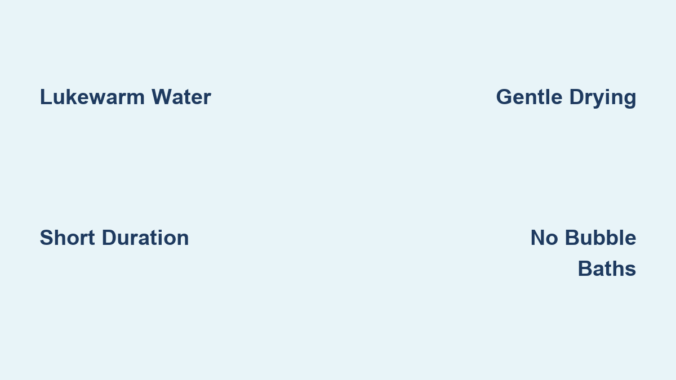
Lukewarm water between 98-100°F (37-38°C) provides optimal therapeutic benefits without irritating sensitive skin. Test the water with your inner wrist or elbow—these areas detect temperature more accurately than hands. The water should feel neutral-warm, never hot, and certainly not uncomfortable on your own sensitive skin.
Cold baths should also be avoided as they trigger shivering that actually raises core body temperature. Unless specifically recommended by your pediatrician during extreme fever, stick with consistently lukewarm water throughout the bathing experience to maximize comfort.
Bath Duration Guidelines for Different Symptom Stages
Bath length requires adjustment based on your child’s current HFMD symptoms. During the acute phase (days 1-4) when fever peaks and blisters first appear, limit baths to 5-7 minutes to prevent excessive softening of healing tissue. This brief exposure maintains hygiene without compromising skin integrity.
Once fever subsides (days 5-7), you can gradually extend bath time to 10-12 minutes as skin lesions begin healing. This longer duration allows more thorough cleaning of areas affected by excessive drooling or crusting around mouth sores.
During the recovery phase (days 8-14), return to normal bath routines while continuing gentle handling of any remaining skin lesions. Most children complete HFMD recovery within 7-10 days, though some viral shedding continues for weeks after symptoms resolve.
Essential Bathing Precautions to Prevent Complications
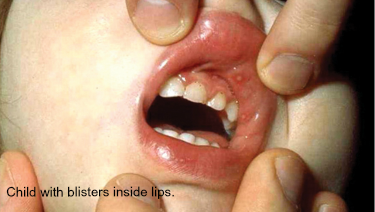
Protecting healing blisters during bathing requires specific techniques that differ from regular hygiene routines. Avoid scrubbing hands and feet where blisters typically appear—use only your hands or an extremely soft washcloth to gently cleanse these areas. Vigorous rubbing can rupture intact blisters or irritate healing skin, potentially introducing bacterial infection.
Select fragrance-free, hypoallergenic soap to minimize skin irritation during this sensitive period. Standard soaps with perfumes or harsh detergents can sting open lesions and worsen discomfort. Apply soap gently without scrubbing, focusing on thorough rinsing to prevent residue buildup on healing skin.
Pat skin dry rather than rubbing with towels after bathing. Excessive friction on blister areas delays healing and increases pain. Pay special attention to drying between fingers and toes where moisture retention can soften healing tissue and promote secondary infection.
Critical Safety Steps Before Bathing Your Child
Gather all necessary supplies before starting the bath to avoid leaving your child unattended. Have mild soap, soft washcloth, clean towels, and comfortable clothing ready at the bathing area. This preparation prevents rushed movements that could accidentally injure sensitive skin.
Verify water temperature twice—once while filling the tub and again immediately before your child enters. Children with HFMD may have reduced sensitivity in affected areas, making them unreliable judges of safe water temperature. Your elbow should feel neutral-warm, not hot.
Check blister status before each bath to determine appropriate care. Intact blisters generally tolerate gentle washing, but ruptured lesions require shorter exposure and extra care. Consider covering open blisters with waterproof bandages before bathing if they’re in areas that will be submerged.
When to Skip Bathing During HFMD Illness
Certain symptom combinations indicate temporary bathing should wait. High fever above 103°F (39.4°C) often makes children feel too miserable for full baths—opt for brief sponge baths focusing on essential cleaning until fever responds to medication. Forcing bathing during extreme discomfort creates unnecessary stress.
Excessive fatigue or weakness signals that bathing might need to wait. Children with HFMD often experience significant energy depletion during the first three days of illness. If your child struggles to sit upright or stay awake, simplified cleaning preserves energy for healing.
Following vomiting or diarrhea episodes, postpone bathing until your child has stabilized. The physical exertion required can trigger additional gastrointestinal symptoms when the stomach remains sensitive.
Warning Signs That Require Medical Consultation
Certain symptoms during bathing warrant prompt medical attention. Increased redness, swelling, or pus around blisters suggests possible secondary bacterial infection requiring treatment. Difficulty drinking fluids after bathing may indicate worsening mouth sores leading to dehydration risk.
Persistent high fever after multiple lukewarm baths could signal complications beyond typical HFMD progression. Contact your pediatrician if fever remains above 102°F for more than 72 hours despite appropriate care.
Preventing Household Transmission During Bath Time
Bath time presents specific transmission risks that require targeted prevention strategies. Designate separate towels and washcloths exclusively for the infected child, storing them away from other household linens. Wash these items in hot water after each use to eliminate viral particles.
Bath the infected child last among all family members, allowing thorough tub disinfection afterward with a bleach solution (5 tablespoons per gallon of water) or EPA-approved disinfectant effective against enteroviruses. This sequence minimizes cross-contamination risk.
Wash your hands thoroughly for 20 seconds immediately after assisting with bathing. Pay special attention to areas under nails and between fingers where viral particles can linger. This simple step significantly reduces transmission to other household members.
Safe Bath Additives That Actually Help HFMD Symptoms
:max_bytes(150000):strip_icc()/how-to-make-your-own-oatmeal-bath-289466-576e77f2407945b2951a155d73a13d77.png)
Colloidal oatmeal baths provide soothing relief for itchy skin during the healing phase of HFMD. The fine oat particles create a protective barrier that calms irritated skin without stinging open lesions. Use commercially prepared colloidal oatmeal rather than regular oats to prevent clogging drains.
Baking soda baths (2-4 tablespoons per standard tub) offer gentle cleansing with minimal irritation risk. Fully dissolve the baking soda before your child enters to prevent concentrated spots that could sting broken skin.
Avoid all bubble baths, scented products, and Epsom salts during active HFMD symptoms. These additives can irritate open blisters and sensitive mouth tissues through accidental ingestion. Stick with plain lukewarm water or the safe additives mentioned above.
Post-Bath Care That Accelerates HFMD Recovery
Effective after-bath care significantly impacts symptom management and healing speed. Apply fragrance-free moisturizer or petroleum jelly to healing skin areas after gently patting dry. This protective barrier reduces itching during the healing process without introducing potential irritants.
Offer cold fluids or popsicles immediately after bathing when mouth sores often feel most painful. The temperature contrast between warm bath and cold drink provides additional soothing for oral lesions. Avoid citrus or acidic beverages that could sting open sores.
Dress your child in loose, breathable clothing after bathing to prevent friction on healing blisters. Natural fibers like cotton allow better air circulation than synthetic materials, promoting faster healing of skin lesions.
Maintaining Hygiene Throughout the Entire HFMD Timeline
Hand washing remains the single most effective prevention measure against HFMD spread. Wash hands for 20 seconds with soap and water after all contact with the infected child, especially after diaper changes or helping with bathroom use. Alcohol-based sanitizers are less effective against enteroviruses than proper handwashing.
Disinfect high-touch surfaces daily including doorknobs, light switches, and toys. Enteroviruses can survive on surfaces for weeks, making regular cleaning essential throughout the illness and for several days after symptoms resolve.
Separate laundry practices protect other household members. Wash the infected child’s clothing, bedding, and towels separately in hot water when possible. Avoid shaking dirty laundry before washing to prevent aerosolizing viral particles.
Hand, foot, and mouth disease typically resolves within 7-10 days with proper care, but viral shedding continues for weeks after symptoms disappear. Following these bathing guidelines ensures your child remains comfortable while minimizing transmission risks to siblings and caregivers throughout the entire illness timeline. Always consult your pediatrician for personalized advice regarding your child’s specific symptoms and recovery progress.
Leave a Reply