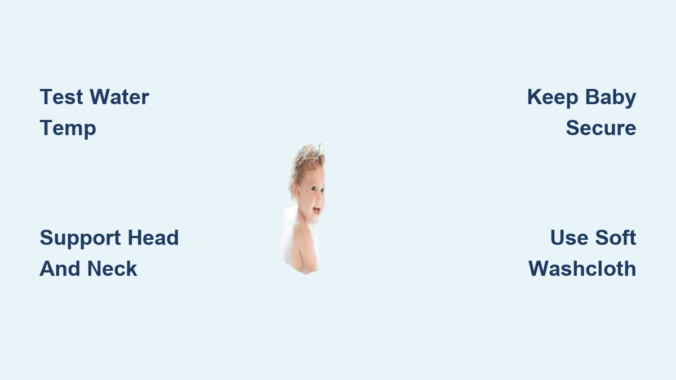
The first bath in the sink can leave new parents trembling with anxiety. That tiny, slippery newborn seems impossibly fragile as you contemplate lowering them into water just inches from the drain. Yet sink bathing remains the gold standard for newborn care during those early months when your baby is small enough to fit comfortably. Pediatricians consistently recommend sink baths for their practicality, safety, and ergonomic benefits over bending over traditional baby tubs. Your kitchen or bathroom sink provides the perfect height to maintain proper posture while keeping your newborn secure and warm.
New parents often worry about water temperature, head support, and timing—fears compounded by horror stories of slips or burns. But with the right preparation and technique, sink bathing transforms from a nerve-wracking chore into a soothing daily ritual that both you and your baby will come to enjoy. This guide cuts through the confusion with precise, pediatrician-approved methods for bathing your newborn safely in the sink.
Essential Supplies Within Arm’s Reach Before Starting
Never begin a sink bath without gathering every necessary item first—turning away from your baby, even for a second, risks catastrophic accidents. Newborns can drown in less than an inch of water, making preparation non-negotiable for safe sink bathing. Keep all supplies organized on a clean towel beside the sink before bringing your baby into the room.
Your must-have items include: a soft washcloth specifically designed for infant skin, tear-free baby cleanser, hooded towel warmed in the dryer, clean diaper and outfit, cotton balls for umbilical cord care, and a small cup for rinsing. Many parents find success with a sink insert that creates a contoured bathing surface, though this remains optional. If your sink has sharp edges, wrap them with a folded towel to prevent accidental bumps during the bath.
Skip unnecessary distractions like phones or toys that could tempt you to look away. This is your dedicated time to connect with your newborn while ensuring their safety. Place a non-slip mat under the sink area to prevent slips, and remove any dangling jewelry that might scratch your baby’s delicate skin during handling.
Exact Water Temperature Settings That Prevent Burns

Water temperature mistakes cause more newborn bath injuries than any other factor, yet they’re completely preventable with proper technique. Pediatricians emphasize testing water temperature every single time, regardless of how consistent your faucet settings seem. Water heaters fluctuate daily, and what felt perfect yesterday could scald your baby today.
Fill the sink with 2-4 inches of water—enough to cover your baby’s body while keeping their head well above water level. The ideal temperature registers between 98-100°F (37-38°C), matching your baby’s natural body temperature. Test this by splashing water on your inner wrist or elbow, the most heat-sensitive areas on your body. If it feels even slightly warm to your skin, it’s too hot for your newborn’s delicate skin.
Never rely on faucet handles or previous settings—always test with your skin first. Running water can change temperature during filling, so check again after stopping the faucet. Keep a thermometer designed for baby baths nearby if you want absolute precision, especially during those first few nerve-wracking baths. Remember: lukewarm to your wrist equals perfect for your baby.
Step-by-Step Sink Bathing Technique That Prevents Slips
Begin by warming the room to 75-80°F to prevent chilling your newborn during the bath. Position yourself comfortably at the sink—sit on a stool if needed—so you can maintain proper posture without straining. Test the water one final time, then gently lower your baby feet-first while supporting their head and neck with your non-dominant arm.
Your dominant hand should control the washcloth while your other arm maintains constant head support. Cradle your baby’s head in the crook of your elbow, with your forearm supporting their neck and your hand securing their bottom. This position keeps their airway clear while freeing your other hand for washing. Never place your baby in the sink before you’re fully positioned to support them.
Start with the face using a damp, soap-free washcloth, wiping from the inner to outer eye corners with separate cloth sections. Clean ears externally only—never insert anything into the ear canal. Work systematically from cleanest areas (face) to dirtiest (diaper region), using fresh sections of the washcloth as you move downward. Keep baths brief—5-7 minutes max—to prevent chilling.
Proper Head and Neck Support That Prevents Injury

Your newborn’s head weighs nearly 25% of their body weight with underdeveloped neck muscles, making proper support critical during sink baths. The correct technique involves creating a secure “cradle” with your arm that maintains head alignment with the spine at all times. Position your baby’s head in the bend of your elbow with their neck resting along your forearm.
Your hand should wrap around their shoulder while your fingers gently support the chin. This position keeps your baby’s head above water while allowing full access to their body. Practice this hold with a doll before attempting your first real bath to build muscle memory. Many parents find success by sitting at the sink rather than standing, bringing their baby to eye level for better control.
Never release your grip to reach for supplies—if you forget something, wrap your baby in the towel and retrieve it before continuing. Watch for signs of discomfort like arching or turning away, which may indicate improper support. Your baby should feel completely secure throughout the bath, with their head never dipping below water level even during rinsing.
Cleaning Body Folds Without Causing Irritation
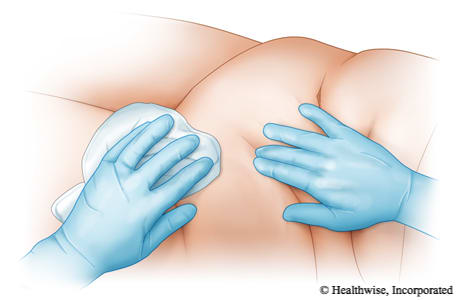
Newborn skin folds harbor milk residue, sweat, and moisture that can cause painful rashes if not cleaned properly. Focus special attention on the neck creases, behind ears, armpits, and thigh folds where irritation commonly develops. Lift each arm gently to clean underneath, using soft circular motions with your washcloth.
For the umbilical cord stump, use a damp (not wet) cotton ball to clean around the base without submerging or scrubbing. Keep this area dry between baths by folding diaper fronts below the stump. If you notice redness, swelling, or foul odor, skip full baths and consult your pediatrician immediately. The stump typically falls off 1-2 weeks after birth, after which you can resume normal bathing.
When cleaning genital areas, remember: front-to-back motion for girls to prevent infection, and gentle cleansing without foreskin retraction for boys. The diaper region requires the most thorough cleaning—use fresh washcloth sections and rinse well to prevent soap residue that causes irritation. Pat (don’t rub) all areas dry, especially skin folds.
Recognizing When to Postpone Bath Time
Certain conditions warrant skipping sink baths entirely until resolved. Never bathe your newborn if the umbilical cord stump shows signs of infection (redness, pus, foul smell) or hasn’t begun drying significantly. Pediatricians often recommend sponge baths only during active cord healing, typically the first 10-14 days.
Postpone baths if your baby has a fever above 100.4°F, difficulty breathing, or active illness. Sick newborns lose body heat rapidly and find baths more stressful than healthy babies. Skin conditions like eczema flares or rashes may also require modified bathing routines—consult your pediatrician about appropriate timing.
Watch for behavioral cues: if your baby consistently cries intensely during baths despite proper technique, take a break and try again later. Some newborns prefer baths at specific times—try different parts of your routine to find what works best for your little one. Never force a bath when your baby shows clear distress signals.
Transition Signs That Indicate Ready for Baby Tub
Most newborns outgrow sink baths between 8-12 weeks when they develop better head control and grow too long for comfortable positioning. Key indicators include: your baby’s feet touching the sink bottom when properly positioned, visible enjoyment of splashing, or increased wiggling that makes sink bathing challenging.
When transitioning, choose a baby tub with contoured support and non-slip surfaces. Fill with just 2-3 inches of water initially, maintaining the same 98-100°F temperature standard. Continue using the same head support techniques you mastered in the sink, gradually reducing assistance as your baby gains strength.
Never leave your baby unattended during this transition period—many accidents happen when parents mistakenly believe their growing infant is “safe enough” to watch briefly. The bathtub’s larger size creates new risks, so maintain constant touch supervision until your baby can sit independently.
Creating Positive Bath Time Associations
Transform sink baths from stressful chores to cherished bonding moments by establishing calming routines. Speak softly throughout the process using a consistent phrase like “Time for our nice warm bath” to create positive associations. Maintain eye contact when possible and respond to your baby’s cues with reassuring touches.
As your newborn grows, incorporate gentle play—let them kick freely in the water once the umbilical cord has healed. Sing simple songs during baths to build auditory memories, and always end with warm wrapping and skin-to-skin cuddles. Many parents find baths naturally lead to feeding time, creating a predictable sequence that supports healthy sleep patterns.
Watch for your baby’s enjoyment signals: relaxed muscles, open hands, calm facial expressions, or gentle kicking. If your newborn shows distress, shorten baths and focus on making the next attempt more comfortable. Your calm presence matters more than perfect technique—babies sense parental anxiety, so take deep breaths and move slowly.
Bathing your newborn in the sink becomes second nature with practice. Trust your instincts, maintain constant vigilance, and remember that your loving attention provides the most important element of all. Within weeks, what once felt terrifying will transform into a peaceful daily ritual that both you and your baby anticipate with joy.
Leave a Reply