Dog owners battling persistent itching, stubborn odors, or recurring skin issues often search for natural alternatives to commercial shampoos. Bathing your dog with vinegar—specifically diluted apple cider vinegar—has become a popular home remedy recommended by many pet care professionals for specific canine skin conditions. When prepared correctly, this simple solution can provide relief from itching, balance skin pH, and eliminate unpleasant odors without harsh chemicals. In this guide, you’ll discover exactly how to safely prepare and apply a vinegar bath for your dog, understand which skin conditions respond best to this treatment, and learn critical safety precautions to prevent irritation. Whether your dog suffers from seasonal allergies, hot spots, or just needs a natural deodorizing treatment, you’ll gain the confidence to implement this cost-effective solution properly.
Why Vinegar Baths Work for Common Dog Skin Problems
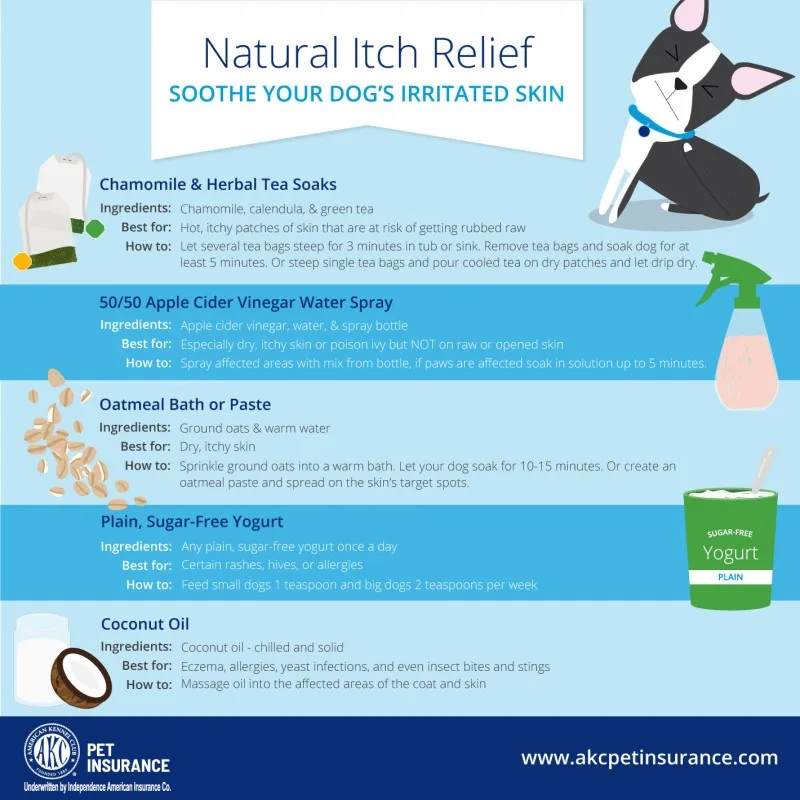
Vinegar’s natural acidity creates an environment where many skin irritants struggle to survive while helping restore your dog’s natural skin pH balance. The acetic acid in properly diluted vinegar possesses antimicrobial properties that combat yeast and bacterial overgrowth on your dog’s skin—common culprits behind that “wet dog” smell and persistent scratching. Unlike commercial medicated shampoos that can strip natural oils, a correctly prepared vinegar solution cleanses without excessive drying, making it particularly valuable for dogs with sensitive skin prone to irritation from conventional products.
How Vinegar Balances Your Dog’s Skin pH Naturally
Your dog’s skin maintains a slightly acidic pH between 5.5 and 7.5, creating a protective barrier against pathogens. Many commercial shampoos have a higher (more alkaline) pH that disrupts this natural barrier, leaving skin vulnerable to irritation and infection. Vinegar’s natural acidity (typically pH 2.5-3.5 when undiluted) helps reset your dog’s skin to its optimal slightly acidic state when properly diluted. This restored pH balance strengthens the skin’s natural defense system, reducing opportunities for bacteria and yeast to cause problems.
When Vinegar Baths Provide the Most Relief
Vinegar baths deliver noticeable improvement for specific canine skin issues including:
– Seasonal allergy-related itching (when used as a rinse after regular shampoo)
– Mild yeast infections causing odor between paw pads or in ears
– Recurring hot spots in early stages
– Dull, lifeless coat lacking shine
– Persistent “doggy odor” that regular bathing doesn’t eliminate
Selecting the Right Vinegar for Your Dog’s Bath
Not all vinegars work safely for canine use, and choosing incorrectly could cause skin irritation or other problems. Understanding the differences between vinegar types prevents accidental misuse that could harm your dog’s sensitive skin.
Why Apple Cider Vinegar Beats White Vinegar for Dogs
Apple cider vinegar (ACV) contains beneficial enzymes, proteins, and trace minerals absent in distilled white vinegar, making it the superior choice for dog baths. Its natural components provide additional skin-soothing benefits beyond simple acidity. Always select raw, unfiltered apple cider vinegar with “the mother”—that cloudy sediment at the bottom of the bottle—which contains these beneficial compounds. Avoid flavored, seasoned, or pasteurized varieties that may contain additives harmful to dogs.
Vinegar Types That Pose Serious Risks to Dogs
Never use these vinegars on your dog:
– Balsamic vinegar (too acidic and contains sugar)
– Wine vinegar (alcohol content can dry skin excessively)
– Flavored vinegars (often contain garlic, onions, or other toxic ingredients)
– Cleaning vinegar (formulated with stronger acidity specifically for household use)
Preparing the Perfect Vinegar Bath Solution
Creating an effective yet safe vinegar bath requires precise dilution ratios and proper mixing techniques. Getting these details wrong could cause skin irritation rather than relief, so follow these guidelines exactly.
The Critical 1:4 Vinegar-to-Water Ratio Explained
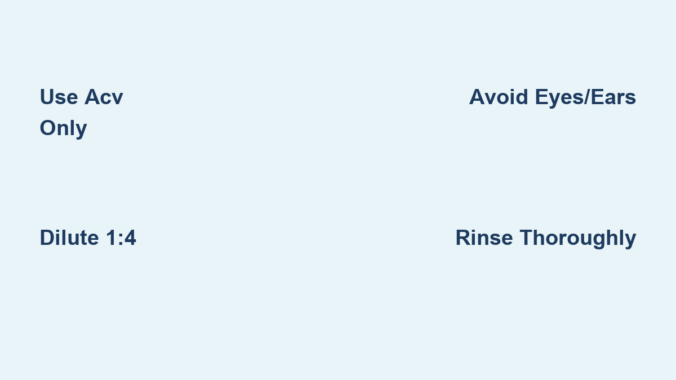
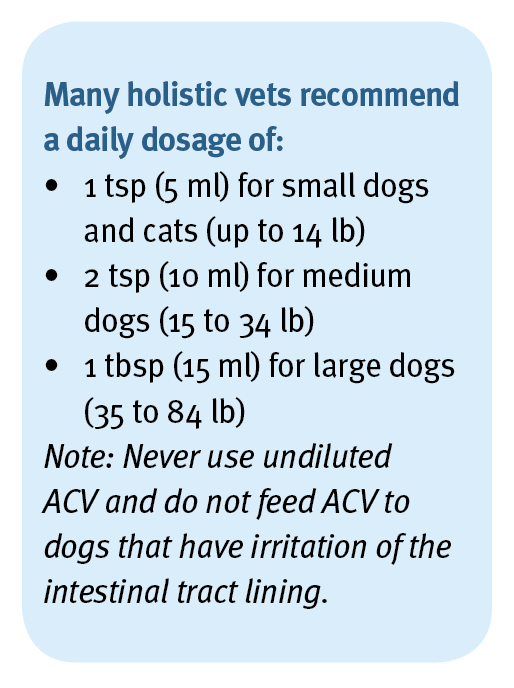
The ideal dilution for most dogs is one part raw apple cider vinegar to four parts cool to lukewarm water. This creates a solution with sufficient acidity to provide benefits while minimizing irritation risk. For example:
– Small dogs: ¼ cup vinegar + 1 cup water
– Medium dogs: ½ cup vinegar + 2 cups water
– Large dogs: 1 cup vinegar + 4 cups water
When to Adjust the Standard Dilution Formula
Certain situations require modified dilution:
– For dogs with extremely sensitive skin: Use 1:6 ratio (1 part vinegar to 6 parts water)
– For severe odor issues: Temporarily use 1:3 ratio, but never stronger
– For puppies under 6 months: Always use 1:6 ratio maximum
– For dogs with open sores: Avoid vinegar baths completely until wounds heal
Step-by-Step Vinegar Bath Application Process
The timing and technique of vinegar bath application significantly impact effectiveness and safety. Follow this precise sequence to maximize benefits while protecting your dog’s skin.
Proper Sequence: Shampoo First, Vinegar Rinse After
- Begin with a gentle dog shampoo to remove dirt and debris
- Thoroughly rinse all shampoo residue from your dog’s coat
- Pour prepared vinegar solution over your dog, avoiding eyes and ears
- Massage solution into skin and coat for 2-3 minutes
- Leave solution to work for exactly 5 minutes (set a timer)
- Rinse thoroughly with clean water until runoff clears
- Towel dry completely—never leave vinegar solution on skin
Critical Areas to Avoid During Application
Never apply vinegar solution directly to:
– Open wounds, cuts, or raw skin patches
– Inside ear canals (can cause irritation)
– Around eyes or facial areas (risk of stinging)
– Genital regions (mucous membranes are too sensitive)
Recognizing When NOT to Bathe Your Dog with Vinegar
While beneficial in many situations, vinegar baths can worsen certain conditions or cause harm if used incorrectly. Knowing these contraindications prevents accidental injury to your pet.
Skin Conditions That Worsen with Vinegar Exposure
Avoid vinegar baths immediately if your dog shows:
– Fresh cuts, abrasions, or surgical incisions
– Severe sunburn or thermal burns
– Active, weeping hot spots
– Recent chemical burns
– Autoimmune skin disorders like pemphigus
When to Consult Your Veterinarian First
Schedule a vet visit before attempting vinegar baths if your dog experiences:
– Persistent scratching lasting more than 2 weeks
– Hair loss in patches
– Bleeding or oozing skin lesions
– Signs of pain when touched
– No improvement after 2-3 regular baths
Troubleshooting Common Vinegar Bath Mistakes
Even careful pet owners make errors when preparing or applying vinegar solutions. Recognizing these common mistakes helps you correct issues before they cause problems.
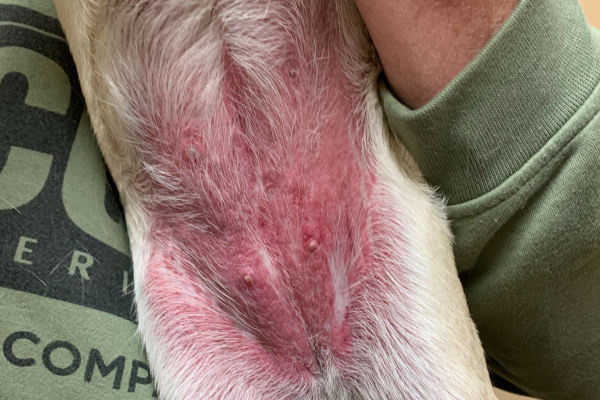
Why Your Dog’s Skin Is Red After a Vinegar Bath
Redness typically indicates:
– Solution was too concentrated (exceeding 1:4 ratio)
– Left on skin longer than 5 minutes
– Applied to already irritated skin
– Used inappropriate vinegar type (like cleaning vinegar)
Fixing That Lingering Vinegar Smell on Your Dog
If your dog retains vinegar odor after bathing:
– You didn’t rinse thoroughly enough (rinse until water runs clear)
– Used too strong a solution that penetrated deep into coat
– Didn’t allow proper drying time before re-exposure to elements
– Applied in humid conditions that slow evaporation
Creating a Safe Vinegar Bath Routine for Long-Term Benefits
Vinegar baths shouldn’t replace regular grooming but serve as targeted treatments for specific issues. Establishing the right frequency prevents overuse while maximizing therapeutic benefits.
Optimal Vinegar Bath Schedule by Condition
- General odor control: Once every 2-3 weeks as final rinse
- Mild seasonal itching: Twice weekly for 2 weeks, then weekly
- Yeast-related odor: Weekly until resolved, then monthly maintenance
- Healthy skin maintenance: Monthly as preventative measure
Complementary Products That Boost Vinegar Bath Results
Enhance vinegar bath effectiveness by pairing with:
– Oatmeal-based shampoo (soothes while cleansing)
– Omega-3 supplements (improves skin health from within)
– Coconut oil rinses (adds moisture after vinegar treatment)
– Probiotic dog foods (supports skin health internally)
Final Vinegar Bath Safety Checklist Before You Begin
Before preparing your next vinegar bath, verify these critical safety points:
– You’re using raw, unfiltered apple cider vinegar with “the mother”
– Your dilution ratio never exceeds 1:4 (vinegar to water)
– Your dog has no open wounds or severe skin irritation
– You’ve set a timer to limit exposure to exactly 5 minutes
– You have clean water ready for thorough rinsing afterward
– You’ve consulted your vet if your dog has chronic skin issues
When properly prepared and applied, bathing your dog with vinegar provides a safe, natural solution for many common skin issues that cause discomfort and odor. This simple treatment works by restoring your dog’s natural skin pH balance while creating an environment hostile to odor-causing microbes. Remember that vinegar baths serve as complementary care—not a replacement for veterinary treatment when serious skin conditions exist. By following the precise dilution ratios, application techniques, and safety precautions outlined here, you’ll transform vinegar from a kitchen staple into an effective tool for maintaining your dog’s skin health. The next time your dog emerges from a bath still smelling “doggy” or continues scratching despite regular cleaning, reach for that bottle of apple cider vinegar and give this time-tested remedy a try—you might be surprised at the results.
Leave a Reply