Many homeowners struggle with limited bathroom square footage yet still want the luxury of both a bathtub for relaxing soaks and a shower for daily use. A well-designed bath and shower combo solves this dilemma by maximizing functionality in compact spaces. With clever planning and strategic design choices, you can create a bathroom that offers the best of both worlds without feeling cramped. This guide reveals practical bath and shower combo ideas that transform small bathrooms into spa-like retreats while maintaining everyday functionality.
Transform Your Bathroom Layout with These Practical Solutions

Convert Your Standard Tub into a Shower-Friendly Space
Replace your existing bathtub with a walk-in shower configuration that incorporates the tub underneath. Install a low-threshold tub (under 14 inches high) that doubles as your shower base, eliminating the need for a separate shower pan. Choose a tub with a flat bottom rather than curved to create a more stable shower surface. Position the showerhead at the far end of the tub opposite the faucet to prevent water from spraying onto bathroom fixtures.
Critical installation tip: Ensure your shower curtain or door extends at least 6 inches beyond the faucet handles to contain water spray effectively. For barrier-free access, consider a tub with a built-in seat that folds down when not in use.
Create Visual Separation Without Walls
Use strategic design elements to distinguish shower and bath areas without physical barriers. Install different tile patterns or colors for the shower zone versus the rest of the bathroom. A contrasting mosaic strip along the shower perimeter creates definition while maintaining an open feel. For safety, choose non-slip tiles in the shower area that coordinate with your main bathroom flooring.
Pro tip: Position the showerhead at a 45-degree angle toward the center of the tub rather than directly at the wall to minimize water splashing onto adjacent surfaces.
Optimize Space with Smart Storage Solutions

Maximize Vertical Storage Capacity
Install recessed shelving units between wall studs specifically in the shower area to store bathing essentials without protruding into your limited space. Position these niches at varying heights to accommodate different users and product sizes. For the bath area, mount a wall-hung caddy that attaches to your faucet for shampoo and soap during tub soaks.
Common mistake to avoid: Don’t overcrowd your shower with too many shelves – three to four well-placed niches provide sufficient storage while maintaining an uncluttered appearance.
Implement Dual-Purpose Furniture
Choose a vanity with integrated storage that doubles as a bathing seat. Look for models with fold-down shelves that convert into a temporary bench when needed. A wall-mounted ladder shelf provides towel storage that can be pulled toward the tub during baths and pushed back against the wall for showering.
Time-saving solution: Install magnetic strips inside cabinet doors to hold metal grooming tools, freeing up valuable shelf space for larger items.
Upgrade Your Fixtures for Enhanced Functionality
Install Multi-Functional Shower Systems
Choose a shower panel with multiple spray settings that includes a handheld wand for precise cleaning and filling containers. Look for systems with built-in temperature controls that maintain consistent water heat when switching between bath and shower modes. Position the main showerhead higher on the wall (72-78 inches from the tub floor) to accommodate taller users while keeping the handheld wand accessible for children.
Safety consideration: Ensure all controls are positioned outside the direct spray zone to prevent accidental temperature changes during use.
Select Space-Efficient Drainage Solutions
Opt for a linear drain that runs along the edge of your tub/shower area rather than a center drain. This configuration allows for better water flow direction and creates the illusion of more space by eliminating the visual distraction of a central drain. Pair with a sloped floor design that directs water toward the linear drain without creating tripping hazards.
Installation requirement: Verify your bathroom subfloor can support the structural requirements of a linear drain system before committing to this design.
Enhance Comfort with Strategic Design Elements

Incorporate Flexible Seating Options
Install a built-in bench along one side of your shower area that doubles as additional storage space beneath. Choose a bench height of 18-20 inches for comfortable seating during showers while still allowing easy access to the tub. For the bath area, add a removable teak stool that rests securely across the tub for added comfort during long soaks.
Material recommendation: Use waterproof teak or marine-grade polymer for shower seating to prevent warping and mold growth in humid conditions.
Create Ambiance with Targeted Lighting
Install separate lighting zones for your bath and shower areas to enhance functionality. Position moisture-resistant LED strips along the base of your shower niche for gentle nighttime illumination. Above the tub, install dimmable recessed lights that can be adjusted for relaxing baths versus bright task lighting for showering.
Energy-saving tip: Choose fixtures with built-in motion sensors that automatically dim lights when the shower isn’t in use but maintain minimal illumination for nighttime bathroom visits.
Maintain Your Bath and Shower Combo with Ease
Implement a Daily Maintenance Routine
Wipe down glass surfaces with a squeegee after each use to prevent mineral buildup and soap scum accumulation. Keep a dedicated microfiber cloth stored in your shower caddy specifically for this purpose. For tiled areas, use a weekly spray of vinegar solution followed by a quick rinse to maintain grout cleanliness without harsh chemicals.
Preventative measure: Install a water softener if you live in a hard water area to significantly reduce mineral deposits on fixtures and surfaces.
Schedule Seasonal Deep Cleaning
Every three months, remove all showerheads and clean the aerators to maintain optimal water pressure. Check the caulking around your tub and shower walls for signs of wear or mold, replacing it as needed to prevent water damage. For tiled areas, perform a deep grout cleaning using a non-acidic cleaner to preserve the integrity of your tile work.
Time estimate: A thorough seasonal cleaning should take no more than 45 minutes when using the right tools and products.
Choose the Right Materials for Long-Term Satisfaction
Select Durable, Low-Maintenance Surfaces
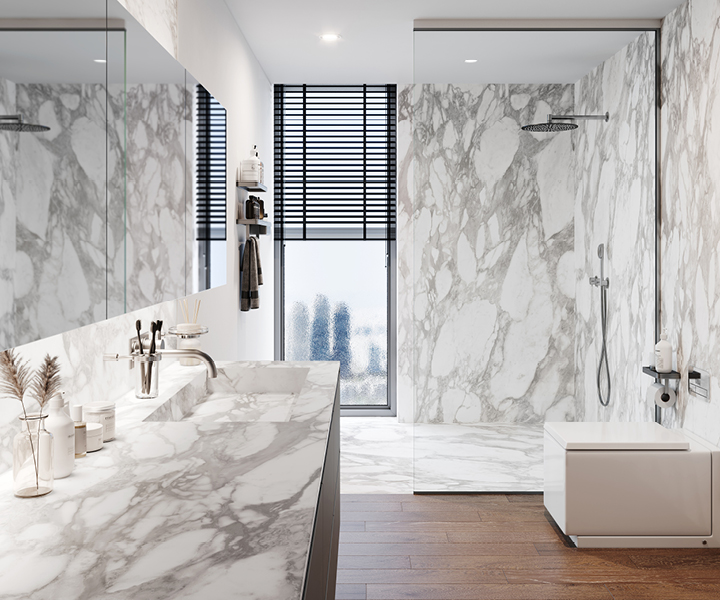
Opt for large-format tiles (12×24 inches or larger) in your shower area to minimize grout lines and reduce cleaning time. For the bath surround, consider solid surface materials like quartz composite that resist stains and require minimal maintenance compared to traditional tile. Ensure all materials have a slip-resistant finish, especially in the shower zone where water exposure is frequent.
Cost consideration: While premium materials may have higher upfront costs, they often save money in the long run through reduced maintenance and replacement needs.
Balance Aesthetics with Practicality
Choose a cohesive color palette that flows between your bath and shower areas to create visual continuity. Lighter tones make small spaces feel larger, while darker accents add depth and sophistication. For shower walls, consider textured finishes that hide water spots better than perfectly smooth surfaces.
Design secret: Incorporate one statement element like a feature wall with decorative tile to draw the eye and create visual interest without overwhelming your compact space.
Final Note: The most successful bath and shower combos prioritize both form and function while addressing your specific spatial constraints. By implementing these practical ideas, you can create a bathroom that serves all your needs without sacrificing style or comfort. Remember to measure your space carefully before beginning any renovation and consult with a professional if structural changes are required. Regular maintenance ensures your bath and shower combo remains beautiful and functional for years to come.
Leave a Reply