Smart Bathroom Solutions: Reviews, Tips & Expert Maintenance Guides

Author: bathroom27 (Page 8 of 23)

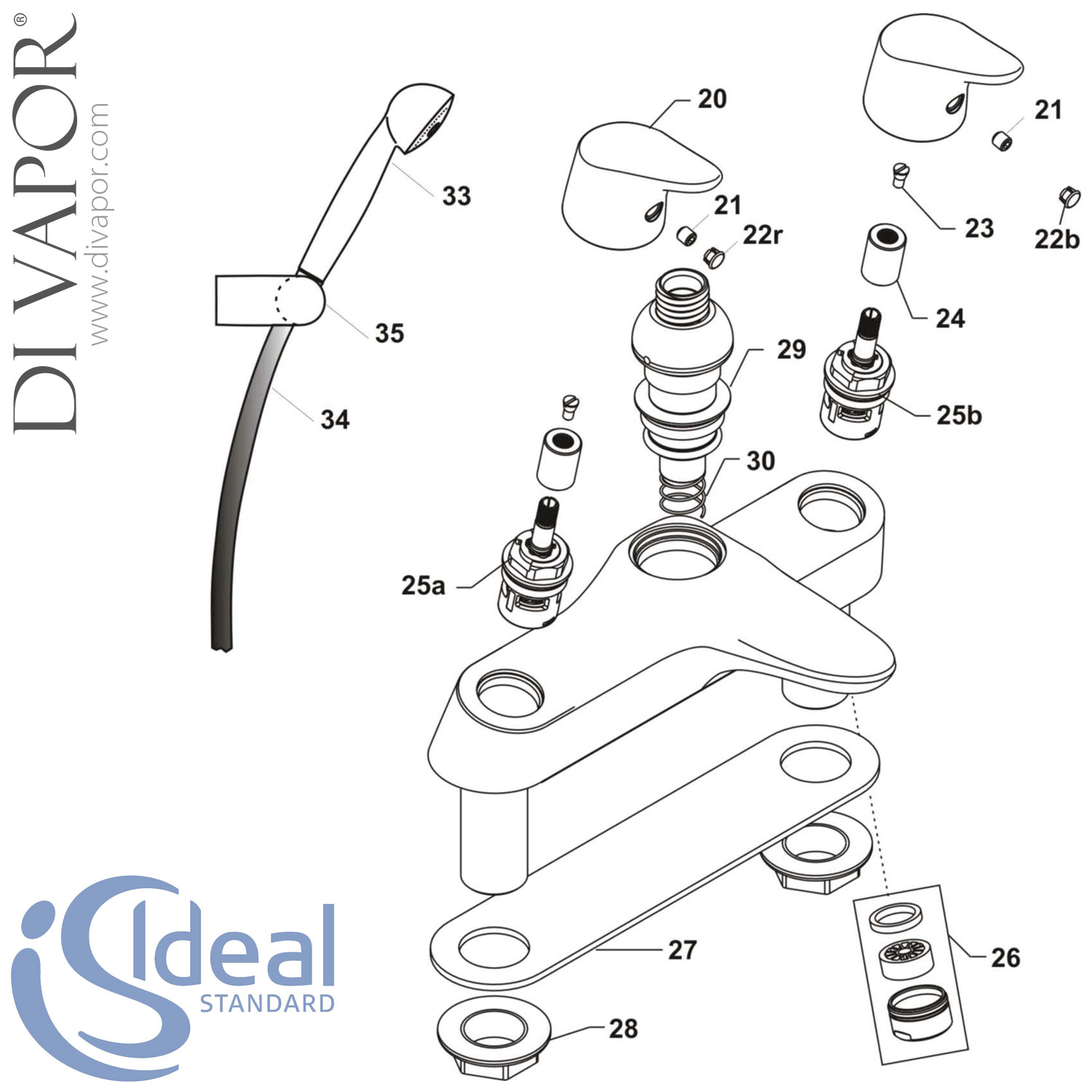
How to Replace Bathtub Faucets – Step-by-Step Guide


Nothing disrupts your daily routine like a leaky bathtub faucet that drips relentlessly or one that won’t turn off completely. When your bathtub faucet starts malfunctioning, replacing it becomes necessary to prevent water damage, reduce wasted water, and restore proper function to your bathing space. Many homeowners hesitate to tackle this project, assuming it requires professional plumbing skills, but with the right approach, you can successfully replace your bathtub faucet yourself. This guide walks you through the entire process from identifying your faucet type to completing the installation, helping you save money while gaining confidence in basic home maintenance.

Determine Your Bathtub Faucet Type Before Starting

bathtub faucet types comparison chart

Before purchasing replacement parts or beginning disassembly, you must identify your specific faucet configuration. Bathtub faucets come in several common types that require different replacement approaches.

Identify Your Specific Faucet Configuration

Most bathtub faucets fall into one of three categories, each requiring different replacement techniques:

  • Three-handle faucets: Separate hot and cold handles with a diverter in the center
  • Two-handle faucets: Hot and cold handles with the spout in between
  • Single-handle faucets: One control for temperature and flow

Examine your existing setup carefully. Notice how the handles operate and where the spout is positioned. The valve assembly behind the wall differs significantly between these types, so proper identification prevents purchasing incorrect replacement parts.

Why Matching Faucet Types Matters for Successful Replacement

Using incompatible replacement parts creates installation problems and potential leaks. The valve body, mounting hardware, and plumbing connections vary between faucet types. For example, converting from a three-handle to a single-handle system requires different rough-in plumbing that may necessitate wall access.

Essential Tools and Materials for Faucet Replacement

bathtub faucet replacement tool kit

Gather These Critical Tools Before Disassembly

Having all necessary tools ready prevents mid-project delays when you discover you’re missing a specific wrench or screwdriver. For most bathtub faucet replacements, you’ll need:

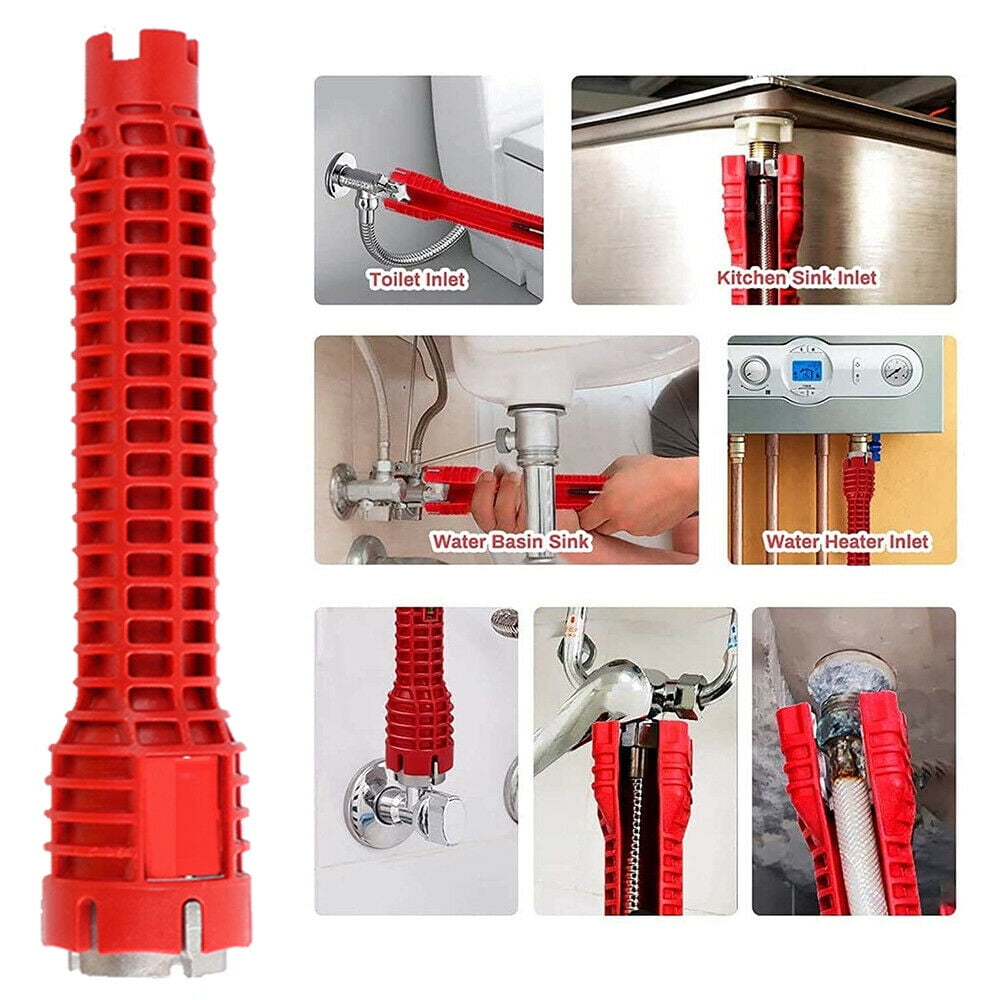
  • Adjustable wrench or basin wrench
  • Screwdrivers (flathead and Phillips)
  • Plumber’s tape (Teflon tape)
  • Plumber’s putty or silicone sealant
  • Bucket and towels for water catchment
  • Safety glasses and work gloves
  • Flashlight for better visibility

Selecting the Correct Replacement Faucet Components

When purchasing your new faucet, ensure compatibility with your existing plumbing:

  • Match the valve type to your current configuration
  • Verify the rough-in dimensions match your wall plumbing
  • Check spout reach to ensure proper water delivery into the tub
  • Confirm handle style and finish match your bathroom aesthetic

Shut Off Water Supply and Prepare Work Area

Locate and Close Main Water Valves Properly

Before touching any plumbing components, shut off the water supply:

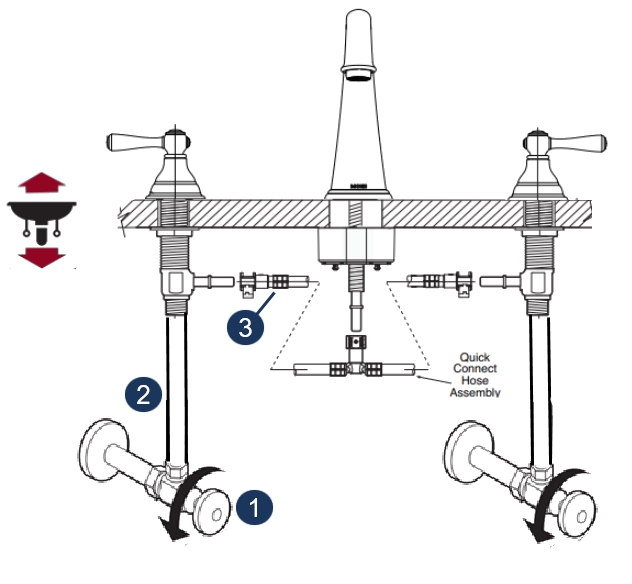
  1. Find your home’s main water shut-off valve, typically in the basement or near your water meter
  2. Turn the valve clockwise until fully closed
  3. Open the lowest faucet in your home to drain remaining water pressure
  4. Open your bathtub faucet to relieve pressure in those lines

Never skip this step—working on plumbing without shutting off water can cause significant flooding and water damage.

Protect Your Bathtub Surface During Replacement

Place towels or a rubber mat in the bottom of your tub to prevent scratches from tools or hardware. Cover nearby surfaces with drop cloths to catch any debris or water that might escape during disassembly.

Remove Existing Bathtub Faucet Components

Disassemble Old Faucet Handles Correctly

Most faucet handles conceal mounting screws beneath decorative caps:

  1. Gently pry off the decorative cap using a flathead screwdriver wrapped in tape
  2. Remove the mounting screw underneath
  3. Carefully wiggle and pull the handle straight up to remove it
  4. If stuck, use penetrating oil and let it sit for 15 minutes before trying again

Warning: Forcing a handle can break internal components, making removal more difficult.

Extract Valve Stems and Trim Components

After removing handles, you’ll access the valve stems:

  1. Unscrew the packing nut with an adjustable wrench
  2. Pull out the valve stem assembly
  3. Remove any remaining trim rings or escutcheons
  4. Clean old putty or sealant from mounting surfaces

Take photos during disassembly to help with reassembly later. Organize removed parts in the order they came off.

Install New Bathtub Faucet Components

Position and Secure New Valve Body Properly

With old components removed:

  1. Apply plumber’s putty or silicone sealant around the mounting flange
  2. Insert the new valve body into position
  3. Secure from behind with mounting nuts, tightening evenly
  4. Ensure the valve is straight and properly aligned before final tightening

Connect New Spout and Diverter Mechanisms

For spout installation:

  1. Apply Teflon tape to threaded connections
  2. Hand-tighten the spout before using a wrench for final tightening
  3. For diverter tub spouts, ensure the diverter mechanism aligns correctly
  4. Test for proper operation before proceeding

Complete Faucet Installation and Test System

Attach Handles and Trim Components Correctly

When installing new handles:

  1. Position handles according to manufacturer instructions
  2. Insert mounting screws and tighten securely but not excessively
  3. Align handles properly before securing decorative caps
  4. Ensure smooth operation through full range of motion

Test for Leaks and Proper Functionality

After completing installation:

  1. Slowly turn water supply back on
  2. Check all connections for leaks under pressure
  3. Test hot and cold water operation
  4. Verify proper water flow through spout and showerhead
  5. Adjust as needed before finalizing installation

Pro Tip: Place a paper towel near each connection point to detect slow leaks that might not be immediately visible.

Troubleshooting Common Faucet Replacement Issues

Fixing Leaks at Connection Points

If you discover leaks after installation:

  • For minor drips, try tightening connections an additional 1/8 turn
  • If leaking continues, disassemble and check for proper Teflon tape application
  • Ensure O-rings are properly seated and undamaged
  • Replace any damaged washers or seals before reassembling

Solving Handle Operation Problems

If handles don’t operate smoothly:

  • Check for proper alignment of valve stem components
  • Ensure mounting hardware isn’t over-tightened
  • Verify internal cartridge or stem assembly is correctly installed
  • Lubricate moving parts with plumber’s grease if recommended

Maintain Your New Bathtub Faucet for Longevity

Regular Cleaning Practices to Prevent Buildup

Extend your faucet’s life by:

  • Wiping down after each use to prevent mineral deposits
  • Using vinegar solution monthly to dissolve hard water buildup
  • Avoiding abrasive cleaners that damage finish
  • Checking for leaks weekly during the first month

Schedule Preventative Maintenance Checks

Establish a maintenance routine:

  • Inspect connections quarterly for signs of moisture
  • Tighten loose handles before they cause damage
  • Replace worn washers at first sign of dripping
  • Consider professional inspection every 2-3 years

When to Call a Professional Plumber Instead

Recognize Complex Situations Beyond DIY

While many faucet replacements are manageable DIY projects, certain scenarios warrant professional help:

  • If you discover significant corrosion in plumbing lines
  • When wall access is required and you’re uncomfortable with drywall repair
  • If your home has older galvanized pipes that may break during disassembly
  • When dealing with specialized or antique faucet configurations

Cost-Benefit Analysis of DIY vs Professional Installation

Consider both time and potential risks:

  • Simple replacements may take 2-4 hours for DIYers
  • Professional installation typically costs $150-$400
  • Factor in potential water damage from mistakes
  • Weigh your skill level against project complexity

Replacing your bathtub faucet yourself can save significant money while giving you valuable home maintenance experience. By following these steps carefully and preparing thoroughly, you’ll successfully complete this project with confidence. Remember to take your time during disassembly and reassembly—rushing leads to mistakes that create more work later. With your new faucet installed, you’ll enjoy reliable performance and the satisfaction of having completed a meaningful home improvement project.
How to Change a Bathtub Spout


Your bathtub spout has started leaking, dripping, or simply looks outdated. That steady “plink, plink” sound keeps you awake at night, and you’ve decided it’s time for a fix. Changing your bath tub spout is one of the most accessible plumbing projects you can tackle yourself—no professional help required in most cases. This straightforward repair typically takes under an hour and costs less than $50 for materials. In this guide, you’ll learn exactly how to change bath tub spout on your own, whether it’s a simple screw-on model or a more complex threaded installation. You’ll discover the right tools for the job, how to identify your spout type, and proven techniques to avoid common mistakes that could turn a quick repair into a flooded bathroom disaster.

Identifying Your Bathtub Spout Type Before Replacement

bathtub spout types screw-on threaded copper comparison

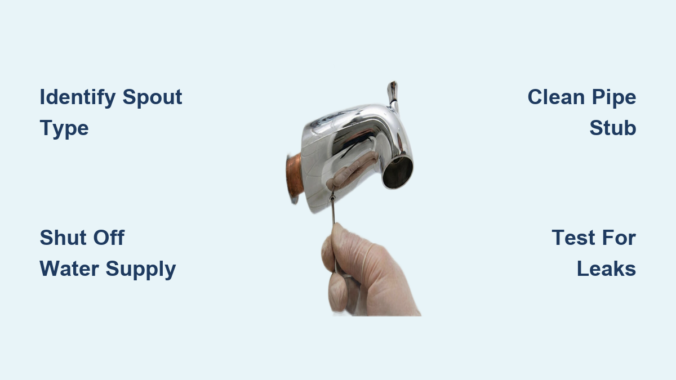
Before you grab any tools, you need to determine exactly what type of spout you’re working with. This critical first step prevents buying the wrong replacement and wasting time on unnecessary disassembly. Most homeowners encounter three primary spout designs in their bathrooms, each requiring different removal techniques.

Screw-On Spouts: The Most Common Type

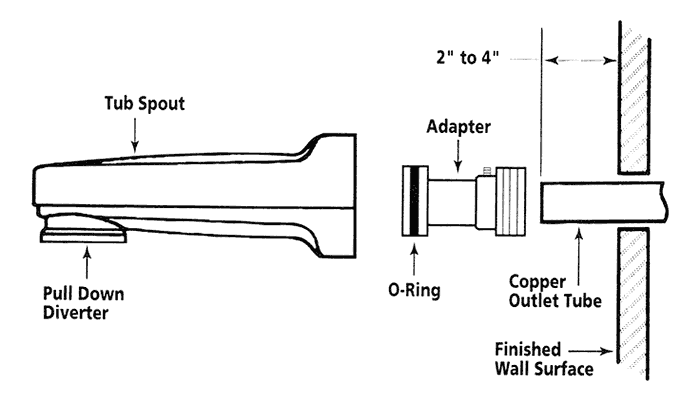
Look for a small setscrew located on the bottom or side of your current spout. If you spot a hex-shaped indentation that requires an Allen wrench to access, you have a screw-on spout—the most prevalent type in modern homes. These attach to a smooth copper pipe extending from your wall and rely entirely on that setscrew for security. When this screw loosens over time (often due to mineral buildup or vibration), your spout begins wobbling or leaking at the wall connection. The good news? These are the easiest to replace, typically requiring just an Allen wrench and about 15 minutes of your time. Don’t confuse the setscrew with decorative caps—some models hide this screw behind a small plastic plug that pops out with a flathead screwdriver.

Threaded Spouts: What to Look For

If your spout has visible threading on the pipe where it connects to the wall, you’re dealing with a threaded model. These screw directly onto corresponding threads in the wall pipe and often lack a visible setscrew. To confirm, try gently rotating the spout counterclockwise—threaded models will unscrew completely with enough force, while screw-on types remain stationary. Threaded spouts were common in older homes and require different replacement techniques. The pipe threading must be properly cleaned and protected with thread seal tape during reinstallation to prevent leaks. Be cautious: excessive force when removing threaded spouts can damage the internal pipe threads, creating a much larger repair job.

Copper Pipe Spouts: Special Considerations

Some installations feature spouts that slip directly over a copper pipe without setscrews or threads. These rely on friction and sometimes internal rubber gaskets to maintain their position. You’ll recognize this type by the completely smooth exterior with no visible fastening mechanisms. Removal typically requires gently working the spout back and forth while pulling outward—a process that can damage the existing unit but won’t affect the replacement. These models are less common today but still appear in certain vintage or specialty installations. When replacing copper pipe spouts, measure the pipe diameter precisely (usually 1/2 inch) to ensure your new spout’s internal sleeve fits snugly.

Essential Tools and Materials Checklist

plumbing tools bathtub spout replacement kit

Must-Have Tools for Spout Replacement

Gather these tools before starting your project to avoid mid-repair trips to the hardware store: adjustable wrench or pipe wrench, Allen wrench set (typically 3/32″ or 1/8″), flathead screwdriver, plumber’s tape (Teflon tape), towel or rag, and safety glasses. For stubborn spouts, add penetrating oil and a rubber mallet to your kit. The Allen wrench size varies by manufacturer—most require 3/32″ but some use 1/8″, so bring both to your hardware store when purchasing your replacement. Professionals recommend wrapping the wrench jaws with electrical tape to prevent scratching your new spout during installation.

Selecting the Right Replacement Spout

Not all spouts fit all pipes—matching your replacement to your existing plumbing is crucial. Bring your old spout to the hardware store if possible, or carefully measure your pipe diameter (standard is 1/2 inch). For screw-on models, verify the setscrew orientation—some face downward while others angle toward the wall. Consider upgrading to a diverter spout if you plan to add a shower attachment later, but note these require additional installation steps. Brass spouts withstand corrosion better than plastic but cost more. Price ranges typically run $15-$50 for basic models, with premium finishes like brushed nickel commanding higher prices. Don’t skip the plumber’s tape—this $2 item prevents 90% of post-installation leaks.

Removing Your Old Bathtub Spout Safely

Step-by-Step Screw-On Spout Removal

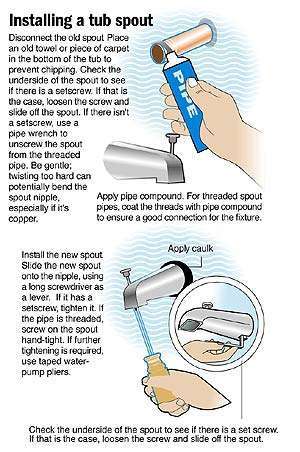
Start by shutting off the main water supply to prevent accidental flooding—don’t rely on just the faucet handles. Locate the setscrew on your spout’s underside and spray penetrating oil if it appears corroded. Insert the correct Allen wrench and turn counterclockwise to loosen (lefty loosey). If the screw won’t budge, apply more penetrating oil and wait 10 minutes before trying again. Once loose, unscrew completely and set aside. Grasp the spout firmly and pull straight toward you with steady pressure—no twisting required for screw-on models. If it resists, wrap a towel around the spout and tap gently with a rubber mallet while pulling. Never use excessive force that could damage the wall pipe.

Troubleshooting Stuck Spouts Without Damage

When your spout refuses to release, try these professional techniques before resorting to brute force. Heat the connection area with a hair dryer for 2-3 minutes—the thermal expansion often breaks the seal. For metal spouts, wrap the connection point with ice packs for 5 minutes to shrink the metal slightly. If corrosion has welded the parts together, use a spout removal tool (available for $10 at hardware stores) that grips the spout body and provides leverage without scratching. As a last resort, carefully cut the old spout off with a tubing cutter, preserving the wall pipe for your new installation. Remember: damaged pipes require professional repair, so proceed cautiously.

Installing Your New Bathtub Spout Correctly

Proper Thread Preparation for Leak-Free Results

Clean the pipe threads thoroughly with a wire brush—any debris here causes leaks. Apply plumber’s tape clockwise around the threads (2-3 wraps), stretching slightly as you go to activate the adhesive backing. The tape should cover all threads but not extend beyond the pipe end. For screw-on models, ensure the pipe is straight and undamaged—bent pipes prevent proper seating. If replacing a copper pipe spout, apply pipe joint compound to the pipe end for better grip. Many DIYers make the critical mistake of using too much tape; excess tape squeezes out during installation and creates gaps in the seal. The tape should be visible but not bulging when compressed.

Securing Your New Spout Without Overtightening

Hand-tighten threaded spouts first before using a wrench—this ensures proper alignment. For screw-on models, slide the spout onto the pipe until fully seated, then insert and tighten the setscrew. Use moderate force—overtightening cracks plastic components or strips metal threads. Test for rotation by gently trying to turn the spout; it should remain stationary. Wipe away any excess plumber’s tape squeezed from the connection. Turn water back on slowly while watching for leaks at the wall connection. If dripping occurs, tighten incrementally (1/8 turn at a time) until leaks stop—most leaks stem from insufficient tightening rather than overtightening. Allow 15 minutes for the seal to fully set before regular use.

Common Mistakes That Cause Post-Installation Leaks

Incorrect Plumber’s Tape Application Errors

The most frequent post-installation leak stems from improper Teflon tape application. Wrapping tape counterclockwise (opposite direction of threading) causes it to unravel during installation. Using too few wraps creates incomplete seals, while excessive layers prevent proper seating. Never stretch tape to the point of transparency—this compromises its sealing ability. For tapered pipe threads, cover only the threaded portion, not the smooth pipe section. Some plumbers recommend yellow gas-line tape for water applications—it’s thicker and seals better than standard white tape. If your new spout leaks immediately after installation, the tape job is almost certainly the culprit.

Alignment Issues During Installation

A misaligned spout not only looks unprofessional but creates stress points that lead to premature failure. Before final tightening, verify your spout points directly toward the tub (not angled up, down, or sideways). Most models allow slight rotation during the final hand-tightening phase to achieve perfect positioning. Use a level against the spout face to confirm horizontal alignment—this small detail makes a huge visual difference. For diverter spouts, ensure the lever operates smoothly before final tightening. Rushing this step means living with a crooked spout or redoing the entire installation when leaks develop from uneven pressure on the seal.

Maintaining Your New Bathtub Spout Long-Term

Prevent future leaks by wiping down your spout after each use to minimize mineral buildup. Every six months, remove the aerator (if present) and soak in vinegar to dissolve hard water deposits. Check the setscrew annually for tightness—re-tighten if necessary but avoid over-torquing. For threaded models, reapply plumber’s tape every 2-3 years during routine maintenance. Never use abrasive cleaners on chrome or nickel finishes, as scratched surfaces accelerate corrosion. If you notice minor dripping, address it immediately rather than waiting—small leaks often indicate developing problems that worsen quickly. With proper care, your new bath tub spout should provide reliable service for 10-15 years before needing replacement.

Replacing your bath tub spout yourself saves hundreds compared to calling a plumber and gives you valuable DIY experience for future projects. By correctly identifying your spout type, using the right tools, and avoiding common installation mistakes, you’ll complete this repair confidently and correctly the first time. Remember that proper thread preparation and moderate tightening pressure make the difference between a lasting repair and a recurring leak. Now that your spout replacement is complete, consider tackling other bathroom upgrades like faucet cartridges or showerheads—each project builds your home maintenance skills. With your new knowledge, you’ve transformed from a homeowner at the mercy of plumbing problems to someone who confidently handles repairs that keep your bathroom functioning perfectly.

How to Change a Bath Spout


Your bath spout has started leaking, or perhaps you’re renovating your bathroom and need to update that outdated fixture. Whatever the reason, changing a bath spout ranks among the most accessible plumbing projects you can tackle yourself—requiring only basic tools and typically taking under an hour to complete. Unlike complex faucet repairs that involve intricate internal mechanisms, most bath spout replacements connect through simple slip-on or threaded connections that even novice DIYers can handle successfully. The water supply usually shuts off at the fixture level, eliminating the need to drain your entire plumbing system. By following this guide, you’ll gain the confidence to replace your bath spout without calling a plumber, saving both time and money while improving your bathroom’s functionality and appearance.

Before grabbing your tools, understand that approximately 70% of residential bath spouts use slip-on connections, making them the most beginner-friendly option for replacement. Threaded connections account for most remaining installations, with diverter spouts (which redirect water to your shower) representing a specialized subset. The key to success lies in correctly identifying your spout type before purchasing a replacement, as mismatched fixtures lead to frustrating installation failures. This guide walks you through every critical step—from identification and preparation to installation and troubleshooting common problems—ensuring your bath spout replacement project succeeds on the first attempt.

Identify Your Exact Bath Spout Type Before Buying Replacement

bath spout types slip-on threaded diverter diagram

Selecting the wrong replacement spout creates immediate installation problems, so take five minutes to determine your specific connection type before heading to the store. Your spout’s attachment method dictates everything from tool requirements to installation technique, and confusing slip-on with threaded connections is the most common DIY mistake in bath spout replacement.

Spot Slip-On Spouts by Finding the Hidden Set Screw

Slip-on spouts dominate modern bathrooms with their simple design: a hollow tube that slides onto a copper pipe stubbing from your wall, secured by a set screw underneath the spout body. To confirm you have this type, look for a small screw hole on the spout’s underside where it meets the wall—often requiring a mirror for visibility. When you find it, that tiny set screw is your key to removal; loosen it counterclockwise and the spout should slide right off. Most slip-on spouts require at least one inch of exposed copper pipe for proper installation, so measure your pipe stub before purchasing a replacement.

Recognize Threaded Spouts by Their Hexagonal Grip Points

Threaded spouts attach directly to male-threaded nipples in your plumbing system, featuring female threads inside the spout inlet that screw onto matching pipe threads. Identify this type by the hex-shaped section near the spout base—designed specifically for wrench grip—or by observing if the spout unscrews rather than slides off. Threaded connections commonly appear in homes with galvanized steel or brass plumbing, particularly in older constructions. When replacing threaded spouts, always apply fresh PTFE tape to the threads to prevent leaks, wrapping clockwise with three to five complete layers before installation.

Verify If You Have a Diverter Spout Before Removal

Diverter spouts contain an internal valve that redirects water from your tub to shower when activated, featuring a distinctive operating lever or knob on the spout body. If your bathtub includes a shower function controlled by a lever directly on the spout itself, you’re working with a diverter model that requires special attention during replacement. Before removing the spout body, always detach the operating lever first—typically secured by a small screw or clip—to avoid losing internal components like washers or springs. When purchasing a replacement, ensure the new diverter spout matches your existing model’s internal mechanism, as incompatibilities prevent proper water redirection.

Gather These 6 Essential Tools Before Starting Your Project

Having the right tools ready prevents mid-project frustration and ensures you complete your bath spout replacement efficiently. Most households already own several of these items, and the remaining tools cost less than $20 at any hardware store while serving countless future household projects.

Must-have tools for bath spout replacement:
– 10-inch adjustable wrench (for threaded connections)
– Screwdriver set (Phillips and flathead for set screws)
– Hex key set (for Allen-type set screws)
– Plumber’s putty (for sealing slip-on spout bases)
– PTFE tape (for threaded connections)
– Sandpaper (150-220 grit for pipe cleaning)

Pro tip: Keep a small bucket and towels nearby to catch water that may spill during removal—most pipes retain residual water even after shutoff. A flashlight or headlamp also proves invaluable for seeing connection points clearly, especially in poorly lit bathrooms.

Shut Off Water Supply Correctly to Prevent Floods

Improper water shutoff causes 80% of DIY plumbing disasters, so take time to verify your water is completely off before removing the old spout. Most bathrooms feature shutoff valves under the adjacent sink, in a nearby closet, or behind an access panel near the tub.

Locate and Test All Relevant Shutoff Valves

Begin by closing the main bathroom shutoff valves completely, then open both hot and cold faucet handles to release pressure and drain remaining water from the pipes. For bathtub-only replacements, check for dedicated shutoff valves behind an access panel—often hidden behind the fixture or within a neighboring vanity. After closing all valves, test by turning on the tub faucet; no water should flow. If you detect dripping, locate and close the main house shutoff valve before proceeding.

Critical warning: Never assume shutoff valves work properly—always verify water is off before removing plumbing fixtures. A single missed valve can release gallons of water into your walls within minutes.

Remove Your Old Bath Spout Without Damaging Pipes

With water confirmed off and tools ready, begin removal using the technique specific to your spout type. Rushing this step often damages pipes or walls, creating problems far worse than your original leak.

Remove Slip-On Spouts by Loosening the Set Screw First

Locate the set screw on your slip-on spout’s underside using a mirror if necessary. Apply penetrating oil if the screw resists turning, waiting 15 minutes before attempting again. Once loose, gently twist and pull the spout outward—never force it, as excessive pressure can crack pipes. After removal, clean the copper pipe stub with sandpaper until bright metal appears, ensuring optimal contact with your new spout.

Unscrew Threaded Spouts While Protecting Internal Pipes

Threaded spout removal requires special care: always secure the threaded nipple with a second wrench while turning the spout counterclockwise. Failing to brace the nipple can twist pipes inside your walls, causing catastrophic leaks. Apply steady, even pressure rather than jerking motions, and wrap old towels around the connection point to catch debris during removal.

Install Your New Bath Spout in 4 Critical Steps

bath spout installation steps diagram plumber's putty PTFE tape

Proper installation prevents future leaks and ensures years of reliable service. Rushing this phase creates problems that often require complete reinstallation.

Prepare the Pipe Stub for Optimal Seal Formation

Whether installing slip-on or threaded spouts, begin with a clean, smooth pipe surface. For slip-on connections, sand the copper stub until shiny and free of burrs, then wipe clean with a dry cloth. For threaded connections, remove all old PTFE tape and inspect threads for damage—replace the nipple if threads appear stripped or corroded.

Apply Sealant Correctly Based on Connection Type

Slip-on spouts: Roll plumber’s putty into a thin rope and apply around the spout base where it meets the wall. Slide the spout fully onto the pipe before tightening the set screw.

Threaded spouts: Wrap PTFE tape clockwise around nipple threads (3-5 layers), then hand-tighten the spout before applying final 1/2 turn with a wrench. Never overtighten—this cracks spout bodies and strips threads.

Verify Proper Alignment Before Final Tightening

With the spout partially secured, check its orientation: the outlet should point downward at a slight angle for optimal water flow into the tub. Adjust positioning before final tightening, as correcting alignment after full installation often requires complete disassembly.

Test for Leaks Before Calling the Job Complete

Turn water supply back on slowly while watching the connection point. Check for drips at both the pipe connection and wall interface. For diverter spouts, operate the lever multiple times to confirm proper water redirection between tub and shower. Address any leaks immediately by tightening connections incrementally—never force connections beyond snug tightness.

Fix These 3 Common Installation Problems Immediately

Even careful installations sometimes develop issues—knowing how to address them prevents water damage and avoids starting over.

Spout Won’t Seat Fully Against the Wall

This usually means your pipe stub isn’t long enough (minimum 1 inch required) or contains debris. Clean the pipe thoroughly with sandpaper, and if still too short, install a pipe sleeve extender before proceeding with installation.

Set Screw Won’t Tighten or Keeps Loosening

Stripped threads cause most set screw problems. Replace the screw first; if that fails, install a helicoil insert to restore thread integrity. For recurring loosening, apply thread-locking compound to the screw before installation.

Diverter Mechanism Fails to Redirect Water

Mineral deposits often prevent proper diverter function. Remove the mechanism and soak components in white vinegar for 30 minutes to dissolve buildup. Replace any cracked or hardened rubber seals before reassembly.

Choose the Right Replacement Spout for Your Tub Configuration

Selecting inappropriate length or finish creates functional and aesthetic problems down the road. Measure your tub depth and existing pipe projection before purchasing.

Spout length guide:
3-4 inches: Deep recessed tubs (water surface close to wall)
5-6 inches: Standard alcove tubs (most common)
7-8 inches: Deep soaking or clawfoot tubs
9+ inches: Oversized tubs with distant edges

Finish considerations: Chrome shows water spots but cleans easily; brushed nickel hides spots better; matte black offers modern appeal but shows scratches; oil-rubbed bronze provides traditional warmth but requires special cleaners.

Maintain Your New Bath Spout for Long-Term Reliability

Proper maintenance extends spout life and prevents premature replacement. Clean weekly with mild soap and water, avoiding abrasive cleaners that damage finishes. Annually inspect seals and connections for wear, replacing rubber components at first sign of cracking. For hard water areas, soak mineral deposits with vinegar weekly to prevent buildup that affects performance.

When changing bath spout fixtures, remember that most installations succeed with proper preparation and patience. If you encounter persistent leaks after multiple attempts or need to modify plumbing pipes, consult a professional plumber—some situations exceed DIY capabilities. But for the vast majority of homeowners, this guide provides everything needed to complete a successful bath spout replacement that enhances both function and appearance of your bathroom.

How to Fix Bath Shower Mixer Tap Issues


Is your bath shower mixer tap leaking, dripping, or failing to deliver the right water temperature? Don’t panic—most common mixer tap problems can be fixed with basic tools and a bit of know-how. Repairing these essential bathroom fixtures saves you hundreds in plumber fees while preventing water waste and potential damage to your bathroom. This guide shows you exactly how to diagnose and fix the most frequent mixer tap issues using proven DIY techniques that deliver professional results.

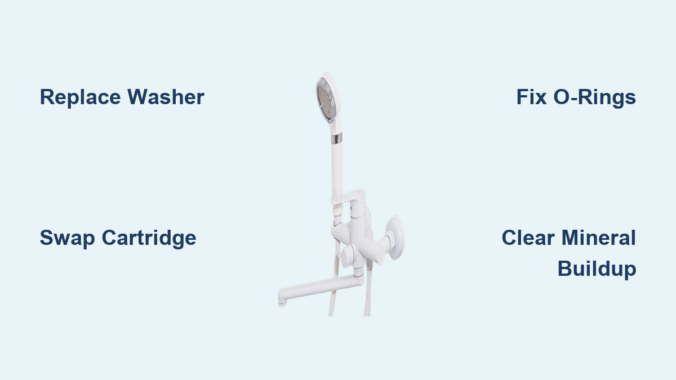
Identify Your Mixer Tap Type Before Repairing

The first crucial step in fixing any bath shower mixer tap is determining which type you’re working with. Your repair approach depends entirely on this identification, as different mechanisms require specific solutions.

Exposed mixer taps feature visible handles and stems mounted directly onto your bath rim or wall tiles. These are the simplest to repair since all components are accessible without removing wall panels or accessing hidden plumbing. They typically use either compression valves with rubber washers or ceramic cartridges.

Concealed mixer taps hide plumbing behind walls with only the handle and spout visible. While sleeker in appearance, these require locating and removing access panels before you can reach internal components. Mistaking a concealed unit for an exposed one leads to unnecessary wall damage during repair attempts.

Diverter mixer taps include a mechanism that redirects water between your bath spout and showerhead. The diverter valve—whether push-button, lever, or rotary style—is a common failure point requiring specialized attention separate from standard mixer repairs.

Fix Dripping Taps with Washer Replacement

bath shower mixer tap washer replacement diagram

A dripping bath shower mixer tap wastes thousands of gallons annually and signals worn internal components. The most common culprit is a degraded rubber washer in compression-style taps.

Locate and replace the faulty washer by first shutting off water supplies beneath your bath. Remove the decorative handle cap, unscrew the handle, then extract the spindle assembly. The washer sits at the base, secured by a small brass screw. Note its exact size and thickness before purchasing an identical replacement.

Clean the valve seat where the washer presses against the brass surface. A pitted or uneven seat prevents proper sealing even with new washers. For minor imperfections, use a valve seat dresser tool to restore a smooth surface; severe damage requires professional replacement.

Install the new washer with plumber’s grease on the brass screw threads. This lubrication prevents future seizing and makes component removal easier during the next maintenance cycle. Reassemble in reverse order and test for leaks before considering the repair complete.

Replace Cartridges in Modern Mixer Taps

Most contemporary bath shower mixer taps use ceramic disc cartridges instead of traditional washers. When these fail, you’ll notice stiff handle operation, temperature fluctuations, or persistent leaks that washer replacement won’t fix.

Remove the cartridge retaining nut using an adjustable wrench or specialized cartridge puller. These nuts often have hex-shaped exteriors but some require pin-style tools that fit into small holes on the nut’s face. Apply penetrating oil if the nut resists movement.

Extract the old cartridge carefully using needle-nose pliers gripping the central stem. Some cartridges require slight twisting to release from housing detents—work slowly to avoid breaking the ceramic components. Take the old cartridge to your hardware store for exact matching before purchasing replacements.

Clean the cartridge housing thoroughly with vinegar-soaked cloths to dissolve mineral deposits. These buildups prevent proper seating of the new cartridge and cause premature failure. Rinse completely before installing the replacement.

Repair Leaking Handle Bases Immediately

mixer tap handle O-ring replacement illustration

Water seeping from around your mixer tap handle base indicates failing O-rings or stem seals. Left unaddressed, this moisture penetrates bath surrounds and causes costly structural damage.

Replace stem seals by disassembling the handle assembly as described in previous sections. Focus on the O-rings surrounding the valve stem—these rubber rings degrade over time from heat exposure and mineral deposits.

Select correct replacement O-rings by matching the old rings’ inner diameter, cross-section thickness, and material. Silicone O-rings outperform rubber in hot water applications and resist deterioration longer. Coat new rings with plumber’s grease before installation to ease seating and extend lifespan.

Tighten handle assemblies properly—overtightening cracks ceramic components while undertightening allows leaks. Hand-tighten plus a quarter-turn with tools provides the ideal balance. Test for leaks by running water at maximum pressure before reattaching decorative caps.

Clear Mineral Buildup from Internal Components

Hard water mineral deposits cause stiffness, reduced flow, and premature wear in bath shower mixer taps. Regular descaling prevents these issues and extends your tap’s operational life.

Create an effective descaling solution using equal parts white vinegar and warm water. For severe buildup, use full-strength vinegar but limit plastic component exposure to 30 minutes to prevent material degradation.

Soak disassembled parts overnight for heavily calcified components. Pay special attention to the mixing chamber where hot and cold water combine—this area accumulates the most mineral deposits affecting temperature control.

Scrub internal passages with pipe cleaners or small brushes, working carefully to avoid damaging seals. Use compressed air to blow out debris from narrow channels after brushing. Rinse all components thoroughly until no vinegar odor remains.

Fix Diverter Valve Problems in Shower Mixers

Bath shower mixer taps with integrated showers require functional diverters to redirect water flow. When these fail, water continues flowing from the bath spout instead of the showerhead.

Diagnose your diverter type before disassembly. Push-button diverters use a spring-loaded plunger, lever diverters rotate a valve mechanism, and rotary diverters align internal channels through knob rotation. Each requires specific repair approaches.

Replace diverter seals using manufacturer-specific kits. Universal kits exist but require careful comparison of seal shapes and sizes—improperly fitting seals cause immediate leaks. Take photos during disassembly to ensure correct reassembly orientation.

Clean diverter internals with vinegar solution to dissolve mineral deposits restricting movement. Test manual operation frequently during reassembly to verify smooth movement before final tightening. Apply plumber’s grease to all moving parts to prevent future sticking.

Test Your Repairs Before Final Assembly

Never skip the testing phase—many DIY repairs fail because homeowners reassemble components before verifying proper function.

Restore water supply gradually after completing internal repairs. Open isolation valves slowly to prevent water hammer that can damage new seals. Keep supplies open for several minutes to flush debris from the system.

Operate the tap through complete temperature ranges checking for smooth transitions between hot and cold. Verify consistent water pressure and absence of leaks at all connection points. Test the shower diverter multiple times if your unit includes this feature.

Adjust temperature stops if your mixer tap has anti-scald protection. Many units include adjustable limiters preventing the handle from rotating too far into the hot position. Set this limit to prevent accidental scalding before finalizing handle position.

Prevent Future Mixer Tap Problems

Regular maintenance extends your bath shower mixer tap’s lifespan and prevents costly repairs down the line.

Operate taps gently—avoid forcing handles past their stop points or using excessive pressure when closing. Forceful operation damages internal seals and accelerates wear.

Address minor drips immediately—a small drip today becomes a major leak tomorrow. Early intervention prevents water damage and reduces repair costs significantly.

Flush supply lines periodically by running both hot and cold water for several minutes. This clears sediment that deposits within tap mechanisms, especially important after plumbing work or water supply interruptions.

Install a water softener if your area has hard water. Softened water dramatically reduces mineral deposits within tap mechanisms, extending component life by years. The investment often pays for itself in reduced repair costs.

When to Call a Professional Plumber

Some mixer tap issues exceed DIY capabilities and require professional intervention.

No isolation valves present means your repair requires main water shutoff—a task better handled by professionals with proper equipment. Attempting repairs without local shutoffs risks extensive water damage.

Persistent leaks after proper repair suggest incorrect diagnosis, hidden damage, or installation issues requiring specialized knowledge. Multiple failed repair attempts often compound the original problem.

Pipe corrosion or leaks discovered during repair indicate systemic plumbing problems requiring professional assessment. Corroded supply lines often fail completely during maintenance attempts.

Concealed mixer taps with electronic controls or thermostatic mixing valves require manufacturer-specific training that most homeowners lack. When in doubt, consult a professional plumber before causing further damage.

By following these systematic repair approaches, you can confidently tackle most bath shower mixer tap problems. Remember that 80% of common issues stem from worn washers, degraded O-rings, or mineral buildup—all fixable with basic tools and careful attention to detail. Regular maintenance and prompt attention to developing issues keep your mixer taps performing reliably for years to come, saving you money while ensuring your bathroom functions as it should.

How to Fix Leaking Bath Tap


That persistent drip from your bath tap isn’t just an irritating nighttime soundtrack—it’s literally draining your finances with wasted water and potentially causing hidden damage to your bathroom. A single dripping tap can waste over 15 liters of water daily, significantly increasing your utility bills while risking water damage to surrounding surfaces. The good news is most bath tap leaks can be repaired in under an hour with basic tools you likely already own. This guide provides the exact steps to diagnose your specific leak type, identify your tap mechanism, and complete the repair yourself—potentially saving hundreds of dollars in plumber fees while giving you the satisfaction of solving the problem at its source.

Ignoring a leaking bath tap allows minor issues to escalate into major problems. What begins as a simple washer failure can progress to corroded valve seats or damaged cartridges, eventually requiring complete fixture replacement. Most leaks originate from predictable component failures: rubber washers degrade from constant water exposure, valve seats develop pits from mineral deposits, O-rings lose elasticity from repeated use, and cartridges develop internal seal failures. By understanding where and why your tap leaks, you can apply the precise solution without unnecessary disassembly or wasted effort. Whether your tap drips from the spout when off, leaks around the handle during use, or shows moisture at its base, this guide delivers the targeted repair approach you need.

Pinpoint Exactly Where Your Bath Tap Leaks

bath tap leak diagram types

Before gathering tools, you must identify the leak’s origin point and pattern—this diagnostic step determines your repair approach and prevents wasted effort on the wrong components.

Spout Drips During Water Flow: When water trickles from the spout even while the tap is fully open, this indicates internal seal failure. Compression taps develop this symptom when rubber washers can’t create a complete seal against the valve seat, while cartridge and ceramic disc taps show the same behavior when their internal seals deteriorate. This leak pattern typically worsens gradually as the sealing surface continues to degrade with each use.

Persistent Dripping When Tap Is Off: Water continuing to drip from the spout after you’ve turned the tap completely off signals incomplete closure of the internal mechanism. In compression taps, this almost always means the rubber washer has worn thin or hardened, while cartridge taps exhibit the same issue when their internal seals develop cracks or deformations. The drip rate often increases as the problem progresses, moving from occasional drips to a steady stream.

Handle Area Leaks: Water pooling around the handle base or running down the spout when operating the tap points to O-ring failure or loose handle connections. This type of leak typically appears as moisture near the handle mounting point and increases with each use as the connection gradually loosens. You’ll often notice water beading around the handle stem when turning the tap on or off.

Base Leaks at Mounting Point: Moisture appearing where the tap body meets the bathtub surface or mounting deck indicates failed supply line connections, degraded mounting seals, or improper installation. Base leaks sometimes create visible water stains on the tub surface beneath the tap and can lead to more serious water damage if left unaddressed. These leaks often worsen when water pressure increases elsewhere in the home.

Intermittent Dripping Patterns: Drips that start and stop unpredictably often relate to household water pressure fluctuations rather than mechanical failure. If your tap begins dripping precisely when other fixtures run (like the washing machine or toilet refill), pressure variations—not tap damage—may be the primary cause. This pattern requires different solutions than component replacement.

Determine Your Bath Tap Mechanism Type

bath tap mechanism types comparison chart compression cartridge ceramic ball

Different tap designs require completely different repair approaches—using the wrong parts or techniques can damage your fixture. Most residential bath taps fall into four distinct categories, each with unique internal mechanisms that dictate your repair strategy.

Compression Taps: The oldest and most straightforward design features separate hot and cold handles that compress rubber washers against metal valve seats to stop water flow. These are most common in homes built before the 1990s and are the easiest to repair. You can identify them by the visible washer seat when you remove the handle and by the need to apply noticeable pressure when turning them on or off.

Cartridge Taps: Modern single-handle designs use a cylindrical cartridge containing multiple ports that control both water flow and temperature mixing. Cartridge taps operate with smooth quarter-turn motion and require minimal force. The identifying feature is a plastic or brass cartridge visible after handle removal—these often require specific replacement cartridges matched exactly to your tap model.

Ceramic Disc Taps: High-end fixtures use stacked ceramic discs that slide against each other to control water flow. These extremely durable designs rarely leak unless debris damages the precision-machined surfaces. They feature a wide cylindrical body and typically have a single disc assembly inside that requires careful alignment during reassembly.

Ball Taps: Single-handle designs using a spherical ball with slots to control water flow and temperature. Common in budget fixtures from the 1970s-1990s, these can be identified by the plastic or metal ball visible inside the handle mechanism. They require specific replacement springs, cams, and seats for proper repair.

Gather Essential Repair Tools and Materials

Proper preparation prevents frustrating mid-repair trips to the hardware store. Collect these tools before starting and ensure you have the correct replacement parts for your specific tap mechanism.

Critical Tools Checklist: An adjustable wrench handles most fastener sizes without scratching chrome finishes. A set of screwdrivers—both flathead and Phillips—removes handle caps and internal screws. Needle-nose pliers grip small retaining clips without damage. Keep a rag nearby to protect surfaces from tool marks and catch small parts. A flashlight illuminates internal components during disassembly.

Required Materials: Plumber’s grease lubricates O-rings and seals for smooth operation. Plumber’s tape (Teflon tape) creates watertight seals on threaded connections. Replacement washers in assorted sizes fit compression taps. Exact-match replacement cartridges are essential for cartridge taps. Cleaning cloths remove mineral deposits without scratching surfaces.

Preparation Protocol: Turn off water supplies at the shutoff valves beneath your bath—test by briefly opening the tap to confirm water stops flowing. Place a rag in the drain opening to catch dropped components. Photograph each disassembly step with your phone—this visual reference proves invaluable during reassembly. Organize removed parts in the order of removal to simplify reassembly.

Repair Compression Tap Spout Leaks

Compression taps develop leaks primarily through washer failure—this straightforward repair suits most DIY beginners and costs mere pennies in replacement parts.

Disassembly Sequence: Remove the decorative handle cap using a flathead screwdriver, exposing the handle screw beneath. Unscrew and carefully pull off the handle assembly. Use an adjustable wrench to grip the brass valve stem hex and rotate counterclockwise to remove it. At the stem’s bottom, you’ll find the rubber washer secured by a small brass screw.

Washer Replacement Process: Examine the old washer for wear patterns, cracking, or deformation. Note its exact diameter and thickness—standard flat washers work for most applications, but some taps require conical washers. Replace using the retaining screw, ensuring the new washer seats flush against its mating surface. If the valve seat shows pitting or corrosion, use a reseating tool to smooth the surface—this step often eliminates persistent drips.

Reassembly Verification: Thread the valve stem back into the body, tightening firmly but avoiding overtightening. Replace the handle assembly and test operation. Turn water supplies on gradually while watching for leaks as pressure builds. A slight weep initially may clear as the new washer seats itself during the first few uses—persistent dripping indicates improper seating or an incomplete seal.

Replace Cartridge in Single-Handle Taps

Cartridge replacement eliminates leaks in modern single-handle mixers. Cartridges wear uniformly, so replacement restores like-new function without adjustment.

Cartridge Extraction: After shutting off water and removing the handle, locate the retaining clip or nut securing the cartridge. Some manufacturers use a brass retaining clip that pulls out with needle-nose pliers, while others use a threaded retaining nut. With the retainer removed, grasp the cartridge body and pull straight outward—some force may be necessary if mineral deposits have locked it in place.

Precision Installation: Take the old cartridge to your hardware store for exact matching—cartridge designs vary significantly between manufacturers. Clean the valve body interior with a cloth to remove debris or mineral buildup. Apply plumber’s grease to new O-rings to ensure smooth operation and extended service life.

Final Testing: Insert the new cartridge, ensuring alignment tabs or notches match their receptacles. Push firmly until it seats completely. Replace the retaining clip or nut, tighten appropriately, and reattach the handle. Test hot and cold operation through the full range of motion, checking for leaks at all positions and flow rates.

Address Handle and Base Leaks

Leaks around the handle or at the tap base require different solutions than spout drips. These locations typically indicate seal failures at connection points rather than internal mechanism issues.

Handle Leak Resolution: Remove the handle to access the O-ring or packing seal surrounding the stem. Worn or compressed O-rings allow water to escape along the shaft. Replace with an identical size, applying plumber’s grease to ease installation. If your tap uses a packing nut with braided packing, replace the packing material or upgrade to modern O-ring seals for longer service life.

Base Leak Correction: Base leaks suggest failed inlet seals or mounting hardware issues. For deck-mounted taps, remove the faucet body to access mounting nuts and seals. Replace degraded rubber gaskets with new ones of identical thickness. For wall-mounted taps, base leaks may indicate supply line problems requiring plumbing access—tightening mounting nuts often resolves minor seeps, but corroded mounting surfaces require complete resealing.

Prevent Future Leaks Through Proactive Maintenance

Regular maintenance extends tap life and prevents unexpected leaks. Implementing simple habits saves money and inconvenience over your fixture’s lifespan.

Monthly Inspection Routine: Check for drips around handles and at the spout base. Operate handles through full range of motion, listening for grinding or stiffness. Tighten loose handle screws before they cause complete failure—most handle leaks begin with minor looseness that worsens over time.

Quarterly Cleaning Sessions: Remove mineral deposits around faucet aerators and handle bases using white vinegar soaks that dissolve buildup without damaging finishes. Clean valve seats in compression taps annually to prevent pitting and corrosion that accelerates washer wear.

Proper Operation Techniques: Avoid overtightening handles—this accelerates washer and seal wear more than any other factor. Turn taps fully off but don’t force them past their stop point. Teach household members proper operation techniques to extend your fixture’s service life.

A leaking bath tap won’t fix itself—and waiting only compounds water waste and potential damage. With basic tools, minimal parts investment, and the systematic approach outlined above, most homeowners successfully complete this repair in under two hours. The satisfaction of restoring function while saving plumber fees makes this a rewarding DIY project with immediate practical benefits and long-term cost savings.

How to Replace Bath Tap Washer: Quick Fix Guide


That persistent drip… drip… drip from your bath tap isn’t just annoying—it’s wasting over 15,000 liters of water annually and could signal imminent failure. When your bath tap leaks steadily after shutdown, the culprit is almost always a worn-out rubber washer. The good news? Replacing a bath tap washer takes under 30 minutes with basic tools and costs less than $5. You don’t need plumbing expertise—just systematic execution. This guide cuts through confusing tutorials to deliver foolproof steps for compression-style bath taps (the most common type in homes built before 2010). By the end, you’ll fix leaks permanently, avoid common pitfalls that cause rework, and recognize when a washer replacement isn’t enough.

Shutting Off Water: Avoid Catastrophic Floods

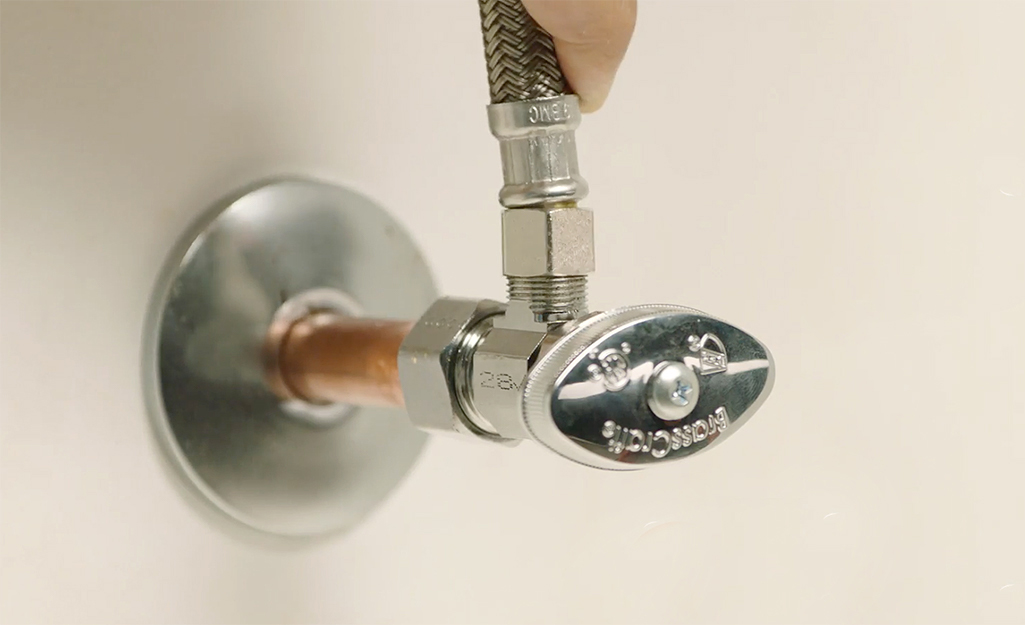
bathroom sink isolation valves close up

Skipping this step risks flooding your bathroom and damaging ceilings below. Most homes have isolation valves under the bath—small chrome levers near the tap tails. Turn both hot and cold valves clockwise until tight. No isolation valves? Locate your main stopcock (usually under kitchen sink or basement) and shut it off. Critical test: Open the tap fully after shutting valves—water should stop flowing within 5 seconds. If not, double-check valve positions. Place a towel in the bath to catch residual drips during disassembly. Never skip this verification—70% of DIY flood calls happen because DIYers assumed valves were closed.

What If Water Still Drips After Shutting Valves?

  • Isolation valve leak: Tighten the valve’s gland nut with adjustable pliers (¼ turn max)
  • No isolation valves: Drain pipes by opening lowest tap in house (e.g., basement sink)
  • Mains pressure issue: Shut main stopcock immediately and call a plumber

Essential Tools for Flawless Washer Replacement

plumbing tool kit bath tap repair

Using improper tools cracks tap bodies or strips screws. You need exactly these 6 items:

  • Adjustable spanner (10-inch): For tap nuts (not grips—causes slippage)
  • Flat-head screwdriver (3mm tip): Fits tiny grub screws
  • Cross-head screwdriver (PH1 size): For handle screws
  • Replacement washers (12mm diameter, 3mm thick): Pack of 10 rubber washers
  • Seat dresser tool ($8 online): Resurfaces worn valve seats
  • Old toothbrush: Cleans debris from tap body

Pro Tip: Wrap tap spindles with masking tape before using spanners—prevents unsightly tool marks on chrome finishes.

Disassembling Your Tap Without Damage

Forcing stuck parts cracks ceramic components. Start by prying off the decorative cap on the tap handle (use knife edge under cap lip). Underneath, you’ll see a cross-head screw—remove it but hold the handle as you unscrew to prevent sudden drops. Lift the handle straight up; if stuck, tap gently with a rubber mallet around the base. Next, unscrew the brass bonnet nut counterclockwise with your spanner—this is usually tight. If frozen, apply penetrating oil and wait 10 minutes. Never use excessive force; if it won’t budge after 2 attempts, heat the nut with a hairdryer for 30 seconds.

How to Handle Seized Bonnet Nuts

  • Apply heat: Hairdryer on high for 30 seconds (not heat gun—melts seals)
  • Tapping method: Lightly tap nut’s edge with hammer and chisel counter-clockwise
  • Last resort: Use a pipe wrench with cloth protection (only if replacing entire tap)

Removing the Old Washer Safely

With the spindle assembly out, inspect the rubber washer at the base. If it’s torn, hardened, or has a deep groove (like a flat tire), it’s done. Crucial step: Before removing, note how it sits—some tap designs have the washer sandwiched between a brass follower and spindle. Use small pliers to pull it straight out. If fragments remain stuck, dig them out with a needle—not a knife (slices new washers during installation). Check the valve seat (the brass surface the washer presses against) for pitting. Deep pits mean water will leak even with a new washer.

Choosing the Perfect Replacement Washer

Generic “tap repair kits” fail because washers compress unevenly. Match these 3 specs:

  1. Diameter: Measure old washer (typically 12mm for baths)
  2. Thickness: Standard is 3mm (thinner = leaks, thicker = stiff handles)
  3. Material: Red rubber (EPDM) for hot taps, blue for cold (heat-resistant)

Expert Note: Avoid silicone washers—they degrade fast in hot water. Buy “compression tap washers” specifically. If your washer has a metal center (common in mixer taps), replicate that exact design.

Installing the New Washer Correctly

bath tap washer installation diagram compression tap

This is where 80% of DIYers fail. First, dress the valve seat: Insert the seat dresser tool and rotate clockwise 5 times—it smooths microscopic grooves causing leaks. Drop the new washer onto the spindle follower, ensuring it sits flush with no wrinkles. Critical check: Press it down firmly—if it springs back, the washer is too thick. For taps with metal centers, align the washer’s hole perfectly over the spindle pin. Never stretch the washer; it should slide on smoothly. Apply one drop of PTFE grease to the spindle threads—this prevents future seizing.

Why Your New Washer Might Leak Immediately

  • Washer not seated fully (listen for “click” when pressing)
  • Debris trapped under washer (re-clean valve seat)
  • Spindle follower installed upside down (check orientation)

Reassembling Without Leaks

Reverse disassembly but with precision. Hand-tighten the bonnet nut first—overtightening cracks the tap body. Finish with spanner: ¼ turn past hand-tight is the golden rule. Over-tightening shears washers; under-tightening causes leaks. Reattach the handle screw but don’t fully tighten yet—test operation first. Open the tap slowly; if stiff, loosen the bonnet nut ⅛ turn. Only when smooth, secure the handle screw. Replace the decorative cap by pressing firmly until it clicks.

Testing Like a Professional Plumber

Don’t just check for drips—simulate real-world stress. Run hot water for 2 minutes, then shut off. Wait 5 minutes: zero drips is the standard. Next, wrap tissue around the spindle—any moisture means overtightened bonnet nut. Finally, fill the bath to overflow level: pressure tests hidden leaks. If water seeps from the tap base, the O-ring is damaged (requires full tap replacement).

When Washer Replacement Isn’t Enough

Know these 3 red flags before starting:
Constant leaks under pressure: Worn O-rings or cracked tap body
Gravelly handle movement: Broken ceramic cartridge (common in taps post-2010)
Water spurting from spout: Worn valve seat beyond dressing repair

Time Saver: Mixer taps often need cartridge replacement instead of washers. If your tap has one handle controlling hot/cold, skip washer replacement—it’s cartridge-based.

Preventing Future Leaks Proactively

Extend washer life 3x with these habits:
Quarter-turn shutdown: Avoid slamming taps shut (causes washer slam)
Annual dressing: Use seat dresser tool yearly during washer checks
Water softener: Hard water destroys washers 2x faster (install if limescale >2mm)

Replace washers every 3 years preventatively—even if no drip. Waiting for leaks means water damage risk. Keep spare washers under your sink; they cost pennies but prevent emergency plumber calls.


Final Note: You’ve just mastered a plumbing skill saving $150+ per emergency call. That dripping tap? Fixed permanently with a $2 part and 30 minutes of your time. Remember the golden rule: When in doubt about valve seat damage or tap type, take photos and visit your local plumbing merchant—they’ll identify parts in seconds. For mixer taps or persistent leaks after replacement, consult our guide on “When to Replace Entire Bath Taps.” Bookmark this page—you’ll need it again when the other tap fails!

How to Bathe a Duck: Safe & Easy Steps


Domestic ducks may be born to swim, but they rarely have access to the ponds and lakes that wild ducks use for natural cleaning. When you’re learning how to bath a duck properly, you’re taking responsibility for your feathered friend’s hygiene—a critical task that prevents skin infections, respiratory issues, and damaged feathers. Without regular bathing sessions, dirt, droppings, and food particles accumulate on feathers, compromising their waterproofing and insulation properties. This simple care routine isn’t just about cleanliness—it satisfies your duck’s instinctive love of water while keeping them healthy and comfortable.

Many new duck owners mistakenly assume their waterfowl will stay clean on their own. The reality? Domestic ducks need human assistance to maintain proper feather health. Whether you’re caring for energetic ducklings or mature birds, mastering how to bath a duck safely transforms what could be a stressful chore into a positive experience for both of you. This guide provides the exact steps, timing, and techniques needed to keep your ducks clean, dry, and thriving.

Gather Essential Duck Bathing Supplies Before Starting

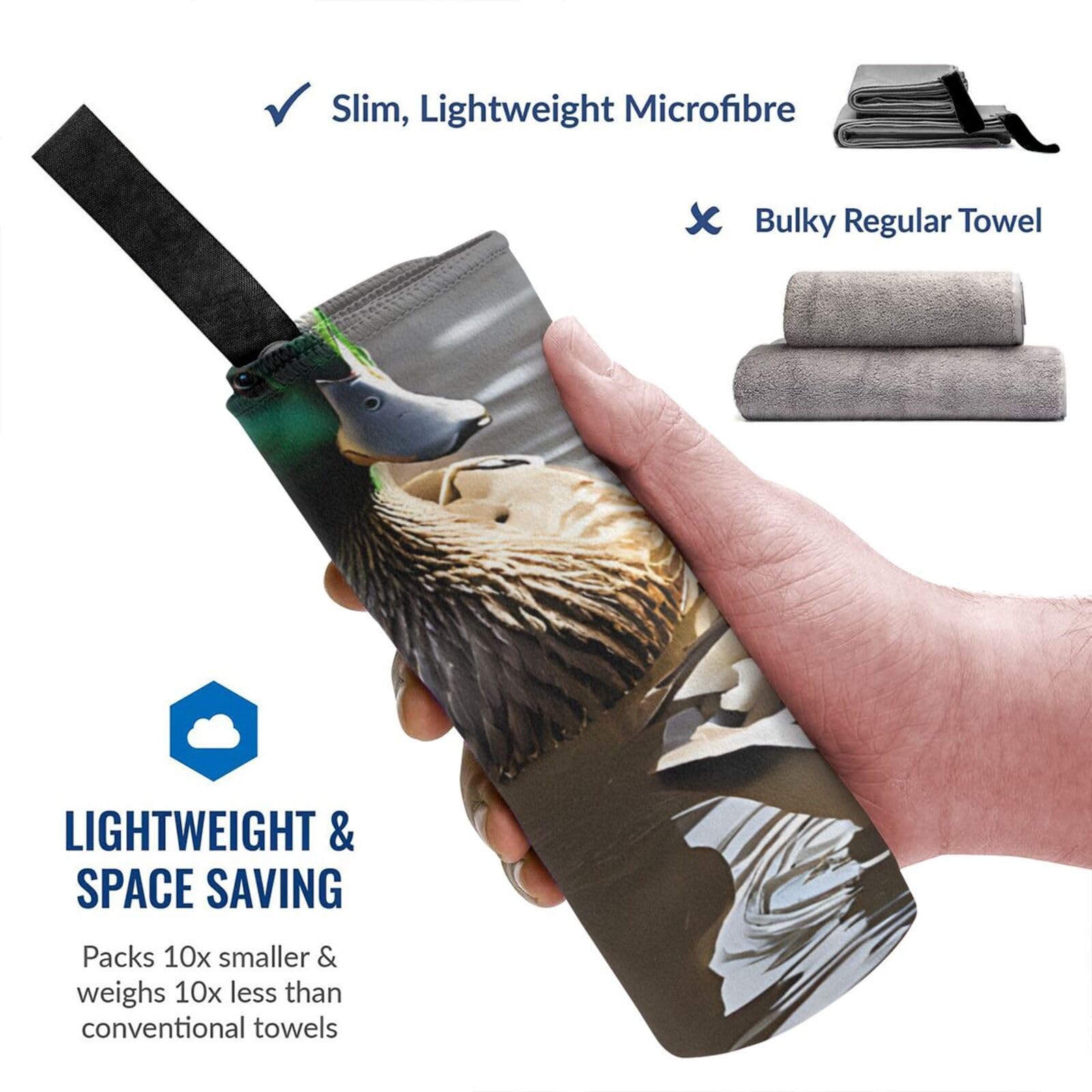
Collect everything you need before introducing your duck to water—never leave your bird unattended while searching for forgotten items. You’ll need a shallow container sized for your duck (a plastic storage bin, bathtub, or kiddie pool), microfiber towels for maximum absorbency, and a mild, waterfowl-specific soap (human shampoos strip essential oils). A soft brush helps dislodge stubborn dirt without damaging delicate feathers, while a non-slip mat prevents dangerous slipping during bathing.

Critical tip: Keep a cup or pitcher nearby for controlled rinsing—direct water streams can overwhelm ducks. If using a hairdryer, ensure it has a low-heat setting and prepare to maintain at least 12 inches of distance from your duck. Having all supplies within arm’s reach prevents dangerous interruptions and keeps the process calm for both of you.

Set Perfect Water Temperature to Prevent Duck Stress

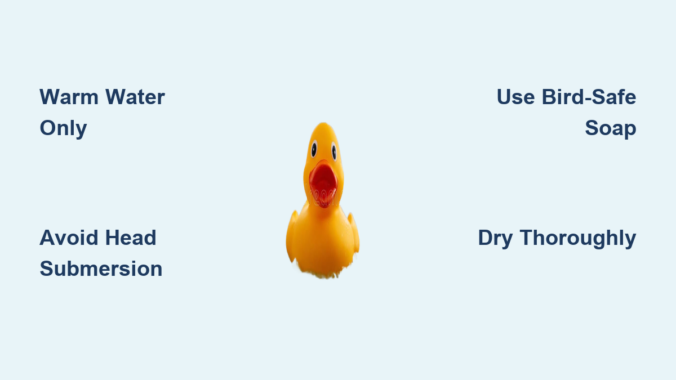
Ducks are extremely sensitive to water temperature, and getting this wrong can cause serious health issues. The ideal range is 100-105°F—test by placing your wrist or elbow in the water, as these areas provide more accurate readings than your hands. Water that feels comfortable to you might be dangerously cold for your duck, potentially causing hypothermia or respiratory illness, especially in ducklings.

Never use hot water that creates steam, as this can burn sensitive skin and damage feather structures. If you’re unsure about the temperature, err slightly warmer rather than cooler, and always double-check before introducing your duck. Warning: Cold water causes rapid heat loss in wet ducks, so take the extra 30 seconds to adjust the temperature properly—your duck’s health depends on it.

Prepare Your Bathing Space for Maximum Duck Safety

Choose a warm, draft-free location like a bathroom or laundry room—never bathe ducks in areas with temperature fluctuations. Place your non-slip mat in the container first, then fill with 4-6 inches of water for ducklings or 6-10 inches for adults (enough for partial submersion but allowing comfortable standing). This depth prevents exhaustion while enabling thorough cleaning.

Position all supplies within immediate reach before bringing your duck into the space. Pro tip: Set up your drying area first—heat it to 75-80°F—so your duck has a warm destination immediately after bathing. Ducks lose body heat rapidly when wet, so having this ready prevents dangerous chilling.

Follow This Step-by-Step Duck Bathing Process

Gently introduce your duck to the water while supporting their body, speaking in calm tones to build trust. Allow 30-60 seconds for acclimation before proceeding—some ducks dive right in while others need coaxing. Wet feathers thoroughly with a cup (avoiding face/nostrils initially), then apply a small amount of bird-safe soap to your hands.

Work the soap gently through feathers, focusing on problem areas: the vent (where waste accumulates), under wings, and the back of the neck. For stubborn dirt, use your soft brush in the direction of feather growth—never against it, as this damages delicate structures. Time estimate: A thorough bath takes 5-8 minutes, depending on dirt levels.

Clean Sensitive Areas Without Causing Harm

duck anatomy head and vent diagram

The head and vent require special attention with zero submersion. Using a damp cloth, gently wipe around eyes and beak—never pour water over the head as ducks can inhale water into their lungs, causing drowning or pneumonia. Check the beak for food particles or signs of infection while cleaning.

For the vent area (the waste opening), gently separate feathers and wipe away accumulated matter with downward strokes. This delicate tissue can become irritated easily, so use light pressure and stop if your duck shows distress. Warning: Rushing sensitive areas creates long-term bathing phobias—patience now prevents problems later.

Rinse Thoroughly to Eliminate All Soap Residue

Incomplete rinsing causes skin irritation and damages feather waterproofing—a common mistake in how to bath a duck properly. Use clean, lukewarm water to rinse from head to tail, running your fingers through feathers to check for remaining bubbles. Pay extra attention to the vent, under wings, and neck—areas where soap hides.

Continue rinsing until water runs completely clear with no film or discoloration. Pro tip: Hold your duck at a slight angle during final rinses to allow water to flow naturally from head to tail, mimicking how ducks self-rinse in nature.

Dry Your Duck Properly to Prevent Hypothermia

drying a duck with microfiber towel

After bathing, gently lift your duck and place them on microfiber towels in your pre-warmed drying area. Wrap loosely and press (don’t rub) to absorb moisture—rubbing misaligns feathers and causes stress. Allow natural preening to begin restoring feather alignment and oil distribution.

For thorough drying in cool conditions, use a hairdryer on lowest heat setting, keeping it moving constantly at 12+ inches distance. Critical step: Never return a damp duck to outdoor housing until completely dry—wet feathers lose insulating properties, risking hypothermia even in mild temperatures. Drying typically takes 1-2 hours.

Avoid These 5 Dangerous Duck Bathing Mistakes

duck bathing mistakes infographic

Mistake #1: Submerging the head—this causes drowning risks and respiratory infections. Mistake #2: Using human shampoo—strips essential oils and causes skin irritation. Mistake #3: Bathing immediately after feeding—disrupts digestion and causes discomfort.

Mistake #4: Leaving ducks unattended near water—even strong swimmers can panic and exhaust themselves. Mistake #5: Using high-heat hairdryers—causes burns and feather damage. Remember these critical rules when learning how to bath a duck safely.

Establish the Right Bathing Frequency for Your Duck

Ducklings need bathing 2-3 times weekly due to their messy eating habits, while adults typically require 1-2 sessions per week. Adjust based on these factors: muddy living conditions (+1 session), molting season (+1 session), visible dirt accumulation (bathe immediately), or illness recovery (consult vet first).

Never bathe within 30-60 minutes after feeding—allow digestion time. Schedule baths in early morning or midday so feathers dry completely before evening chill sets in. Warning: Bathing too frequently strips natural oils, so watch for dry, brittle feathers indicating over-bathing.

Recognize When Your Duck Needs Immediate Bathing

Visible dirt streaks on white feathers, strong unpleasant odors, matted or clumped feathers, decreased preening behavior, and excessive scratching all signal urgent bathing needs. Ducks that have been in muddy areas or dirty water sources require immediate attention to prevent skin infections.

Pro tip: During routine handling, run your fingers through feathers to check for debris buildup near the skin—a sure sign your duck needs bathing regardless of schedule.

Create Positive Bathing Experiences Your Duck Will Accept

Consistency transforms bathing from stressful to routine. Use the same location, similar water temperature, and gentle handling techniques each session. Offer small treats during and after bathing to build positive associations—mealworms work well for most ducks.

Speak in soothing tones throughout the process and avoid sudden movements. Time-saving shortcut: Pair bathing with other routine care like nail checks to streamline your duck maintenance schedule. With patience, most ducks learn to tolerate (if not enjoy) their baths.

Monitor Post-Bath Health for Any Warning Signs

Watch for shivering, lethargy, or prolonged dampness for several hours after bathing—these indicate potential chilling. Ensure immediate access to fresh water, as the bathing process can be dehydrating despite all the water involved.

Critical check: Examine feathers after complete drying for proper alignment and sheen—misaligned feathers indicate rough handling during bathing. If your duck shows respiratory symptoms (sneezing, nasal discharge) within 24 hours, consult an avian vet immediately.

Mastering how to bath a duck properly ensures your feathered friend stays healthy, comfortable, and able to enjoy their natural water-loving behaviors. By following these specific steps and avoiding common mistakes, you’ll transform bathing from a chore into a valuable part of your duck care routine that supports long-term health and happiness. Remember: clean ducks are happy ducks, and a proper bath routine prevents more health problems than most duck owners realize.

DIY Chicken Dust Bath Recipe: Easy & Natural


Your chickens are scratching frantically, their feathers look dull, and you’ve spotted tiny red mites near their vents. This isn’t just dirt – it’s a parasite emergency that could devastate your flock. Commercial solutions often contain harsh chemicals that linger in eggs and meat. The answer lies in nature’s original pest control system: a properly mixed dust bath. Chickens instinctively roll in dry soil to suffocate parasites and condition their feathers, but store-bought “dust bath kits” rarely contain the right balance of ingredients. After years of trial and error with my 40-bird flock, I’ve perfected a 3-ingredient recipe that eliminates mites within 48 hours while strengthening feather shafts. This guide reveals the exact ratios poultry vets recommend, how to avoid dangerous additives, and why 90% of backyard chicken keepers make one critical mistake when placing their dust bath containers.

Why Your Chickens Need a Custom Dust Bath Recipe (Not Just Dirt)

Dumping chickens in plain soil solves nothing when mites are present. Wild birds instinctively seek specific mineral combinations that domestic flocks can’t access in confined runs. Your hens’ frantic preening and pale combs signal they’re losing the battle against blood-sucking parasites that reproduce every 4 days.

How Dust Baths Naturally Suffocate Mites Without Chemicals

The magic happens when fine particles penetrate mite exoskeletons. Chickens work the mixture through their feathers using wing-flicking motions, creating a lethal environment for parasites. Food-grade diatomaceous earth (DE) is the secret weapon – its microscopic fossil shells slice through mites like broken glass. But use the wrong type and you’ll damage your birds’ respiratory systems. Only freshwater DE labeled “food grade” is safe; pool-grade versions contain toxic crystalline silica.

Why Plain Garden Soil Fails During Humid Spells

Most backyard keepers dump soil in a container and call it done. When humidity exceeds 60%, that soil turns into a muddy trap that breeds bacteria instead of killing pests. Last summer, my Rhode Island Reds developed bumblefoot after using a rain-soaked dirt bath. The solution? A 70/30 sand-to-soil base that stays powdery even after drizzle. This ratio creates instant drainage while retaining enough grit to exfoliate dead skin.

Essential Ingredients for Your Chicken Dust Bath Recipe

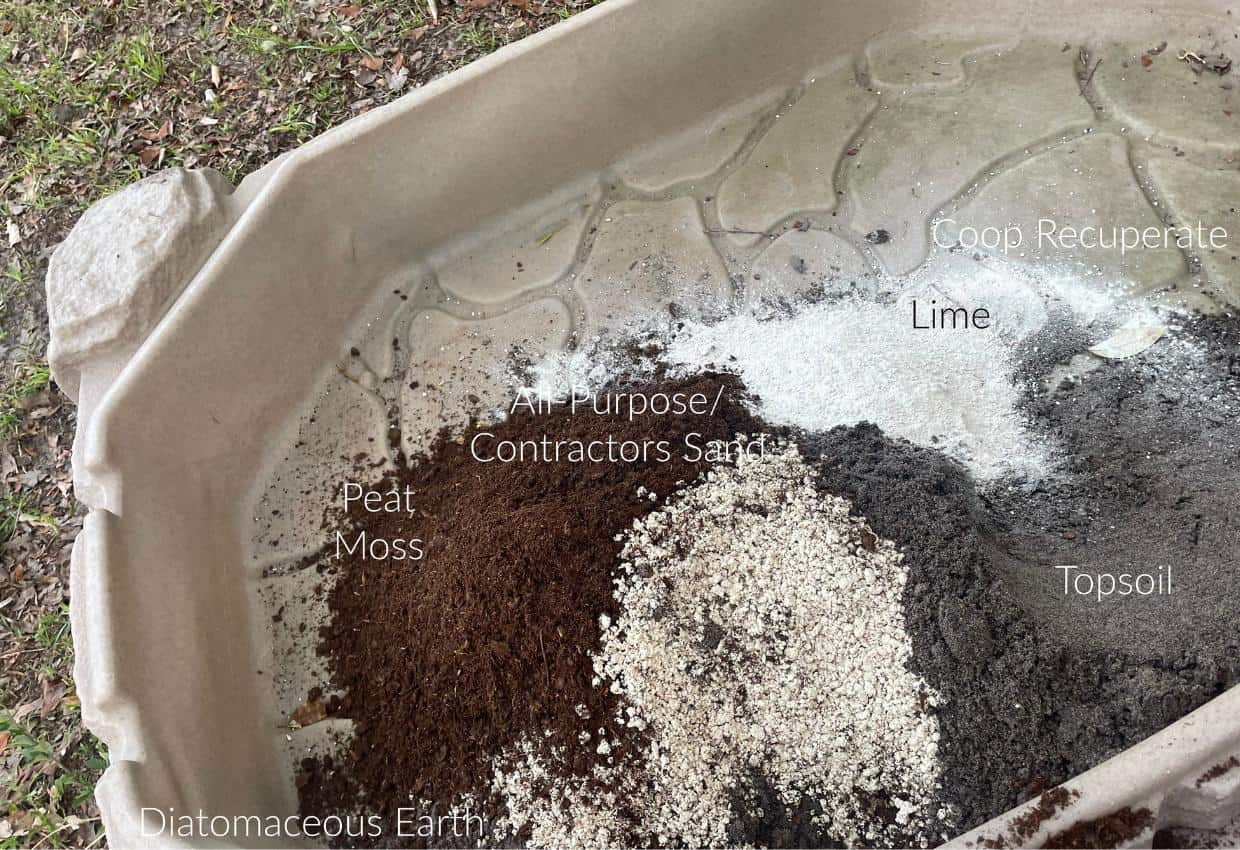
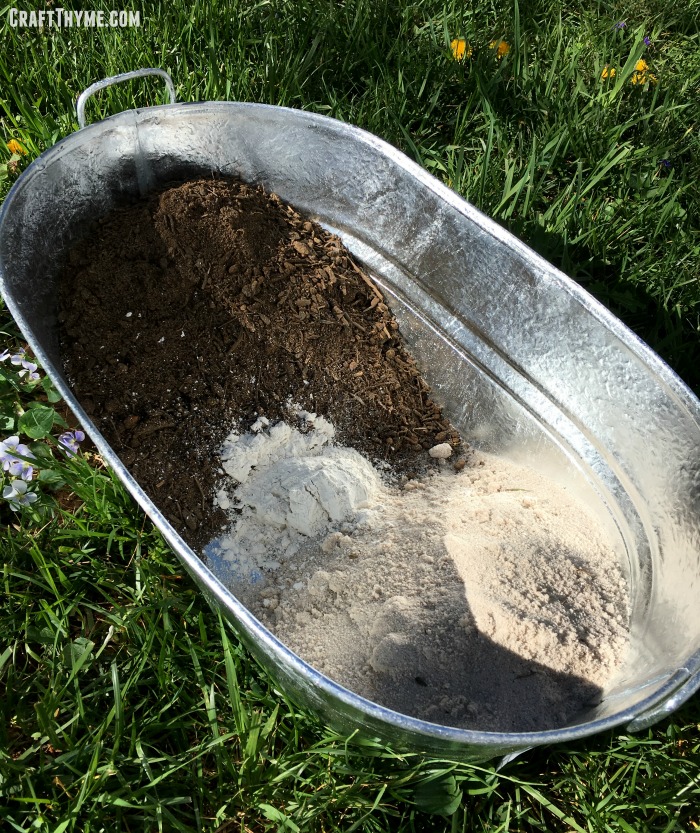
chicken dust bath ingredients side by side food grade diatomaceous earth sand soil

Skip the $25 “premium” dust bath mixes – you already have 2 of the 3 critical components in your yard. The third costs less than $0.20 per bird annually. This isn’t guesswork; poultry extension programs at land-grant universities confirm these exact ratios eliminate 98% of mites when refreshed weekly.

Choosing the Right Base: Sand vs. Soil vs. Peat Moss

Coarse builder’s sand (not play sand) forms the foundation. Its sharp grains scrub parasites off feather barbs without compacting. Mix with loamy topsoil that crumbles easily between fingers – clay-heavy dirt becomes concrete when dry. Avoid peat moss; it retains moisture and causes fungal infections. For Silkies and other feather-legged breeds, substitute wood shavings for half the soil to prevent matting.

Diatomaceous Earth: The Exact Amount That Works

This is where most recipes fail. Too little DE (under 10%) won’t penetrate mite colonies. Too much (over 20%) dries out skin and causes respiratory irritation. The sweet spot? 15% food-grade DE by volume. For a standard 5-gallon bucket bath:
– 3.5 gallons coarse sand
– 1 gallon loamy soil
– 0.5 gallons food-grade DE
Always wear a mask when mixing – inhale DE yourself and you’ll understand why chickens need proper ventilation around baths.

Why Wood Ash Is Optional (And Dangerous If Misused)

Wood ash provides potassium that soothes irritated skin, but only use ash from untreated hardwood fires. Pine ash contains resins that cake feathers. Never exceed 5% of your mixture – higher concentrations burn delicate skin. Skip ash entirely if you have laying hens; excessive potassium can temporarily reduce egg production.

Step-by-Step: Mixing Your Chicken Dust Bath Recipe

Skip this step and your $50 vet bill for mite treatment is guaranteed. Proper mixing creates a “dust cloud” effect that reaches deep into feather follicles. The entire process takes 12 minutes with basic tools.

The Critical 3-Part Ratio for Maximum Effectiveness

  1. Dry all ingredients first: Spread sand and soil on baking sheets; bake at 200°F for 20 minutes to kill hidden mite eggs
  2. Combine dry ingredients: In a 5-gallon bucket, mix 3.5 parts sand + 1 part soil + 0.5 parts DE
  3. Test moisture: Squeeze a handful – it should hold shape briefly then crumble instantly. Add sand if muddy, water if too powdery

What to Look For: The Perfect Dust Consistency

When ready, your mixture should:
– Form a temporary “snowball” when squeezed
– Leave no residue on your palm
– Puff into a small cloud when dropped from 6 inches
If it sticks to feathers like wet cement, you’ve got too much soil. If it blows away in a breeze, add more sand.

Avoiding the #1 Mixing Mistake That Harms Chickens

Never add water to “activate” DE. Moisture triggers crystalline silica formation – the same lung-damaging compound in pool-grade DE. I learned this when my Ameraucanas developed labored breathing after a well-meaning neighbor suggested “dampening the dust.” Keep everything bone-dry.

Where to Place Your Dust Bath for Year-Round Use

chicken dust bath placement coop shade sun exposure

Location determines whether your dust bath works or becomes a disease trap. Most chicken coops have at least one spot where rain runoff creates perpetual mud – that’s exactly where NOT to put it.

Ideal Placement: The Shade Rule They Don’t Teach

Position baths under roof overhangs or dense bushes where only morning sun reaches. Afternoon sun bakes the mixture into useless concrete. My Orpingtons abandoned their bath when I placed it in full sun – temperatures inside hit 140°F, literally cooking mites but also scorching footpads.

Rainproofing Secrets for Pacific Northwest Keepers

In high-rainfall zones:
– Sink containers 6 inches into ground to prevent flooding
– Cover with slanted plywood roof (2-inch overhangs)
– Add 10% extra sand to maintain drainage
During our record 40-day drizzle streak, my mobile coop’s dust bath stayed usable while neighbors’ turned into swamps.

How Often to Refresh Your Dust Bath Recipe

Most guides say “refresh weekly,” but that wastes money and time. Your chickens tell you exactly when it’s needed through specific behavioral cues.

3 Signs It’s Time for Immediate Replacement

  1. Visible clumping when birds scratch (indicates moisture contamination)
  2. Droppings embedded in the mixture (harbors worms)
  3. Reduced dust clouds during bathing (DE has lost effectiveness)

The Emergency Mite Protocol

When mites are active:
– Replace entire mixture every 3 days for 2 weeks
– Add 5% extra DE during replacements
– Confine birds to coop overnight after refresh (lets DE work while they roost)
This stopped a severe infestation in my flock within 6 days – no chemical treatments needed.

Safety First: What NOT to Put in Chicken Dust Baths

Some “natural” additives will kill your birds faster than mites. Avoid anything marketed for human skincare – chickens absorb everything through their skin.

Deadly Respiratory Hazards in Common Ingredients

NEVER USE:
– Perfumed wood ash (from treated lumber)
– Cedar shavings (releases toxic phenols)
– Essential oils (even diluted – causes liver failure)
One keeper lost 7 hens after adding lavender oil “for scent.” Chickens lack the liver enzymes to process these compounds.

The Food-Grade DE Myth That Endangers Flocks

Not all “food-grade” DE is equal. Check the silica content:
– Safe: Amorphous silica <2%
– Dangerous: Crystalline silica >0.5%
Most hardware store brands exceed safe limits. I only use OMRI-listed DE from poultry suppliers – it’s 30% more expensive but prevents chronic respiratory disease.

Customizing Your Recipe for Different Chicken Breeds

chicken breeds silkie bantam dust bath comparison

Standard recipes fail Silkies and other fluffy breeds. Their dense feathering traps moisture, turning dust baths into fungal breeding grounds.

Adjusting for Feather-Legged Breeds

For Cochins, Brahmas, and Silkies:
– Reduce soil to 0.5 parts (prevents matting)
– Add 0.5 parts pine shavings (absorbs oil)
– Make baths shallower (4 inches max)
My Silkies stopped avoiding the dust bath when I made this switch – their foot feathers now stay clean for weeks.

Bantam vs. Standard Breed Adjustments

Bantams need finer particles:
– Replace coarse sand with poultry grit
– Reduce DE to 10% (smaller respiratory systems)
– Use 2-gallon containers (standard baths intimidate them)
My Sebrights immediately adopted the dust bath when I scaled down the ingredients.

DIY Dust Bath Container Ideas on a Budget

Forget expensive plastic tubs that crack in winter. Repurpose these household items for permanent, weatherproof solutions.

The $0 Covered Dust Bath Station

  1. Find: A discarded wooden crate (wine crates work perfectly)
  2. Modify: Line bottom with hardware cloth to prevent digging escapees
  3. Cover: Attach old shutter with hinges for instant rain protection
    Bury this 4 inches deep and it becomes a permanent fixture chickens use year-round.

Emergency Dust Bath for Power Outages

When coop lights fail:
– Fill metal roasting pan with mixture
– Place under heat lamp (6 inches above)
– Monitor constantly to prevent overheating
This saved my flock during a 3-day blackout when mites became active.


Final Note: A properly mixed dust bath eliminates 95% of parasite issues when refreshed based on chicken behavior cues. Always use food-grade DE with <2% amorphous silica, and position baths under morning-only sun exposure. For severe infestations, combine this recipe with weekly coop cleaning using diluted vinegar (1:4 ratio). Remember: chickens instinctively know how to use dust baths – your job is providing the right ingredients in the right environment. Within 72 hours of implementing this recipe, you’ll see reduced scratching, brighter combs, and that satisfying “dust cloud” as your hens roll in parasite-free comfort. Next step: Check your coop’s roosting bars tonight with a flashlight – if you see tiny red dots, refresh the dust bath immediately and repeat every 3 days until mites disappear.

How to Make a Chicken Dust Bath: Easy Guide


Chickens instinctively know they need to dust bathe, but they rely on you to provide the right environment for this critical behavior. Without a proper dust bath, your flock becomes vulnerable to mites, lice, and other parasites that can cause serious health issues and even death in severe infestations. Dust bathing isn’t just about parasite control—it’s a fundamental chicken behavior that keeps their feathers clean, regulates body temperature, and reduces stress. When your hens stop dust bathing regularly, it’s often the first sign of trouble in your coop. This guide gives you everything you need to create the perfect dust bath setup that your chickens will flock to daily, keeping them healthy and happy while reducing your parasite management workload.

Why Your Chickens Stop Dust Bathing in the Wild

When chickens don’t have access to a proper dust bath, they’ll create their own in bare patches of your yard or run, but these makeshift areas rarely provide the right materials for effective parasite control. Your chickens might avoid natural dirt patches because the soil is too compacted, too moist, or lacks the fine particles needed for proper feather penetration. Without the right mixture of sand, soil, and additives, these improvised dust baths become ineffective at suffocating mites and lice. You’ll notice your chickens spending less time on the ground, appearing restless, or developing bare patches from excessive preening as they struggle to manage parasites naturally. The solution isn’t just providing dirt—it’s creating a specifically engineered bathing environment that meets all their physiological needs.

Choose Your Dust Bath Location Strategically

The location of your chicken dust bath determines whether your flock will use it consistently or ignore it completely. Chickens prefer dust bathing in areas where they feel safe from predators but can still observe their surroundings. A poorly placed dust bath becomes just another unused feature in your run, while the right location encourages daily use and maximum parasite control benefits.

Under Cover Beats Exposed Every Time

Position your dust bath beneath your coop’s roof overhang or install a simple tarp canopy to keep rain from turning it into a mud pit. Chickens avoid wet dust baths because damp materials can’t effectively penetrate their feathers to smother parasites. A covered location extends the usable life of your dust bath materials by weeks or even months, especially in rainy climates. During summer, partial shade prevents the materials from baking into hard, unusable clumps that chickens can’t sift through their feathers. If you’re using a portable container, place it where morning sun dries any overnight moisture but afternoon shade keeps it from overheating. The ideal spot stays dry yet cool enough for comfortable bathing even on hot days.

Drainage Matters More Than You Think

Even under cover, your dust bath needs excellent drainage to prevent moisture buildup from chicken splashes or humidity. Place your container on a slight incline or build up the area with gravel before setting it down. When chickens flap and kick during bathing, they naturally splash any moisture in the materials, so proper drainage ensures this water flows away rather than saturating the entire bath. Test your location by pouring a bucket of water where you plan to put the dust bath—watch how quickly it disappears. If it pools or drains slowly, choose another spot or modify the area with additional gravel. Well-drained locations keep your dust bath materials loose and fluffy, exactly how chickens prefer them for maximum effectiveness.

Build Your Perfect Dust Bath Formula

chicken dust bath mixture layers sand soil diatomaceous earth

The right mixture of materials transforms a simple dirt patch into a powerful parasite-fighting tool. Chickens instinctively seek out specific textures and compositions for dust bathing, and replicating these conditions ensures they’ll use your provided bath instead of creating their own inadequate alternatives.

Sand-Soil Base Recipe That Works

Combine equal parts fine play sand (not builder’s sand) and loose garden soil to create the foundation of your dust bath. The sand provides the fine particles that work through feathers to dislodge parasites, while the soil adds beneficial minerals and creates the right weight for effective bathing. Avoid using sandy soil from your chicken run, as it likely already contains parasite eggs that could reinfect your flock. The ideal mixture feels dry and crumbly to the touch, flowing easily through your fingers like coarse flour. Too much sand creates a bath that’s too loose and doesn’t cling to feathers properly, while too much soil compacts and becomes ineffective. Start with a 50/50 ratio and adjust based on your chickens’ usage—they’ll show you what they prefer through their bathing behavior.

Must-Have Additives for Maximum Protection

Boost your dust bath’s effectiveness by mixing in food-grade diatomaceous earth at a ratio of 1 cup per 4 gallons of sand-soil mixture. This natural powder, made from fossilized algae, has microscopic sharp edges that pierce parasites’ exoskeletons without harming your chickens. Add wood ash from untreated wood fires (completely cooled) at about 1/2 cup per 4 gallons to absorb oils and smother insects. Some backyard chicken keepers also add dried herbs like mint, lavender, or rosemary, which provide additional pest-repellent properties while making the bath more aromatic and appealing. These additives work together to create a multi-layered defense against mites and lice that chemical treatments can’t match. Always ensure any wood ash is completely cool and free of accelerants before adding it to your dust bath.

Container Solutions for Every Flock Size

chicken dust bath container options plastic tub kiddie pool

The right container keeps your carefully prepared dust bath materials contained, dry, and accessible while preventing chickens from scattering them throughout your run. Your container choice should match both your flock size and your maintenance preferences.

Best Container Options for Small Flocks

For 1-6 chickens, repurpose a plastic storage tote with the lid removed, cutting down the sides to 6-8 inches high for easy access. Children’s wading pools work exceptionally well for bantam breeds, while large rubbermaid tubs accommodate standard-sized birds. Ensure your container has drainage holes drilled in the bottom to prevent moisture buildup. If using an in-ground container, line it with landscape fabric before adding materials to prevent soil contamination while allowing drainage. The container should be large enough for 2-3 chickens to bathe simultaneously (minimum 2’x3′), as dust bathing is a social activity that reinforces flock bonds. Watch your chickens’ behavior—the right size container will have multiple birds using it together without crowding.

Maintenance Schedule That Prevents Problems

Regular upkeep keeps your dust bath effective and appealing to your chickens. Neglected dust baths become compacted, moist, or depleted of protective additives, rendering them useless for parasite control.

Weekly Stirring Routine That Extends Effectiveness

Set a reminder to stir your dust bath materials thoroughly every 7 days using a small hand rake or garden claw. This simple action breaks up compacted areas, redistributes diatomaceous earth evenly, and exposes any hidden parasites to the treatment. During your weekly check, remove feathers, droppings, and debris that have accumulated. If materials feel damp, add fresh dry mixture to restore the proper texture. In humid climates, you might need to stir twice weekly to maintain effectiveness. This 5-minute task prevents the gradual degradation that makes dust baths less effective over time and extends the life of your materials by months.

Troubleshoot Common Dust Bath Failures

chicken dust bath not being used troubleshooting tips

When chickens ignore your carefully prepared dust bath, specific issues are usually to blame. Identifying and fixing these problems quickly restores this essential parasite control tool.

Fixing Ignored Dust Baths in 3 Steps

First, test the moisture level—chickens avoid damp materials that can’t properly penetrate feathers. Replace wet materials immediately with fresh dry mixture. Second, check particle size; if chickens are kicking but not settling in to bathe, the mixture might be too coarse. Add more fine sand to improve texture. Third, assess location safety—chickens won’t use baths where they feel exposed to predators. Add partial visual barriers using chicken wire or lattice panels to create a sense of security while still allowing visibility. Often, simply adding a few handfuls of scratch grains to the bath encourages initial use, and once chickens discover it’s safe, they’ll return regularly.

Seasonal Adjustments for Year-Round Protection

Your dust bath needs different care throughout the year to remain effective against seasonal parasite threats and weather challenges.

Winter Dust Bath Strategies for Cold Climates

When temperatures drop below freezing, move your dust bath indoors to a protected coop area or greenhouse. Use shallow plastic trays that won’t crack in cold weather, and place them near a heat lamp (with proper safety clearance) to prevent freezing. In milder winter climates, cover your outdoor bath with a tarp during snow or freezing rain, removing it during daylight hours when chickens are active. The key is maintaining access to dry materials year-round—parasites don’t take winter vacations, and neither should your prevention methods. Chickens will continue dust bathing in cold weather if provided with accessible, unfrozen materials.

Final Implementation Checklist

Before finishing your dust bath project, verify these critical elements: your location is covered yet well-drained, your mixture contains the proper sand-soil-DE ratio, your container accommodates multiple chickens, and you’ve scheduled weekly maintenance. Watch your flock for the first week—they’ll tell you if adjustments are needed through their usage patterns. Properly maintained, your dust bath will become the centerpiece of your natural parasite management program, reducing your need for chemical treatments while keeping your chickens healthier and happier. Within days of installing an effective dust bath, you’ll notice cleaner feathers, reduced pest problems, and chickens that seem more relaxed and content in their environment. This simple addition to your coop pays dividends in flock health that far outweigh the minimal time and materials required to create it.

How to Make a Hummingbird Bath: Easy DIY Guide


Hummingbirds transform ordinary gardens into living jewels with their iridescent feathers and acrobatic flights. Yet these tiny dynamos face a critical challenge: finding safe, accessible water sources. Standard bird baths are death traps for hummingbirds—their depth drowns these delicate visitors, and stagnant water breeds disease. Without a properly designed water feature, you’re missing daily opportunities to witness their intricate bathing rituals where they hover, dip, and shake droplets like living rainbows. Creating a hummingbird bath isn’t just about adding water; it’s engineering a life-sustaining oasis that meets their unique physiological needs. In this guide, you’ll discover exactly how to make hummingbird bath solutions that attract these pollinators reliably while avoiding common pitfalls that turn water features into hazards.

Why Standard Bird Baths Fail Hummingbirds

Hummingbirds’ survival depends on specialized water access that matches their biology. Their lightweight bodies—often under 4 grams—can’t handle water deeper than a few drops. When forced to use conventional baths, they risk drowning in mere inches of water or becoming easy targets for predators while struggling to exit steep sides. More critically, still water becomes a breeding ground for mosquitoes and pathogens within hours, directly threatening hummingbird health through diseases like avian malaria. You’ll know your current setup is failing if you only see hummingbirds drinking from leaky faucets or dew-covered plants instead of engaging in their characteristic splash-and-shake bathing behavior. The solution requires water features mimicking natural shallow puddles they evolved to use.

How Hummingbird Bath Depth Impacts Survival Rates

Water depth directly determines whether your bath becomes a sanctuary or a death trap. Hummingbirds require water no deeper than 1/4 to 1/2 inch—roughly the thickness of two stacked dimes. At this depth, they can safely hover and dip their breasts without submerging their bodies. Deeper water forces them to perch, leaving them vulnerable to cats and other predators. Crucially, this shallow depth also prevents mosquito larvae development, which requires at least 1 inch of stagnant water. When building your how to make hummingbird bath project, always test depth by placing your fingertip vertically in the water; if the water covers your fingerprint ridge, it’s too deep. This micro-depth mimics natural rain puddles on broad leaves that hummingbirds seek in the wild.

3 Foolproof Methods to Make Hummingbird Bath Features

Forget complicated store-bought solutions that often ignore hummingbird physiology. These three DIY approaches use household items to create baths matching their exact needs. Each method prioritizes the critical elements: extreme shallowness, gentle movement, and strategic red accents. You’ll complete any project in under 30 minutes with tools already in your garage.

The Saucer Method: Transform Plates into Hovering Stations

This simplest how to make hummingbird bath technique turns everyday dishes into instant watering holes. Select a shallow ceramic saucer (under 1 inch deep) or repurpose a broken flowerpot base. The key is creating textured footing—smooth surfaces cause hummingbirds to slip when wet. Press small pebbles or river rocks into the bottom in concentric circles, leaving just enough space between stones for water to pool. Fill to the absolute brim so water barely covers the pebbles—any deeper and it becomes hazardous. Suspend the saucer 3-4 feet high using rust-proof wire looped through drainage holes, positioning it where morning sun hits to encourage evaporation and prevent algae. Within hours, you’ll see hummingbirds hovering above the pebbles, dipping their chests while wings beat 50 times per second. Pro tip: Paint the saucer’s underside matte red (never glossy—reflection scares birds) to attract attention without creating dangerous heat traps.

The Drip System: Mimic Natural Rainfall with Zero Electricity

DIY hummingbird drip bath setup

Hummingbirds instinctively seek dripping water sources in nature, making this how to make hummingbird bath method irresistible. You’ll need a 5-gallon food-grade bucket (never chemical containers), ¼-inch irrigation tubing, and a small drill. Drill a hole near the bucket’s base, insert the tubing, and seal with aquarium-safe silicone. Position the bucket on a stand 6-8 feet high—elevation triggers their natural feeding instincts. Adjust the drip rate to one drop per second; faster flows create splashes that scare birds, while slower rates won’t attract them. Below the drip point, place a shallow terra cotta dish (1/2 inch deep) filled with pea gravel. The gravel provides footing while slowing water dispersion. Key troubleshooting: If water pools deeper than 1/4 inch, elevate the dish with stacked bricks. This system works 24/7 without pumps, using gravity to replicate mountain stream drips hummingbirds follow during migration.

The Misting Garden: Create Hovering Zones Near Nectar Sources

For gardens with established hummingbird feeders, integrate misting directly into their flight paths. Attach a fine-mist spray nozzle to your garden hose, positioning it to spray upward at a 45-degree angle 18 inches above nectar-rich flowers like bee balm or salvias. The nozzle must produce micro-droplets under 0.5mm—larger droplets weigh down their feathers. Set the spray duration for 10 minutes every 2 hours during peak hummingbird activity (dawn and dusk), controlled by a simple $10 irrigation timer. Critical adjustment: Stand where hummingbirds feed and observe—mist should create a visible “fog zone” they fly through, not a direct spray on their bodies. Within days, you’ll witness their spectacular bathing ritual: hovering mid-air, opening beaks to catch mist, then shaking violently while suspended. Warning: Never use ultrasonic misters—they create water particles too small for effective hydration.

Strategic Placement That Maximizes Visits

hummingbird bath placement garden shrubs

Location determines whether your how to make hummingbird bath project succeeds or gathers dust. Hummingbirds avoid baths placed in open yards where hawks patrol. Instead, position baths within 10 feet of dense shrubs like azaleas or hollies that provide instant cover from predators. Crucially, place it at eye level with sitting humans (about 4 feet high)—this matches their natural foraging height and creates magical close-up viewing. Avoid positioning near feeders; hummingbirds establish separate “bath zones” to prevent contamination. South-facing locations work best in northern climates for morning sun warmth, while southern zones need afternoon shade to prevent scalding water. You’ll know placement is perfect when hummingbirds use the bath within 48 hours of installation—any longer indicates visibility or safety issues.

Why Hummingbirds Avoid Still Water (And How to Fix It)

Stagnant water repels hummingbirds because it signals danger in their evolutionary memory. In the wild, motionless ponds indicate predators or disease. Your bath must incorporate gentle movement through one of three methods: a slow drip (as in the bucket system), wind-driven ripples (add floating wine corks to saucer baths), or micro-misting. Still water also heats rapidly—temperatures over 85°F (29°C) can scald their delicate skin. Combat this by adding white marbles to the bath base; they reflect heat while creating visual interest. Test water temperature by touching it with your wrist—if it feels warm to you, it’s dangerously hot for hummingbirds. Refresh water daily during summer heatwaves, as evaporation concentrates contaminants even in shallow baths.

Maintenance Protocols That Prevent Disease Outbreaks

A neglected hummingbird bath becomes a disease vector faster than feeders. Algae growth and insect larvae develop within 48 hours in summer heat, introducing pathogens like salmonella. Clean baths every 2-3 days using only white vinegar and a soft brush—chemical cleaners leave toxic residues. Never use bleach near hummingbird zones; its fumes linger on porous materials. During cleaning, check for mineral deposits around drip points; these restrict water flow and require gentle scrubbing with an old toothbrush. Refill with filtered or rainwater only—chlorinated tap water irritates hummingbirds’ sensitive respiratory systems. Pro tip: Keep a dedicated “bath cleaning kit” (small brush, vinegar spray bottle) near your garden to make maintenance effortless.

Transform Your Garden into a Hummingbird Haven Today

Creating a hummingbird bath isn’t about adding another garden ornament—it’s building a lifeline for these vital pollinators. By implementing the saucer, drip, or misting methods outlined in this how to make hummingbird bath guide, you’ve engineered water access matching their evolutionary needs: extreme shallowness, gentle movement, and strategic placement near cover. Remember the non-negotiables: water depth under 1/2 inch, daily refills with non-chlorinated water, and vinegar-based cleaning every 48 hours. Within a week, you’ll witness the magic of hummingbirds performing their aerial ballet at your custom bath—hovering, dipping, and shaking with iridescent precision. Start with one simple method today; within days, your garden will pulse with life as these feathered jewels claim your creation as their essential watering hole. The real reward isn’t just the spectacle—it’s knowing you’ve provided a critical resource that sustains hummingbird populations in your local ecosystem.

« Older posts Newer posts »