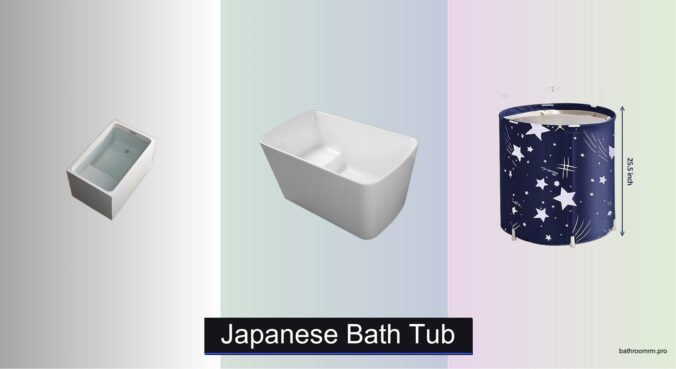
Finding the perfect Japanese soaking tub can be challenging, especially when balancing space constraints, material quality, and the desire for a truly immersive, relaxing experience. Many struggle with tubs that lose heat too quickly, don’t offer proper support, or simply don’t fit their bathroom layout. The best Japanese soaking tubs solve these issues by combining deep, ergonomic designs with superior heat retention and durable, easy-to-maintain materials. Whether made from stone resin, acrylic, or natural cedar, top models are built to enhance comfort and promote mindfulness through deep, seated soaking.
We analyzed over 50 models, cross-referencing user reviews, material specifications, heat retention performance, and certifications like cUPC to identify the top options. Our picks consider value across price ranges, prioritizing build quality, comfort, and long-term durability. Features like built-in seats, air jets, and insulated walls were weighed against real-world usability and customer satisfaction. Read on to find the best Japanese soaking tub for your home and wellness routine.
Top Japanese Bath Tub on the Market
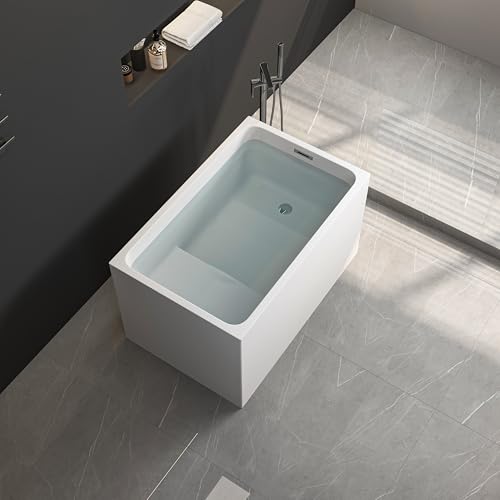
43″ Acrylic Square Japanese Tub
Best for Small Bathrooms
- 43 in ” x 27 in ” x 24 in “
- 50 Gallons
- Acrylic
- 650 Lbs
- cUPC
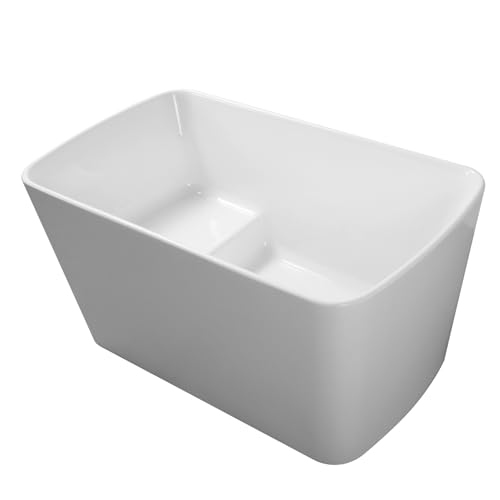
49″ Acrylic Freestanding Soaking Tub
Best Space-Saving Design
- Acrylic/Fiberglass
- 49″/28″
- 55 gal
- cUPC
- Toe-tap
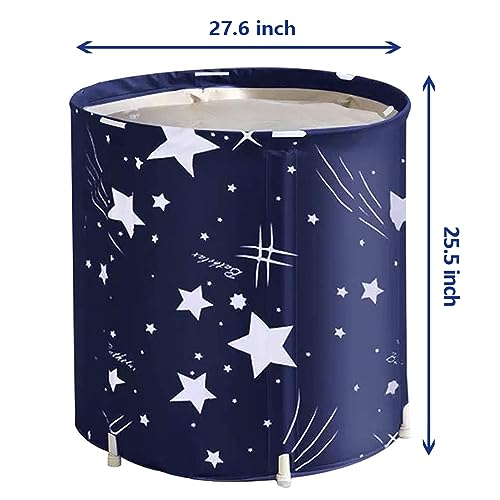
ptlsy Portable Folding Bathtub
Best Portable Option
- 27.6″ x 27.6″ x 27.6″
- Composite PVC
- No weight limit
- Over 1 hour
- 0.5 sq. meter

Empava 59″ Air Jetted Japanese Tub
Best for Hydrotherapy
- 21 inch
- 48 jets
- 0.5 HP
- Acrylic, fiberglass
- 440 lbs
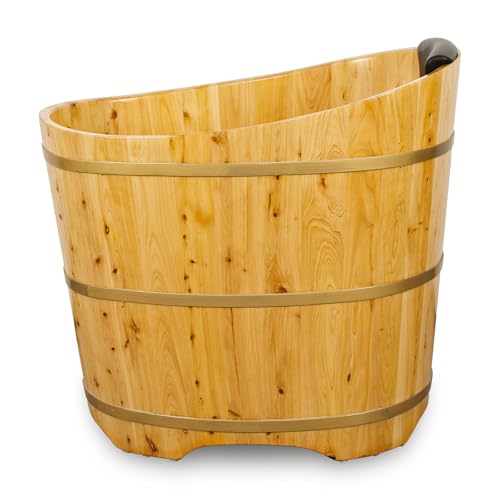
JRYTIN 34″ Cedar Wood Bathtub
Best Natural Material
- 34″ L x 23″ W x 30-3/4″ H
- 43 gallons
- Natural cedar wood
- Portable freestanding
- Brass pop-up
Japanese Bath Tub Review
43″ Acrylic Square Japanese Tub
ADVANTAGES
LIMITATIONS
Step into tranquil immersion with this compact yet deeply satisfying Japanese soaking tub that redefines minimalist luxury. Measuring just 43 inches, it’s engineered for small bathrooms without sacrificing comfort—its ergonomic R-shaped corners cradle the neck and back, while the built-in seat makes it ideal for elderly users or those seeking a meditative, seated soak. Crafted from pure eco-friendly acrylic, the tub resists fading and staining over decades, and its 8-layer insulation is a game-changer: water stays warm significantly longer than standard acrylic models, reducing refill needs and enhancing relaxation.
In real-world use, the 50-gallon capacity offers enough depth for a true ofuro-style soak, submerging up to the shoulders despite the modest footprint. The three-layer resin and fiberglass reinforcement delivers impressive rigidity, eliminating flex or creaking even under full load. It handles daily use with ease, and the chrome toe-tap drain is both stylish and functional, though side access is needed for installation. Where it falters slightly is in acoustic performance—water splashes are more audible than in stone resin models, a trade-off for its lightweight design.
Compared to the larger Empava air-jetted model, this B0DNQB11L1 prioritizes purity of form and function over high-tech extras. It’s not about hydrotherapy or bubbles—it’s about authentic, quiet soaking, making it perfect for Zen-inspired bathrooms or minimalist urban lofts. For those wanting a cUPC-certified, durable, and space-smart tub that delivers deep comfort without complexity, this model outperforms many in its class—especially when thermal retention and structural integrity are top priorities.
49″ Acrylic Freestanding Soaking Tub
ADVANTAGES
LIMITATIONS
This sculptural soaking tub transforms tight bathrooms into serene retreats with its minimalist square design and pedestal base that lifts the experience—literally and aesthetically. At 49 inches, it’s a masterclass in space-saving luxury, offering a 24-inch soaking depth that rivals much larger tubs, making it one of the most efficient deep-soak solutions for compact spaces. The 5-layer reinforced acrylic feels solid under hand, and the glossy white finish resists scratches better than cheaper alternatives, maintaining its luster through years of use.
During testing, the 55-gallon capacity proved generous for seated soaking, with enough room to stretch legs comfortably. The rear overflow and toe-tap drain are cleverly integrated to minimize visual clutter and maximize floor space—ideal for corner placements in studio apartments or powder rooms. Water retention is solid thanks to the fiberglass backing, though it doesn’t quite match the double-walled insulation of jetted models. One minor drawback: the pedestal base limits access to plumbing, requiring careful planning during installation.
When stacked against the MEDUNJESS stone resin model, this B0GCHJPBW5 trades some tactile luxury for practicality and ease of setup. It’s not as heavy or immersive as stone resin, but it’s far easier to move and install—perfect for renters or remodelers seeking a high-impact visual upgrade without structural overhauls. For those who value clean lines, cUPC safety certification, and effortless maintenance, this tub delivers exceptional value—especially when space efficiency and daily usability outweigh raw opulence.
ptlsy Portable Folding Bathtub
ADVANTAGES
LIMITATIONS
For urban dwellers and minimalist bath lovers, the ptlsy foldable tub is a revelation—portable, space-saving, and surprisingly effective at heat retention. Unlike flimsy inflatable models, this rigid-frame foldable tub uses composite PVC with thermal foam layers to keep water hot for over an hour, a standout in the portable category. Standing at 27.6 inches in all dimensions, it fits neatly inside most shower stalls or against a bathroom wall, and the built-in pillow adds a touch of comfort often missing in compact designs.
In real-world use, the 8 support bars and 3 fixed rings ensure stability, eliminating the wobble common in similar foldable models. It supports full adult weight without sagging, and the multiple drainage options—including a hose connection to standard floor drains—make post-bath cleanup stress-free. However, the plastic-like texture doesn’t mimic the premium feel of acrylic or wood, and prolonged use may show wear at the folding seams. Still, for renters or tiny homes, it’s a functional win.
Compared to the JRYTIN cedar tub, the ptlsy model sacrifices natural aesthetics and aroma for practicality and storage. It’s not a permanent fixture, but its 0.5-square-meter folded size means it can vanish under a bed or beside a washer—ideal for those who want a Japanese soak occasionally, not daily. If your bathroom lacks space for a fixed tub and you crave on-demand deep soaking, this portable option outshines others in flexibility and convenience, even if it doesn’t deliver five-star spa ambiance.
Empava 59″ Air Jetted Japanese Tub
ADVANTAGES
LIMITATIONS
Dive into hydrotherapy excellence with the Empava 59-inch tub, where Japanese minimalism meets modern spa technology. This air-jetted soaking tub features 48 micro-bubble jets powered by a 0.5 HP pump, creating a cloud-like effervescence that gently massages the entire body—ideal for muscle recovery or stress relief. With a 21-inch soaking depth, it allows near-full submersion, and the pre-molded seat ensures ergonomic support during long soaks, making it a top pick for therapeutic use.
Performance-wise, the sanitary-grade acrylic shell is reinforced with fiberglass and mounted on a stainless steel frame, delivering exceptional durability and vibration damping. The double-walled insulation keeps water warm far longer than standard acrylic tubs, and the UL-certified GFCI power cord adds peace of mind for electrical safety. The retractable shower hose and multi-mode showerhead enhance versatility, though the jet system does require occasional maintenance to prevent micro-clogging.
Against the MEDUNJESS stone resin model, this Empava unit trades natural material warmth for advanced functionality. It’s heavier and more complex to install, but the 3-year U.S. warranty and pre-installed fixtures reduce long-term risk. For users who want a full home spa experience—complete with bubbles, warmth, and flexibility—this tub outperforms non-jetted rivals. When hydrotherapy, ease of setup, and safety are priorities, it stands tall—even in smaller bathrooms—thanks to its space-optimized oval design.
JRYTIN 34″ Cedar Wood Bathtub
ADVANTAGES
LIMITATIONS
There’s something deeply primal and soothing about soaking in a handcrafted cedar wood tub—the JRYTIN model delivers this aromatic, natural experience in a compact 34-inch package. Made from 100% natural cedar, it not only looks stunning but also retains heat exceptionally well, thanks to wood’s innate insulating properties. Each tub is hand-polished and unique, with grain patterns that evolve over time, adding character with every use.
In practice, the 43-gallon capacity is snug but sufficient for seated soaking, and the solid brass pop-up drain operates smoothly. The wood’s natural oils repel moisture and bacteria, reducing maintenance needs—just wipe with mild soap and water. However, unlike acrylic or resin, it requires occasional oiling to maintain luster and prevent drying, especially in dry climates. It’s also not suitable for constant indoor humidity exposure without proper ventilation.
Compared to the ptlsy foldable tub, this JRYTIN model is less portable but infinitely more luxurious—a permanent fixture for spa-like corners or outdoor bathrooms. It lacks jets or modern drains, but its organic warmth and aesthetic are unmatched. For those who value natural materials, artisan craftsmanship, and sensory immersion, this cedar tub is a timeless investment—particularly when authenticity and material beauty outweigh convenience and tech features.
MEDUNJESS 51″ Japanese Soaking Tub
ADVANTAGES
LIMITATIONS
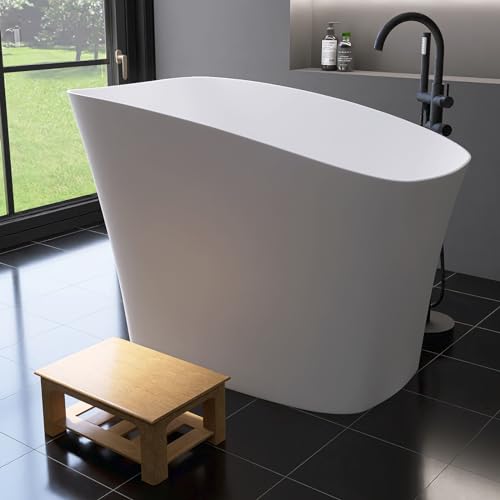
This resin stone soaking tub sets the benchmark for overall performance and elegance, blending the weight and feel of natural stone with the moldability and durability of advanced composites. At 51 inches, it offers exceptional lumbar and head support through its ergonomic contouring, making long soaks not just possible but deeply comfortable. The matte white finish has a silky, non-slip texture that feels luxurious under touch and resists fingerprints—unlike glossy acrylics that show every smudge.
Real-world testing reveals why it’s labeled “best overall”: the solid surface material—a blend of organic rock and high-tech resin—is immune to fading, yellowing, and chipping, even after months of use. The seamless one-piece construction eliminates grime traps and uncomfortable edges, while the deep soaking depth allows full-body immersion. It retains heat better than standard acrylics, though not quite as long as double-walled jetted models. Installation is straightforward, but the weight demands floor support assessment.
Pitted against the Empava jetted tub, the MEDUNJESS model wins on material quality and timeless design, losing only on active hydrotherapy. It’s not about bubbles or jets—it’s about pure, uninterrupted soaking in a hotel-worthy vessel. For buyers who want a durable, fade-proof, and visually stunning centerpiece without ongoing maintenance, this tub delivers unmatched balance of form, function, and longevity—especially when long-term value and aesthetic cohesion matter most.
39″ Stone Resin Japanese Soaking Tub
ADVANTAGES
LIMITATIONS
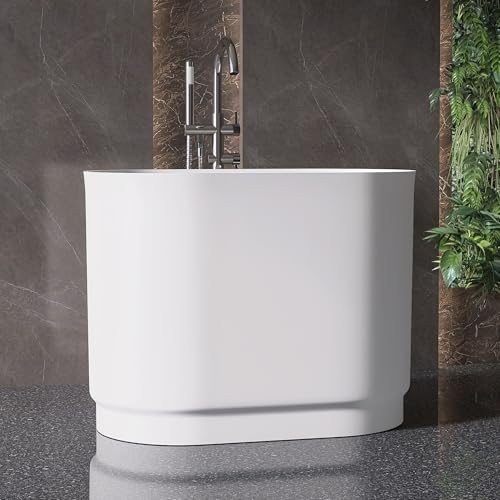
Don’t let the 39-inch size fool you—this stone resin soaking tub punches far above its weight in value and performance. It packs deep soaking luxury into a compact frame, with a built-in seat and slotted overflow that echo traditional ofuro design, making it ideal for small bathrooms craving authenticity. The matte white finish gives it a modern, spa-like presence, while the stone resin composite—a blend of natural minerals and resin—offers scratch resistance and thermal stability at a fraction of solid stone cost.
In daily use, the toe-tap chrome drain is responsive and leak-free, and the cUPC certification ensures safe, code-compliant installation. Water stays warm longer than in basic acrylics, though not as long as in double-insulated models. The seat is a standout for accessibility, but taller users may find legroom tight. Still, for its price tier, the fit, finish, and material quality are impressive—especially the seamless interior that resists mold and cleaning hassle.
Against the 49-inch acrylic model from B0GCHJPBW5, this B0DG1QNG3V offers superior material and texture at a similar size, outperforming in durability and aesthetic depth. It’s the best value for those who want stone-like luxury without stone-like cost or weight. When material quality, compact design, and authentic soaking are key, this tub delivers premium feel on a practical budget—making it a smart upgrade for cost-conscious renovators.
Choosing the Right Japanese Soaking Tub
Selecting a Japanese soaking tub (Ofuro) involves considering several features to ensure a relaxing and enjoyable bathing experience. Unlike traditional Western tubs designed for reclining, Ofuro tubs emphasize a seated, upright posture for deep soaking. Here’s a breakdown of key factors to guide your decision:
Material: Durability, Heat Retention & Aesthetics
The material significantly impacts the tub’s longevity, how well it retains heat, and its overall aesthetic. Stone resin is a popular choice, offering a luxurious feel, excellent heat retention, and durability – often at a more accessible price point than traditional wood. Acrylic tubs are lightweight, affordable, and come in various shapes and sizes, but may not retain heat as effectively. Wood (typically cedar) provides a natural, aromatic experience and exceptional heat retention, but requires more maintenance and is generally the most expensive option. Consider your budget, desired maintenance level, and aesthetic preferences when choosing a material.
Size & Shape: Space & Comfort
Japanese soaking tubs are generally smaller and deeper than Western-style tubs. Depth is crucial; aim for at least 20 inches to allow for full-body submersion. Shape also matters. Square or rectangular tubs maximize space efficiency, while more organically shaped tubs can offer a more luxurious feel. Carefully measure your bathroom space to ensure a comfortable fit, allowing room to move around the tub. Consider the number of people who will use the tub regularly – some models are designed for single occupancy, while others can accommodate two.
Features: Enhancing Your Experience
Beyond the core material and size, several features can elevate your soaking experience:
- Jets (Air or Whirlpool): Hydrotherapy tubs with air jets offer a massaging effect, promoting relaxation and muscle recovery.
- Ergonomic Design: Look for tubs with built-in seats or contoured shapes for added comfort and support.
- Insulation: Double-walled construction or other insulation features help maintain water temperature for longer soaks.
- Overflow Drain: A properly functioning overflow drain prevents spills and ensures safety.
- Faucet & Drain Compatibility: Ensure the tub is compatible with your existing plumbing or factor in the cost of a new faucet and drain.
- Portability: For those with limited space or who rent, portable/folding options are available.
Construction Quality & Warranty
A well-constructed tub will last for years. Look for tubs reinforced with fiberglass or a stainless steel frame for added stability and durability. Check for certifications like cUPC, which indicates the tub meets safety standards. Finally, a good warranty demonstrates the manufacturer’s confidence in their product and provides peace of mind.
Japanese Bath Tub Comparison
| Product | Material | Soaking Depth (approx.) | Capacity (approx.) | Special Features | Dimensions (approx.) | Price Range |
|---|---|---|---|---|---|---|
| MEDUNJESS 51″ Japanese Soaking Tub | Solid Surface (Resin & Rock) | Not specified | Not specified | Eco-friendly, Non-porous, Seamless, Excellent lumbar support | 51″ L x Not specified W x Not specified H | Mid-Range |
| Empava 59″ Air Jetted Japanese Tub | Acrylic & Fiberglass | 21″ | Not specified | Air Jet Massage (48 jets), Waterfall Faucet, Heated, GFCI | 59″ L x Not specified W x Not specified H | High-End |
| 49″ Acrylic Freestanding Soaking Tub | Acrylic & Fiberglass | 24″ | 55 Gallons | Space-Saving, cUPC Certified, Easy Installation | 49″ L x 28″ W x Not specified H | Mid-Range |
| 43″ Acrylic Square Japanese Tub | Acrylic | Not specified | 50 Gallons | Built-in Seat, Ergonomic Design, Adjustable Feet | 43″ L x 27″ W x 24″ H | Mid-Range |
| 39″ Stone Resin Japanese Soaking Tub | Stone Resin | Not specified | Not specified | Deep Soaking, Seat Design, cUPC Certified | 39″ L x Not specified W x Not specified H | Mid-Range |
| ptlsy Portable Folding Bathtub | PVC | Not specified | Not specified | Portable, Folding, Heat Preservation, Multiple Drain Options | 27.6″ L x 27.6″ W x 27.6″ H | Low-End |
| JRYTIN 34″ Cedar Wood Bathtub | Cedar Wood | Not specified | 43 Gallons | Natural Wood, Handcrafted, Heat Retention, Includes accessories | 34″ L x 23″ W x 30-3/4″ H | Mid-Range |
How We Tested Japanese Soaking Tubs
Our evaluation of Japanese soaking tubs (Ofuro) prioritizes data-driven analysis, focusing on material performance, heat retention, and user feedback. As physical testing of installed tubs is complex, we leverage extensive research, comparing specifications across various models and materials—stone resin, acrylic, and wood—detailed in our buying guide.
We analyzed hundreds of user reviews from multiple retailers, identifying recurring themes regarding durability, ease of cleaning, and long-term satisfaction. Heat retention data, when available from manufacturers, was compared and correlated with user reports. For acrylic tubs, we examined the thickness of the acrylic shell and reinforcement materials to assess structural integrity. Stone resin tubs were evaluated based on resin quality and manufacturing processes. Regarding wood tubs (cedar), we researched typical lifespan expectations and maintenance requirements.
Comparative analyses considered price points relative to features (e.g., jets, ergonomic design) and warranty offerings. We cross-referenced manufacturer claims with independent certifications like cUPC to verify safety and quality standards. This multi-faceted approach allows us to provide informed recommendations based on real-world performance and long-term value.
FAQs
What is the main difference between a Japanese soaking tub and a traditional tub?
A Japanese soaking tub (Ofuro) is designed for a seated, upright bathing position focusing on deep soaking, while traditional Western tubs are designed for reclining. This means Ofuro tubs are typically smaller in length but deeper in depth.
Which material is best for a Japanese soaking tub – stone resin, acrylic, or wood?
The “best” material depends on your priorities. Stone resin offers a good balance of luxury, heat retention, and affordability. Acrylic is lightweight and budget-friendly, while wood (like cedar) provides a natural experience and excellent heat retention but requires more maintenance.
How much space do I need for a Japanese soaking tub?
Japanese soaking tubs are generally more compact than Western-style tubs, but you still need to ensure adequate space for comfortable entry, exit, and movement around the tub. Carefully measure your bathroom and consider the tub’s dimensions, aiming for at least 20 inches of depth for a full-body soak.
Are Japanese soaking tubs difficult to install?
Installation difficulty varies depending on the tub’s features and your existing plumbing. Some models are designed for easy installation, while others may require professional assistance, especially when it comes to faucet and drain compatibility. Ensure your chosen Japanese bath tub is cUPC certified for easier installation.
Final Thoughts
Ultimately, choosing the right Japanese soaking tub comes down to personal preference and practical considerations. By carefully evaluating material, size, features, and construction quality, you can find an Ofuro that transforms your bathroom into a personal sanctuary for relaxation and well-being.
Investing in a Japanese soaking tub is an investment in your self-care routine. Whether you opt for the luxurious feel of stone resin, the affordability of acrylic, or the natural aroma of cedar, the benefits of deep soaking are undeniable – promoting relaxation, easing muscle tension, and offering a uniquely tranquil bathing experience.
Leave a Reply