Transform your ordinary bath into a therapeutic sanctuary with the simple addition of lavender essential oil. This fragrant oil has been used for centuries to melt away stress, ease muscle tension, and prepare your body for restful sleep. However, many bath enthusiasts make the critical mistake of adding undiluted oil directly to their tub, risking skin irritation and diminishing the oil’s effectiveness. Learning the proper techniques for incorporating lavender oil into your bathing routine unlocks its full potential while ensuring your safety.
When you master the art of the lavender-infused bath, you create more than just a pleasant soak—you establish a powerful self-care ritual that addresses multiple wellness needs simultaneously. Whether you’re seeking relief from daily stressors, recovering from physical exertion, or establishing a bedtime routine that actually works, the right lavender bath technique delivers results you can feel immediately.
Why Lavender Oil Belongs in Your Bath
Lavender essential oil contains powerful compounds like linalool and linalyl acetate that work synergistically when combined with warm bathwater. As you soak, these compounds release into the steam and absorb through both your skin and respiratory system, creating a dual therapeutic effect that store-bought bath products can’t replicate. The warmth of the water opens your pores, enhancing absorption while the aromatic vapors signal your brain to shift into relaxation mode.
This scientific explanation validates why lavender baths have been recommended across cultures for anxiety relief, insomnia treatment, muscle recovery, and skin healing. The scent of lavender has been clinically shown to reduce heart rate and blood pressure within minutes of exposure, making it an ideal natural solution for stress relief without pharmaceuticals. Unlike synthetic fragrances that merely mask stress, lavender oil actively changes your physiological state, creating measurable calm throughout your entire body.
Essential Dilution Methods That Prevent Skin Irritation

Adding undiluted lavender oil directly to bathwater is the most dangerous mistake bathers make. Essential oils are highly concentrated plant extracts that can cause skin irritation or chemical burns when applied improperly. Always dilute lavender oil using one of these three proven methods before adding it to your bath.
Whole milk serves as an excellent dispersal agent because its fat content helps distribute the oil evenly throughout the water. Mix 5-10 drops of lavender oil with ½-1 cup of whole milk in a small bowl, then pour the mixture into running bathwater while stirring vigorously. This prevents the oil from floating on the surface where it could cause concentrated contact with your skin.
Carrier oils like sweet almond, jojoba, or fractionated coconut oil provide dual benefits—they disperse the essential oil while leaving your skin feeling nourished. Combine 5-10 drops of lavender oil with 1-2 tablespoons of your chosen carrier oil before adding to the bath. For acne-prone skin, opt for lightweight grapeseed oil that won’t clog pores while still providing proper dilution.
Epsom salts offer therapeutic benefits beyond simple oil dispersion. The magnesium in Epsom salts absorbs through your skin to enhance muscle relaxation, making this combination ideal for post-workout recovery. Dissolve 1-2 cups of Epsom salts in warm bathwater first, then mix in 5-10 drops of lavender oil and stir thoroughly to ensure even distribution throughout the tub.
Perfecting Your Lavender Bath Experience
Water temperature dramatically impacts your lavender bath’s effectiveness. Aim for 92-100°F (33-38°C)—warm enough to soothe muscles but not so hot that it causes excessive sweating or discomfort. Test the temperature with your elbow or inner wrist, as these areas better gauge comfortable soaking conditions than your hands.
Begin filling your tub with warm water, then add your pre-mixed lavender oil solution while the water is still running. Continue stirring for 30 seconds after the tub is full to ensure complete dispersion. Never add oil after you’ve entered the tub, as this increases the risk of undiluted oil contacting your skin directly.
For maximum benefit, time your lavender bath to last 15-20 minutes—long enough for therapeutic absorption but not so long that your skin becomes overly pruned. If using the bath for sleep preparation, finish soaking about 90 minutes before bedtime to allow your body temperature to drop naturally, signaling to your brain that it’s time for rest.
Targeted Lavender Bath Recipes for Specific Needs

Your lavender bath should match your specific wellness goals. For daily stress relief, combine 5-8 drops of lavender oil with 1 tablespoon of sweet almond oil and ½ cup of whole milk. Add this mixture to warm running water, dim the lights, and play soft instrumental music to enhance the calming effect.
Athletes and active individuals benefit from the muscle recovery bath: mix 5 drops of lavender oil with 3 drops of peppermint and 2 drops of eucalyptus in 2 tablespoons of fractionated coconut oil. The peppermint provides a cooling sensation that distracts from muscle soreness while lavender promotes nervous system relaxation essential for healing.
Those struggling with insomnia should try the “Sleepy Time Soak”: blend 8 drops of lavender oil with 4 drops of chamomile essential oil, 2 tablespoons of coconut oil, and 1 cup of whole milk. The combination creates a powerful relaxation effect that trains your body to associate this ritual with sleep preparation when performed consistently.
For irritated or dry skin, create a soothing skin bath by mixing 4 drops of lavender oil with 1 tablespoon of colloidal oatmeal and 1 tablespoon of honey. Add to lukewarm water and soak for 10-15 minutes before gently patting skin dry. The oatmeal calms itching while honey locks in moisture.
Critical Safety Considerations You Must Know
Pregnant women should consult their healthcare provider before using lavender oil baths, especially during the first trimester. If approved, use only 3-4 drops diluted in carrier oil rather than the standard amount. Nursing mothers should follow the same precautionary approach despite lavender’s generally safe profile.
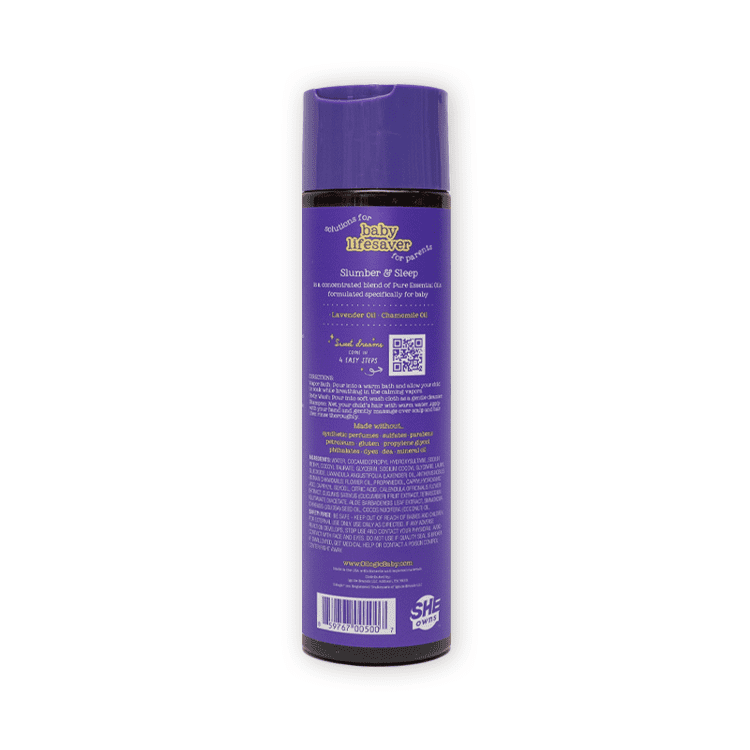
Children can safely enjoy lavender baths with proper dilution: 1-2 drops for infants 6-24 months, 3-5 drops for children 2-12 years. Always dilute in carrier oil first and avoid lavender baths entirely for babies under six months unless specifically approved by a pediatrician.
Perform a patch test if you have sensitive skin—mix one drop of lavender oil with one teaspoon of carrier oil, apply to your inner wrist, and wait 24 hours. If no reaction occurs, you can proceed with caution, starting with fewer drops than recommended and gradually increasing as tolerated.
Pets require special consideration—cats cannot metabolize certain essential oil compounds, so keep them out of the bathroom during and after your bath. Dogs are more tolerant but still need proper ventilation. Avoid lavender baths entirely if you have birds or fish, as they’re extremely sensitive to essential oil vapors.
Common Lavender Bath Mistakes That Ruin the Experience
Adding undiluted oil directly to bathwater remains the most dangerous error, causing potential skin irritation and uneven distribution. Always pre-mix with a dispersal agent regardless of time constraints—your skin’s health depends on proper dilution.
Using excessive oil (more than 10-12 drops per bath) overwhelms your senses, potentially causing headaches and increasing irritation risk. Quality lavender oil is potent—start with 5 drops and increase only if needed. Remember that “more” never equals “better” with essential oils.
Ignoring water temperature sabotages your entire experience. Water that’s too hot degrades beneficial compounds and causes excessive skin dryness, while water that’s too cool prevents proper oil dispersion. Invest in an inexpensive bath thermometer to maintain the ideal 92-100°F range consistently.
Skipping post-bath care diminishes lasting benefits. Apply moisturizer within 3 minutes of exiting the tub to lock in hydration while your pores are still open. For sleep-focused baths, wear comfortable pajamas immediately and avoid bright screens to maintain your relaxed state.
Final Thoughts for Lavender Bath Success
Creating the perfect lavender oil bath requires attention to detail but delivers extraordinary rewards for minimal effort. By following these evidence-based techniques—proper dilution, targeted recipes, and safety precautions—you transform a simple soak into a powerful wellness ritual. Start with the basic methods outlined here, then refine your approach based on your body’s unique responses. Track how different variations affect your stress levels, sleep quality, and muscle recovery to create your personalized lavender bath formula. With consistent practice, this affordable self-care ritual becomes your go-to solution for daily rejuvenation, proving that true relaxation is just a properly prepared bath away.
Leave a Reply