That forgotten bottle of Bath and Body Works lotion you discovered while cleaning out your bathroom cabinet has sparked a critical question: is it still safe to use? The short answer is yes—Bath and Body Works lotions do expire, and using them past their prime can compromise your skin’s health while diminishing their moisturizing benefits. Many consumers mistakenly believe that because lotions lack a clear expiration date like food products, they remain safe indefinitely. However, cosmetic chemists confirm that all lotions have a finite lifespan during which they maintain both safety and effectiveness. This guide reveals exactly how long your favorite Bath and Body Works lotions last, how to spot expiration signs you can’t afford to ignore, and practical storage techniques that maximize your investment while protecting your skin.
Most skincare enthusiasts don’t realize that lotions undergo chemical changes over time that affect both performance and safety. Bath and Body Works products contain complex blends of water, oils, emulsifiers, preservatives, and active ingredients that gradually break down once the seal is broken. Using expired lotion might seem harmless, but degraded ingredients can cause unexpected skin reactions, reduced moisturizing power, and even bacterial contamination. Understanding the precise expiration timeline for your specific lotion type—whether it’s a lightweight daily moisturizer or a rich body butter—helps you avoid these risks while ensuring you get the full value from each purchase.
How Long Your Bath and Body Works Lotion Actually Lasts

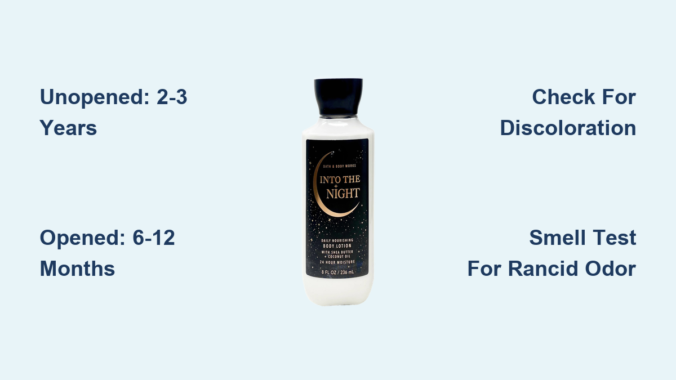
Bath and Body Works lotions follow industry-standard expiration timelines that vary significantly based on whether the product remains sealed or has been opened. Unopened lotions maintain their optimal quality for approximately two to three years when stored in cool, dry conditions away from direct sunlight. This timeframe represents the manufacturer’s guarantee of peak performance, though products with robust preservative systems may remain stable slightly longer. The printed batch code on packaging provides manufacturing date information, but Bath and Body Works typically doesn’t include explicit expiration dates on their products—a common practice in the cosmetics industry.
Once you break the seal on your lotion, the clock starts ticking much faster due to constant exposure to environmental factors. Opened lotions generally remain effective for six to twelve months, though this window depends heavily on formulation. Water-based lotions like the brand’s classic daily moisturizers have shorter lifespans (closer to six months) because water creates an ideal breeding ground for bacteria once preservatives begin breaking down. In contrast, richer formulas like the Body Care Collection body butters with higher concentrations of shea butter and coconut oil often last closer to the full twelve months due to their lower water content.
What Affects Your Lotion’s Shelf Life?
Product formulation matters significantly—lotions containing natural ingredients like essential oils, plant extracts, or fruit enzymes typically expire faster than synthetic-heavy formulations. The iconic Japanese Cherry Blossom line, for example, contains delicate fragrance compounds that oxidize more quickly than the simpler scents in basic moisturizers.
Packaging design plays a crucial role—pump bottles dramatically extend shelf life compared to open jars because they minimize direct contact with fingers and airborne contaminants. If you own the popular hand cream jars, you’re introducing bacteria with every application, potentially cutting your product’s viable lifespan by months.
Your usage habits determine longevity—frequently dipping wet fingers into lotion containers introduces moisture that accelerates bacterial growth. Using clean, dry hands or a dedicated applicator spoon extends product life considerably compared to casual application methods.
Warning Signs Your Lotion Has Expired (Don’t Ignore #3)

Ignoring these visual cues puts your skin at risk of irritation or infection from degraded products. Expired lotions often display multiple warning signs that become increasingly obvious with time.
Why Discoloration Means Danger
A noticeable yellowing or darkening of your once-creamy white lotion indicates advanced oxidation of oils and butters. The vanilla-scented products are particularly susceptible to this change due to vanilla’s natural browning properties over time. Don’t be fooled if only part of the product shows discoloration—stirring won’t reverse ingredient breakdown, and uneven coloring signals serious formulation separation.
Texture Changes That Signal Spoilage
Expired lotions develop telltale texture issues that compromise their moisturizing capabilities. Graininess feels like fine sand beneath your fingers, indicating sugar crystallization in products containing natural extracts. Separation that doesn’t resolve after vigorous shaking shows the emulsion has permanently broken down—oil floating on top of watery base means the lotion can no longer deliver consistent hydration. The rich body butters may become unexpectedly hard or develop an unpleasantly greasy film that doesn’t absorb properly.
The Smell Test You Can’t Afford to Skip
Your nose provides the most reliable expiration indicator—rancid, sour, or “off” odors develop as oils oxidize beyond safe levels. The distinctive “old crayon” smell indicates advanced degradation of petroleum-based ingredients, while a vinegar-like sourness signals bacterial contamination. Trust your senses: if your beloved Warm Vanilla Sugar no longer smells as sweet as when purchased, it’s time for replacement regardless of how recently you opened it.
Bathroom Storage Is Killing Your Lotion’s Lifespan
Keeping lotions in the bathroom seems logical but dramatically accelerates expiration through three destructive mechanisms you can easily avoid.
Humidity’s Hidden Damage
Steam from showers introduces microscopic moisture into lotion containers every time you open them in a humid environment. This invisible water influx creates ideal conditions for mold and bacteria growth, particularly in products with weaker preservative systems. The Floral collection’s lighter formulas suffer most from this issue due to their higher water content compared to the brand’s richer offerings.
Temperature Swings That Break Down Ingredients
The dramatic temperature fluctuations between hot showers and cool nighttime bathroom conditions cause lotion ingredients to repeatedly expand and contract. This thermal stress fractures the delicate emulsion that keeps oil and water components properly blended. Within weeks, you’ll notice increased separation and texture changes that compromise performance.
Better Storage Solutions That Work
Move your lotions to a bedroom dresser drawer or hallway closet where temperatures remain stable between 65-75°F (18-24°C). For daily-use products, select a decorative box that protects from light while keeping containers organized. If you prefer bathroom access, store lotions in a closed vanity cabinet away from the shower spray zone—this simple change can extend product life by several months.
Natural Ingredient Lotions Need Extra Attention
Bath and Body Works’ increasingly popular natural-focused lines require special handling considerations due to their ingredient composition.
Why Shea Butter Formulas Degrade Faster
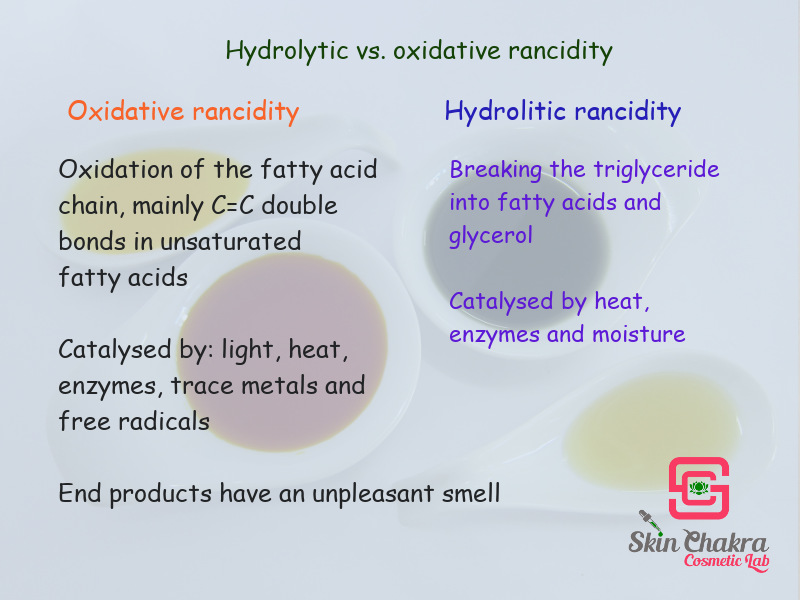
The brand’s Shea Butter collection contains high concentrations of natural butters that provide exceptional moisture but oxidize more quickly than synthetic alternatives. These rich formulas develop a distinct “nutty” rancid smell when expired—a clear signal to discard even if other signs aren’t apparent. Always purchase smaller sizes of these premium products to ensure usage within their shorter viable window.
Fragrance Complexity Equals Shorter Shelf Life
Signature scents like Black Camellia or Japanese Cherry Blossom contain complex fragrance blends with top, middle, and base notes that degrade at different rates. Over time, you’ll notice the scent profile changes—top notes fade first, leaving an unbalanced aroma that may cause unexpected skin sensitivity. This chemical transformation happens regardless of how “good” the lotion still smells to casual users.
When to Toss Your Lotion (Safety First)
Don’t risk skin damage by using questionable products—follow these clear replacement guidelines.
The One-Year Rule You Must Follow
Discard all opened lotions after twelve months regardless of appearance. Mark your calendar when you first open a product, or use a waterproof marker to write the opening date directly on the container bottom. This simple habit prevents accidental use of expired products that may have degraded beyond visible signs.
Patch Testing Protocol for Older Products
Before applying older lotions to large skin areas, conduct a 24-hour patch test on your inner forearm. Apply a pea-sized amount, cover with a bandage, and check for redness, itching, or swelling the next day. Any reaction means immediate discontinuation—your skin is detecting ingredient breakdown invisible to your eyes.
Smart Habits That Maximize Lotion Longevity
Implement these professional techniques to extend your Bath and Body Works investment while maintaining product safety.
Hygiene Practices That Prevent Contamination
Always use clean, completely dry hands when applying from jars. Consider transferring jar products to pump bottles using a sterilized spoon to minimize repeated finger contact. Never share lotions between family members—a single contaminated application can spoil an entire container.
Size Selection Strategy That Prevents Waste
Purchase smaller sizes of seasonal or specialty scents you use less frequently. The travel-size lotions (2.5 oz) ensure you’ll finish products within their viable window, while reserving full-size containers (8.5-13 oz) for your daily-use favorites. This approach maintains consistent product freshness while maximizing value.
Refrigeration Benefits for Premium Products
Store high-end items like the Signature Collection body creams in the refrigerator during hot summer months. The consistently cool temperature dramatically slows oxidation and preserves delicate fragrance notes. Allow products to return to room temperature before application for optimal absorption.
Bath and Body Works lotions do expire—typically lasting two to three years unopened and six to twelve months after opening—making proper identification and storage essential for skin safety and product effectiveness. By recognizing the critical warning signs of expiration, implementing smart storage solutions, and following strict replacement timelines, you protect your skin while maximizing your investment in these popular products. When in doubt about a lotion’s condition, replacing it provides the safest path to maintaining healthy, hydrated skin without risking irritation from degraded ingredients. Start tracking your lotion opening dates today to ensure every application delivers the premium moisture experience you expect from Bath and Body Works.
Leave a Reply