Plunging into an ice bath after an intense workout promises faster recovery, reduced muscle soreness, and improved performance—but the evidence supporting these ice bath after workout benefits remains surprisingly mixed. Thousands of athletes from weekend warriors to Olympians swear by this cold therapy, immersing themselves in water between 12–15°C for 5–20 minutes post-exercise. Yet controlled studies have failed to consistently demonstrate advantages over passive recovery or other techniques. Understanding what the research actually shows—rather than the marketing hype—can help you determine whether this popular recovery method deserves a spot in your routine or if you’re better off skipping the shivers.
The debate around ice bath after workout benefits centers on conflicting findings: some studies show improved lactate clearance with contrast therapy, while others reveal impaired performance and interference with long-term training adaptations. As you’ll discover, the truth about cold water immersion is far more nuanced than fitness influencers often portray, with significant individual variation in response and important considerations for different training goals.
Why Cold Water Immersion Fails to Reduce Muscle Soreness
Contrary to popular belief, multiple studies demonstrate that ice bath after workout benefits for reducing delayed onset muscle soreness (DOMS) are largely unsupported by evidence. The Sellwood study randomized volunteers to three 1-minute immersions in either 5°C ice water or 24°C tepid water after exercise. Researchers found the ice water protocol provided no meaningful reduction in DOMS markers compared to the control group. Participants reported similar levels of pain and stiffness regardless of water temperature, challenging the widespread assumption that cold therapy automatically minimizes post-workout soreness.
This finding aligns with physiological reality: DOMS appearing 24–72 hours post-exercise stems primarily from inflammation and microtrauma in muscle fibers rather than lactic acid accumulation. Since lactate typically clears from muscles within hours after exercise ends, therapies targeting “lactic acid removal” address the wrong mechanism for delayed soreness. If your primary goal is reducing next-day soreness, current evidence suggests ice baths offer little advantage over proper rest, hydration, and nutrition.
How Ice Baths Actually Impair Cycling Performance
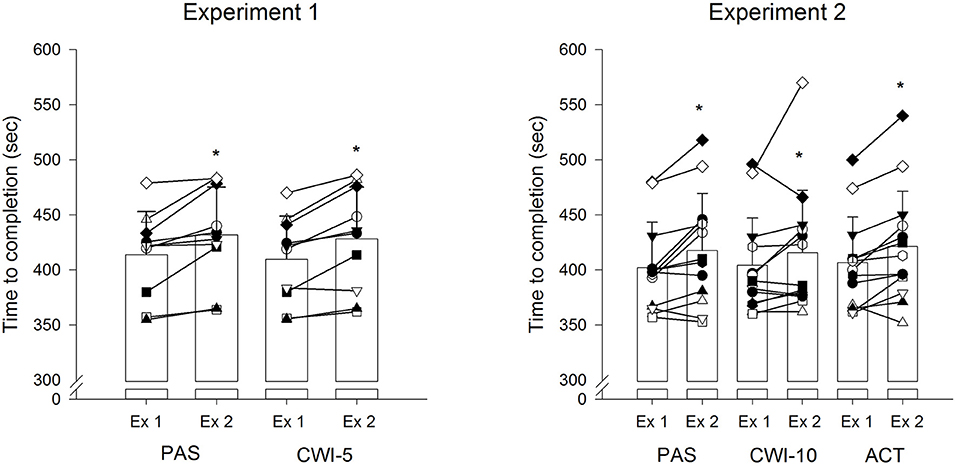
For athletes needing to maintain peak performance across multiple training sessions, ice bath after workout benefits may actually backfire. The Schiziepp study comparing well-trained cyclists revealed that those undergoing ice water immersion experienced a 13.7% decline in maximum power output—more than triple the 4.7% decrease seen in the control group. Maximum heart rate also dropped significantly (8.1% vs. 2.4%), indicating substantial cardiovascular interference from the cold exposure.
These performance impairments likely stem from how cold water immersion disrupts natural recovery processes. Japanese researchers Yamane and colleagues found that increased artery diameter and exercise-induced hyperthermia are essential for key training adaptations including myofiber regeneration and improved blood flow. By cooling muscles too aggressively, ice baths may blunt these beneficial physiological responses, ultimately sabotaging your long-term progress despite offering temporary pain relief.
Case Study: Marathoner’s Worst Soreness After Ice Bath
Consider the case of NCK, a 25-year-old marathoner who presented to the Emergency Department with severe lower limb pain 12 hours after completing a 42-km race. Despite immediately immersing himself in an ice tub as he always did, this training session produced the worst muscle soreness he’d ever experienced. Examination revealed normal muscle power and neurological function, but his creatine kinase levels showed a slight elevation (199 U/L), indicating significant muscle stress.
This real-world example demonstrates that ice bath after workout benefits don’t guarantee protection against severe DOMS, even for experienced athletes. NCK had regularly used ice immersion therapy believing it helped him recover more quickly—yet it failed to prevent debilitating soreness in this instance. Similar cases include a 23-year-old martial artist who developed bilateral arm pain after competition despite his six-month ice bath routine, with normal lab results confirming no underlying medical condition.
Why Athletes Continue Using Ineffective Ice Baths
Despite evidence questioning ice bath after workout benefits, many athletes persist because of powerful placebo effects and psychological comfort. The immediate numbing sensation provides temporary pain relief that feels like recovery in action. Additionally, the ritualistic nature of ice baths creates a mental transition from training to recovery, which may help athletes psychologically “switch off” after intense efforts.
Research suggests water immersion itself—not necessarily the cold temperature—may deliver some benefits through hydrostatic pressure effects. When you immerse your body, fluid shifts from the extravascular space into the vascular compartment, reducing exercise-induced increases in muscle volume and soft tissue inflammation. This process occurs regardless of water temperature, meaning lukewarm immersion might provide similar benefits without the risks of extreme cold.
Contrast Therapy Outperforms Ice Baths for Lactate Clearance
If you’re seeking genuine ice bath after workout benefits for faster recovery between sessions, contrast temperature therapy offers more scientific support than cold immersion alone. The Hamlin and Morton research demonstrated that alternating between hot baths (37–43°C) and cold baths (12–15°C) with a 3:1 or 4:1 warm-to-cold ratio substantially reduced blood lactate concentration and heart rate during recovery.
The typical protocol involves:
– 3–5 minutes in warm water (37–43°C)
– 1–3 minutes in cold water (12–15°C)
– Repeating this cycle for 20–30 minutes total
– Always finishing on the cold phase to encourage vasoconstriction
This alternating approach creates a “pumping” effect through repeated vasodilation and vasoconstriction, theoretically enhancing blood flow and waste product removal more effectively than sustained cold exposure. However, studies comparing showers to full immersion found brief cold exposures (approximately one minute) may not sufficiently decrease muscle temperature after warm water phases, potentially reducing effectiveness.
Proper Ice Bath Protocol for Minimal Risk

If you decide to try cold water immersion despite the questionable benefits, follow these evidence-based guidelines to maximize safety:
Optimal Temperature and Duration
- Water temperature between 12–15°C (54–59°F)
- Immersion duration of 5–10 minutes (never exceed 20 minutes)
- Chest- or waist-high immersion for systemic effects
- Exit immediately if experiencing excessive discomfort or numbness
When to Avoid Ice Baths Completely
- Within 48 hours of strength or hypertrophy training (may impair adaptations)
- Before competitions requiring peak power output
- If you have cardiovascular conditions or cold sensitivity disorders
- During pregnancy or if taking medications affecting thermoregulation
Critical warning: Never immerse your head or neck in ice water due to drowning risk from involuntary gasping reflexes triggered by cold shock. Always have someone nearby when attempting cold therapy, especially during initial exposures.
Better Alternatives for Post-Workout Recovery
Instead of relying on unproven ice bath after workout benefits, prioritize these evidence-based recovery strategies that deliver consistent results:
Foundational Recovery Practices
- 7–9 hours of quality sleep nightly (non-negotiable for muscle repair)
- Immediate post-workout nutrition with 20–40g protein and carbohydrates
- Active recovery through light movement like walking or cycling
- Hydration with electrolyte replacement for intense/long sessions
Advanced Recovery Techniques
- Compression garments shown to reduce DOMS in multiple studies
- Foam rolling for immediate pain relief and improved range of motion
- Massage therapy targeting specific muscle groups showing tension
- Strategic rest days allowing 48–72 hours between intense sessions
These approaches address the actual physiological mechanisms behind recovery without potentially interfering with training adaptations as cold therapy might. For most recreational athletes, focusing on these fundamentals delivers more consistent results than chasing marginal ice bath benefits.
The Verdict on Ice Bath After Workout Benefits

Current scientific evidence does not support ice bath after workout benefits as an essential recovery tool for most athletes. While some individuals report subjective improvements in soreness and readiness, controlled studies reveal inconsistent results at best—and potential interference with training adaptations at worst. The most compelling research actually supports contrast temperature therapy over cold immersion alone, particularly for lactate clearance between same-day training sessions.
For strength athletes and those focused on long-term muscle development, ice baths may do more harm than good by blunting the inflammatory response necessary for hypertrophy. Endurance athletes might find limited benefits from contrast therapy between multiple daily sessions, but even this application lacks strong evidence. The bottom line: don’t sacrifice proven recovery fundamentals for unproven ice bath benefits. Prioritize sleep, nutrition, hydration, and appropriate training spacing—then consider cold therapy only as a potential supplement, not a replacement, for these essentials.
If you choose to experiment with cold water immersion, track your performance and soreness objectively rather than relying on subjective feelings. Many athletes discover their “ice bath benefits” were largely psychological once they implement proper controls. As research continues, we may identify specific populations or protocols where cold therapy provides measurable advantages—but for now, the science suggests most athletes would be better served by simpler, more proven recovery methods.
Leave a Reply