Waking up to find your favorite towel mysteriously swapped with someone else’s is more than just annoying—it’s a daily frustration millions face in shared households, gyms, and vacation rentals. Without a reliable system for how to label bath towels, even the most organized homes descend into textile chaos within weeks. Proper towel identification prevents cross-contamination, maintains hygiene standards, and protects your investment in quality linens. This guide reveals exactly which labeling methods work in real-world conditions, from family bathrooms to commercial facilities, so you can implement a system that actually solves your towel mix-up problems instead of creating new ones.
The right identification approach depends entirely on your specific environment and usage patterns. What works perfectly for a family of four becomes completely inadequate for a vacation rental property managing dozens of towels across multiple units. Temporary solutions that seem convenient initially often fail when exposed to regular washing cycles or active use scenarios. By understanding the strengths and limitations of each method before implementation, you’ll avoid the common pitfalls that render most towel labeling systems useless within months. The following sections break down proven strategies with specific implementation instructions you can apply immediately.
Match Family Members to Specific Towel Colors
Implementing a color-coded towel system requires strategic color selection and consistent placement across all household textiles. Start by choosing high-contrast colors that stand out against your existing towel palette—bright orange tags pop against white towels, while deep blue markers work well on beige or cream fabrics. Position identification markers at the same corner or edge on every towel so users develop automatic recognition habits without conscious effort. Document each family member’s assigned color in a visible location like the bathroom mirror or laundry room wall to reinforce the system.
Critical implementation steps for color-coding success:
– Assign one distinctive color per household member (red for Dad, purple for Mom, etc.)
– Use matching color markers on all towel types (bath, hand, washcloths)
– Create a reference chart for guests or new family members
– Purchase extra markers for replacement when originals wear out
The non-invasive nature of color-coding preserves your towels’ appearance and resale value, making it ideal for rental properties where permanent markings would diminish inventory worth. However, this system requires household buy-in and consistent application—new towels must receive immediate color coding, and users must respect assigned colors. Families with young children often find color-coding more effective than name-based systems since visual cues register faster for developing minds.
Install Clip-On Tags That Survive Washing Cycles

Quality towel clip tags feature reinforced gripping mechanisms specifically engineered to withstand both active use and commercial laundry conditions. Look for clips constructed from durable, flexible plastic that won’t crack when exposed to chlorine, UV rays, or repeated high-heat drying cycles. The grip strength must secure towels during vigorous activities like swimming or gym workouts while also resisting dislodgment during washing machine agitation. Most effective systems include color-coded markers that remain vibrant after hundreds of washes without fading or bleeding.
What to check before purchasing clip tags:
– Grip strength that holds firmly through multiple washing cycles
– UV-resistant colors that won’t fade in sunlight
– Chemical-resistant materials for pool or spa environments
– Compact storage solutions to prevent loss between uses
Gym owners report significant reductions in towel mix-ups after implementing clip systems—members immediately recognize their assigned colors without searching through piles of identical towels. The strong grip mechanism prevents accidental dislodgment during intense workouts, while the color-coded markers provide instant visual confirmation from across the locker room. For vacation rental operators, clip tags enable efficient tracking of which towels belong to which units without permanent alterations that would lower linen resale value.
Select Between Permanent and Removable Marking Systems
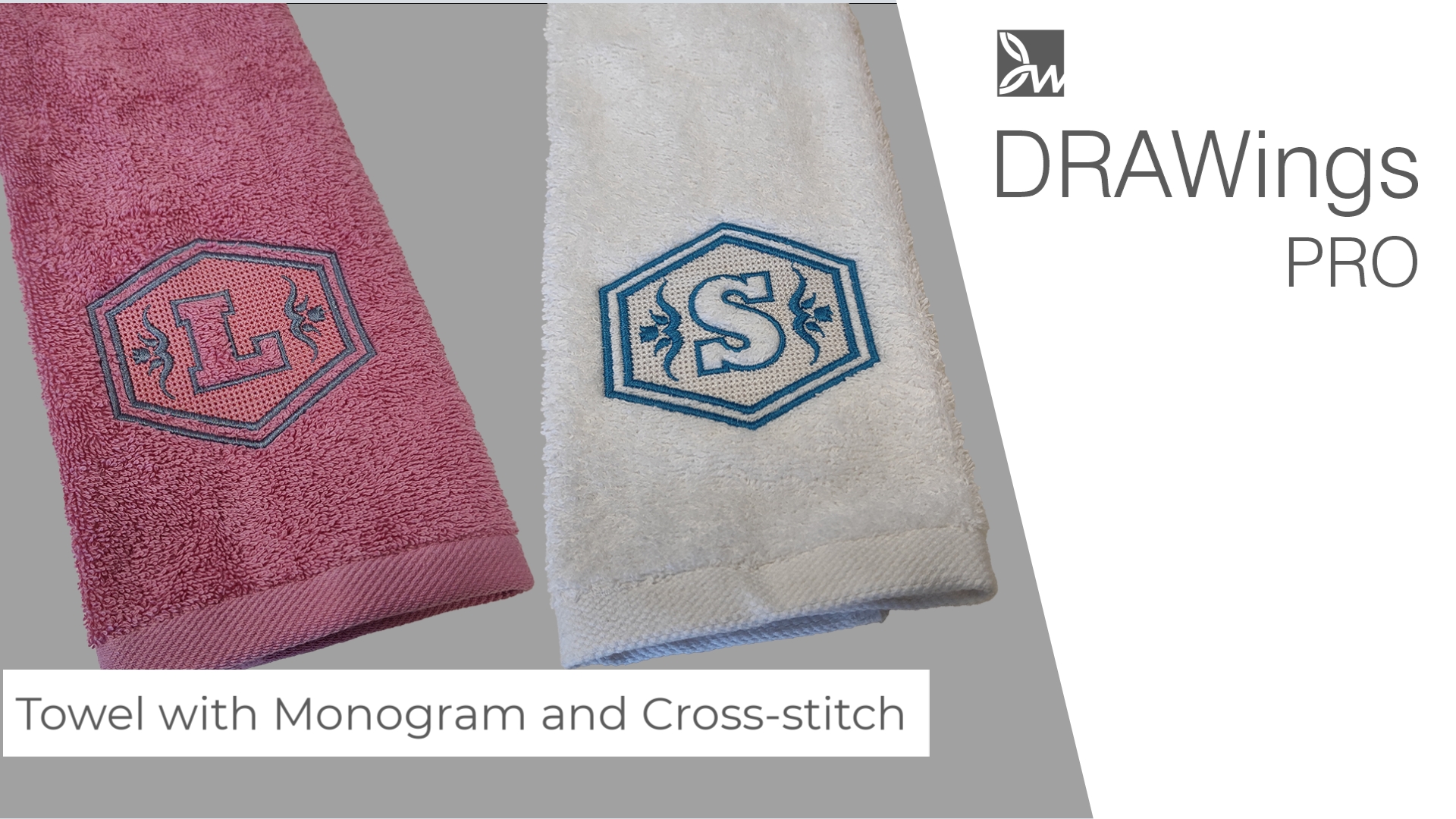
Permanent towel labeling methods like embroidery or fabric markers create identification that survives indefinitely but limits your flexibility when household dynamics change. Embroidered initials provide elegant, professional identification but require sewing skills or professional services for quality results. High-quality fabric markers offer simpler application but may fade over time, requiring periodic touch-ups after repeated laundering. The irreversible nature of permanent methods makes them ideal only for household towels serving the same users throughout their entire lifespan.
Temporary solutions outperform permanent methods when:
– Managing rental property or hospitality inventory
– Accommodating frequent guests or changing household members
– Traveling between different accommodations
– Preserving towel resale or donation value matters
Clip-based systems shine in dynamic environments where towel assignments change regularly. When a child outgrows their assigned color or a new family member joins the household, simply reassign existing clips rather than purchasing replacement towels. Fitness facilities benefit from this flexibility as membership rosters change, while vacation rental operators maintain professional appearance without damaging expensive linens. The initial investment in quality clips pays dividends through years of reusability across multiple towel sets and changing circumstances.
Adapt Labeling Systems for Different Usage Environments
Shared household bathrooms require identification markers positioned consistently across all towels so users develop automatic recognition habits. Place color-coded clips at the lower right corner of every towel—this location remains visible when towels hang on racks while avoiding contact with surfaces that could cause wear. For households with children, incorporate fun elements like animal-shaped clips or favorite colors to encourage compliance with the system. Document your color assignments where all household members can reference them, and establish protocols for adding new colors when circumstances change.
Hospitality settings need specialized approaches:
– Use clip tags to track room-specific towel inventory
– Implement color-coded systems for housekeeping rotation schedules
– Choose professional-looking tags that maintain aesthetic standards
– Select grips strong enough to survive commercial laundering cycles
Travelers benefit from compact clip systems with included mesh storage bags that keep components organized in luggage. The quick-attach design works across varied towel sizes and types encountered in hotels or rental properties. Quality travel clips leave no residue when removed, protecting both your towels and any provided linens you temporarily mark. This portability and non-invasive nature make clip systems the top choice for frequent travelers who’ve experienced the frustration of mixing up towels during group trips.
Prevent Label Failure Through Regular Maintenance
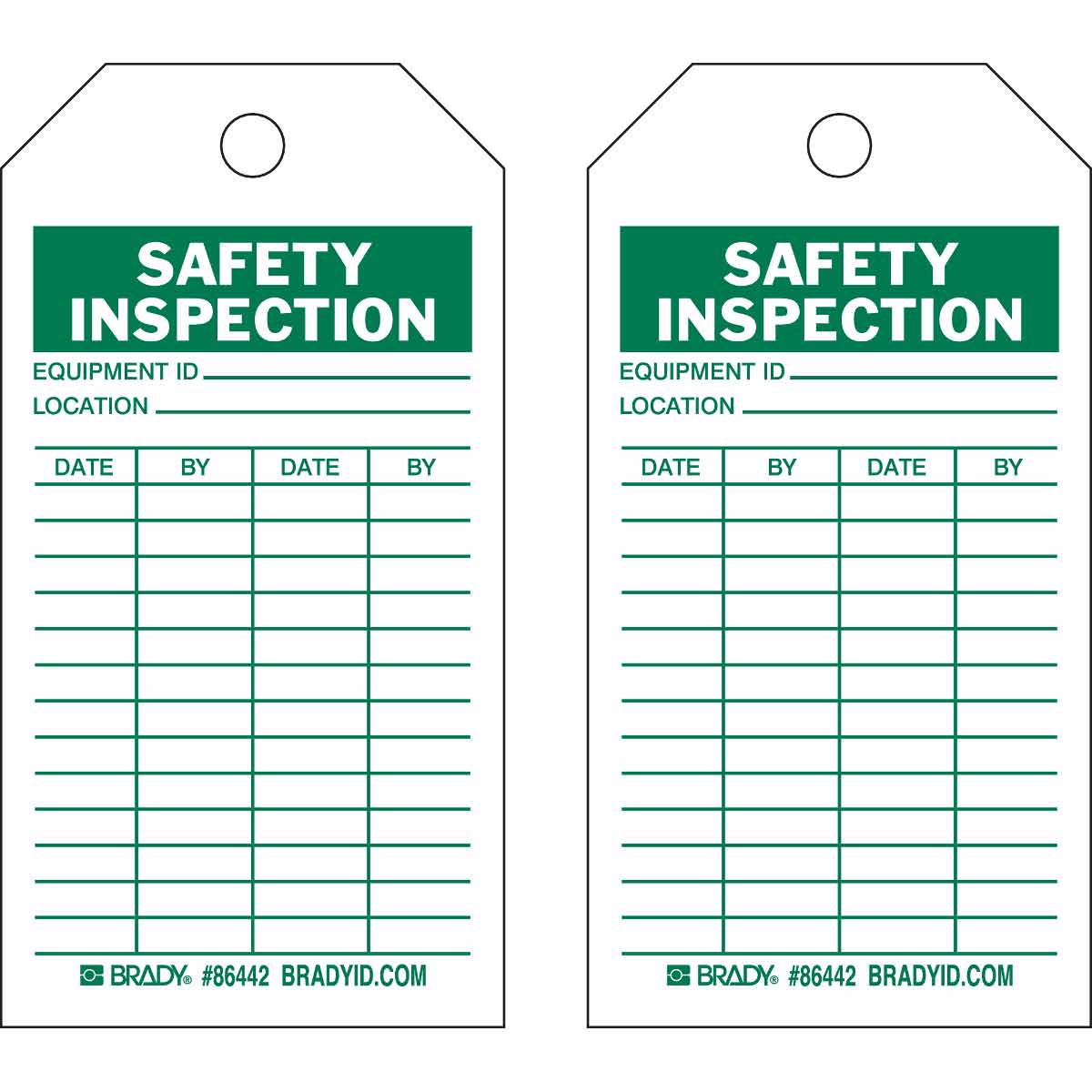
Clip-based identification systems require proactive care to maintain effectiveness over time. Schedule monthly inspections of all clips to check for cracked plastic, weakened springs, or deformed gripping surfaces that could lead to failure during use. Clean clips with mild detergent to remove residue buildup from fabric softeners, body oils, or pool chemicals that obscure color markers or interfere with grip mechanisms. Store clips in their protective mesh bag between uses to prevent loss and protect them from damage in utility drawers.
Critical maintenance practices:
– Inspect grip strength before each laundry cycle
– Replace clips showing signs of wear before complete failure
– Clean color markers regularly to maintain visibility
– Store components properly to prevent damage or loss
Commercial facilities like gyms and hotels should implement annual clip replacement schedules to maintain reliable identification. Residential users often extend clip life to multiple years with proper care, though components exposed to harsh conditions like pool chemicals or beach sand need more frequent attention. When grip strength diminishes or color markers become difficult to distinguish, proactively replace affected components rather than waiting for identification failures that create mix-ups or lost towels.
Choose Your Labeling Method Based on Specific Needs
Family households with stable membership typically benefit from permanent marking methods that offer reliable identification without ongoing component management. If your household expects to use the same towels for years with minimal changes in users, high-quality fabric markers or simple embroidery provide excellent long-term solutions. Just recognize that assignments become difficult to change once permanently marked—consider this limitation before committing to irreversible identification.
Temporary clip systems solve these specific problems:
– Rental properties needing inventory tracking without value reduction
– Fitness facilities managing high-turnover towel usage
– Vacation homes accommodating frequent guest changes
– Travelers needing portable identification solutions
Many successful households implement hybrid approaches that combine the best features of multiple systems. Permanently mark primary family towels while keeping clip-on sets available for guest rooms, travel, or seasonal pool towels. This strategy maximizes flexibility while maintaining simplicity for everyday use. The most effective towel identification systems share common characteristics: clear visual identification, appropriate durability for the application’s demands, reasonable maintenance requirements, and user compliance through simplicity and effectiveness. By matching your labeling approach to your specific needs, you create a system that prevents mix-ups, maintains hygiene, and serves your household reliably for years to come.
Leave a Reply