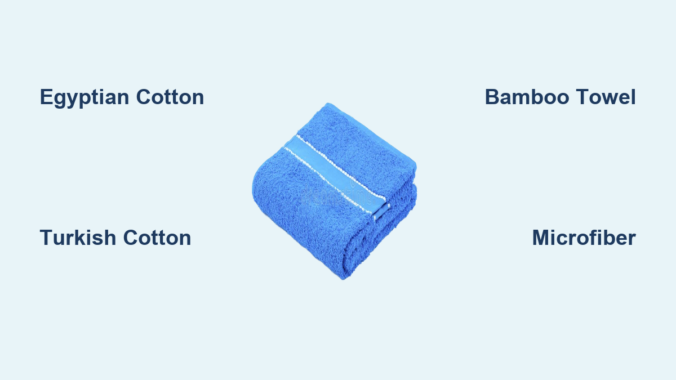
Choosing the perfect bath towel goes far beyond picking a color that matches your bathroom decor. With so many bath towel types available—each varying in material, thickness, absorbency, and care requirements—many shoppers end up frustrated by towels that either feel scratchy, take forever to dry, or wear out after just a few months. Understanding the key differences between bath towel types ensures you invest in towels that deliver comfort, durability, and value for your specific needs. This guide breaks down exactly what to look for when selecting bath towels, so you can step out of the shower wrapped in comfort every time.
How Bath Towel Materials Impact Your Drying Experience
Egyptian Cotton: The Luxury Standard
When you wrap yourself in a genuine Egyptian cotton towel, you immediately notice the exceptional softness and plush feel against your skin. This premium material comes from extra-long staple cotton fibers grown along the Nile River, with individual strands measuring up to 1.5 inches long. These lengthy fibers create stronger, smoother yarns that translate into towels with superior absorbency and durability.
The tight weave possible with these long fibers creates towels that feel substantial without being heavy. However, Egyptian cotton requires specific care to maintain its performance—avoid fabric softeners that coat fibers and reduce absorbency, and allow extra drying time between uses to prevent mildew. For those willing to accommodate these needs, Egyptian cotton delivers a spa-like experience that justifies the higher price point.
Turkish Cotton: The Balanced Choice
Turkish cotton offers the perfect middle ground between luxury and practicality for many households. Grown in Turkey’s Aegean region, this cotton features long staple fibers that create towels with remarkable softness while drying significantly faster than their Egyptian counterparts.
The unique structure of Turkish cotton fibers creates towels that feel smooth and lightweight yet highly absorbent. These towels become noticeably softer with each wash without losing their shape or integrity, making them ideal for daily use. If you live in a humid climate or have a bathroom with poor ventilation, Turkish cotton’s quick-drying properties make it an excellent choice that resists mildew better than thicker options.
Bamboo: The Eco-Friendly Alternative
Bamboo towels have gained popularity among environmentally conscious shoppers seeking sustainable alternatives to traditional cotton. While bamboo grows rapidly with minimal water and no pesticides, the manufacturing process converts the fibers into rayon or viscose using chemical treatments that somewhat offset the environmental benefits.
Performance-wise, bamboo towels offer natural antimicrobial properties that reduce odor buildup between washes, and their silky texture feels gentle against sensitive skin. However, they typically absorb less water than comparable cotton towels and may break down faster with repeated washing. If sustainability is your top priority and you don’t mind replacing towels more frequently, bamboo offers a comfortable, eco-conscious option.
Microfiber: The Traveler’s Favorite
Microfiber towels stand apart from traditional cotton options with their synthetic construction from ultra-fine polyester and polyamide fibers. These towels excel in specific situations where quick drying and compact storage matter most—like gym bags, travel luggage, or beach outings.
The tightly woven synthetic fibers create towels that absorb water efficiently through capillary action while remaining remarkably lightweight. Microfiber dries in half the time of cotton towels and packs down to a fraction of the size. However, the synthetic feel may not provide the same luxurious sensation against bare skin as natural fibers, and these towels can generate static electricity in dry environments. For active lifestyles requiring portable, fast-drying options, microfiber delivers unmatched convenience.
Decoding Towel Weight: What GSM Really Means for Your Bath Towels

Understanding the GSM Scale
GSM (grams per square meter) provides the most reliable way to compare towel thickness across different brands and materials. This standardized measurement tells you exactly how much fabric comprises each square meter of your towel, with higher numbers indicating denser, more substantial construction.
Most quality bath towels fall between 400-700 GSM, though options exist from 300 (ultra-lightweight) up to 900+ (luxury spa-grade). When shopping online without being able to feel the towel, GSM gives you the best indicator of what to expect in terms of thickness, absorbency, and drying time.
Medium GSM (400-600): The Everyday Sweet Spot
Towels in the 400-600 GSM range deliver the ideal balance for most households—plush enough for comfort but not so thick they stay damp for hours after use. These towels absorb water effectively while still drying relatively quickly when hung properly.
This weight class represents the majority of towels sold for regular home use because they work well in most climates and for typical laundry schedules. They’re substantial enough to feel luxurious after a shower but won’t develop mildew if left hanging for a day between uses. For families seeking reliable performance without special care requirements, medium GSM towels offer the best all-around value.
High GSM (600-900): Spa-Like Luxury With Tradeoffs
High GSM towels (600-900) deliver that indulgent, hotel-spa experience with their substantial weight and exceptional absorbency. The dense construction creates maximum surface area for water absorption, wrapping you in cloud-like comfort as you dry off.
However, these luxurious towels come with important considerations. They retain moisture much longer, requiring excellent bathroom ventilation or frequent machine drying to prevent mildew. In humid climates, high GSM towels may need daily laundering to stay fresh. If you have a well-ventilated bathroom and can commit to more frequent washing, these towels provide unmatched comfort that many find worth the extra maintenance.
Essential Towel Weaves and Their Performance Differences

Ring-Spun Construction: The Quality Benchmark
When shopping for quality bath towels, look for “ring-spun” in the product description—this manufacturing process creates consistently smooth, durable towels that maintain softness through hundreds of washes. The ring-spinning technique twists cotton fibers into tightly wound yarns, aligning them uniformly to reduce friction between fibers.
Towels made with ring-spun cotton feel noticeably softer against your skin and resist pilling much better than those made with cheaper open-end spinning methods. While this construction increases production costs slightly, the resulting durability means your towels will look and feel newer for significantly longer.
Waffle Weave: Fast-Drying Functionality
Waffle weave towels feature a distinctive textured pattern with raised squares that serve important functional purposes beyond aesthetics. The geometric pockets created by this weave trap air, accelerating drying time while still providing excellent absorbency.
The textured surface also offers slightly more friction than traditional terry cloth, making waffle weave towels effective for gentle exfoliation as you dry off. Their fast-drying properties make them particularly suitable for humid environments or households that prefer minimal laundering. Many find the unique texture provides a refreshing change from standard terry towels while maintaining reliable performance.
Selecting the Right Bath Towel Sizes for Your Needs
Standard Bath Towels vs. Bath Sheets
The standard bath towel size (27×52 to 30×60 inches) works well for most adults, but taller individuals or those who prefer more coverage should consider bath sheets (35×60 to 40×70 inches). Bath sheets provide spa-like wrapping capability with their generous dimensions, though they require more storage space and longer drying times.
When selecting sizes, consider the height of everyone in your household—someone over 6 feet tall will likely find standard towels too short for comfortable wrapping. Bath sheets also offer superior absorbency for those who prefer thorough drying, but their extra fabric means they’ll take noticeably longer to dry completely between uses.
Practical Towel Care Tips for Every Material Type

Washing Techniques That Extend Towel Life
Proper washing significantly impacts how long your bath towels remain soft and absorbent. Always wash new towels 1-2 times without detergent to remove manufacturing residues that inhibit initial absorbency. For regular washing, use warm (not hot) water and avoid fabric softeners that coat fibers and reduce water absorption.
Adding ½ cup of white vinegar to the rinse cycle monthly helps remove soap residue and restore natural absorbency without damaging fibers. Separating dark and light towels prevents color bleeding, and washing towels separately from clothing avoids lint transfer that can make towels feel rough.
Drying Methods for Maximum Softness
How you dry your towels affects their long-term texture more than most people realize. High heat settings gradually break down cotton fibers, leading to hard, scratchy towels over time. Instead, use medium heat with periodic air drying to extend your towels’ softness and lifespan.
Remove towels from the dryer while still slightly damp—over-drying creates harsh textures that become permanent with repeated exposure to high heat. For the softest results, hang towels to finish drying naturally, which also helps prevent shrinkage and maintains fiber integrity longer.
Making Your Final Bath Towel Selection
Consider your specific bathroom environment and usage patterns when choosing bath towel types. Humid climates demand faster-drying options like Turkish cotton or waffle weave in the 400-500 GSM range, while dry climates can accommodate luxurious high-GSM Egyptian cotton towels. Households with children or busy schedules benefit from durable medium-GSM towels that withstand frequent washing.
Invest in quality towels that balance your comfort preferences with practical considerations—premium materials and construction may cost more upfront but deliver years of reliable performance compared to cheaper alternatives that wear out quickly. By understanding the key differences between bath towel types, you’ll select towels that transform your daily routine into a consistently comfortable experience.
Leave a Reply