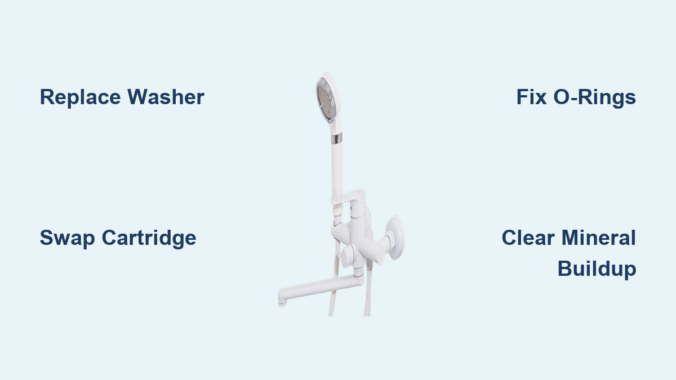
Is your bath shower mixer tap leaking, dripping, or failing to deliver the right water temperature? Don’t panic—most common mixer tap problems can be fixed with basic tools and a bit of know-how. Repairing these essential bathroom fixtures saves you hundreds in plumber fees while preventing water waste and potential damage to your bathroom. This guide shows you exactly how to diagnose and fix the most frequent mixer tap issues using proven DIY techniques that deliver professional results.
Identify Your Mixer Tap Type Before Repairing
The first crucial step in fixing any bath shower mixer tap is determining which type you’re working with. Your repair approach depends entirely on this identification, as different mechanisms require specific solutions.
Exposed mixer taps feature visible handles and stems mounted directly onto your bath rim or wall tiles. These are the simplest to repair since all components are accessible without removing wall panels or accessing hidden plumbing. They typically use either compression valves with rubber washers or ceramic cartridges.
Concealed mixer taps hide plumbing behind walls with only the handle and spout visible. While sleeker in appearance, these require locating and removing access panels before you can reach internal components. Mistaking a concealed unit for an exposed one leads to unnecessary wall damage during repair attempts.
Diverter mixer taps include a mechanism that redirects water between your bath spout and showerhead. The diverter valve—whether push-button, lever, or rotary style—is a common failure point requiring specialized attention separate from standard mixer repairs.
Fix Dripping Taps with Washer Replacement
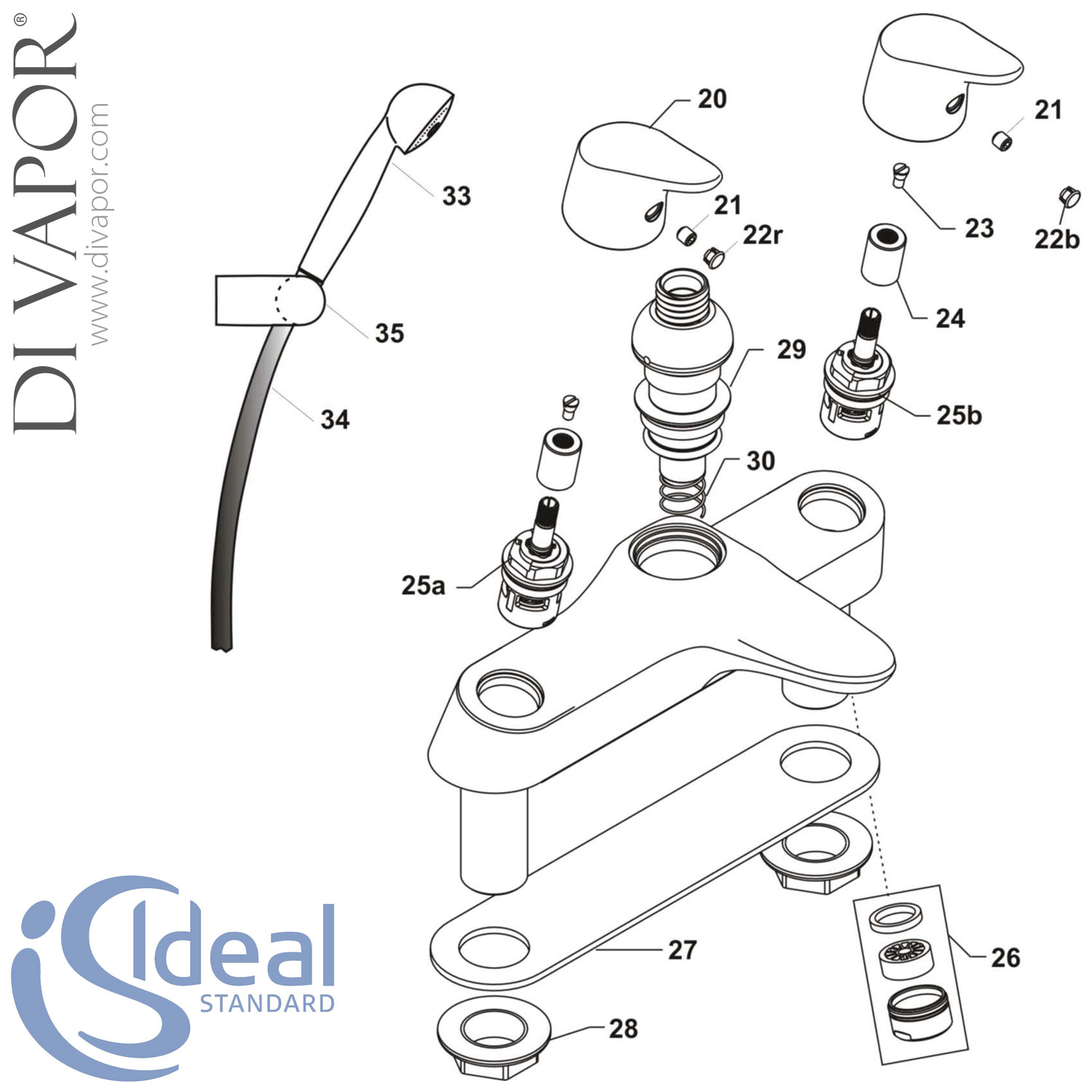
A dripping bath shower mixer tap wastes thousands of gallons annually and signals worn internal components. The most common culprit is a degraded rubber washer in compression-style taps.
Locate and replace the faulty washer by first shutting off water supplies beneath your bath. Remove the decorative handle cap, unscrew the handle, then extract the spindle assembly. The washer sits at the base, secured by a small brass screw. Note its exact size and thickness before purchasing an identical replacement.
Clean the valve seat where the washer presses against the brass surface. A pitted or uneven seat prevents proper sealing even with new washers. For minor imperfections, use a valve seat dresser tool to restore a smooth surface; severe damage requires professional replacement.
Install the new washer with plumber’s grease on the brass screw threads. This lubrication prevents future seizing and makes component removal easier during the next maintenance cycle. Reassemble in reverse order and test for leaks before considering the repair complete.
Replace Cartridges in Modern Mixer Taps
Most contemporary bath shower mixer taps use ceramic disc cartridges instead of traditional washers. When these fail, you’ll notice stiff handle operation, temperature fluctuations, or persistent leaks that washer replacement won’t fix.
Remove the cartridge retaining nut using an adjustable wrench or specialized cartridge puller. These nuts often have hex-shaped exteriors but some require pin-style tools that fit into small holes on the nut’s face. Apply penetrating oil if the nut resists movement.
Extract the old cartridge carefully using needle-nose pliers gripping the central stem. Some cartridges require slight twisting to release from housing detents—work slowly to avoid breaking the ceramic components. Take the old cartridge to your hardware store for exact matching before purchasing replacements.
Clean the cartridge housing thoroughly with vinegar-soaked cloths to dissolve mineral deposits. These buildups prevent proper seating of the new cartridge and cause premature failure. Rinse completely before installing the replacement.
Repair Leaking Handle Bases Immediately

Water seeping from around your mixer tap handle base indicates failing O-rings or stem seals. Left unaddressed, this moisture penetrates bath surrounds and causes costly structural damage.
Replace stem seals by disassembling the handle assembly as described in previous sections. Focus on the O-rings surrounding the valve stem—these rubber rings degrade over time from heat exposure and mineral deposits.
Select correct replacement O-rings by matching the old rings’ inner diameter, cross-section thickness, and material. Silicone O-rings outperform rubber in hot water applications and resist deterioration longer. Coat new rings with plumber’s grease before installation to ease seating and extend lifespan.
Tighten handle assemblies properly—overtightening cracks ceramic components while undertightening allows leaks. Hand-tighten plus a quarter-turn with tools provides the ideal balance. Test for leaks by running water at maximum pressure before reattaching decorative caps.
Clear Mineral Buildup from Internal Components
Hard water mineral deposits cause stiffness, reduced flow, and premature wear in bath shower mixer taps. Regular descaling prevents these issues and extends your tap’s operational life.
Create an effective descaling solution using equal parts white vinegar and warm water. For severe buildup, use full-strength vinegar but limit plastic component exposure to 30 minutes to prevent material degradation.
Soak disassembled parts overnight for heavily calcified components. Pay special attention to the mixing chamber where hot and cold water combine—this area accumulates the most mineral deposits affecting temperature control.
Scrub internal passages with pipe cleaners or small brushes, working carefully to avoid damaging seals. Use compressed air to blow out debris from narrow channels after brushing. Rinse all components thoroughly until no vinegar odor remains.
Fix Diverter Valve Problems in Shower Mixers
Bath shower mixer taps with integrated showers require functional diverters to redirect water flow. When these fail, water continues flowing from the bath spout instead of the showerhead.
Diagnose your diverter type before disassembly. Push-button diverters use a spring-loaded plunger, lever diverters rotate a valve mechanism, and rotary diverters align internal channels through knob rotation. Each requires specific repair approaches.
Replace diverter seals using manufacturer-specific kits. Universal kits exist but require careful comparison of seal shapes and sizes—improperly fitting seals cause immediate leaks. Take photos during disassembly to ensure correct reassembly orientation.
Clean diverter internals with vinegar solution to dissolve mineral deposits restricting movement. Test manual operation frequently during reassembly to verify smooth movement before final tightening. Apply plumber’s grease to all moving parts to prevent future sticking.
Test Your Repairs Before Final Assembly
Never skip the testing phase—many DIY repairs fail because homeowners reassemble components before verifying proper function.
Restore water supply gradually after completing internal repairs. Open isolation valves slowly to prevent water hammer that can damage new seals. Keep supplies open for several minutes to flush debris from the system.
Operate the tap through complete temperature ranges checking for smooth transitions between hot and cold. Verify consistent water pressure and absence of leaks at all connection points. Test the shower diverter multiple times if your unit includes this feature.
Adjust temperature stops if your mixer tap has anti-scald protection. Many units include adjustable limiters preventing the handle from rotating too far into the hot position. Set this limit to prevent accidental scalding before finalizing handle position.
Prevent Future Mixer Tap Problems
Regular maintenance extends your bath shower mixer tap’s lifespan and prevents costly repairs down the line.
Operate taps gently—avoid forcing handles past their stop points or using excessive pressure when closing. Forceful operation damages internal seals and accelerates wear.
Address minor drips immediately—a small drip today becomes a major leak tomorrow. Early intervention prevents water damage and reduces repair costs significantly.
Flush supply lines periodically by running both hot and cold water for several minutes. This clears sediment that deposits within tap mechanisms, especially important after plumbing work or water supply interruptions.
Install a water softener if your area has hard water. Softened water dramatically reduces mineral deposits within tap mechanisms, extending component life by years. The investment often pays for itself in reduced repair costs.
When to Call a Professional Plumber
Some mixer tap issues exceed DIY capabilities and require professional intervention.
No isolation valves present means your repair requires main water shutoff—a task better handled by professionals with proper equipment. Attempting repairs without local shutoffs risks extensive water damage.
Persistent leaks after proper repair suggest incorrect diagnosis, hidden damage, or installation issues requiring specialized knowledge. Multiple failed repair attempts often compound the original problem.
Pipe corrosion or leaks discovered during repair indicate systemic plumbing problems requiring professional assessment. Corroded supply lines often fail completely during maintenance attempts.
Concealed mixer taps with electronic controls or thermostatic mixing valves require manufacturer-specific training that most homeowners lack. When in doubt, consult a professional plumber before causing further damage.
By following these systematic repair approaches, you can confidently tackle most bath shower mixer tap problems. Remember that 80% of common issues stem from worn washers, degraded O-rings, or mineral buildup—all fixable with basic tools and careful attention to detail. Regular maintenance and prompt attention to developing issues keep your mixer taps performing reliably for years to come, saving you money while ensuring your bathroom functions as it should.
Leave a Reply