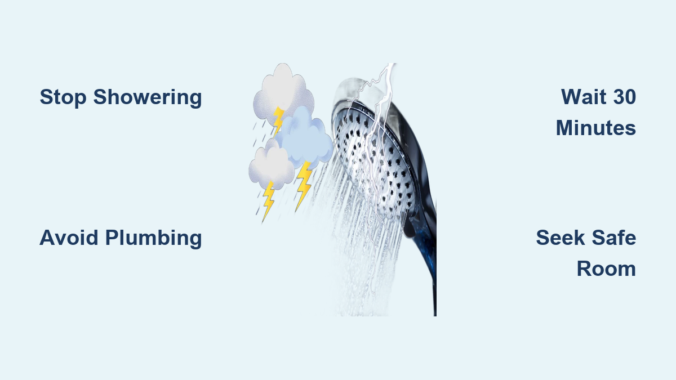
Imagine this: you’re enjoying a relaxing shower when you hear the first rumble of thunder in the distance. Should you quickly finish or immediately step out? The truth is, bathing during a thunderstorm creates a potentially fatal electrical hazard that most people dangerously underestimate. Lightning can travel through your home’s plumbing system, electrifying the water you’re standing in and turning your shower into a death trap within milliseconds. This isn’t just theoretical—people are injured and killed each year by lightning that traveled through plumbing while they were bathing or washing dishes. In this guide, you’ll discover exactly how lightning exploits your home’s plumbing, why plastic pipes don’t make you safe, and the specific steps you must take to protect your family during storm season.
Many homeowners mistakenly believe that as long as it isn’t raining outside their window, they’re safe from lightning dangers. This dangerous misconception leads directly to risky behavior like bathing during a thunderstorm. The reality is that lightning can strike up to 10 miles away from any visible rainfall, meaning a storm you can’t even see could send a lethal electrical surge through your plumbing. The National Weather Service’s critical rule is simple: if you can hear thunder, you’re within striking distance. By continuing to read, you’ll learn the science behind this danger, specific timeframes for safety, and practical steps to implement immediately when storms approach—potentially saving your life or that of someone you love.
Why Metal and Plastic Pipes Both Conduct Dangerous Lightning Currents

How Lightning Uses Your Plumbing as an Electrical Highway
Lightning seeks the path of least resistance to ground, and your home’s plumbing system—whether metal or plastic—provides an ideal conductive pathway. When lightning strikes your home directly or hits the electrical grid serving your neighborhood, that massive electrical surge travels through pipes with terrifying speed. Water inside these pipes, combined with the pipe material itself, creates a continuous electrical connection from your roof down through your walls. The moment you step into a shower or bath during this surge, you become part of the circuit, with current potentially passing through your heart and causing cardiac arrest.
Plastic Pipes Don’t Eliminate Your Bathing Risk During Storms
Many homeowners mistakenly believe that modern plastic plumbing eliminates lightning risks, but this dangerous assumption could cost you your life. While PVC pipes conduct electricity slightly less than metal pipes, this difference doesn’t make bathing during a thunderstorm safe—it merely might reduce the severity of the shock. Water itself is an excellent conductor, and the moisture content in concrete foundations and soil allows electrical surges to travel significant distances. The only guaranteed safety measure is avoiding all contact with plumbing and running water during any lightning activity, regardless of your pipe material. No convenience is worth risking cardiac arrest for a few minutes in the shower.
Water Activities to Avoid Beyond Just Bathing and Showering
Your lightning safety precautions must extend to all water-related activities in your home. During thunderstorms, you should also immediately stop:
– Washing dishes at the sink
– Hand washing before meals
– Filling pots for cooking
– Doing laundry
– Brushing your teeth
Every year, people suffer injuries from lightning that traveled through plumbing while performing these seemingly harmless tasks. The electrical current doesn’t discriminate between activities—it only needs a conductive pathway through water to reach you. Establishing a household rule of “no water use during storms” creates a simple, life-saving protocol that everyone can follow without confusion.
Immediate Actions to Take When Thunder Strikes Within 10 Miles
Creating Your Lightning-Safe Room Indoors
When you hear thunder, immediately move to an interior room away from windows and plumbing fixtures. The ideal lightning-safe room has no attached bathroom and minimal plumbing running through its walls—typically a living room or bedroom without an en suite bathroom. Gather all family members in this space and keep them there until 30 minutes after the last thunderclap. This room should contain a battery-powered phone or fully charged cell phone (not connected to a charger) so you can call for emergency help if needed. Avoid contact with concrete walls or floors, as lightning can travel through the metal rebar inside them.
Electrical Equipment to Avoid During Storm Activity
Lightning can enter your home through electrical wiring just as easily as through plumbing, making certain devices dangerous during storms. Immediately stop using:
– Corded telephones (cell phones and cordless phones are safe if unplugged)
– Desktop computers connected to power outlets
– Game consoles plugged into TVs
– Kitchen appliances like toasters or blenders
– Any device with a direct electrical connection to your home’s wiring
The surge from a nearby lightning strike can travel through these connections and cause severe injury even if you’re not touching plumbing. Unplug sensitive electronics before storms arrive to protect them from damage, but never attempt this once thunder is audible—that’s already too late for safety.
10-Mile Danger Zone: Why No Rain Doesn’t Mean Safe Showers
Lightning’s Hidden Threat Beyond Visible Storms
The most dangerous lightning misconception is believing you’re safe if it’s not raining at your location. Lightning frequently strikes outside areas of heavy rain and can hit up to 10 miles from any visible rainfall. This explains why many lightning deaths occur before storms arrive or after they seem to have passed—people resume water activities too soon. If you can hear thunder, you’re within the danger zone where lightning could electrify your plumbing. The sound of thunder means lightning is close enough to pose an immediate threat to your safety, regardless of whether rain is falling where you are.
The Critical 30-Minute Waiting Period After Last Thunder
Many people make the mistake of resuming water activities too soon after a storm appears to pass. The National Weather Service recommends waiting at least 30 minutes after the last clap of thunder before considering the danger over. This waiting period accounts for lightning’s ability to strike from the trailing edge of a storm system. For families with evening bath routines, this means checking weather forecasts in advance and scheduling bathing times before typical afternoon and evening storm windows. Developing this habit prevents dangerous last-minute decisions when thunder suddenly rolls in.
28 Annual Deaths: Real Lightning Fatality Statistics You Must Know
Regional and Seasonal Risk Patterns for Homeowners
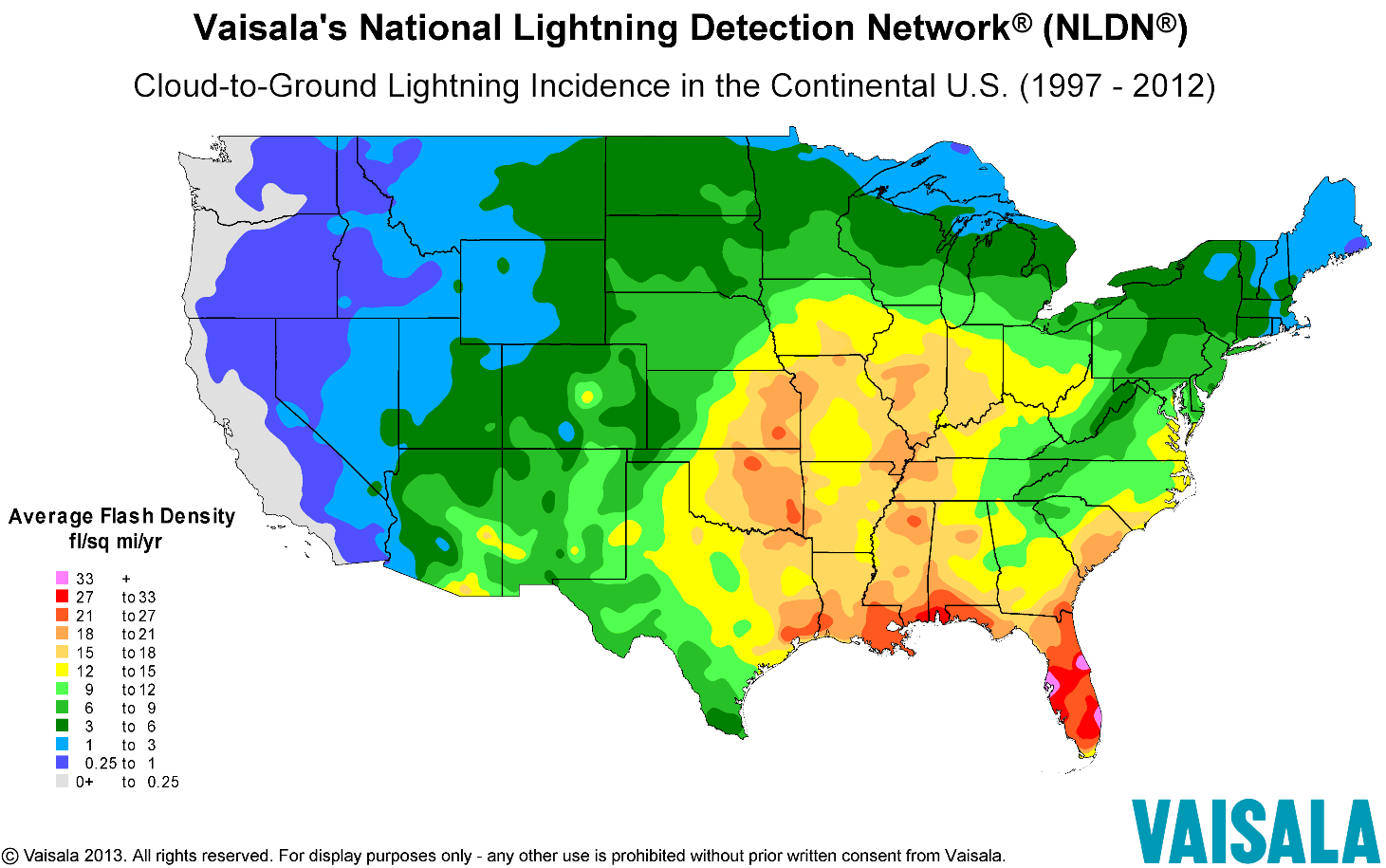
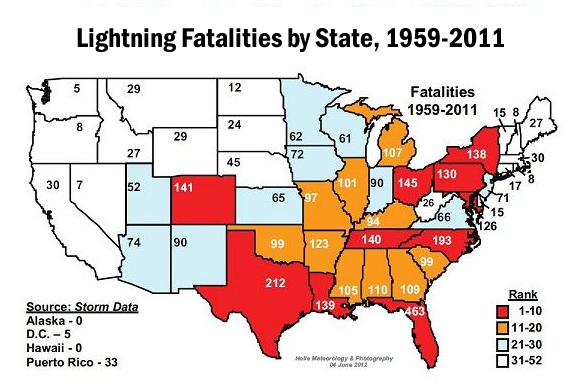
Lightning strike risks vary dramatically by location and time of year, directly impacting your bathing safety decisions. Southeastern states face the highest danger, with Florida and Texas reporting the most lightning-related deaths annually. Most strikes occur during summer months, particularly July, between afternoon and evening hours—exactly when many families schedule evening baths and showers. If you live in high-risk areas or during peak seasons, your vigilance about avoiding bathing during thunderstorms must increase accordingly. Checking your local lightning frequency maps helps you understand your specific household risk level.
Who Lightning Targets Most Frequently
Understanding lightning victim profiles reveals who’s most at risk in household settings. While 80% of lightning fatalities occur outdoors, indoor incidents happen when people ignore plumbing risks during storms. Men are four times more likely than women to be struck by lightning, partly due to riskier behavior during storms. Most indoor incidents involve people who continued water activities despite hearing thunder, believing their plastic pipes or lack of rain made them safe. Recognizing these patterns helps you avoid becoming a statistic—no matter your gender or location, bathing during a thunderstorm puts you at unnecessary risk.
First Aid Steps When Lightning Strikes a Family Member Indoors
Immediate Response Protocol for Lightning Victims
If someone in your home is struck by lightning while using water during a storm, act immediately but safely. First, ensure the lightning threat has passed before approaching—they do NOT retain an electrical charge, contrary to popular myth. Call 911 right away, then check for breathing and pulse. If the person isn’t breathing, begin CPR immediately—about 10% of lightning strike victims die from cardiac arrest, making prompt intervention critical. Continue CPR until emergency help arrives, as lightning victims often recover fully with timely assistance. Keep the victim warm and monitor for changing conditions while waiting for medical professionals.
Recognizing Less Obvious Lightning Injuries
Lightning injuries extend beyond obvious burns and cardiac issues. Victims may experience:
– Temporary neurological symptoms like confusion or memory loss
– “Lightning-induced cataracts” affecting vision
– Muscle pain and weakness from electrical current
– Ring-shaped skin lesions at entry and exit points
– Temporary hearing loss from the thunderclap
Even if someone appears fine after a lightning incident, they need professional medical evaluation. Internal injuries from electrical current may not be immediately apparent but can become serious without treatment. Documenting the exact circumstances helps medical professionals provide appropriate care for lightning-specific injuries.
Your Complete Thunderstorm Safety Checklist for Home Protection
Pre-Storm Preparation Protocol
Before storm season begins, implement these life-saving measures:
– Identify your lightning-safe room (interior space without plumbing)
– Install weather alert apps on all household cell phones
– Purchase battery-powered weather radios for emergency updates
– Discuss the “no water during storms” rule with all family members
– Create a storm safety plan that includes where to gather
Checking weather forecasts before evening activities prevents dangerous last-minute decisions about bathing during thunderstorms. For households with children, practice storm drills so everyone knows exactly where to go and what to avoid when thunder approaches.
Post-Storm Re-Entry Guidelines for Water Activities
Develop a clear household protocol for resuming normal activities after storms:
– Wait 30 minutes after the last thunderclap before using water
– Designate one person to monitor weather conditions
– Use visual timers to track the waiting period
– Have alternative hygiene options ready (pre-moistened wipes)
– Post reminders near showers and sinks about lightning risks
This structured approach prevents family members from accidentally using water too soon after storms pass. The few minutes spent waiting could prevent a lifetime of consequences from a single lightning strike through your plumbing.
Protecting yourself from lightning dangers indoors requires understanding that thunder means immediate risk—not just for outdoor activities, but for everyday household routines. By recognizing that bathing during a thunderstorm creates an unacceptable electrical hazard regardless of pipe material, and by implementing specific waiting periods before resuming water activities, you significantly reduce your risk of becoming one of the 28 annual lightning fatalities in the United States. Remember the golden rule: when thunder roars, go indoors—and stay away from all plumbing until 30 minutes after the last thunderclap. This simple practice transforms your home from a potential lightning conduit into a true safe haven during storm season.
Leave a Reply