Your small bathroom feels cramped every time you step inside. That awkward corner where the door hits the sink, the lack of storage for towels, and the constant battle to keep everything organized—it’s enough to make you dread your morning routine. You’re not alone; 68% of homeowners with compact bathrooms report feeling frustrated by their limited space. But here’s the good news: with strategic small bath remodel ideas, you can transform your cramped quarters into a functional, stylish retreat without knocking down walls or breaking the bank.
The key to successful small bath remodel ideas lies in maximizing every inch while creating the illusion of space. Forget expensive structural changes—most homeowners achieve dramatic improvements through smart layout adjustments, strategic storage solutions, and optical illusions that trick the eye. In this guide, you’ll discover practical, budget-friendly small bath remodel ideas that deliver maximum impact. Whether you’re working with a 30-square-foot powder room or a 50-square-foot master bath, these proven strategies will help you create a space that feels twice as large while functioning perfectly for your daily needs.
Strategic Layout Changes for Maximum Impact
How to Reconfigure Your Small Bathroom Layout Without Moving Plumbing
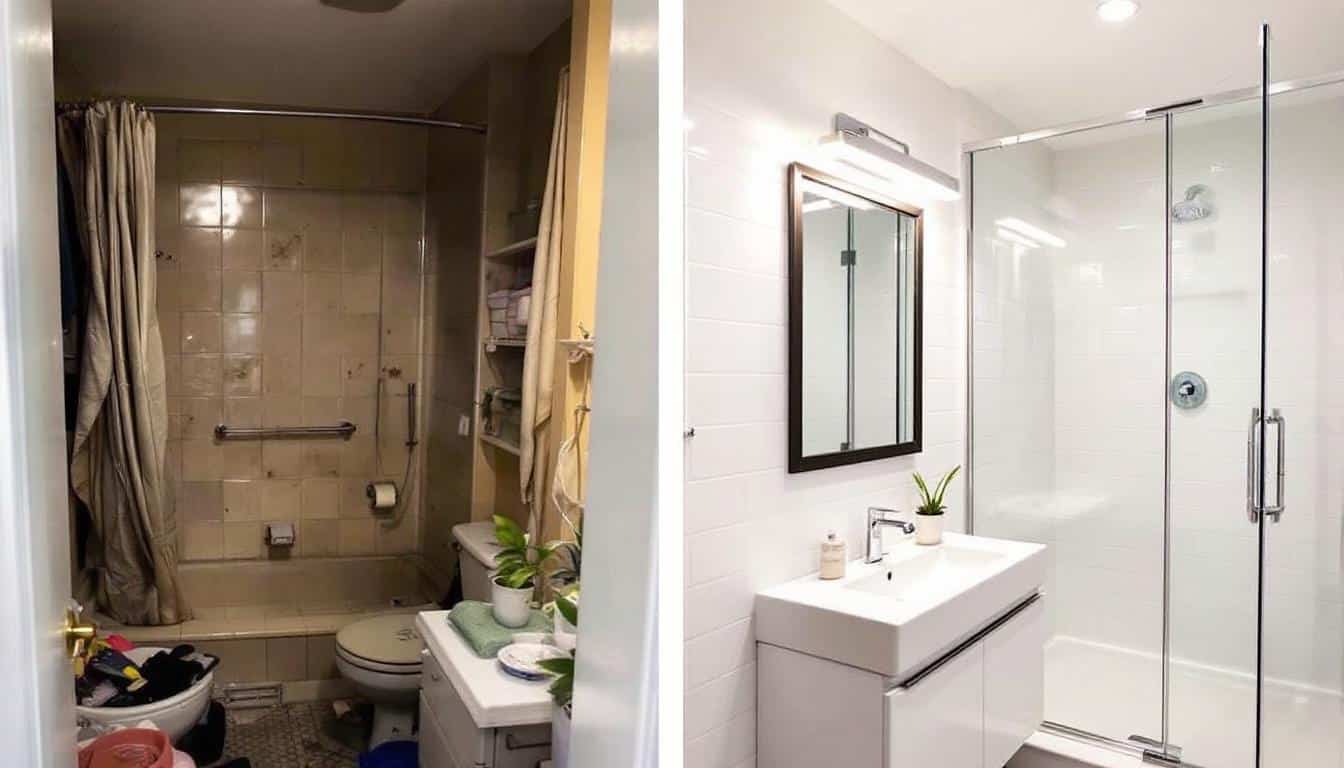
Rethinking your bathroom’s traffic flow can dramatically improve functionality without expensive plumbing changes. Start by evaluating your current door swing—does it crash into fixtures when opened? Reconfiguring to a pocket door or reversing the swing direction instantly gains you 3-5 square feet of usable space. Next, consider shifting fixtures just inches: moving your vanity 6 inches toward an unused corner creates room for a full-sized shower instead of a cramped stall. Many homeowners successfully swap toilet and vanity positions within existing plumbing footprints, creating more logical traffic patterns.
Which Fixtures Can You Relocate Without Breaking Your Budget
Focus on “dry zone” fixtures first when planning strategic moves. Toilets and showers require significant plumbing work to relocate, but vanities and storage units offer more flexibility. Wall-mounted vanities can be installed almost anywhere with proper framing, and pedestal sinks can be positioned to maximize floor space. If your budget allows for limited plumbing work, consider moving your toilet just 12-18 inches to create space for a proper shower curtain track—this small adjustment prevents constant water spills on your floor.
Space-Saving Storage Solutions That Actually Work
Clever Vertical Storage Ideas for Tiny Bathrooms
When floor space is limited, look up. Install floating shelves that reach within 6 inches of your ceiling to create storage without visual clutter. Recessed medicine cabinets with mirrored fronts double your storage while maintaining the illusion of space. For maximum impact, build out shelving in unused corners—those often-wasted 45-degree angles can hold towels and toiletries while appearing nearly invisible. Over-the-toilet storage units should be narrow and tall rather than wide and short to avoid making the room feel cramped.
Where to Hide Storage in Plain Sight
Integrate storage into your design rather than adding bulky units. Frame out a narrow shelving unit between wall studs next to your shower—just 4-6 inches deep provides space for shampoo bottles without reducing floor area. Install a mirrored cabinet with hidden compartments behind reflective surfaces. Convert under-vanity space with pull-out drawers instead of fixed cabinets, making every inch accessible. For renters or those on tight budgets, tension rod systems inside cabinet doors create instant storage for hair tools and cleaning supplies.
Visual Tricks That Make Small Bathrooms Feel Twice as Large
:strip_icc()/9.Designerphotographerhouseofchais-93b0953f92dc4d21867cd0300585d5d0.jpg)
Which Colors and Finishes Create Instant Space
Light, reflective surfaces are your best friends in small bath remodel ideas. Opt for large-format tiles (at least 12×24 inches) with minimal grout lines to reduce visual fragmentation. Glossy finishes on walls and floors bounce light around, creating depth. Stick to a monochromatic palette with varying textures—ivory walls with white subway tile and cream fixtures feel expansive, while strategic metallic accents (brushed nickel or matte black) add sophistication without visual weight. Avoid two-tone color schemes that chop up the space.
How to Position Mirrors for Maximum Spatial Illusion
Strategic mirror placement can transform your small bathroom’s perceived size. Install a large mirror that spans the entire vanity wall rather than matching the sink footprint—this creates continuity. Angle a secondary mirror opposite your shower to reflect natural light and create depth. For dramatic effect, consider mirrored closet doors if you have storage space. Avoid ornate mirror frames that draw attention to boundaries; instead, choose frameless designs that blend seamlessly with your walls.
Budget-Friendly Small Bath Remodel Ideas Under $1,000
Where to Splurge and Where to Save on Fixtures
Invest in quality for elements you use daily: a comfortable showerhead and smooth faucet operation matter more than oversized tiles. Save by choosing prefabricated shower surrounds instead of custom tile work, and consider a wall-mounted toilet with hidden tank to save 4-6 inches of floor space. Refinish rather than replace existing tubs when possible, and select a single, multi-functional vanity instead of separate storage units. Remember that paint is the cheapest transformation—high-gloss finishes in light colors cost under $50 but make an enormous visual impact.
DIY Upgrades That Deliver Professional Results
Replace dated hardware with modern fixtures for an instant refresh—this takes under an hour and costs $50-100. Install LED strip lighting under vanities and above mirrors to create ambient glow without bulky fixtures. Re-caulk and re-grout existing tile for a clean, updated look. Add peel-and-stick vinyl flooring in wood-look planks for waterproof, stylish results without the cost of ceramic tile. Most importantly, declutter ruthlessly before starting—removing unnecessary items makes any bathroom feel instantly larger.
Lighting Strategies That Transform Small Bathrooms
Layered Lighting Solutions for Compact Spaces
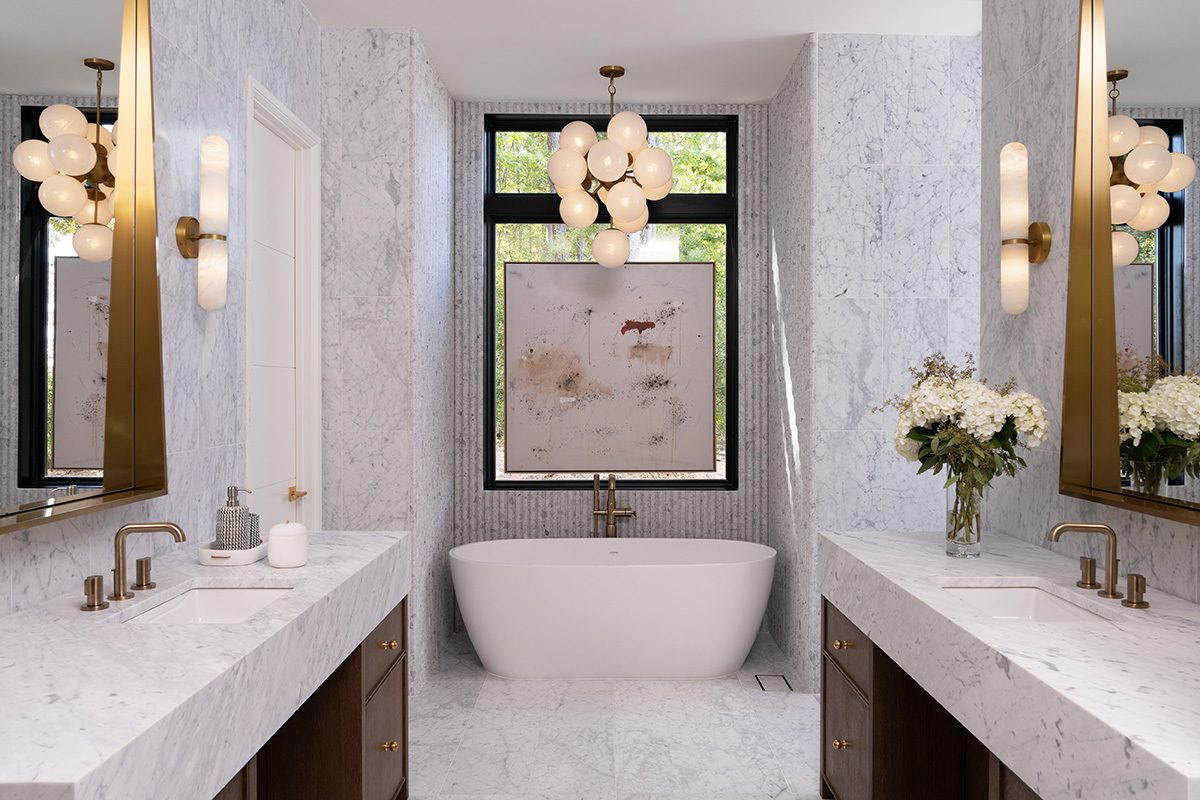
Combine three lighting types for optimal small bath functionality: ambient (overhead), task (mirror), and accent (strategic highlights). Recessed ceiling lights on dimmers provide flexible ambient lighting without hanging fixtures that lower perceived ceiling height. Wall-mounted sconces on either side of the mirror eliminate facial shadows better than overhead lighting alone. Add subtle LED strips under floating vanities to create the illusion of space while providing nighttime navigation.
How to Maximize Natural Light in Windowless Bathrooms
For windowless spaces, install a tubular skylight that channels natural light through reflective tubes—these work even when installed through attic spaces. Choose warm white LED bulbs (2700K-3000K) that mimic natural daylight without harsh blue tones. Position mirrors to reflect artificial light sources throughout the space. Consider light-filtering shower curtains in transparent materials rather than opaque options that block light penetration.
Final Touches That Complete Your Small Bath Transformation
Accessory Selection for Small Space Harmony
Choose fewer, larger accessories rather than multiple small items that create visual clutter. A single large plant in the corner adds life without crowding, while matching metal finishes throughout create cohesion. Select towels in your wall color family to maintain visual flow, and avoid placing objects on every available surface—negative space is essential in small bath design.
Maintenance Tips to Keep Your Small Bathroom Feeling Spacious
Establish a daily wipe-down routine to prevent water spots that make small spaces feel dingy. Use clear shower curtains instead of patterned ones to maintain sightlines. Store daily-use items in hidden compartments and rotate seasonal items to keep surfaces clear. Most importantly, resist the urge to fill every inch of storage—leaving 20% of your space intentionally empty prevents that cramped, cluttered feeling.
Final Note: With these small bath remodel ideas, even the tiniest bathroom can transform from cramped to comfortable. Remember that successful small space design focuses on functionality first, with aesthetics supporting the practical layout. Start with one or two changes that address your biggest pain points, then build from there as your budget allows. The most effective small bathroom remodels aren’t about square footage—they’re about smart design that makes every inch work harder for you. Whether you implement all these ideas or just a few, you’ll create a more enjoyable daily routine in a space that finally works for your lifestyle rather than against it.
Leave a Reply